
Rare Rides Icons: The Jeep Wagoneer, The First Luxury SUV Ever (Part XII)
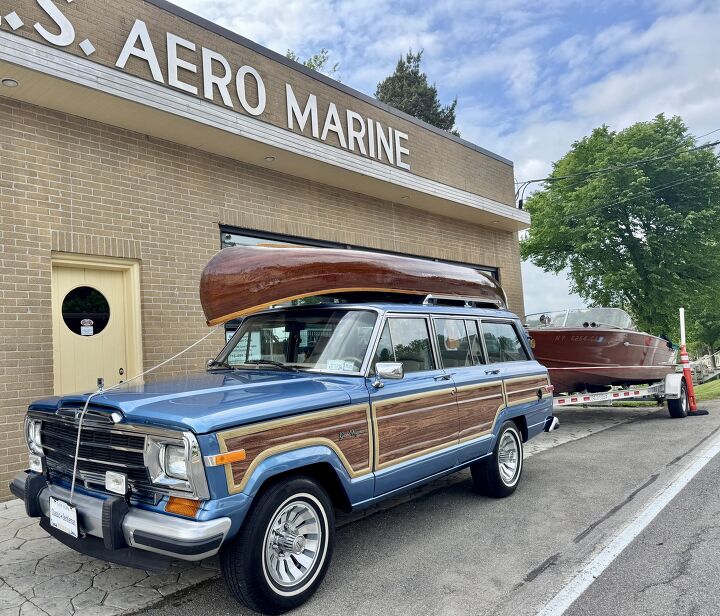
We return to the Jeep Wagoneer in 1987 and its 25th anniversary. As the Wagoneer remained on sale in its dated but popular guise, parent company AMC was at death’s door. Under ownership by Renault, AMC was in massive debt as the Renault-AMC lineup of cars proved unsuccessful. Chrysler stepped in during March to purchase AMC-Jeep for a huge sum, assuming all of AMC’s debt from Renault. On June 20, 1987 the American Motors Corp. ceased to exist, and was renamed to Jeep Eagle Corp.

Rare Rides Icons: The Jeep Wagoneer, The First Luxury SUV Ever (Part XI)
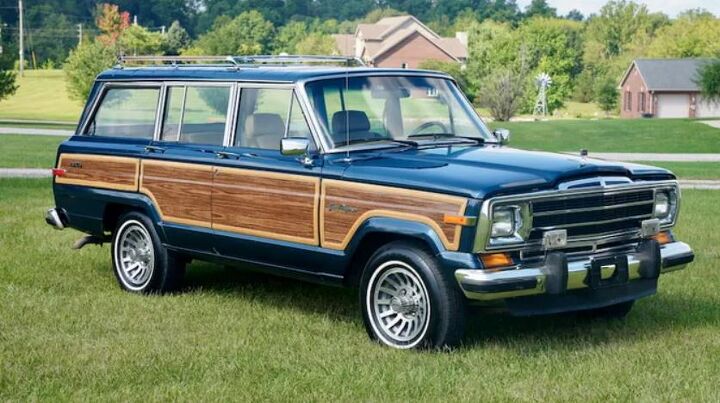
We last left the Jeep Wagoneer at a branching point in 1984, where the SJ Wagoneer Limited was rebranded as the Grand Wagoneer, and the new XJ Cherokee donned some fancy trim and became the base trim Wagoneer and upmarket Wagoneer Limited. AMC’s desired outcome was for the XJ Cherokee to replace the SJ in all ways, and send the old Wagoneer off into the sunset. While that strategy worked for the Cherokee models, buyers were not keen on the expensive and compact XJ Wagoneer. Sales of the new Wagoneer never hit 25,000 in a year and dropped off quickly. Meanwhile, AMC was forced to continue selling the old and outdated but profitable Grand Wagoneer.
Rare Rides Icons: The Jeep Wagoneer, The First Luxury SUV Ever (Part X)

Jeep had its only all-new product debut since the Sixties when it introduced the compact XJ Cherokee in 1984. Designed with packaging and fuel efficiency in mind, the unibody Cherokee was a departure from the way SUVs were traditionally designed. Also launched with the new Cherokee range was an all-new Wagoneer.
Rare Rides Icons: The Jeep Wagoneer, The First Luxury SUV Ever (Part IX)
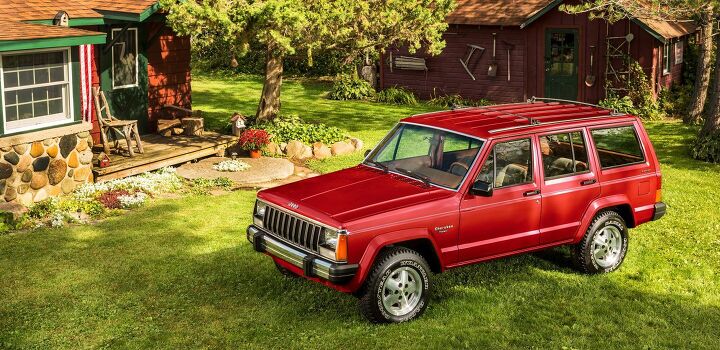
As we learned in our last Wagoneer installment, the SJ weathered the storm of the first (1973) and second (1979) oil shocks. The latter of which forced AMC to reinstall an inline-six and a manual transmission into its luxurious utility wagon barge, to advertise a lower cost of entry and better fuel economy figures. After more than 20 years, AMC was ready to move on from the Wagoneer entirely, and had a plan to do so which it implemented in 1984. Welcome to the new XJ.
Rare Rides Icons: The Jeep Wagoneer, The First Luxury SUV Ever (Part VIII)

We return to our Wagoneer coverage today at a turning point in the greater automotive market. The introduction of the lower-priced Jeep Cherokee in 1974 allowed Jeep to push the Wagoneer into more luxurious territory, an effort cemented by the arrival of the Limited trim in 1978.5. A few months later all Jeep vehicles were restyled with a new front clip, bringing the lineup to a more cohesive and modern appearance for the ‘79 model year. But world events during 1979 would change the course of automotive history and pull the rug from under the Wagoneer in some ways.
Rare Rides Icons: The Jeep Wagoneer, The First Luxury SUV Ever (Part VII)

After their purchase of Jeep in 1970, American Motors began diversification of the newly acquired brand’s product line. The company saw the potential in Jeep for a much broader offering of passenger utility vehicles: Utility wagons, recreational utility vehicles, and trucks. The former two would gradually converge together in nomenclature to be called SUVs, a term Jeep created in 1974 when it marketed the new Cherokee (an SJ Wagoneer derivative). Part of the product diversification was refinement of the Wagoneer platform and experimentation with luxury trims after the Super Wagoneer failed to see much success. In 1978 AMC launched a new luxurious Wagoneer trim, and this time it worked.
Rare Rides Icons: The Jeep Wagoneer, The First Luxury SUV Ever (Part VI)
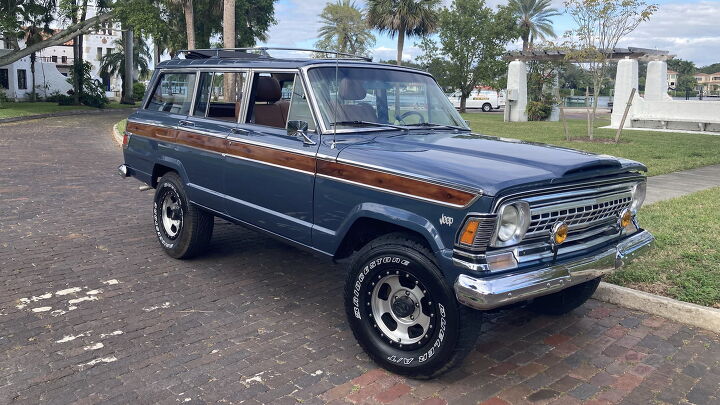
In our last Wagoneer installment of Rare Rides Icons, we began the journey through the frequent and sometimes confusing updates Jeep made to its flagship utility wagon. Edits to the SJ Wagoneer began in 1964 and continued through the end of its life at the 1991 model year. However, the most important change to the Wagoneer occurred as a side-effect of Jeep’s ownership. We pick up in early 1970.
Rare Rides Icons: The Jeep Wagoneer, The First Luxury SUV Ever (Part V)
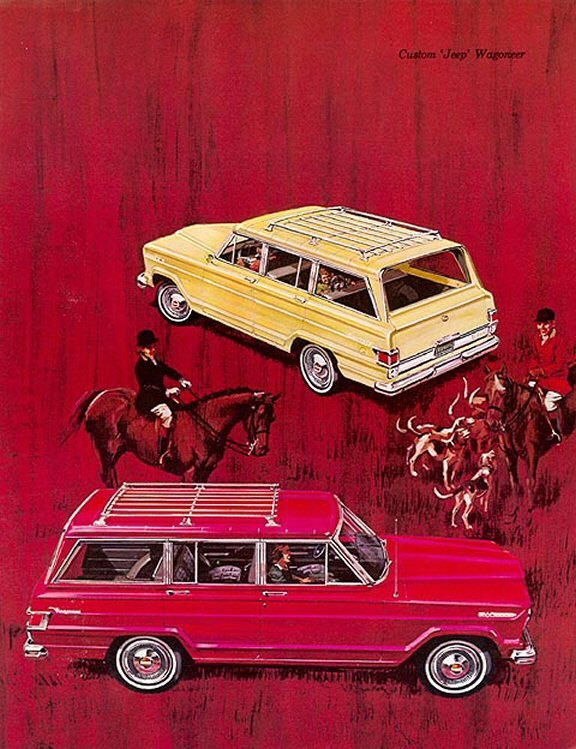
The Jeep Wagoneer had an unusually long run for a passenger automobile, and successfully spanned across four decades. Though it was in production from the Sixties into the Nineties, the SJ Wagoneer had but one generation. As mentioned in the last entry where we covered the original interior details, there were many changes inside, outside, and underneath through the decades. Oh, and Wagoneer invented the luxury SUV in 1966.
Rare Rides Icons: The Jeep Wagoneer, The First Luxury SUV Ever (Part IV)
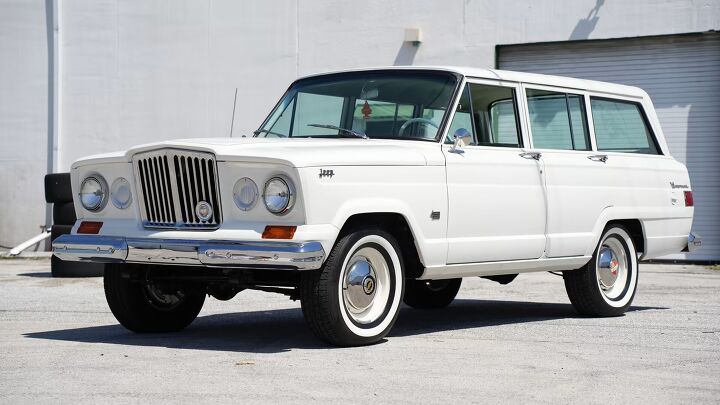
As we reviewed in our last installment, the exterior design of the Jeep Wagoneer was a notable thing at its debut in 1963. The design emphasized its wagon nature rather than its truck underpinnings, which set it apart from the competition. Like the exterior, the interior was designed with daily livability in mind and was less basic and utilitarian than contemporary utility wagons.
Rare Rides Icons: The Jeep Wagoneer, the First Luxury SUV Ever (Part III)
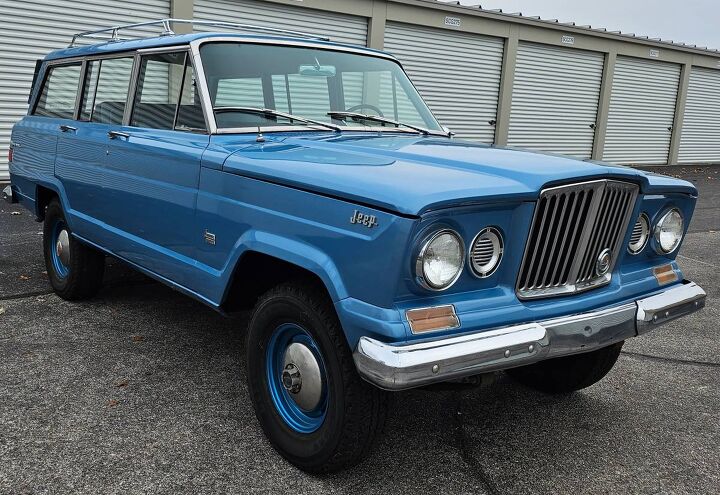
The Jeep Wagoneer debuted in 1963 as a new kind of utility wagon, designed with everyday ease of use and practicality in mind ( Part I). As a midsize truck, it was smaller and had better handling than its competition. Wagoneer even featured an automatic transmission on four-wheel drive models, a novelty at the time ( Part II). But perhaps most important for its success was the clean-sheet design of its wagon body.
Rare Rides Icons: The Jeep Wagoneer, the First Luxury SUV Ever (Part II)
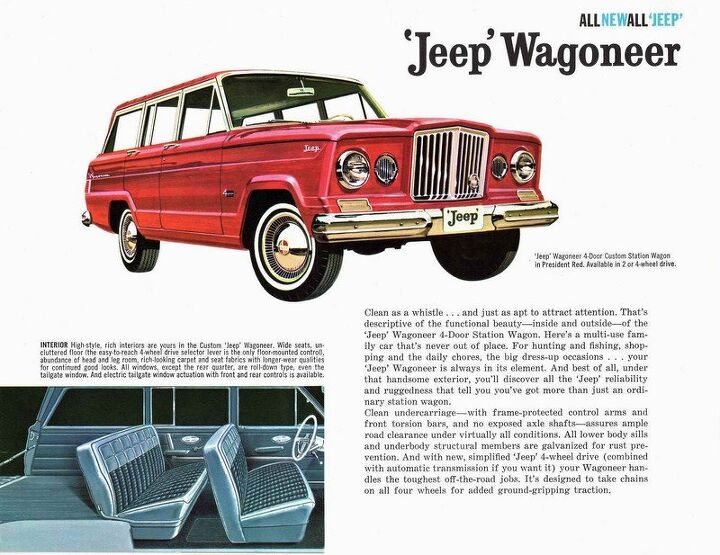
We return to the Jeep Wagoneer (here’s Part I) this week for a dive into its chassis, running gear, and other particulars. From the get-go the Wagoneer was designed with families in mind: It was slightly smaller than competition from Suburban and Travelall, lower to the ground, easier to get in and out of, and better equipped as standard. Jeep built the Wagoneer as an advancement of its Station Wagon product from the Forties, but was a clean sheet design with some very innovative thinking behind it.
Rare Rides Icons: The Jeep Wagoneer, the First Luxury SUV Ever (Part I)
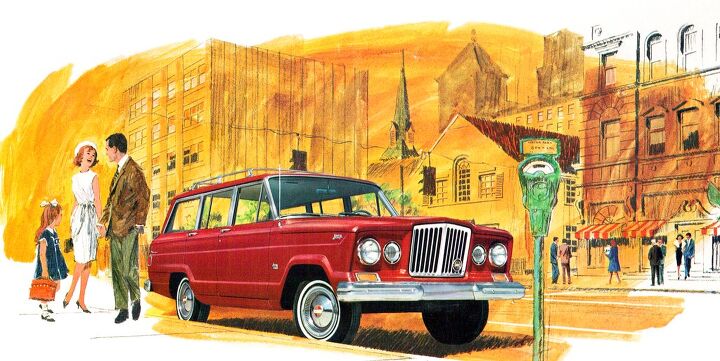
The original Jeep Wagoneer persisted over two decades, and was produced by three different owners of Jeep as it became an SUV icon known around the world. As the largest SUV of the Jeep brand, it began with simple utilitarian roots like all off-road vehicles of the time. Eventually it was edited, updated, and glossed into the first true luxury SUV the world had ever seen. Unlike most of our Rare Rides Icons the Wagoneer persists today, but as a very different kind of vehicle than it originated. We begin in the Forties, with a station wagon.
Rare Rides Icons: The Cadillac Eldorado, Distinctly Luxurious (Part LXXXVI)
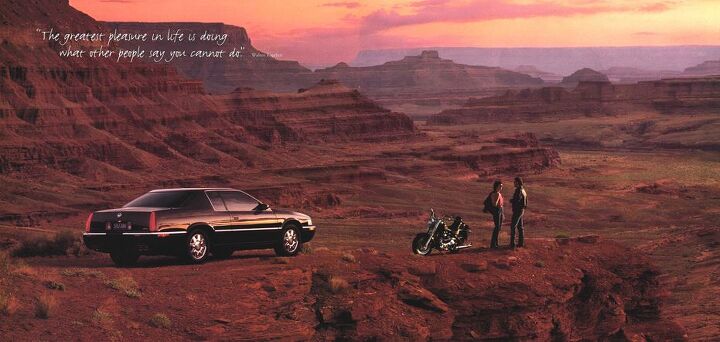
The late Nineties were a rough time at Cadillac. A new DeVille didn’t catch customers like the old one, the large traditional Cadillac Fleetwood was discontinued, and the Eldorado was on life support. The brand’s lone bright spot as far as appeal was the Seville/STS. Today we pick up in 1997 and conclude our Rare Rides Icons coverage of the Cadillac Eldorado. It's the end of a long road.
Rare Rides Icons: The Cadillac Eldorado, Distinctly Luxurious (Part LXXXV)
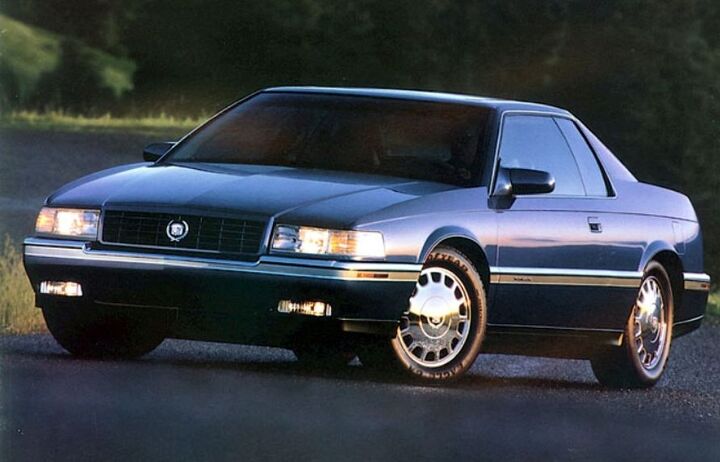
Cadillac’s hope of increasing sales via the exciting new Seville and Eldorado in 1992 didn’t quite pan out, as the rest of the lineup’s aging status meant sales remained flat at 221,112 cars. In 1993 things were a bit worse as several models concluded their tenure in the lineup, and sales slipped to 214,807 vehicles. Surely 1994 with the launch of a new DeVille would be a stellar year! Let’s see.
Rare Rides Icons: The Cadillac Eldorado, Distinctly Luxurious (Part LXXXIV)
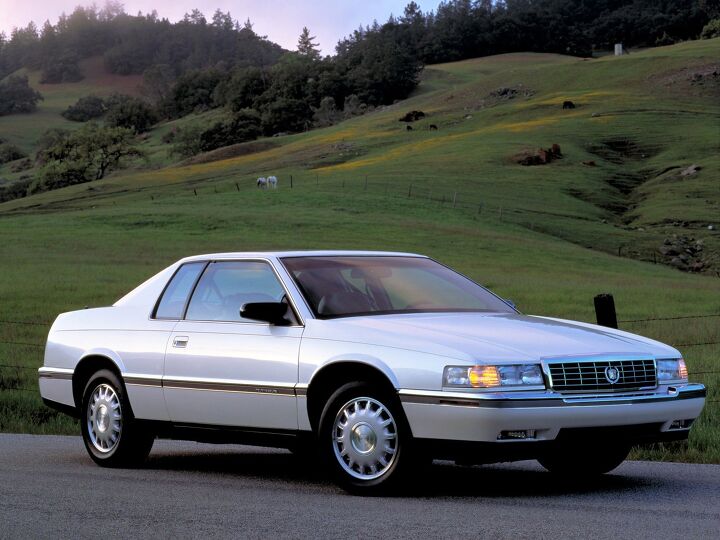
After 12 generations and an impressive 50-year run, the very last Cadillac Eldorado rolled off the line on April 22, 2002. When the Eldorado bowed out it stood as the last of an old, previous style of Cadillac products. Its styling was no longer worn by any of the other vehicles in the lineup, and Eldorado was sold alongside models that had been replaced twice since it launched in 1992.
Rare Rides Icons: The Cadillac Eldorado, Distinctly Luxurious (Part LXXXIII)
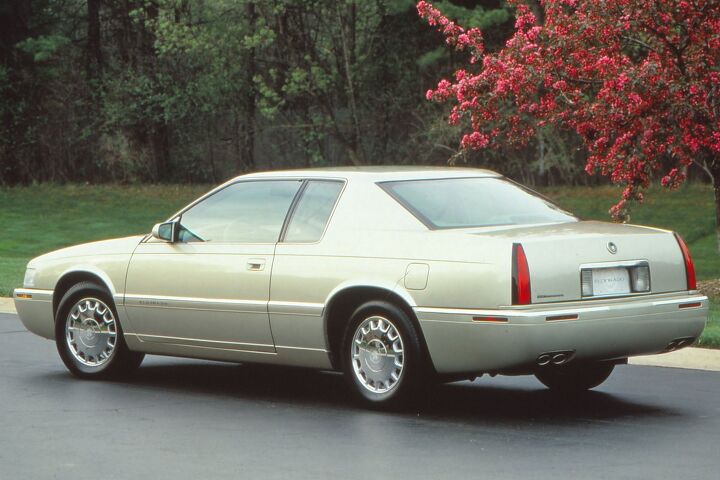
After its exciting launch in 1992 as a twelfth-gen model, the Cadillac Eldorado began the decade-long march to its demise. The exterior design that drew criticism from its contemporary audience was updated in 1995 for the first and only time. And while that made the coupe look more modern (no more hood ornaments), the Eldorado was already behind the rest of the lineup in terms of looks. This would persist through the rest of its run, as the brand’s entire portfolio was updated with new models while the Eldorado remained in stasis.
Rare Rides Icons: The Cadillac Eldorado, Distinctly Luxurious (Part LXXXII)

The Cadillac Eldorado that debuted in 1992 would end up as both the model’s final generation, and the longest lived. Both of those data points were driven by the consumer’s lack of love for the personal luxury coupe: It was a segment well in decline by the mid-Eighties. The ‘92 debuted to very mixed reviews of its mishmash exterior styling, and its interior included strange design choices and was not up to par with the competition. Starting in 1993 Cadillac began making strategic updates to keep the Eldorado limping along before it headed off into the sunset. Did you know there were three Eldorados in 1993?
Rare Rides Icons: The Cadillac Eldorado, Distinctly Luxurious (Part LXXXI)
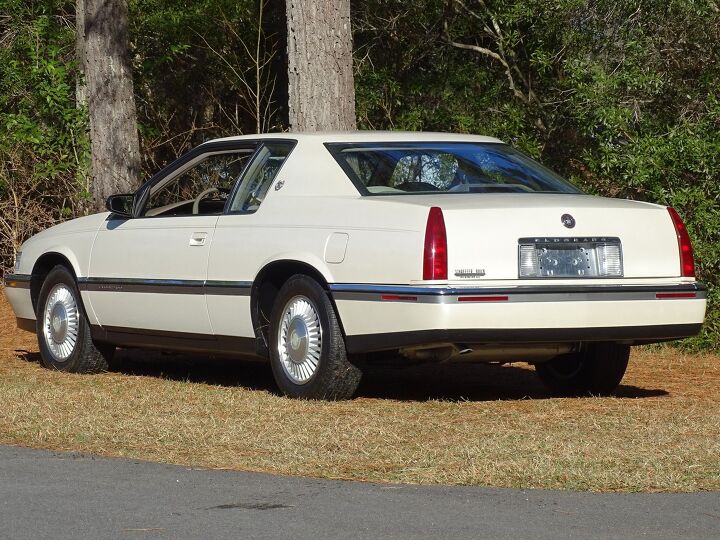
Last week we reviewed the exterior of the “all-new” Cadillac Eldorado of 1992. Though the body was indeed new on the outside, bones underneath were the same as the old one: the platform, wheelbase, and engine were all carried over from the ‘91. While the exterior proved a messy mixed bag of new, old, and throwback design cues, the interior was a more solid step forward. It was apparent even from a casual glance that GM wanted to be taken more seriously as a competitor to established European marques. But the devil is in the details, as they say.
Rare Rides Icons: The Cadillac Eldorado, Distinctly Luxurious (Part LXXX)

In 1992 a new Eldorado debuted alongside the flagship Seville, as both models ushered in a new era of styling for Cadillac. With the promise of more technology, luxury, and refinement than ever, Eldorado was supposed to look forward. However, the past was firmly on the mind of Cadillac’s designers as they penned the Eldorado’s exterior.
Rare Rides Icons: The Cadillac Eldorado, Distinctly Luxurious (Part LXXIX)
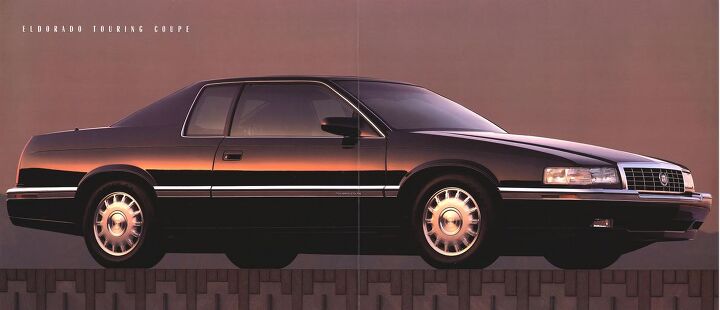
Cadillac introduced what would be the final generation Eldorado - the twelfth - amid a flurry of product activity and a vision of brand rebirth. When it debuted in 1992 alongside a new Seville, both models previewed what the brand would look like moving forward: angular, European-inspired, and altogether less baroque than outgoing models. The Northstar was supposed to power these new flagships, but alas it was not ready and the new models fell back on the trusty 4.9-liter V8. Like the carryover engine, the new Eldorado was more similar to the old one than it appeared.
Rare Rides Icons: The Cadillac Eldorado, Distinctly Luxurious (Part LXXVIII)
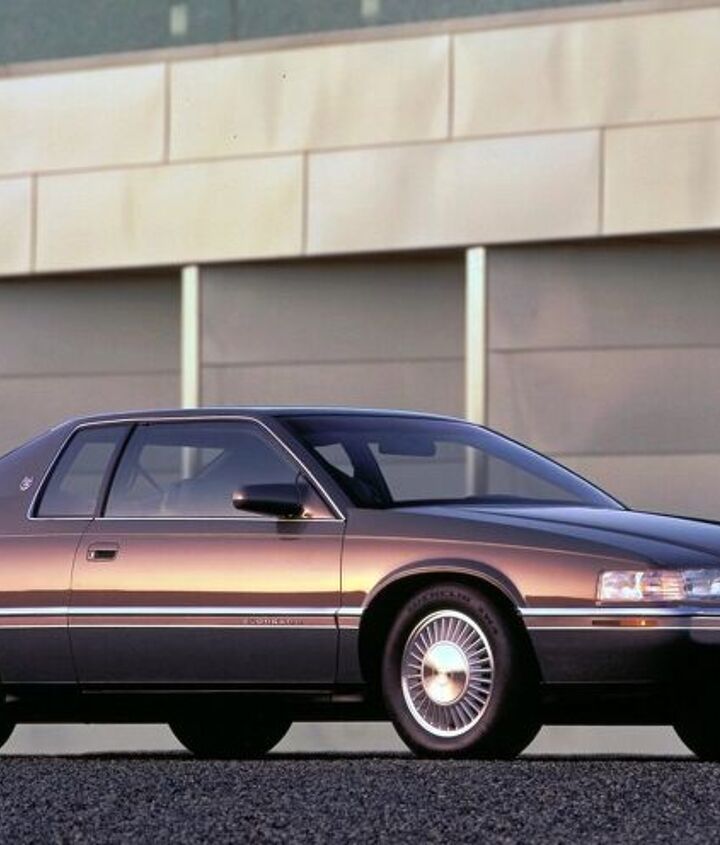
Cadillac’s sales fell precipitously after the brand downsized all of its vehicles in 1985 and 1986. Once the downsizing transformation was complete, sales fell by over 100,000 units and continued to decline through 1991. In 1992 the company began the attempt to rework its image (again), shed the design cues of the past, and appeal even more to the mythical “Euro intender” customer who could theoretically be persuaded into a Cadillac.
Rare Rides Icons: The Cadillac Eldorado, Distinctly Luxurious (Part LXXVII)
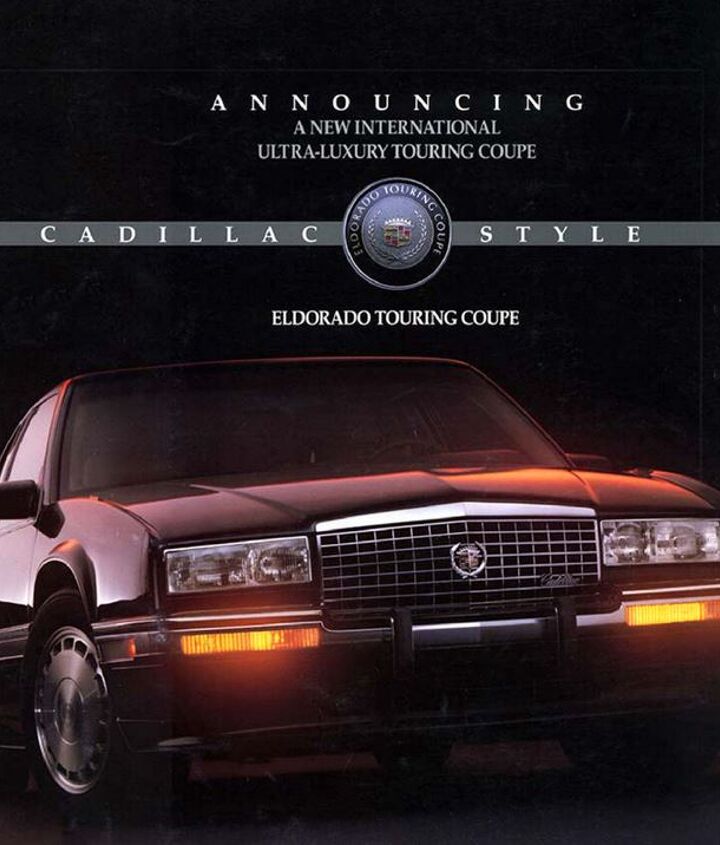
After a stellar sales year in 1985 with a partially downsized product range, Cadillac sales promptly fell by over 100,000 units in 1986. The debut of the exciting new Allanté in 1987 did not act as a halo for the brand as intended, and the roadster managed only 3,363 sales its first year. Would 1988 be the year Cadillac rebounded? Not quite.
Rare Rides Icons: The Cadillac Eldorado, Distinctly Luxurious (Part LXXVI)
The eleventh generation Eldorado got more exciting as it neared its end with reintroduction of the Eldorado Touring Coupe in 1990. The sporty Euro-inspired model had inexplicably gone missing after 1985. The big news for its final outing in 1991 was the new 4.9-liter V8, which just about brought engine standards to where they should have been circa 1986. These changes and the shuffling of the other models in the brand’s portfolio were all an effort to bump Cadillac’s sales figures during a difficult time.
Rare Rides Icons: The Cadillac Eldorado, Distinctly Luxurious (Part LXXV)
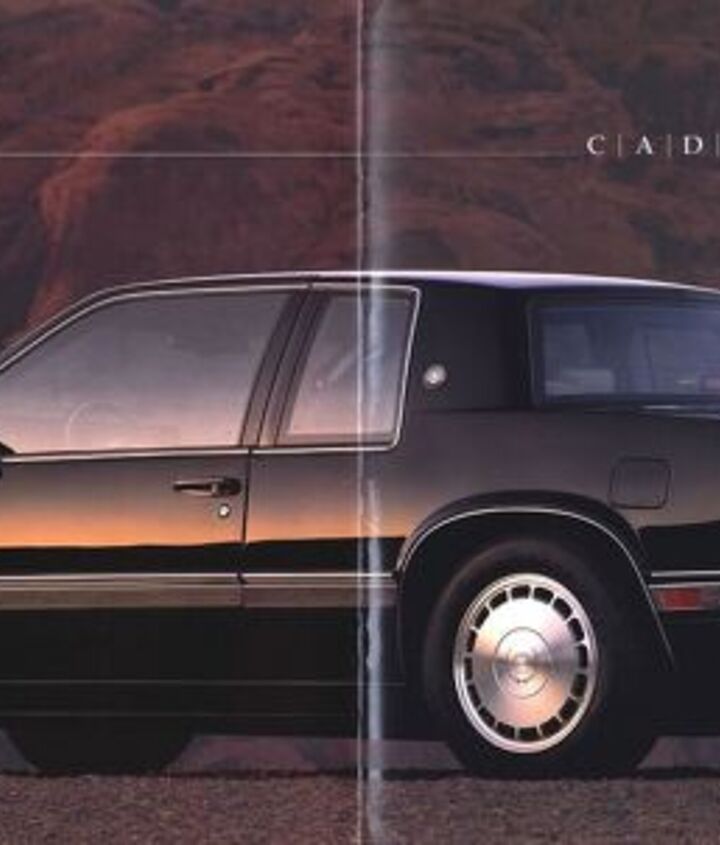
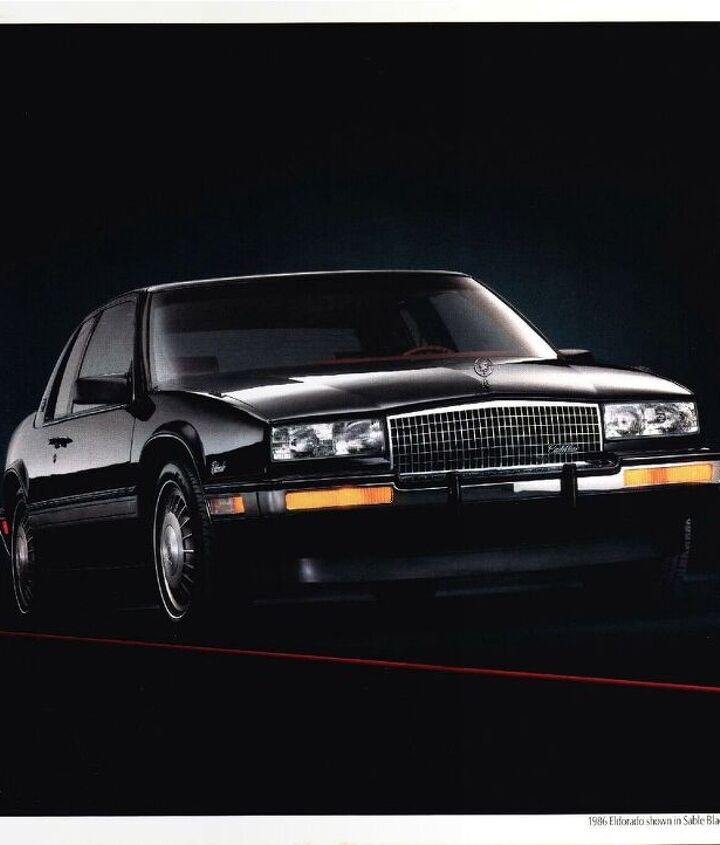
The downsized Cadillac Eldorado appeared in 1986 in its smallest ever iteration with the HT4100 V8. Within two years it shed the troublesome engine in favor of the (HT4100 derived) 4.5-liter V8 and received a visual update that made it longer and more Cadillac-like. It was also dethroned during that period as the brand’s halo two-door, as the Allanté arrived in 1988 as GM’s super expensive competitor to the Mercedes SL. The 1989 model year brought a few new features and a revision of vinyl roof configurations, but the really exciting edits arrived in 1990.
Rare Rides Icons: The Cadillac Eldorado, Distinctly Luxurious (Part LXXIV)
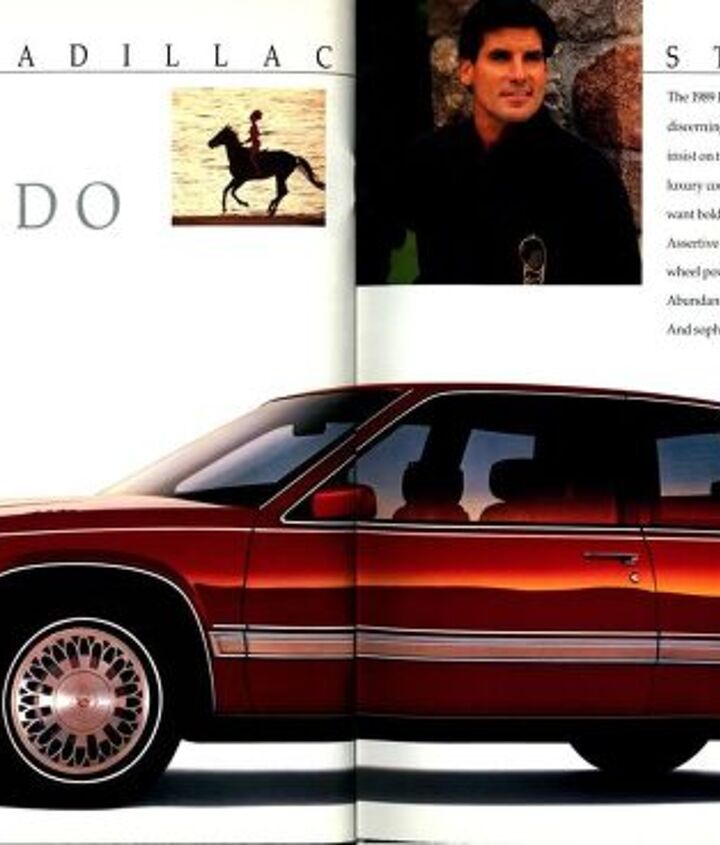
When Cadillac introduced the freshly downsized Eldorado for the 1986 model year, the brand was riding a wave of success. When the majority of the line downsized in 1985, Cadillac experienced its best sales year ever. It was also the best year ever for the Eldorado as it was snapped up by customers before its larger traditional shape headed into the sunset. By the conclusion of 1986, the bloom fell off the sales rose: Sales dipped by over 100,000 units brand-wide, and Eldorado sales were down nearly 79 percent. Revisions to the Eldorado were needed pronto.
Rare Rides Icons: The Cadillac Eldorado, Distinctly Luxurious (Part LXXIII)
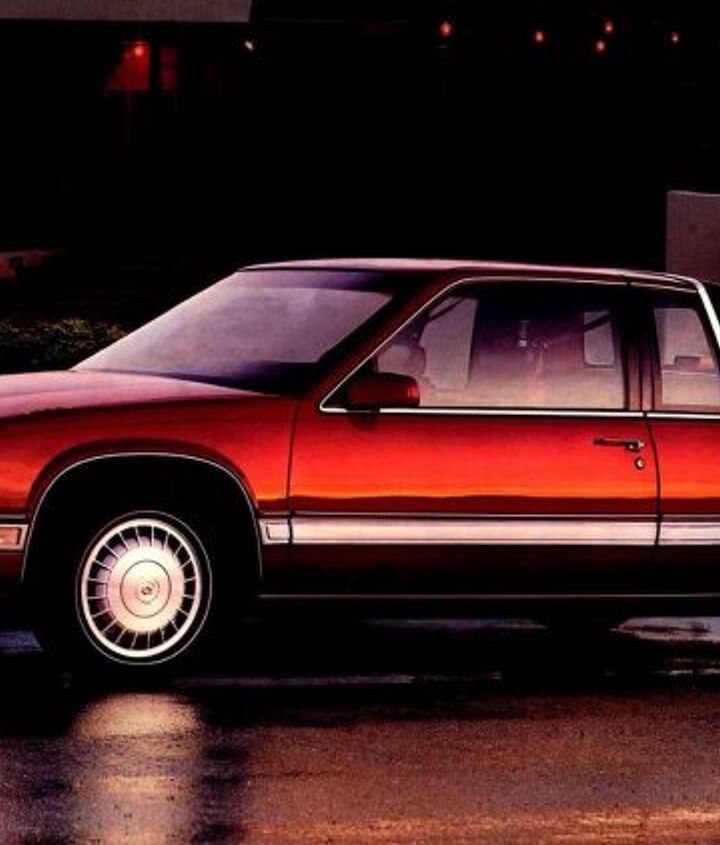
The Eldorado’s 11th generation debuted in 1986 with downsized styling in line with the rest of Cadillac’s portfolio, save the lone rear-drive Fleetwood Brougham. The smaller coupe (sans convertible version from 1986 onward) was newly very similar in looks to its platform mates the Oldsmobile Toronado and Buick Riviera. And like the other two, it implemented a new transverse engine layout. Said layout paid dividends in the interior, where Cadillac promised just as much space as the outgoing Eldorado. But boy did it look different inside.
Rare Rides Icons: The Cadillac Eldorado, Distinctly Luxurious (Part LXXII)
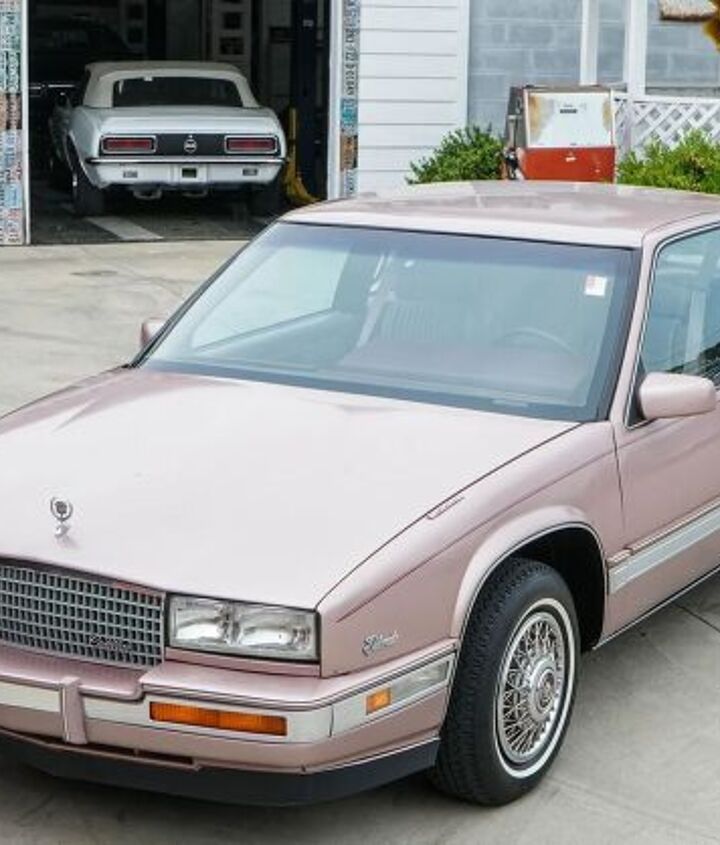
As covered in our previous installment, Cadillac unveiled the new and very downsized Eldorado coupe for 1986. Both it and its sibling the Seville received new designs in line with the rest of Cadillac’s offerings (save Fleetwood Brougham) that were previously downsized for the second time in 1985. The lineup was down to when early 80s GM management bet the farm on projected high gasoline prices that did not come to fruition. Today we’ll take a look at what the shrinkage meant for Eldorado’s exterior styling that no longer came with length.
Rare Rides Icons: The Cadillac Eldorado, Distinctly Luxurious (Part LXXI)

In our prior installment of the Cadillac Eldorado’s saga, we saw the last full-sized Eldorado bow out at the conclusion of 1985. A holdout alongside the bus…
Read more
Rare Rides Icons: The Cadillac Eldorado, Distinctly Luxurious (Part LXX)

We rejoin our Eldorado coverage today at a turning point for Cadillac’s lineup. The brand’s first downsizing effort in 1977 worked wonders for sales and proved to be exactly what consumers wanted: A slightly smaller yet still grandiose vehicle with a large V8. The second downsizing effort embarked upon in 1985 would be looked upon much less fondly after the fact. But is that hindsight feeling reflected in the sales figures?
Rare Rides Icons: The Cadillac Eldorado, Distinctly Luxurious (Part LXIX)

The tenth generation Cadillac Eldorado was launched to great fanfare in 1979 and saw its sales figures fly higher than ever. Also buoyed was the Cadillac brand as a whole, which downsized its lineup at the right time and brought forth its first midsize - Seville - to great effect. As a result the brand managed its all-time sales record in 1979 of 381,113 cars.
Never to be matched again, 1980 was a turning point in Cadillac’s fortunes. The economy, inflation, and a poor job market caused a downward slide for GM’s most prestigious marque. That year sales declined by 55.8 percent, to 213,002 in total. Not to worry though, Cadillac had prepared a new type of engine to hit the competition where it hurt the most. The V8-6-4!
Rare Rides Icons: The Cadillac Eldorado, Distinctly Luxurious (Part LXVIII)

The tenth generation Cadillac Eldorado proved a breath of fresh air over its long-lived and bloated predecessor. When the old car bowed out at the conclusion of 1978 it was amidst big changes in the domestic luxury car market, and indeed in the car market in general. The oversized enormous 225-inch American car had come to its end via market and regulatory pressures.
Competition from Europe was also ever-hotter and demanded more Continental-style automobiles. To that end (and prior to screwing up its entire lineup, more on that in future) the Eldorado of 1979 was svelte and crisp, and even added a Touring Coupe trim for further European cred. Let’s see how Cadillac’s sales fared at the end of its market dominating era.
Rare Rides Icons: The Cadillac Eldorado, Distinctly Luxurious (Part LXVII)

In the subsequent years following the tenth generation Cadillac Eldorado’s debut in 1979, GM’s engineers and emissions regulations joined forces to mandate updates to the brand’s expensive coupe. Advancements like electronic fuel injection and more modern digital displays that were a plus balanced against negatives like a V6 engine, a diesel, the V8-6-4 failure, and 6.0-liter V8 engines that produced just 145 horsepower. The Eldorado kept selling meanwhile, and Eldorado’s adjustments through the end of its run shifted more towards trim and the illusion of “sportiness” the affluent luxury car buyer of the Eighties desired so much.
Rare Rides Icons: The Cadillac Eldorado, Distinctly Luxurious (Part LXVI)

The tenth generation Eldorado was updated in almost every way over its predecessor, turning the model into a much more modern personal luxury coupe in 1979. Our previous two Rare Rides installments reviewed the new-for-1979 Eldorado’s sleek exterior and its interior accommodations. After its debut, American car manufacturers’ tradition dictated it would be visually updated annually to keep sales flowing, but GM had other ideas.
Rare Rides Icons: The Cadillac Eldorado, Distinctly Luxurious (Part LXV)

The sleek and svelte tenth generation Cadillac Eldorado debuted in 1979 with a whole new exterior appearance, which we reviewed in our previous entry. As it happened, the illustrious coupe would end up one of the last nicely styled vehicles to come from GM for quite some time. Before we explore the Eldorado’s interior, we take a quick diversion to GM’s sudden change in design ethos. With new and very different leadership at the helm, it was the dawn of a new stylistic era.
Rare Rides Icons: The Cadillac Eldorado, Distinctly Luxurious (Part LXIV)

In our previous installment, Cadillac introduced the tenth generation Eldorado coupe of 1979. The new car was smaller in all dimensions, 900 pounds lighter, and wore very different styling to its predecessor. The changeup was necessary, as Eldorado ventured into a PLC market fundamentally different to the one the enormous and boaty ninth-gen Eldorado occupied between 1971 and 1978. For the second time in its history Eldorado was a clean break design, and attempted to return to the sharp angles and simple lines it wore in 1967.
Rare Rides Icons: The Cadillac Eldorado, Distinctly Luxurious (Part LXIII)
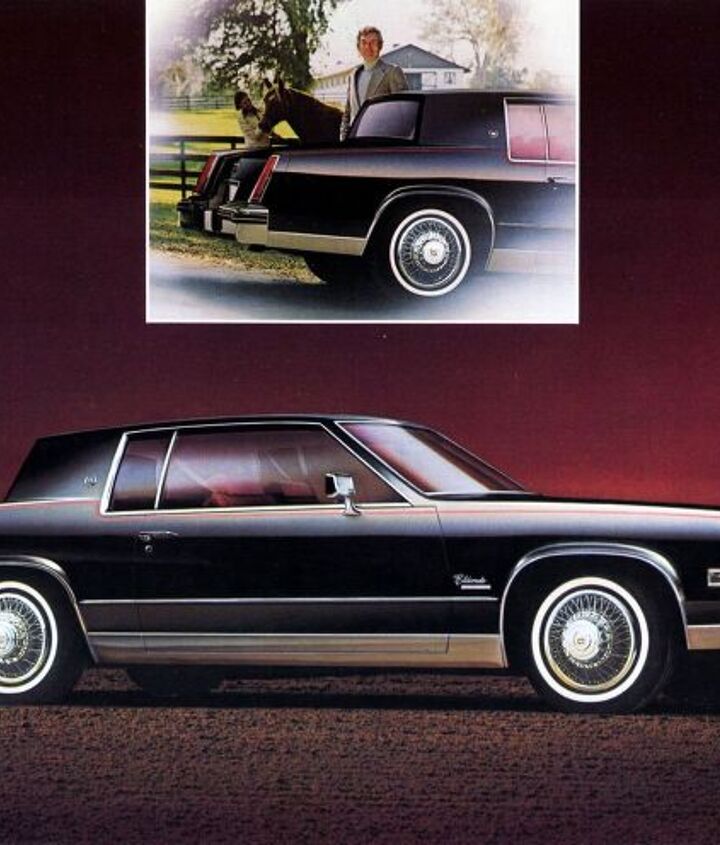
In 1979, Cadillac launched the tenth generation Eldorado into a changing car market. The Eldorado was Cadillac’s last model to downsize, after the rest of the brand bowed to the interests of fuel economy and cleaner styling in 1977. There was of course another big downsizing coming in just a few years, but nobody was focused on that yet. It was time to enjoy a thoroughly modernized, smaller, and more electronic Eldorado coupe.
Rare Rides Icons: The Cadillac Eldorado, Distinctly Luxurious (Part LXII)
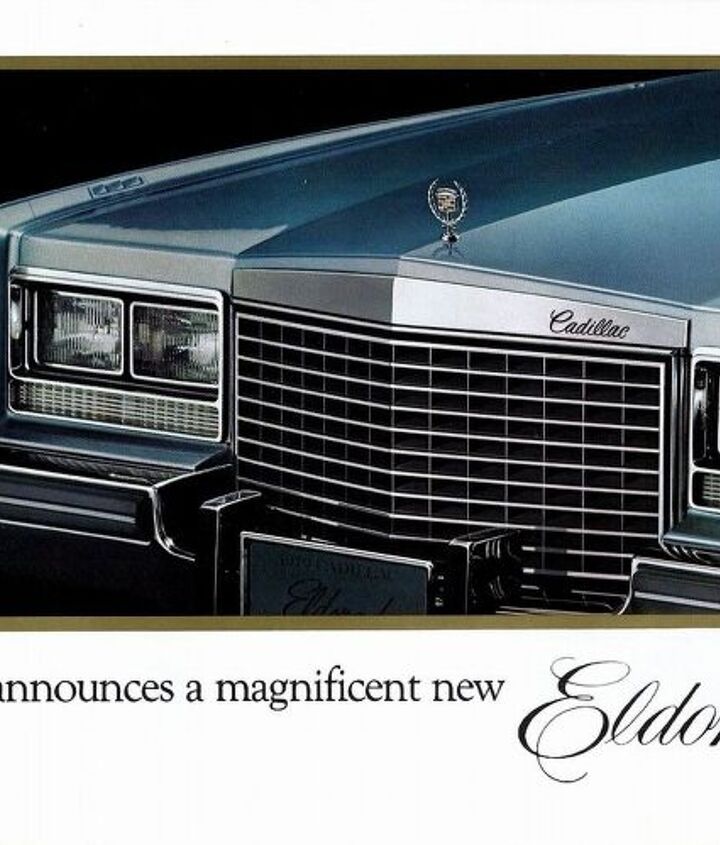
In our last entry, Cadillac waved a tearful goodbye to the full-size Eldorado at the conclusion of 1978. The model lasted two additional years after the rest of the Cadillac lineup was downsized for 1977, as GM prepared to modernize the E-body platform that dated to 1966. The ninth generation had a very successful run that began in 1971, and improved its sales figure steadily throughout its tenure. But a new automotive world was dawning at the end of the Seventies, and the Eldorado needed to change to stay competitive. Let’s dive into automotive market context.
Rare Rides Icons: The Cadillac Eldorado, Distinctly Luxurious (Part LXI)

In our last installment, we wrapped up the ninth generation Eldorado’s run in 1978. With expanded Custom Biarritz and Custom Biarritz Classic trims turning the coupe into a celebration of festoonery, change was in the wind at Cadillac. Let’s take a look at Cadillac’s impressive sales figures and model pricing between 1971 and 1978.
Rare Rides Icons: The Cadillac Eldorado, Distinctly Luxurious (Part LX)
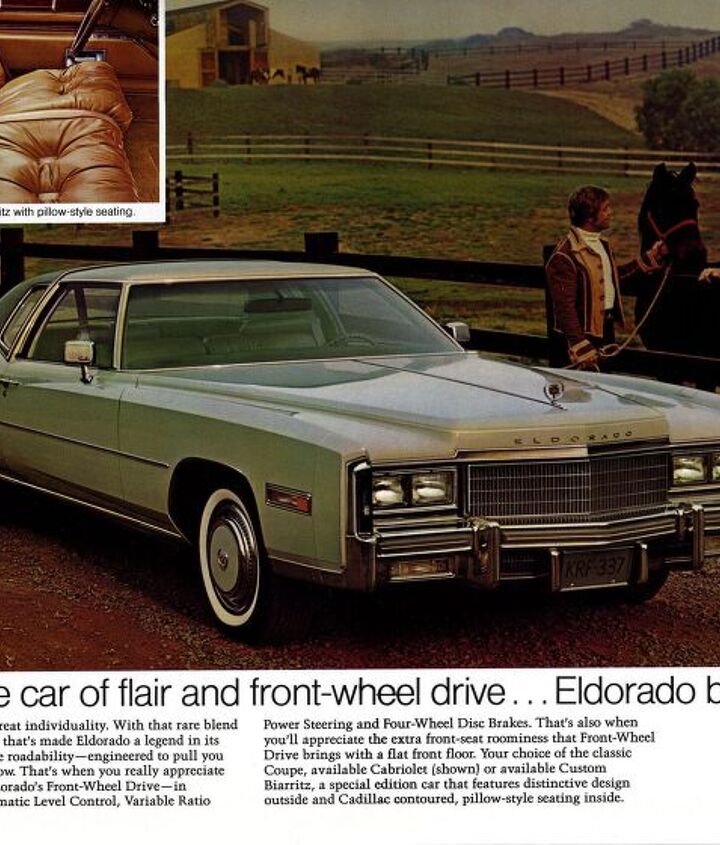
The ninth generation Eldorado was the subject of continual revisions and additional trim during its eight-year tenure from 1971 to 1978. We began with the first edits through 1973 and then explored 1974 through 1976 when the Eldorado shed its round headlamps and its convertible variant. It was the last domestic convertible at a time when consumer interest in them was at a low point, but Cadillac’s marketing people made quite a hubbub about its departure. The following year was a new era across the line at Cadillac, except for the elderly Eldorado.
Rare Rides Icons: The Cadillac Eldorado, Distinctly Luxurious (Part LIX)
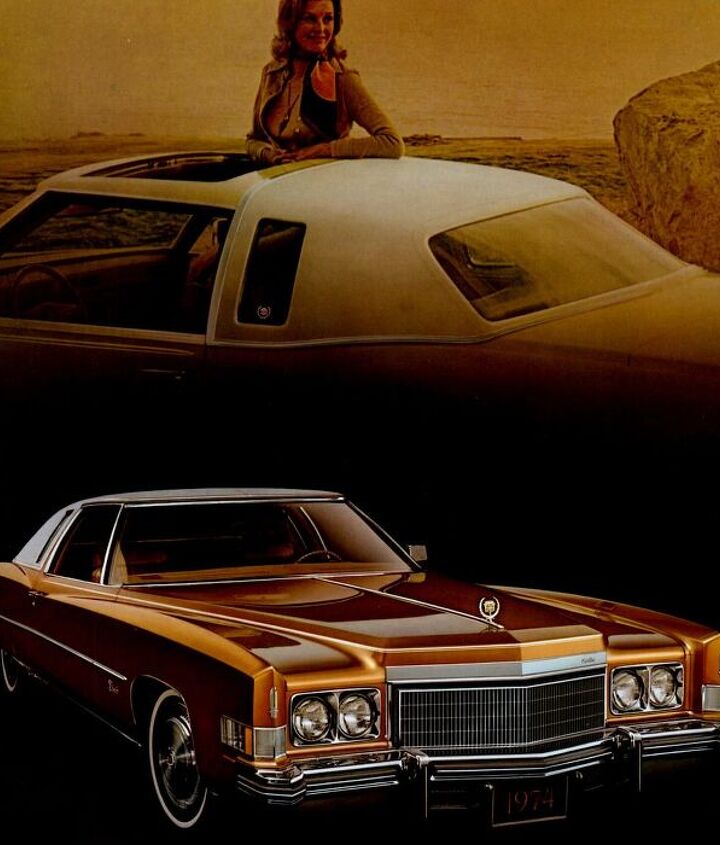
We return to Eldorado coverage in the middle of the ninth generation’s eight-year run. The large and boaty iteration of the Eldorado debuted in 1971, and in 1973 its looks and placement within the product lineup were reworked. No longer a Fleetwood designated vehicle, the Eldorado stood on its own as it progressively became heavier, more trimmed, and larger than ever. Warning: This post contains facts that disagree with the rest of the internet.
Rare Rides Icons: The Cadillac Eldorado, Distinctly Luxurious (Part LVIII)
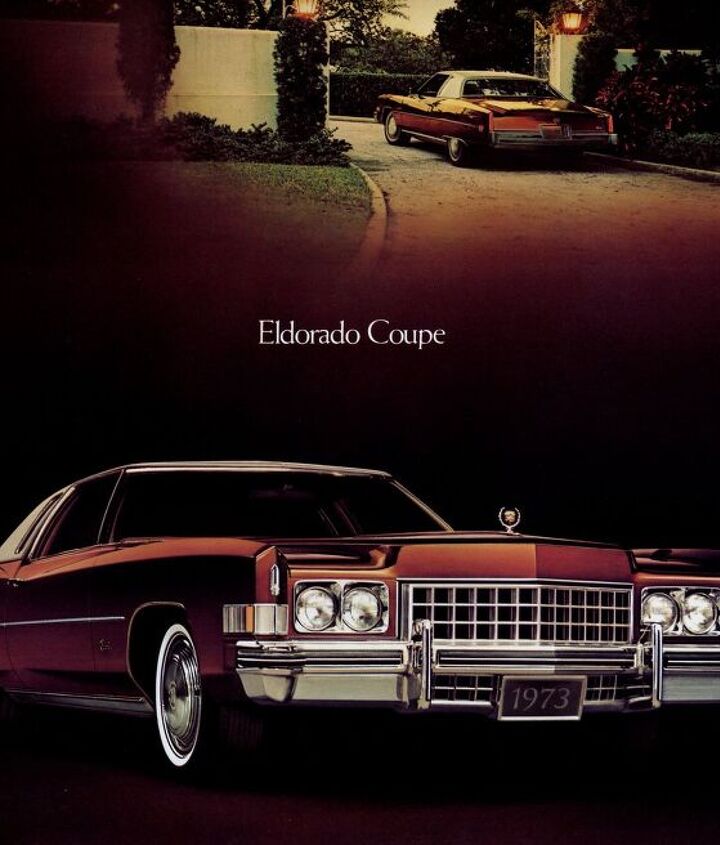
Returning to Cadillac Eldorado coverage today, we find ourselves at the start of the many revisions made to the ninth-generation model. Our previous installments reviewed the boaty corporate-compliance exterior styling compared to the old model, followed by an interior that was in theory “all-new” but looked like a cost-cut version of the eighth generation’s interior treatment. Whether customers would notice or care about these diversions from the Eldorado’s mission and previous greatness remained to be seen. As soon as the ninth-gen went on sale, Cadillac’s designers knew it was time for annual revisions to keep things exciting!
Rare Rides Icons: The Cadillac Eldorado, Distinctly Luxurious (Part LVII)
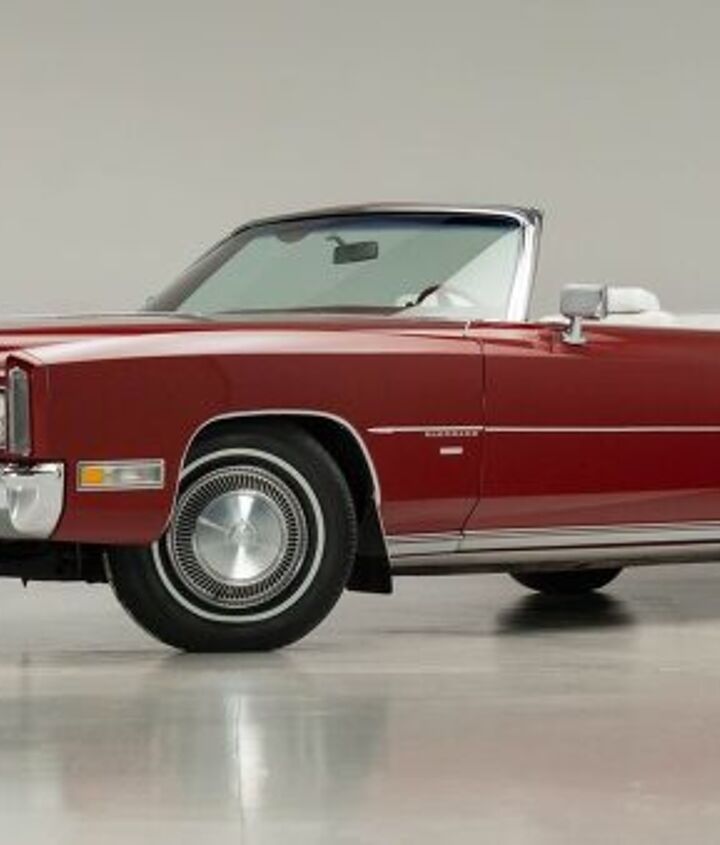
The Fleetwood Eldorado was all new for 1971, as the model stepped away from sporting pretensions and leaned into the burgeoning brougham and luxury tastes of American consumers. As we saw in our last installment, the angular late Sixties look of the Eldorado (lauded by almost everyone) was replaced with a curved and bloated shape which grew in all dimensions over its predecessor. Today we take a look at the lavish interior accommodations of the 1971 model and talk about cost cutting.
Rare Rides Icons: The Cadillac Eldorado, Distinctly Luxurious (Part LVI)
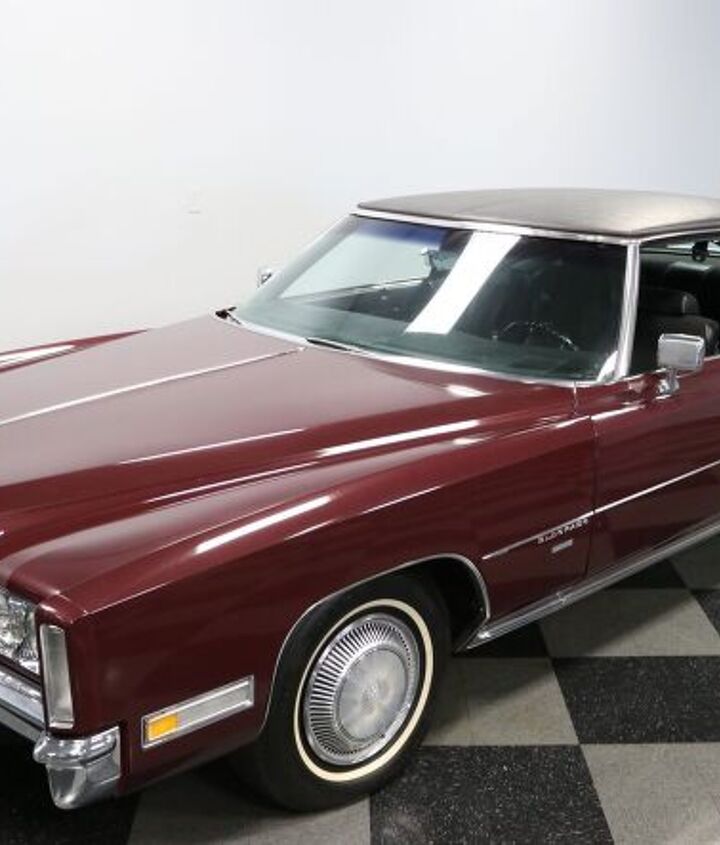
In 1971 the Cadillac product lineup featured all-new styling, as the brand exited its era of clean lines and minimized chrome ornamentation. As we reviewed in our last installment, weight, cubic inches, and length measurements all ballooned over where they were the prior decade. At the same time, emphasis on build quality and brand differentiation within the GM portfolio began to decline. For the Eldorado’s part, it slipped into a new disco suit that lost its sleekness and sporting appeal. Its new looks in 1971 favored styling that was in line with the brand’s other offerings and was more garish and decadent like the competition from Lincoln.
Rare Rides Icons: The Cadillac Eldorado, Distinctly Luxurious (Part LV)
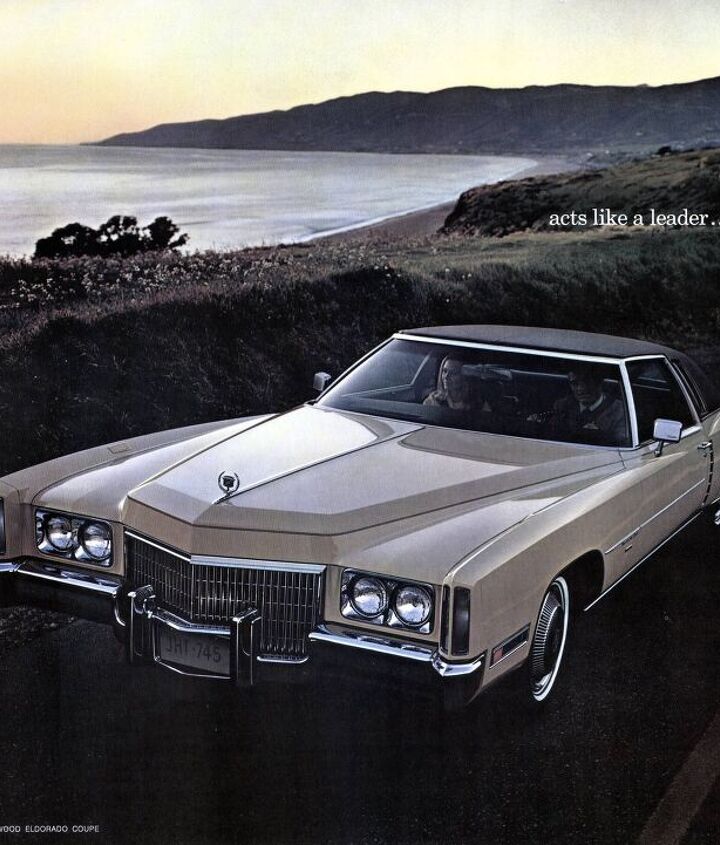
The Cadillac lineup was all-new in 1971, as the brand entered what would be seen later as its decline from the Standard of the World status established (partially via marketing) in 1908. Slab-sided looks of the late Sixties were exchanged for bulbous fenders, and front ends became ever heavier and chromed. Headlamps (aside from Eldorado) were spread apart by a brougham logo, and made for an awkward visual approach. Pointed front corners, a Cadillac design cue since the early Sixties were removed for all models save Eldorado, and used by Pontiac. The Eldorado arrived in its ninth generation and pointed the way forward as Cadillac’s aspirational halo personal luxury coupe and convertible.
Rare Rides Icons: The Cadillac Eldorado, Distinctly Luxurious (Part LIV)

Cadillac saw its sales successes escalate for the entirety of the Sixties, as it absolutely dominated the domestic luxury car market. Faced with lackluster competition from the likes of the conservative and upright Imperial (fuselage design arrived in 1969) or the aging Continental lineup from Lincoln, buyers flocked to Cadillac in droves. Only at the end of the decade did Lincoln get it together when it offered the Mark III as an alternative to the Eldorado and debuted a new (cost-cut) Continental for 1970. For Cadillac, a new era began in 1971 as all its models were replaced and its downhill slide in quality and taste began.
Rare Rides Versus: Lincoln Continental Mark III and Cadillac Eldorado

This new third branch of the Rare Rides series will present two competing vehicles from history head-to-head. Each entry will review the two vehicles’ merits in context of the times: historical reviews, model details, pricing, and that ultimate determination of the winner, sales figures. The first Versus subjects were requested by you, the readers. They are the eighth generation Cadillac Eldorado and the Lincoln Continental Mark III, the very first top-tier American personal luxury coupes.
Rare Rides Icons: The Cadillac Eldorado, Distinctly Luxurious (Part LIII)

The Eldorado’s new looks for 1967 were received very well, and generated immediate sales success for Cadillac’s halo coupe. Eldorado had continually struggled to find anything but a niche customer base since its inception in 1953, but it seemed its time had finally arrived. As discussed in our last entry, both 1967 and 1968 were banner years for the Cadillac brand and Eldorado, and the company broke its overall sales record on both occasions.
In 1968 Cadillac sold 230,003 vehicles, and despite a hefty 11 percent price increase 24,528 of those were Fleetwood Eldorados. 1969 brought new styling across the line, and Eldorado strayed away from its sleek origins. But would customers take notice and shop elsewhere?
(Note: The bearded 18th century man glares angrily at the 1969 Eldorado because it is significantly uglier than the previous year.)
Rare Rides Icons: The Cadillac Eldorado, Distinctly Luxurious (Part LII)
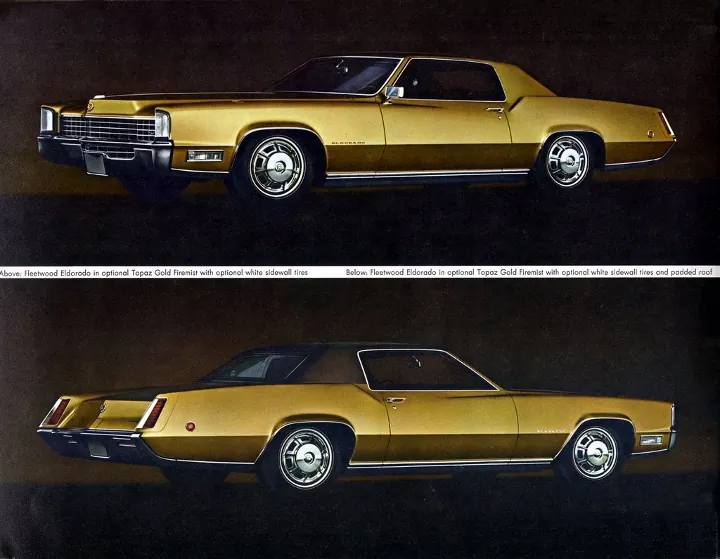
Today we reach the proof in the sales pudding for the eighth-generation Eldorado. The model was a highlight of design and a sales success at a time when the Cadillac brand could do almost no wrong. Though compromised in styling by its final year in 1970, the high-priced front-drive personal luxury coupe was still a sales standout.
Rare Rides Icons: The Cadillac Eldorado, Distinctly Luxurious (Part LI)
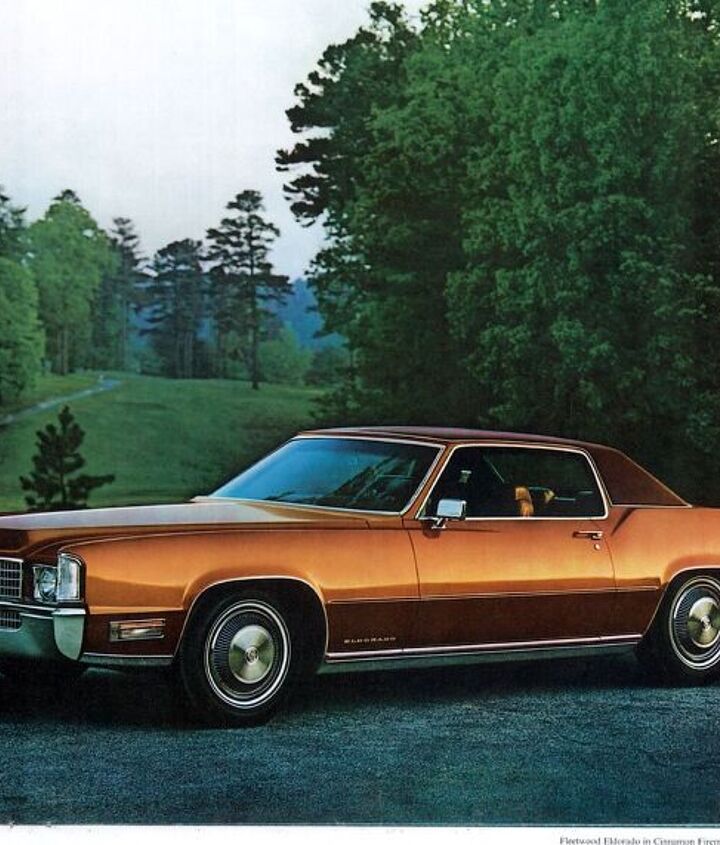
The 1967 Cadillac Eldorado was a styling revelation when it arrived, with front-wheel drive, covered headlamps, and sleek styling devoid of flim-flam. But the original look didn’t last long, as annual styling updates and regulatory changes made their marks immediately. While the 1968 was relatively the same as the ‘67 (with a larger engine), the 1969 version lost its covered headlamps, special ventilated wheel covers, received an ugly reversing lamp, and adopted the corporate dashboard used by the rest of the Cadillac lineup. And there were even more changes on the way for 1970 as the eighth generation prepared to fade away.
Rare Rides Icons: The Cadillac Eldorado, Distinctly Luxurious (Part L)

Today marks the 50th installment of our Rare Rides Eldorado coverage, and would you believe this series started a year and a half ago in August 2023? By 1969 the angular Eldorado stepped away from the halo “sports convertible” mission of the original in 1953. Unfortunately, it also stepped away from its 1967 self as changing regulations and annual styling revisions took the eighth Eldorado off course for its final two years.
Rare Rides Icons: The Cadillac Eldorado, Distinctly Luxurious (Part XLIX)
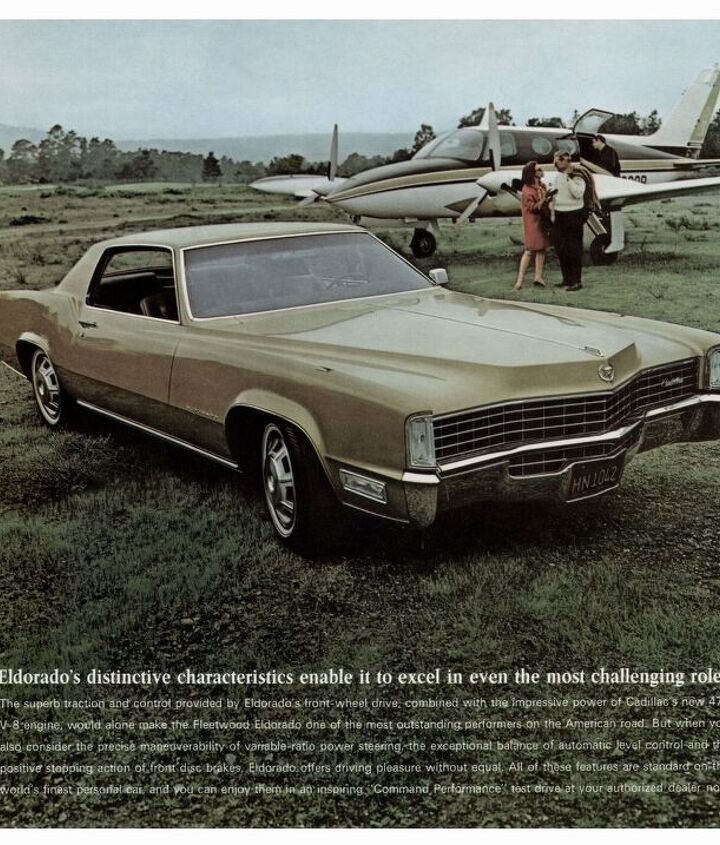
The eighth generation Eldorado was a more than pleasant surprise to the public when it arrived in showrooms for the 1967 model year. As we covered previously, its fresh and angular exterior styling was quite unexpected from Cadillac. Especially so when one considered how staid and barge-like the Eldorado had become as it was reduced over generations into a trim rework of the DeVille (even if it was built by Fleetwood). Interior styling received a considerable update too, with minimal chrome, no wood paneling whatsoever, and a driver-focused cockpit which would become the hallmark of the personal luxury car. But as was de rigueur, General Motors set about messing with the Eldorado via various annual changes.
Rare Rides Icons: The Cadillac Eldorado, Distinctly Luxurious (Part XLVIII)

The new exterior of the 1967 Cadillac Eldorado was simultaneously striking, edgy, modern, and a welcome change from the ho-hum upmarket DeVille the model had become over the years. With a burgeoning market segment to chase - the personal luxury coupe - the front-drive Eldorado made an instant splash when it arrived. Its exterior looks set high expectations for a new and exciting interior as well. But did Cadillac’s designers deliver?
Rare Rides Icons: The Cadillac Eldorado, Distinctly Luxurious (Part XLVII)

We return to our Eldorado coverage today, in what may be the most interesting segment in this series for some of you: A review of the exterior styling on the all-new 1967 Fleetwood Eldorado. We covered the model’s dimensional changes and feature set in the last installment. Those newfangled seat belts were still optional, and so were disc brakes for the front wheels. Thankfully, the incredible looks of the Eldorado were standard.
Rare Rides Icons: The Cadillac Eldorado, Distinctly Luxurious (Part XLVI)

After veering briefly to Abandoned History in a controlled and front-wheel drive way to discuss the Unitized Power Package found in the new 1967 Cadillac Fleetwood Eldorado (and the Oldsmobile Toronado that debuted a year prior), we return to Rare Rides Eldorado coverage this week. As the Eldorado embraced the American personal luxury segment that was in its infancy, its jump to the E-body platform meant most everything about it was different to the 1966 model. For the first time in a long while, Eldorado broke free of the DeVille plus more trim standard.
Rare Rides Icons: The Cadillac Eldorado, Distinctly Luxurious (Part XLV)

As we learned in our last installment, 1965 and 1966 were both banner years for Cadillac in terms of sales, as customers just loved stacked headlamps and luxury. A record 182,435 Cadillacs were sold in 1965, a figure which increased to 196,685 in 1966. For comparison, Cadillac’s nearest luxury competitor Lincoln managed 54,755 sales in 1966, largely due to their popular Continental line of cars. For 1967 it was time for a revised lineup, and the Eldorado in particular branched off in a new direction.
Rare Rides Icons: The Cadillac Eldorado, Distinctly Luxurious (Part XLIV)

In today’s Eldorado installment, we reach the end of the seventh generation model. Available only as a convertible from 1965 to 1966, the two-year run was a culmination moment for the Eldorado. It was the only generation that would wear stacked headlamps, it was the last time an Eldorado was rear-wheel drive, and it was the last time (for a while) there was an Eldorado convertible. The model was about to establish its own identity within a hot new segment that began to form around the time: the personal luxury coupe. Let’s find out how this last-of fared in sales.
Rare Rides Icons: The Cadillac Eldorado, Distinctly Luxurious (Part XLIII)

The interior revisions for the seventh generation Cadillac Eldorado were a case of one step forward, two steps back. For whatever reason (perhaps competition from Lincoln) the Eldorado simply gave up on differentiation and the sporty personality the model reflected in 1963 and 1964. But it would seem the ‘65 was just a plain Jane year, as Cadillac layered on additional effort via brougham and features in 1966.
Rare Rides Icons: The Cadillac Eldorado, Distinctly Luxurious (Part XLII)

In our last Eldorado installment, we reviewed the exterior changes that accompanied the all-new Fleetwood Eldorado for 1965. With its stacked headlamps and modernized perimeter frame underneath, things were looking forward for the Eldorado. However, the interior fared a bit worse and seemed to step back in time with the seventh generation.
Rare Rides Icons: The Cadillac Eldorado, Distinctly Luxurious (Part XLI)

Many of the updates Cadillac made to its line for 1965 were under the skin. There was a new perimeter frame that became the de facto underpinning of the traditional domestic sedan, placement of the engine was farther forward than ever before (for more passenger space), and a modern automatic transmission arrived via the THM400. But there were changes on the exterior too. Cadillac shrugged off the protruding tail fins it wore since 1948 in exchange for sleeker integrated ones, and newly stacked headlamps gave the brand’s lineup an all-new look. Today we check out the exterior updates as applied to the new 1965 Fleetwood Eldorado.
Rare Rides Icons: The Cadillac Eldorado, Distinctly Luxurious (Part XL)

As we learned in our previous installment, 1965 saw a revamp in Cadillac’s lineup: The “Series” naming scheme that began in the Thirties ended as Calais became the entry-level model, all models (excepting Seventy-Five) received stacked quad headlamps for a new visage, and the Eldorado was elevated to Fleetwood Eldorado status. Cadillac also made some engineering changes, in hopes to quiet some pesky customers and lawyers who kept bringing up safety.





Recent Comments