
Report: GM Allegedly Pumping The Brakes On Full-Size EVs

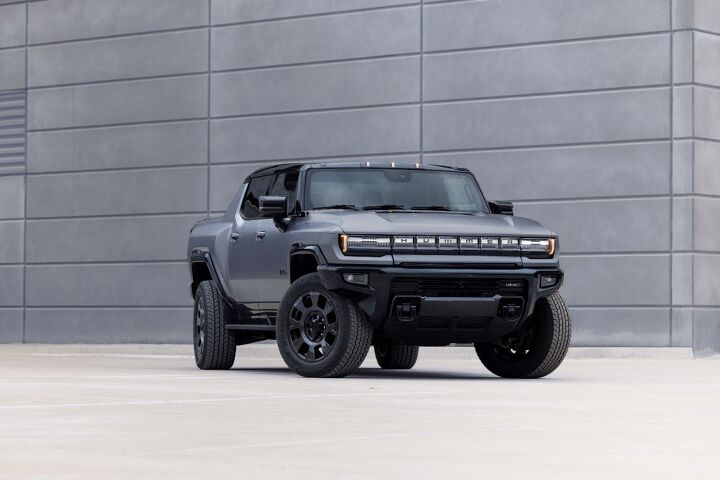
General Motors is reportedly suspending development of its next-generation electric vehicles, specifically the full-size trucks. This comes after nearly twelve months of production stalls at the automaker’s dedicated electrified truck plant, supporting claims that GM would want to move away from EVs. However, the automaker suggested that things aren’t that cut and dried.
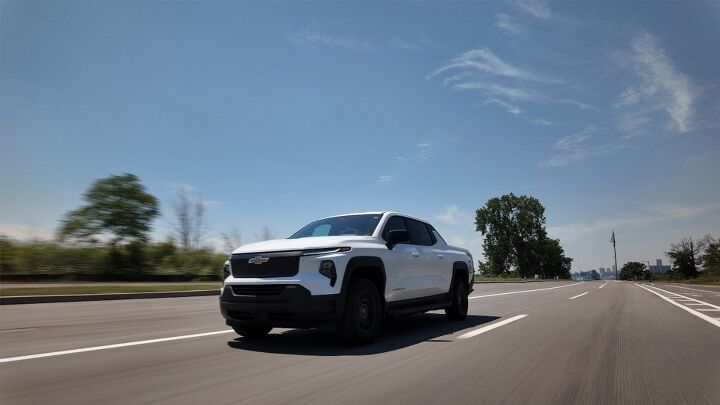
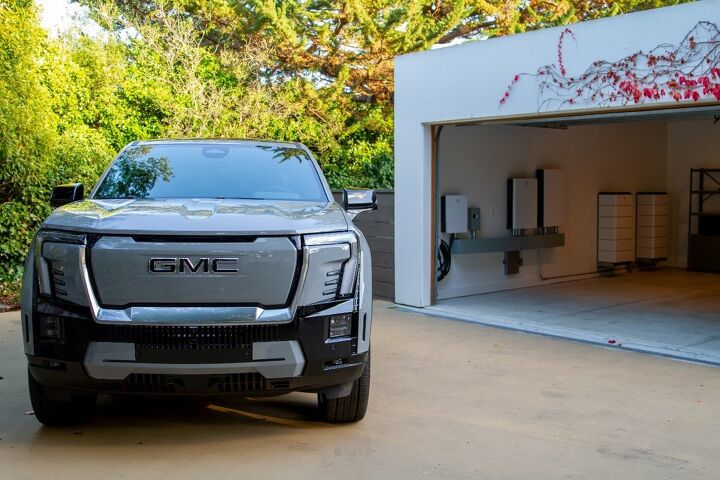
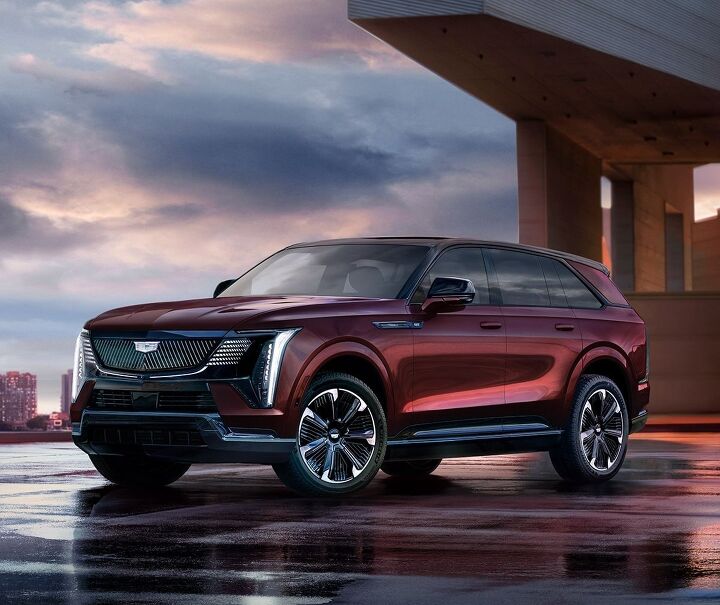
News that the company was indefinitely delaying development on models like the GMC Hummer EV and Chevrolet Silverado EV stems from Automotive News. The outlet cited numerous insider sources who claimed that suppliers had been told the program was being postponed. This would presumably impact updated versions of the fully electric GMC Hummer, GMC Sierra, Cadillac Escalade IQ, and Chevy Silverado.
But GM has since moved to clarify that nothing has been cancelled or indefinitely delayed — at least not officially. The automaker stated that the company remains committed to all-electric vehicles as part of its end game strategy.
While we don’t necessarily love some of the “advanced technologies” General Motors has been running with of late, the company has been fairly upfront about what it’s been doing. It was one of the first automakers to publicly confirm its own profit motivations for introducing in-car marketplaces and connectivity features. It’s also one of the few manufacturers who offer a diverse array of EVs, including entry level models (e.g. Chevrolet Bolt).
That said, it’s hard to imagine that leadership wouldn’t have at least considered revisiting plans for some electric vehicles. As previously mentioned, Factory Zero has been idled repeatedly due to lackluster demand on the automaker’s largest EVs. Most of those models are secluded to be refreshed for 2028. But that effort may be wasted if there aren’t customers interested in purchasing them.
Automotive News suggested that any updated versions of GM’s full-size electrics probably wouldn’t manifest until 2030. This would place those models a couple of years behind new gasoline variants, instead of the original timeline of releasing the EVs six-to-twelve months later. Some were also supposed to receive plug-in hybrid versions (e.g. Chevy Silverado), which are assumed to be sticking with their original development schedules.
Considering how much downtime Factory Zero has experienced over the last twelve months, it seems reasonable to assume that the involved models may not have much of a future. However, automakers seem oddly devoted to fielding expensive electric models. Perhaps the company thinks that Trump era deregulation efforts will be replaced by more stringent emissions targets by the next election cycle.
The industry also sees electrification as a potential cash cow as they collectively pivot to software-defined vehicles. While combustion models are also becoming “software defined,” they are likewise seeing more electrification and digitization so that manufacturers can take full advantage of the scheme. The more analog a vehicle happens to be, the easier it is for customers to get around manufacturer gatekeeping — which includes things like affixing features to subscriptions, extensive data harvesting, and preventing anyone but the dealership from conducting maintenance or repairs.
Despite electrification often being promoted as a way to support environmentalism, the truth of the matter is that these 9,000-pound EVs coming from GM are extremely rough on roads, are quite expensive, and still consume a staggering amount of energy. They’re rather extravagant vehicles and, without purchasing subsidies from the government, we’ve seen their volumes decline in the United States.
Small and midsize electrics tend to see significantly higher take rates, often serving as a household’s main commuter vehicle or secondary runabout. But Tesla models still see anywhere between 100,000 and 300,000 more units sold annually than the nearest equivalent from Hyundai, Ford, or General Motors.
Only the full-size Cybertruck breaks from that trend, with just 29,000 examples estimated to have been sold in the United States through 2025. But it still managed to beat the Chevrolet Silverado EV, which moved 27,307 units in the same timeframe and serves as GM’s best selling full-size electric model. Meanwhile, the Cadillac Escalade IQ saw 8,115 deliveries in the U.S. during 2025 whereas the Hummer EV (both SUV and pickup) enjoyed an estimated 15,000 sales.
[Images: General Motors]
Become a TTAC insider. Get the latest news, features, TTAC takes, and everything else that gets to the truth about cars first by subscribing to our newsletter.
Consumer advocate tracking industry trends and regulations. Before joining TTAC, Matt spent a decade working for marketing and research firms in NYC. Clients included several of the world’s largest automakers, global tire brands, and aftermarket part suppliers. Since adding automotive writing to his repertoire, he has become an ardent supporter of the right-to-repair movement, discussed the status of the automotive sector on national broadcasts, participated in a few amateur rallying events, and driven more rental cars than anyone should ever have to. Handy with a wrench, Matt grew up surrounded by Detroit auto workers and learned to drive by twelve. Alleged to be contrarian, Matt claims to prefer understeer and motorcycles.
More by Matt Posky









Comments
Join the conversation
So why is gm doing this …BECAUSE NO ONE WANTS A TRUCK THAT CANT DO TRUCK THING FOR MORE THAN 80 MILES .Ev trucks are multi million dollar failures that very very few want and come trade in or sell time they are worthless junk .Virtue signaling cost billions of dollars for the auto manufacturers and the public .
Yes comrade Skippy .Are you at all aware of the August 19 2024 Tesla big rig fire that happened on I80 that was uncontrolled,due to the ev batteries ( nothing new there) .The wildfire people had to call in a DC-10 water bomber that dropped 50,000 gallons of retardant to prevent a wildfire .Sounds like they need to have DC-10 water bombers flying near areas that ev big rigs are operating at .The article notes the fire was over 1000 degrees .They later hauled it out to a safe place where it still was sparking and exploding .They had to close the , highly traveled interstate for several hours .Next , two huge roro ships were sunk by ev fires that were started by one ev spontaneously exploding and burning and spreading to the whole ships and could not be controlled .Another similar incident happened at the dock and the total losses were two ships sunk, one destroyed causing. Billions in losses including almost 11,000 vehicles lost .The nine biggest roro shipping companies no longer accept EVs on board .Look it up .Anything else comrade Skippy ?