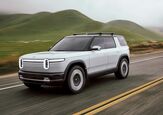
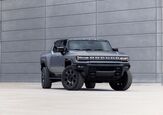

Rare Rides Icons: The Jeep Wagoneer, the First Luxury SUV Ever (Part I)

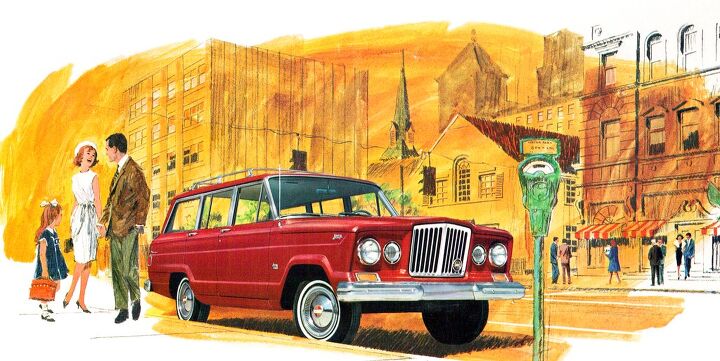
The original Jeep Wagoneer persisted over two decades, and was produced by three different owners of Jeep as it became an SUV icon known around the world. As the largest SUV of the Jeep brand, it began with simple utilitarian roots like all off-road vehicles of the time. Eventually it was edited, updated, and glossed into the first true luxury SUV the world had ever seen. Unlike most of our Rare Rides Icons the Wagoneer persists today, but as a very different kind of vehicle than it originated. We begin in the Forties, with a station wagon.
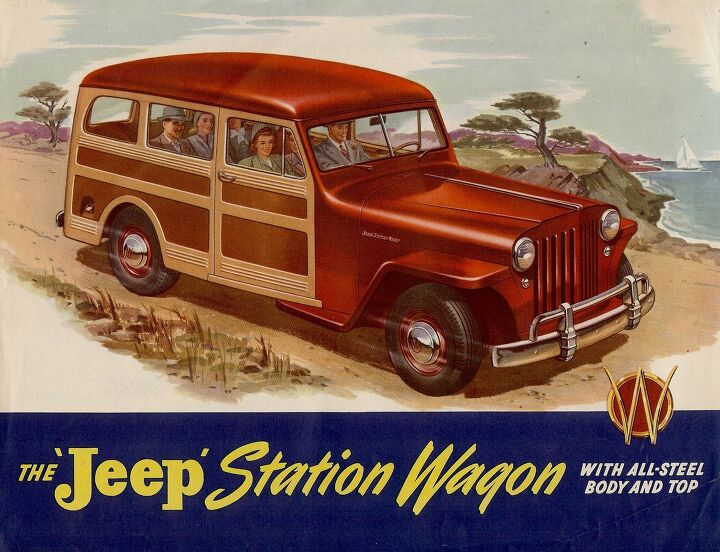
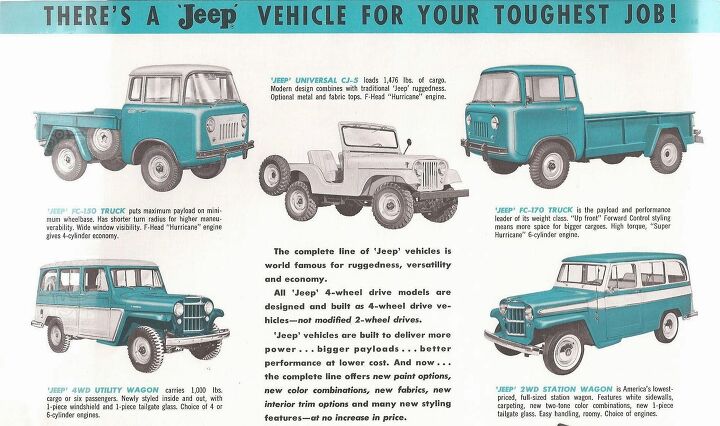
Specifically the Willys Jeep Station Wagon. It debuted in 1946 as a new type of family vehicle from the Willys-Overland company. Originally known as Jeep Wagon, the very utilitarian truck was available as a two-door panel truck, or a station wagon with two or four doors. Classified as wagons or trucks across the market, the term sport utility vehicle was decades away (invented by Jeep in 1974 when it used SUV in marketing materials).
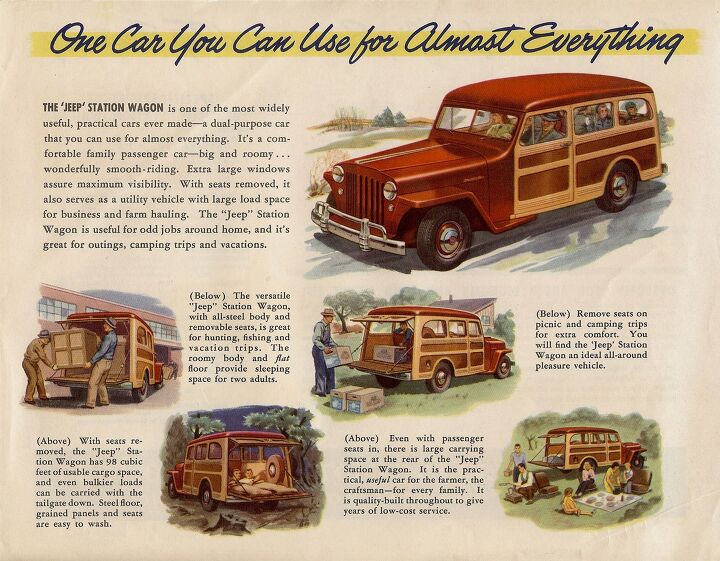
The Jeep Wagon was available with two-wheel drive as a Station Wagon, while four-wheel drive versions (1949 onward) were sold as the Utility Wagon. Both versions included relative novelties: Independent front suspension and a third-row passenger seat. The Utility Wagon is broadly considered the first production sport utility vehicle. Willys introduced an upmarket version in 1948 when the Station Sedan arrived. Featuring a woven trim on the exterior, its interior also carried nicer furnishings than the Wagon variant.
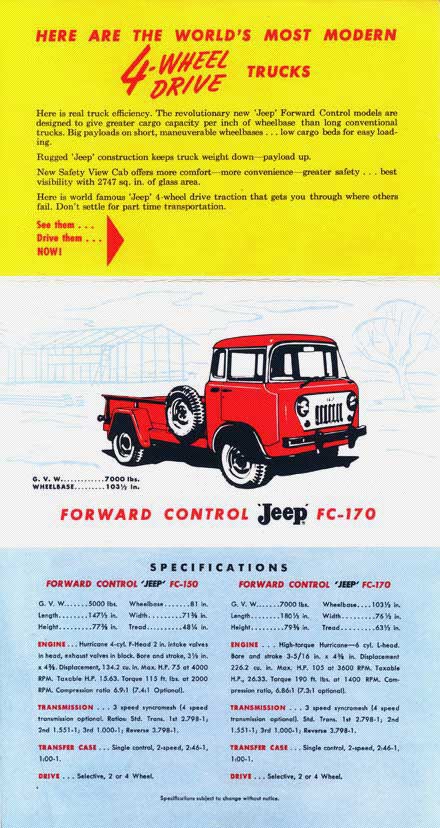
In 1953, Kaiser and Willys-Overland merged to create Kaiser Jeep. From then through 1963, Willys-Overland operated under the name Willys Motors. The Kaiser Jeep entity was guided by Kaiser management, and phased out all Kaiser and Willys passenger vehicles circa 1955. The company revised its focus entirely to profitable Jeep products, including utility vehicles, trucks, and forward control vans. In 1963 the entities converged once more, and Willys was combined and renamed to its parent entity, Kaiser Jeep.
Kaiser Jeep, always keen on saving costs, derived the Wagon into two subsequent vehicles, the Jeep Truck and the Jeepster. Both of those were successful in their own right. But by the early Sixties the utility wagon market had moved onward and the Wagon showed its age.
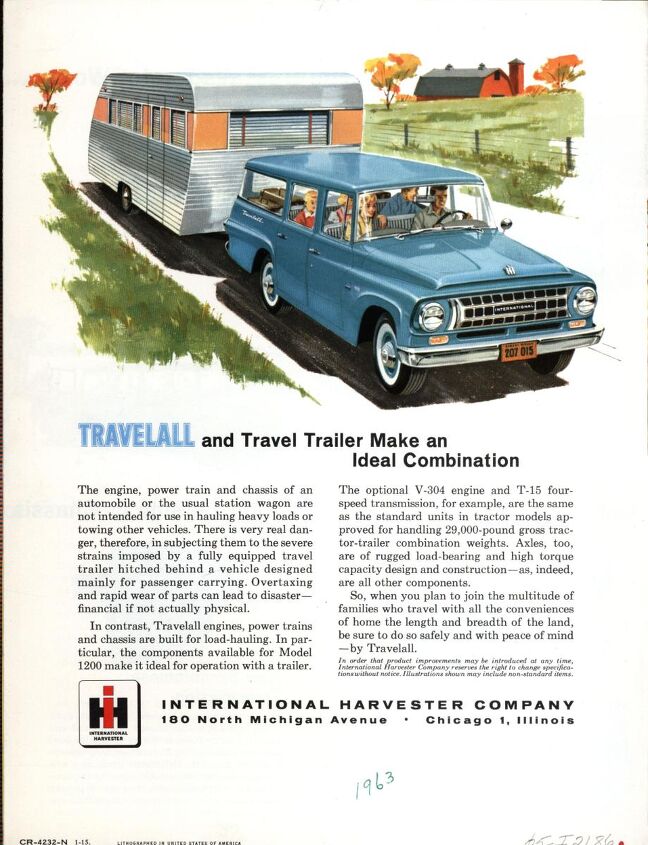
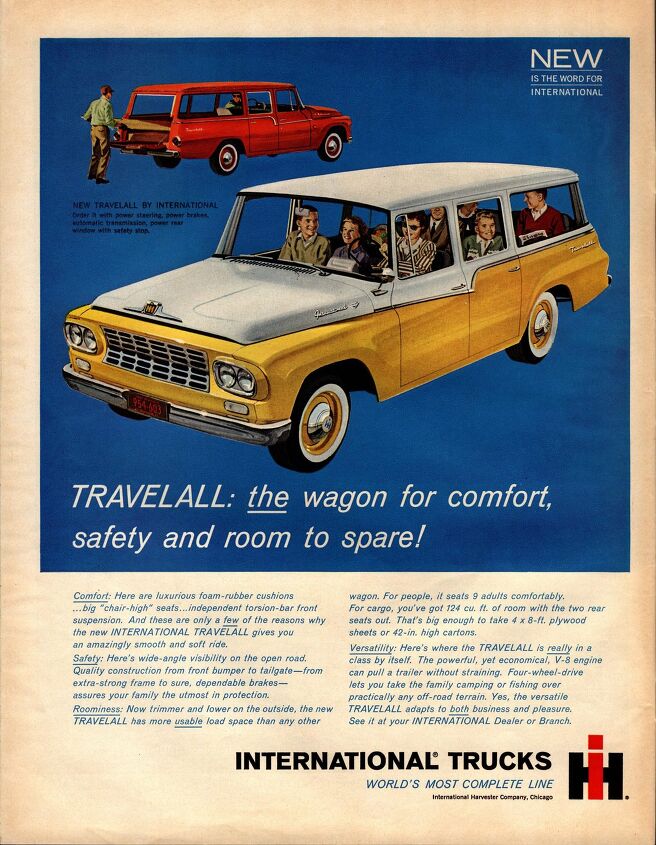
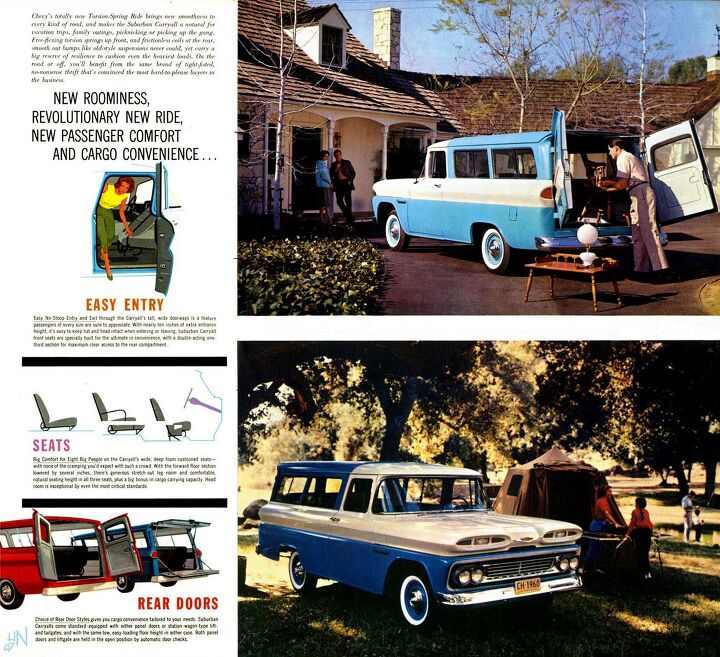
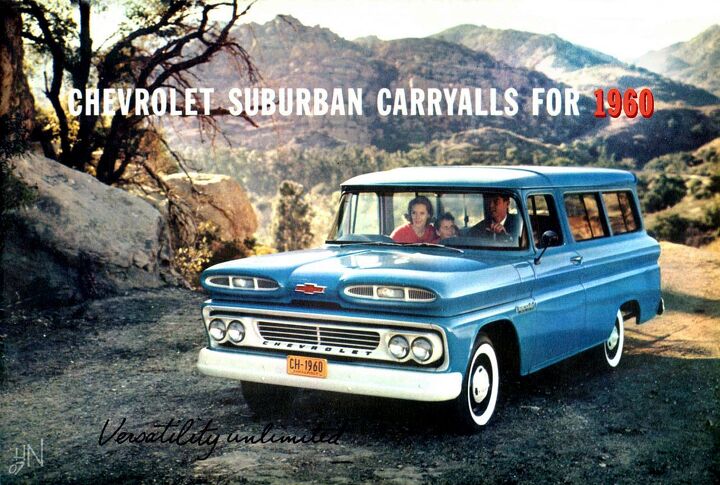
Competition like the Chevrolet Suburban entered its sixth generation in 1960, and International Travelall debuted in its third-gen guise in 1961. Both of those vehicles encroached on the Jeep Wagon’s market. It was time for an all-new wagon, Wagoneer!
After the success of the Wagon, Willys once again hired Brooks Stevens (1911-1995). Stevens was an industrial designer who penned appliances, motorcycles, and furniture amongst automotive creations and stylish railroad cars like the Skytop Lounge. Underneath the Wagoneer was the truck chassis from the Jeep Gladiator that debuted in 1962. The Wagoneer was planned as a smaller and more balanced competitor to the hulking likes of the Suburban and Travelall.
Design work took three years to complete and was a huge investment for Kaiser Jeep. The company spent $20 million ($221,197,269 adj.) on their most important development project. If Wagoneer happened to fail, Kaiser Jeep would surely have gone bankrupt. The company’s profits in the early Sixties hovered around $5 million ($55,299,317 adj.) per year.
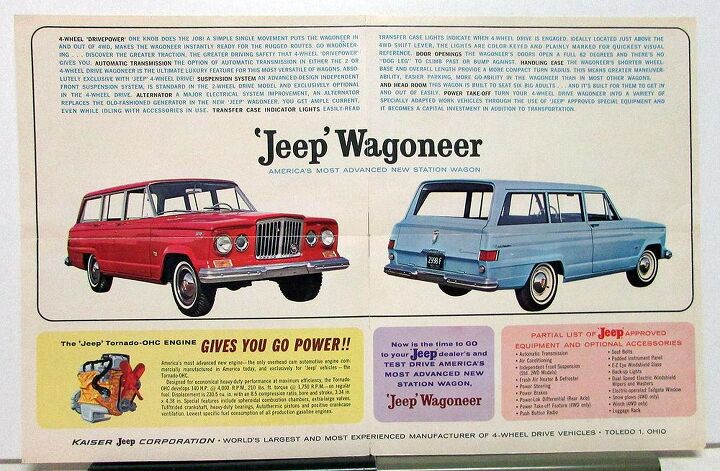
Though it was on a truck body, Brooks gave Wagoneer a lower stance than competition. That made for an easier, more accessible entry height and lowered the center of gravity for better handling in everyday situations. Engineers used a transfer case and packaged the Wagoneer’s running gear as tightly as possible to allow for that lower ride height.
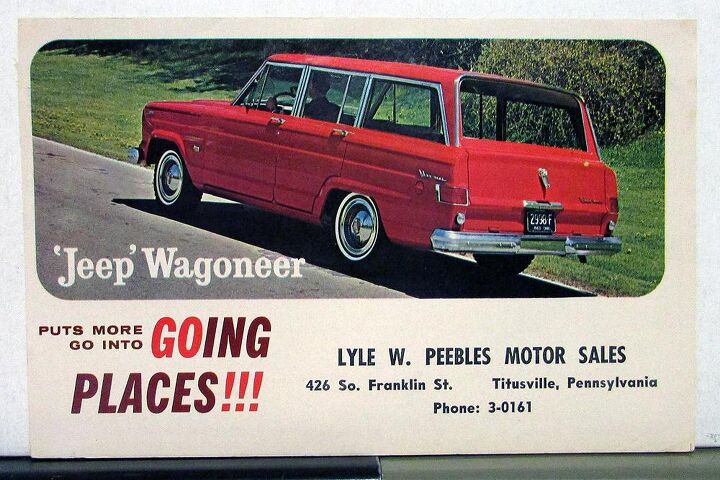
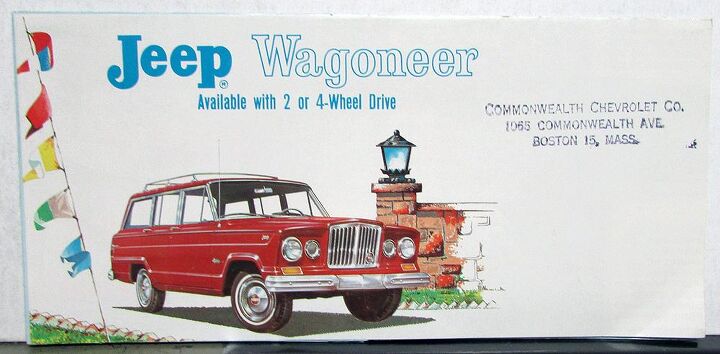
Wagoneer was meant to be more premium than either of its primary domestic competition. It was available in three different body styles: a two-door panel truck called Panel Delivery, two-door wagon, and four-door wagon. Jeep focused on refinement with its design, and a more complex station wagon body that was more carlike than utility truck.
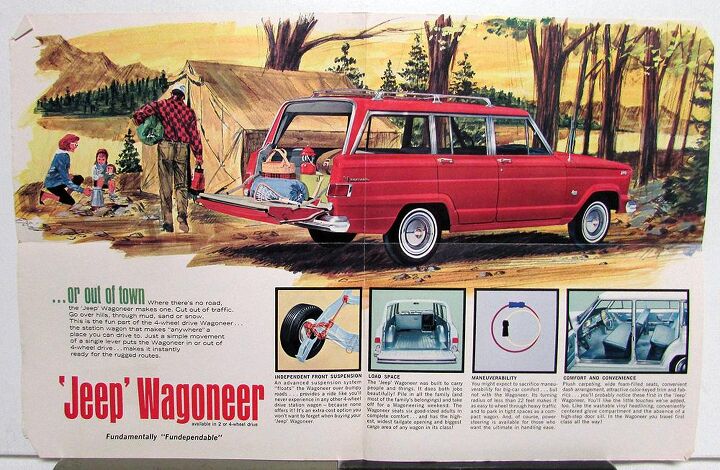
Inside that more refined exterior was an interior that had carlike appointments, trim, and upholstery. The Wagoneer was advertised as a plush, comfortable vehicle from the outset, and some brochures even called it “luxurious.” It was a very different passenger experience to the likes of the contemporary Suburban or Travelall, and miles away from a Land Rover Series II or Toyota FJ. The first Range Rover was still eight years away.
Once the Wagoneer’s design was finalized, Kaiser Jeep tooled up its factory in Toledo, Ohio. Known generally as Toledo Assembly Complex, the original Toledo South factory was the very first place a Jeep was produced at the Willys-Overland factory. Willys-Overland purchased the factory in 1910 from a bicycle builder, and expanded Toledo Assembly’s footprint over the early part of the twentieth century to the Parkway Annex and later the Stickney Plant. The plant exists today and employs 6,093 people over its 312 acres.
The SJ Wagoneer proved popular enough that Jeep would replicate its assembly in three other countries before the original finished its production in 1991. Argentina, Egypt, and Iran all built the Wagoneer for distribution into international markets. Though it was massaged and revised many times during its run, the Wagoneer was always the same truck from 1963 underneath.
Wagoneer was one of the longest-lived single generations of vehicle in domestic history, a full 29 model years from 1963 through 1991. Several engine and transmission choices would come and go through the decades, but surprisingly the exterior measurements of the Wagoneer never changed. We’ll review the chassis, assorted running gear, and measurements in our next installment. We’re just getting started!
[Images: Jeep, GM, International]
Become a TTAC insider. the latest news, features, TTAC takes, and everything else that gets to the truth about cars first by subscribing to our newsletter.
Interested in lots of cars and their various historical contexts. Started writing articles for TTAC in late 2016, when my first posts were QOTDs. From there I started a few new series like Rare Rides, Buy/Drive/Burn, Abandoned History, and most recently Rare Rides Icons. Operating from a home base in Cincinnati, Ohio, a relative auto journalist dead zone. Many of my articles are prompted by something I'll see on social media that sparks my interest and causes me to research. Finding articles and information from the early days of the internet and beyond that covers the little details lost to time: trim packages, color and wheel choices, interior fabrics. Beyond those, I'm fascinated by automotive industry experiments, both failures and successes. Lately I've taken an interest in AI, and generating "what if" type images for car models long dead. Reincarnating a modern Toyota Paseo, Lincoln Mark IX, or Isuzu Trooper through a text prompt is fun. Fun to post them on Twitter too, and watch people overreact. To that end, the social media I use most is Twitter, @CoreyLewis86. I also contribute pieces for Forbes Wheels and Forbes Home.
More by Corey Lewis





Comments
Join the conversation
Chrysler probably paid millions for those commercials, and likely did studies beforehand to determine what consumers considered hallmarks of luxury, but what do I know.
Probably the very reason Jeep thought it expedient to include leather in its first luxo model, the Grand Wagoneer.
Else, why on earth would they have bothered? And why had so many makers of the era offered leather upholstery as a lux upcharge over cloth- itself a lux upcharge over vinyl? And why did consumers willingly pay the upcharge?
I enjoy your Rare Rides series, Corey, and look especially forward to this one on the Jeep Wagoneer because I was raised with these. Dad had a 1958 4-wheel drive whatever they called it and a 1966 and a 1972 Wagoneer. It's hard to believe with the SUV being the rage today that we kids were embarrassed to be seen in them back in the day. Dad was in the liquor business and used them largely as delivery vehicles and beat the daylights out of them. I seem to recall that they held up reasonably well.