
Rare Rides Icons: The Cadillac Eldorado, Distinctly Luxurious (Part LXXVIII)

Cadillac’s sales fell precipitously after the brand downsized all of its vehicles in 1985 and 1986. Once the downsizing transformation was complete, sales fell by over 100,000 units and continued to decline through 1991. In 1992 the company began the attempt to rework its image (again), shed the design cues of the past, and appeal even more to the mythical “Euro intender” customer who could theoretically be persuaded into a Cadillac.
By 1991 the competitive transformation of the American car landscape was complete. The Malaise Era of the automobile had passed, and customers expected more of everything - especially quality. In 1990 Lexus and Infiniti arrived to complement Acura, and the trio became serious competition against all luxury brand offerings. The Japanese options were often priced lower, had more equipment, were built better, carried a better warranty, and had a better and more luxurious dealer experience.
On the German front, BMW was the de facto choice for the Yuppie class and continued to hit it out of the park with the 3-, 5-, and 7-Series cars. Mercedes-Benz introduced the W140 S-Class in 1992, its most expensive development project ever. The rest of its line had expanded across more competitive E-Class variations, and the R129 SL roadster. Audi became a more serious competitor in the transitional period with the 90 and 100, and in a couple of years would enter the mainstream with their replacements in the A4 and A6 Quattro.
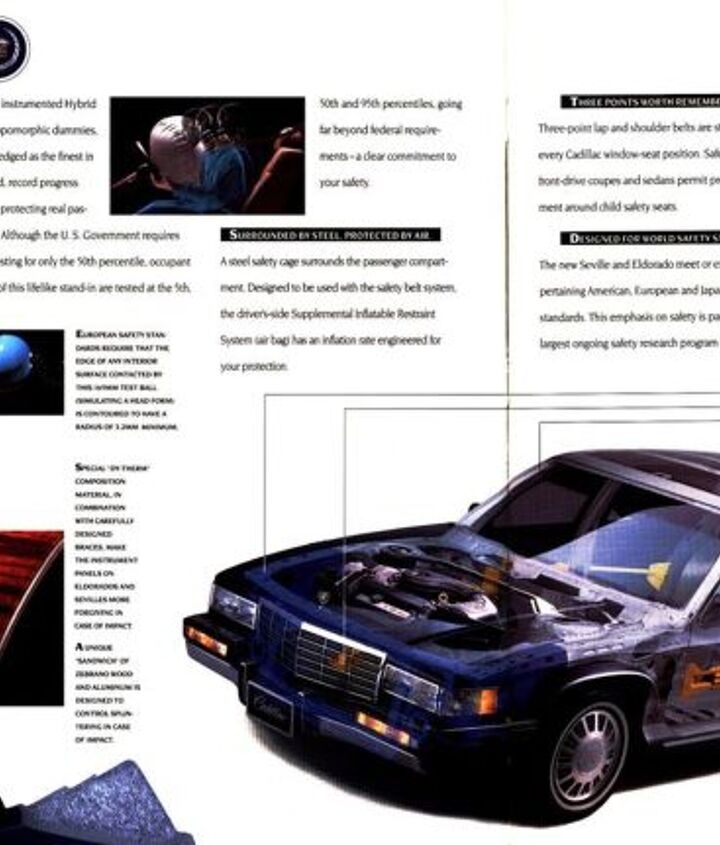
Customers enjoyed all the product above, along with mainstream sedans, coupes, hatches, and wagons that were of higher quality than the several preceding decades and offered a breadth of equipment previously reserved for the luxury class car. The desire for a baroque looking brougham vehicle was limited to a very small sliver of the market, and for everyone else less trim was better.
All these factors were an issue for Cadillac, which saw the majority of its “Cadillac loyalist” customer base who remembered the grandeur and prestige of its Fifties and Sixties automobiles die off. In their place were customers who evaluated vehicles dispassionately, and selected the vehicle that suited them from any number of brands. The market would remain in this form through the late Nineties when the tide began to shift again, but we’ll talk more about that in a future installment.
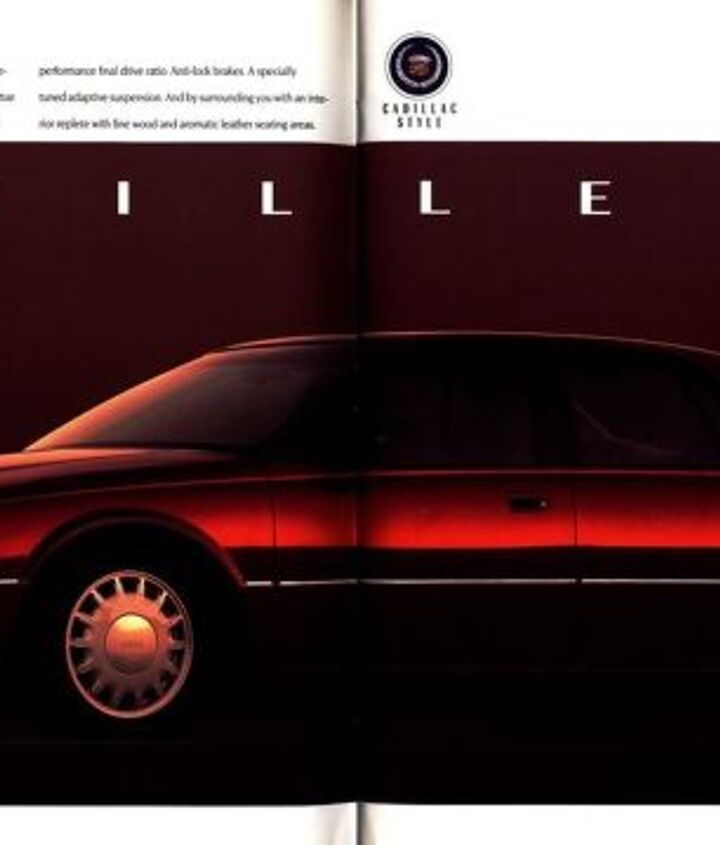
In 1992 Cadillac introduced its first two products with a view to the market detail above. At the base of the range the DeVille continued in its C-body form, and would exist through 1993 before replacement. It was a very popular model, so Cadillac had to be very careful with any edits.
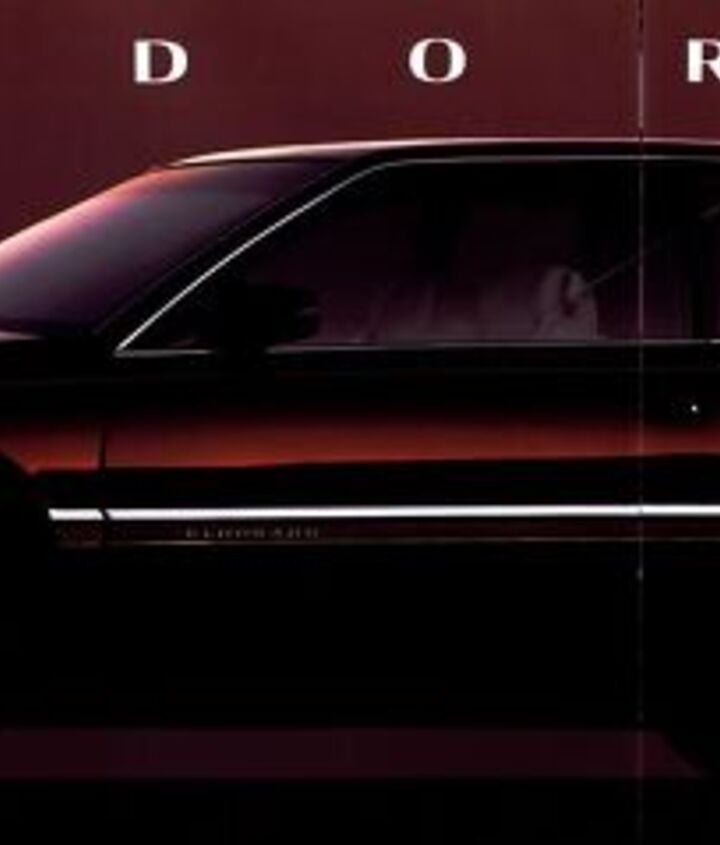
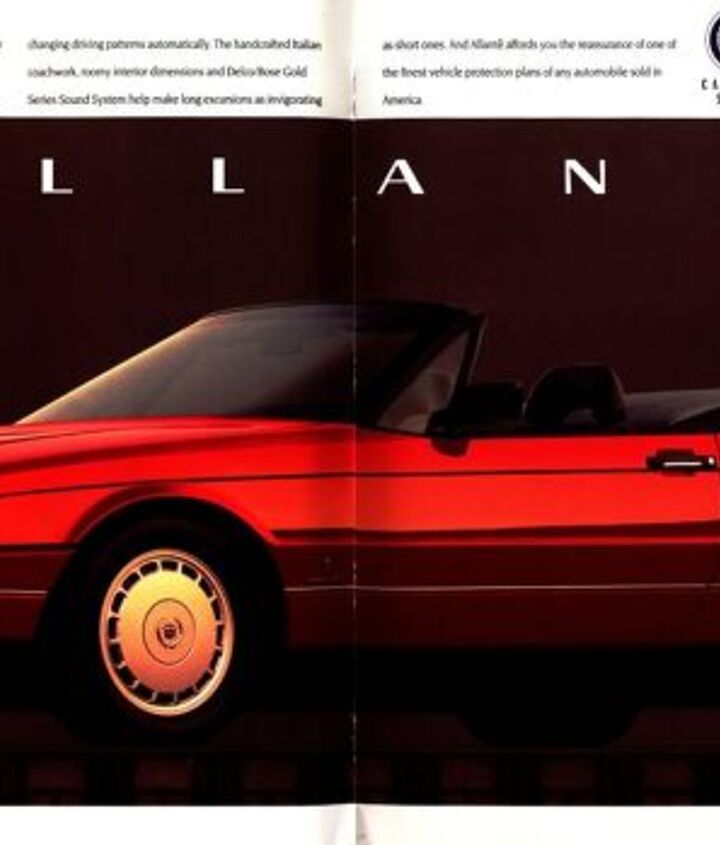
The front-drive Fleetwood trimmed Deville saw its final year in 1992, as Cadillac prepared to repurpose the name to a new full-size sedan. Also tied to the DeVille was the lengthened Fleetwood Sixty Special, which remained a holdout. Brougham returned one final time in 1992, and was a hilariously out of date vehicle sought only by the firmest traditionalist buyers who’d never consider something like an LS 400. Also returning was the slow-selling Allanté, well known as a flop by this time in its production.
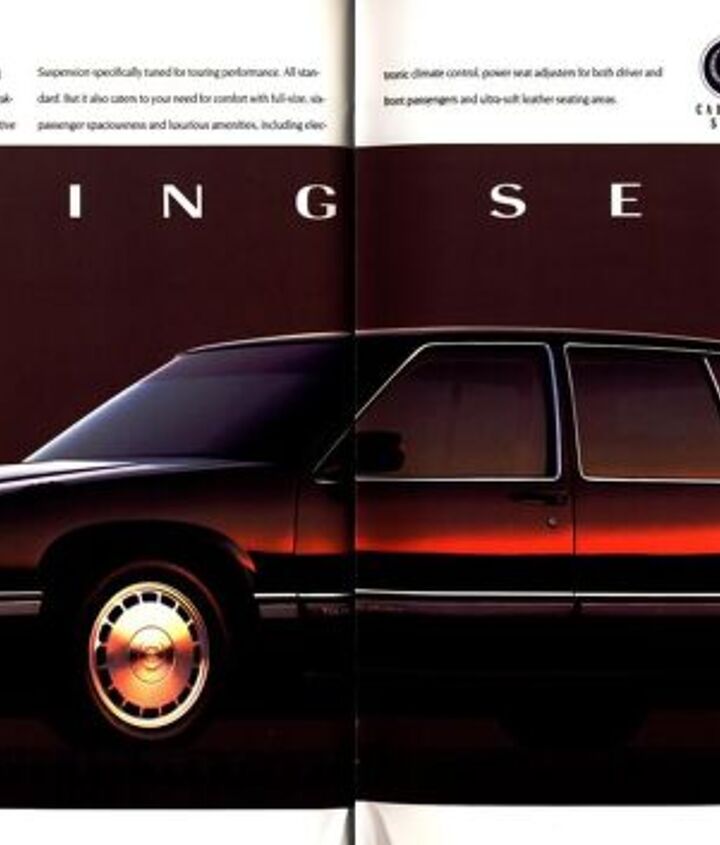
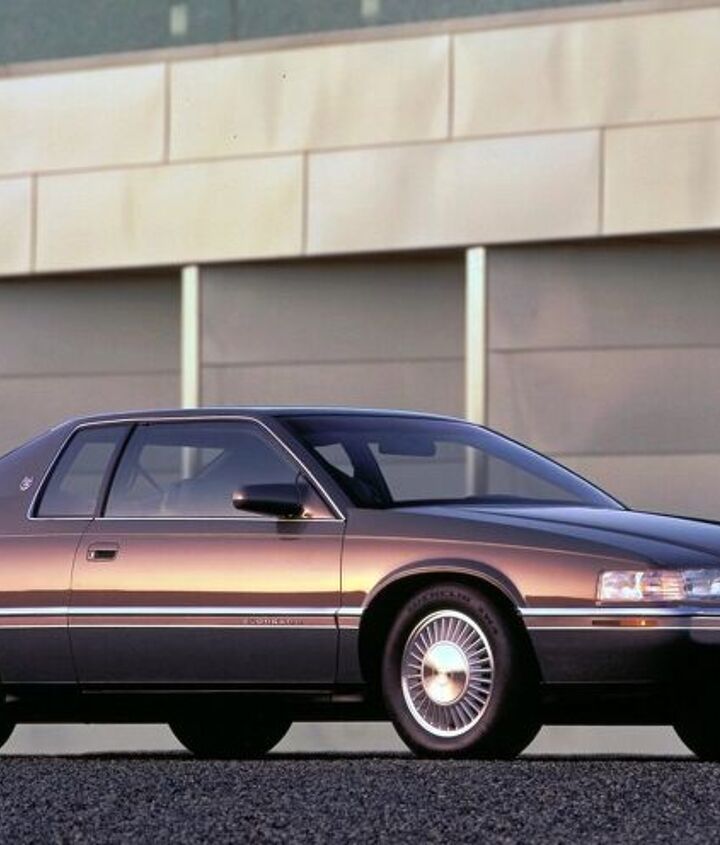
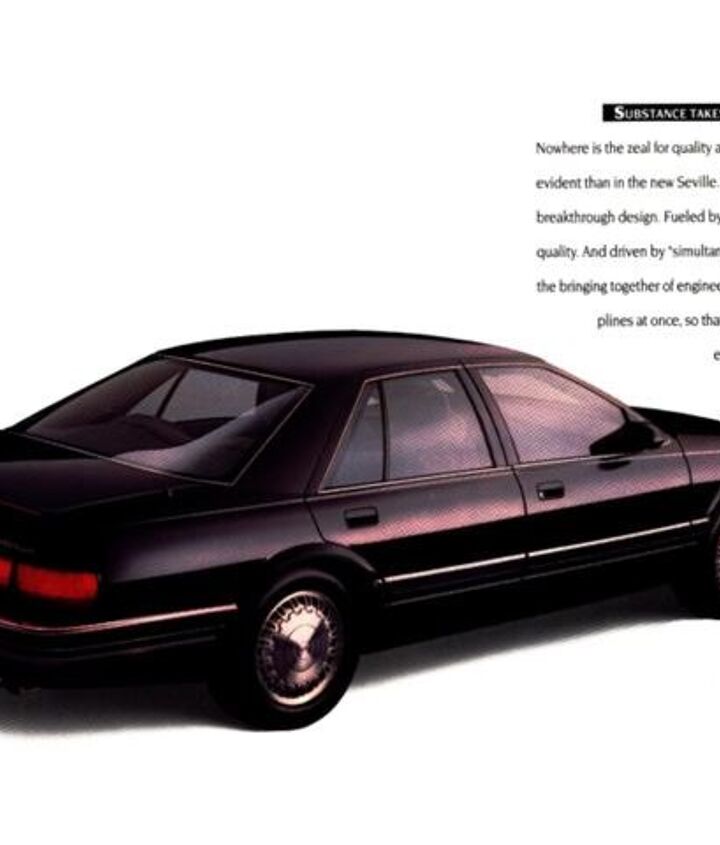
The exciting news that year was the all-new Seville and twelfth generation Eldorado. Two new flagship products that intended to show the way forward for the brand in styling and technology. They shed traditional looks, did not have tail fins, and promised to be modern, luxurious, sporty, and very desirable. Cadillac engineers made a concerted effort to improve Seville and Eldorado, and make them drive and handle better than ever before. The goal was to bring them to par with offerings from Japan and Germany.
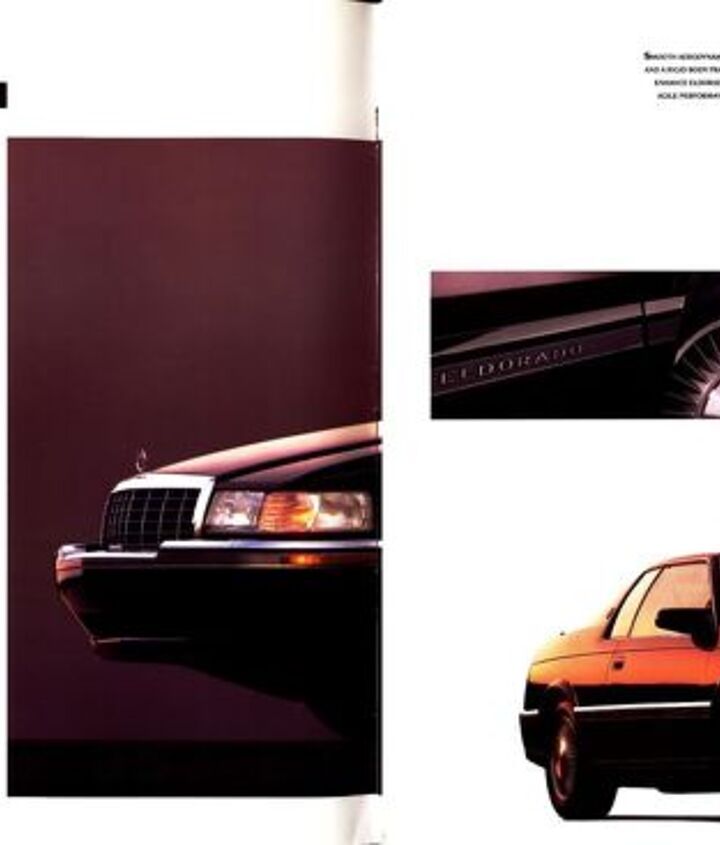
For the first time the Touring versions of both models were a separate trim rather than a trim package. It’s here where Cadillac began its naming transition into alphanumerics. Seville was split into Seville Luxury Sedan (SLS) and the Seville Touring Sedan (STS). Eldorado was similarly split into the base model Eldorado Sport Coupe (ESC), and the upmarket Eldorado Touring Coupe (ETC).
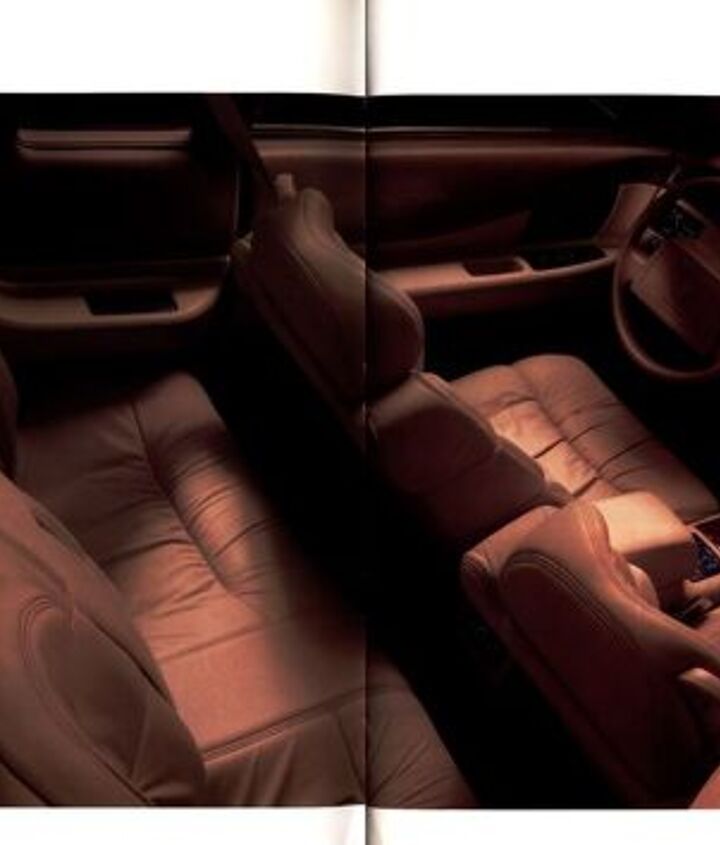
Both models continued on their respective platforms from the prior generation (Seville as K-body, Eldorado as E-body), though were completely reworked. It was notable that even the base Eldorado had “Sport” in its name, as GM management worked harder than ever to shed the elder Floridian image the brand had earned since roughly 1975 with trims like d’Elegance, Eleganza, Biarritz, and offering Cabriolet Roof options.
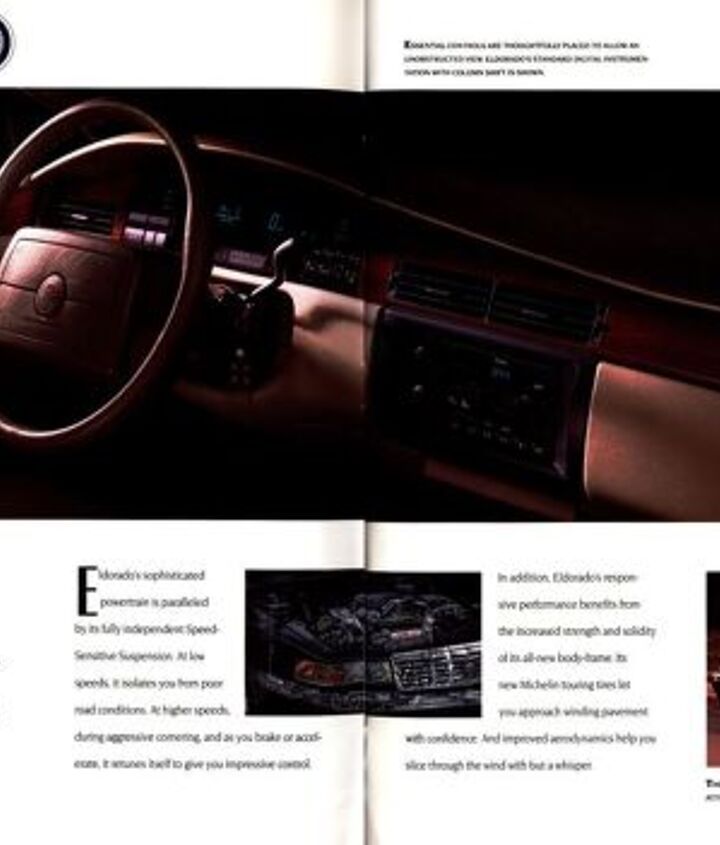
From here onward the Seville would once again be the flagship vehicle for Cadillac. The Eldorado’s halo days were behind it as the personal luxury coupe had fallen from grace by the early Nineties. Sporty sedans and coupes were all the rage, so the STS took prime placement and the Eldorado attempted to hang on and reinvent itself as something sportier (eg. the Lexus SC 400). The Lincoln Mark coupe also attempted to reinvent itself in this same vein, with the Mark VIII.
Part of the brand’s reinvention was Cadillac’s all-new Northstar V8. Unfortunately, the engine had a troubled development period with many issues and delays. Originally the rollout was planned for 1992 where all Seville and Eldorado models would receive the engine. But production was not up to full capacity, so there weren’t any Northstars available the debut year.
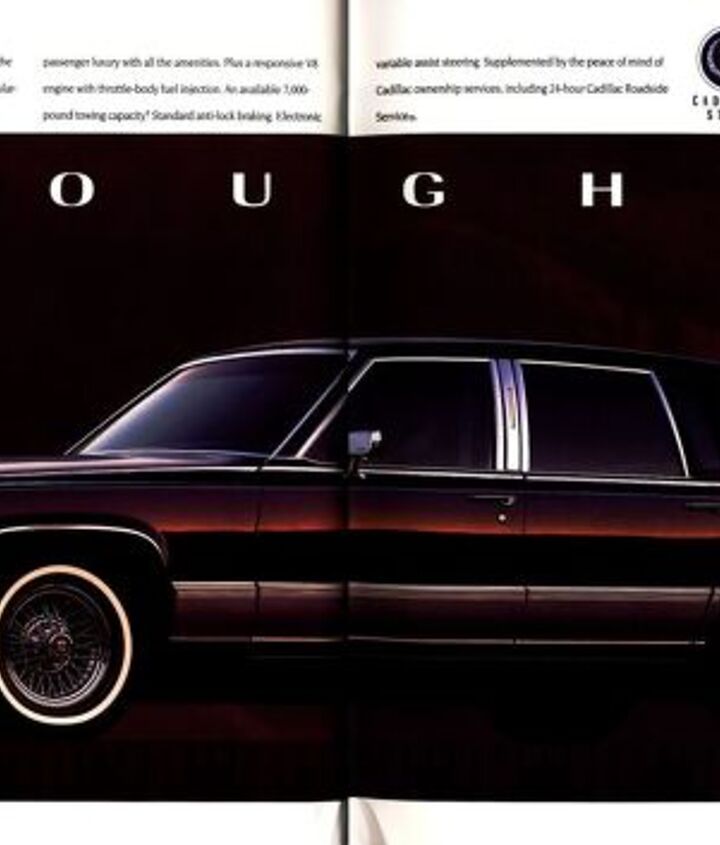
In 1992 the Seville and Eldorado debuted with the old 4.9-liter V8. The following model year, only the Seville STS and Eldorado ETC received the Northstar, while the lesser trims relied upon the 4.9 yet again. Production was still constrained for some time, as Cadillac relied upon the 4.9 for three years longer than intended.
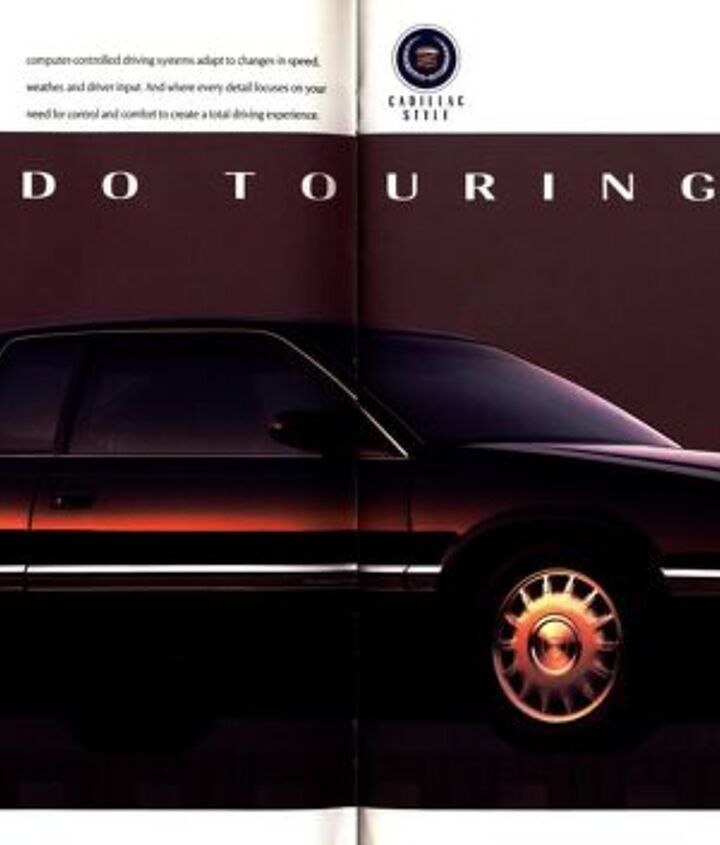
In our next installment we’ll talk about the changes made between the eleventh and twelfth generation Eldorado. The edits were perhaps not as many as expected, nor as many as needed. Until next time.
[Images: General Motors]
Become a TTAC insider. the latest news, features, TTAC takes, and everything else that gets to the truth about cars first by subscribing to our newsletter.
Interested in lots of cars and their various historical contexts. Started writing articles for TTAC in late 2016, when my first posts were QOTDs. From there I started a few new series like Rare Rides, Buy/Drive/Burn, Abandoned History, and most recently Rare Rides Icons. Operating from a home base in Cincinnati, Ohio, a relative auto journalist dead zone. Many of my articles are prompted by something I'll see on social media that sparks my interest and causes me to research. Finding articles and information from the early days of the internet and beyond that covers the little details lost to time: trim packages, color and wheel choices, interior fabrics. Beyond those, I'm fascinated by automotive industry experiments, both failures and successes. Lately I've taken an interest in AI, and generating "what if" type images for car models long dead. Reincarnating a modern Toyota Paseo, Lincoln Mark IX, or Isuzu Trooper through a text prompt is fun. Fun to post them on Twitter too, and watch people overreact. To that end, the social media I use most is Twitter, @CoreyLewis86. I also contribute pieces for Forbes Wheels and Forbes Home.
More by Corey Lewis








Comments
Join the conversation
Not just out of day but "hilariously" out of date.
Seventy-eight parts! This is, by far, the most detailed examination of a car line in the history of automotive journalism. You will be turning it into a book, yes?
Yet, you have not so much as breathed on a favorite argument of my dad and his brother: is it pronounced dough-RAH-dough, or dough-RAY-dough?