
QOTD: Did Wealthy Buyers Kill Small Cars?

An economist took to The New York Times to argue that the inexpensive small car was killed by wealthy buyers.

Stellantis Looks to Partner with China’s Leapmotor to Build EVs in Spain
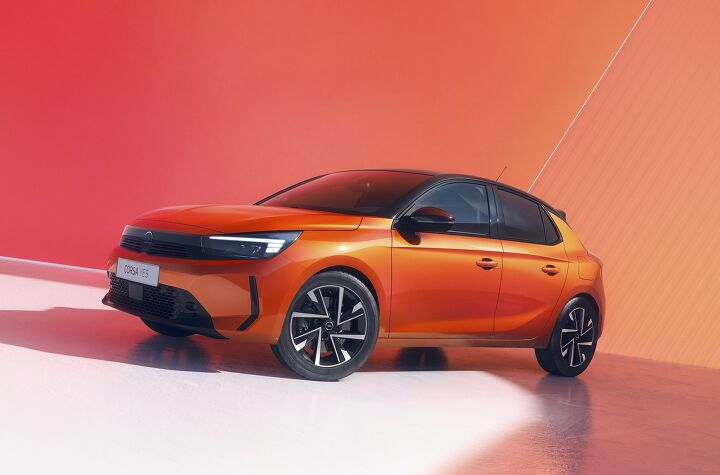
As Stellantis CEO Antonio Filosa reworks the company’s business structure, the company is looking to work with China EV maker Leapmotor to use its technology in the production of an Opel-branded SUV in Spain.

Chinese-Made Vehicles Gaining Acceptance with American Consumers

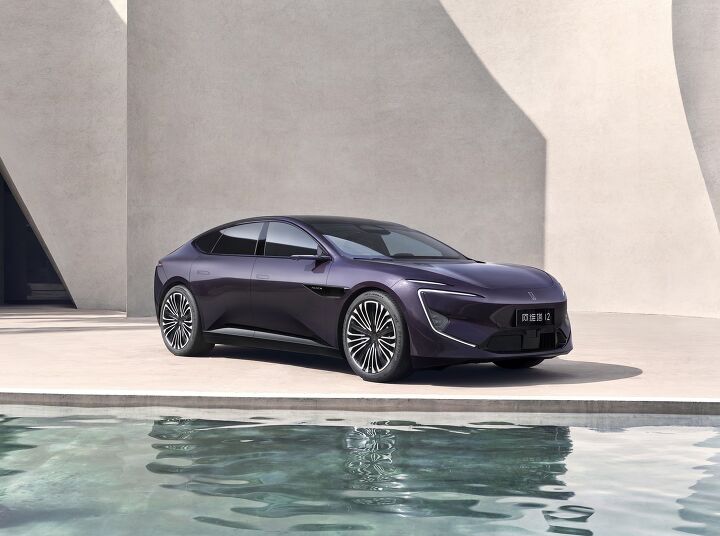
When Canada agreed to lower tariffs on 49,000 Chinese-made electric vehicles earlier this year, it raised alarm bells for U.S.-based automakers, acting as further confirmation of what many consider inevitable: the sale of those vehicles in America.
Canadian Prime Minister Tells Trump to Back Off, EV Deal with China Doesn’t Impact USMCA

Canadian Prime Minister Mark Carney says the new deal to import up to 70,000 new electric vehicles from China doesn’t change the terms of terms of the USMCA free trade deal with the U.S.
QOTD: How Will The China/Canada Deal Affect The Auto Industry?

There's been a big trade deal between Canada and China -- and opinions seem mixed.
Canada’s New Deal With China Is Making Everyone Crazy
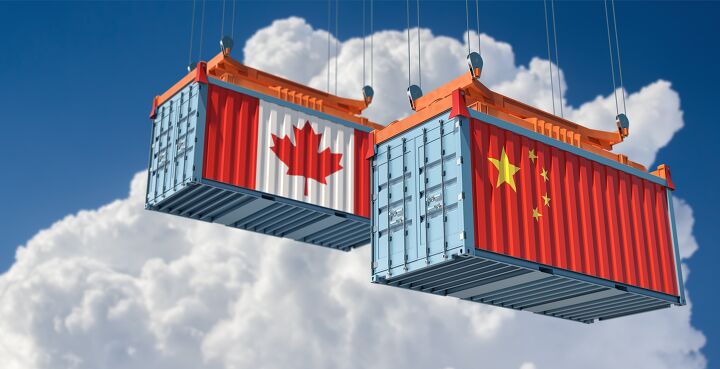
Canadian Prime Minister Mark Carney looks to have struck a deal with China to allow all-electric vehicles to be imported into the country. This strategic partnership comes without the 100 percent tariff the nation imposed on Chinese EVs in 2024. In exchange, China looks to be softening similar fees imposed on Canadian goods — mainly those related to farming.

Ford Scaling Back EV Plans, Taking $19.5 Billion Punch

Ford Motor Company is pulling back on its electric-vehicle plans in a move that will cost the company $19.5 billion.
Chinese Automaker To Dodge European Tariffs With Help From Magna
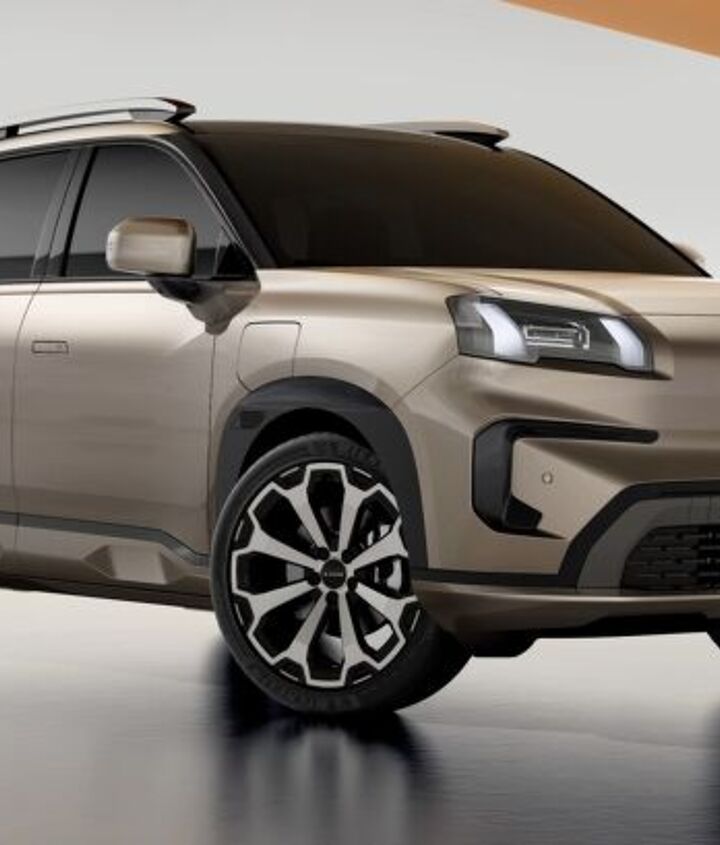
Guangzhou Automobile Group (GAC) has partnered with Magna International to build the all-electric Aion V in Europe — dodging regional tariffs that would likely have prevented the model from selling.
Nexperia Chip Shortage Contagion Hits Japanese Automakers
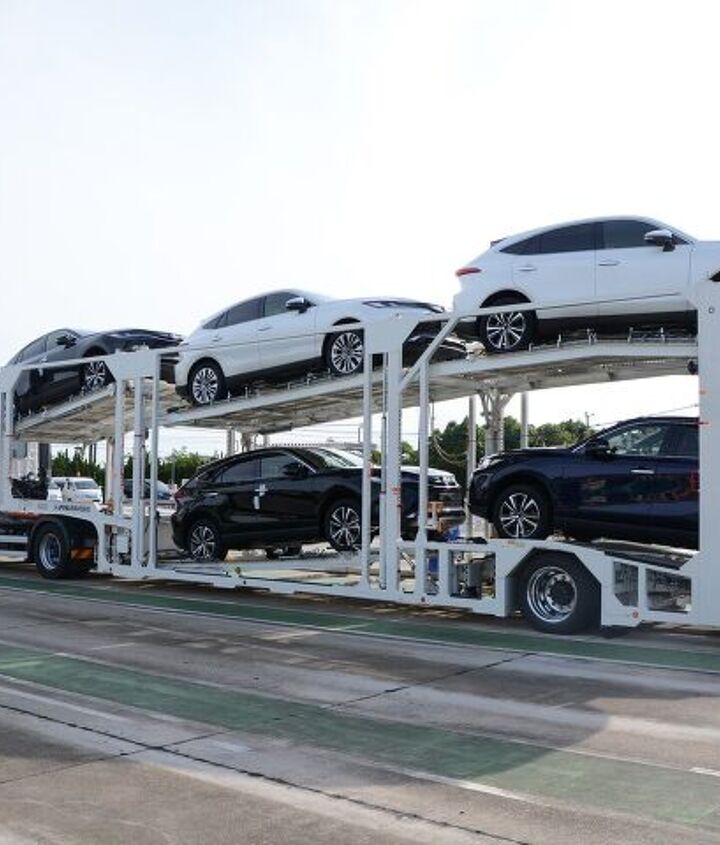
First Europe, now Japan. Automakers are getting ready for potential chip shortages after Dutch semiconductor manufacturer Nexperia warned that it may no longer be able to guarantee supply to its customers.

More Bad News For Volkswagen
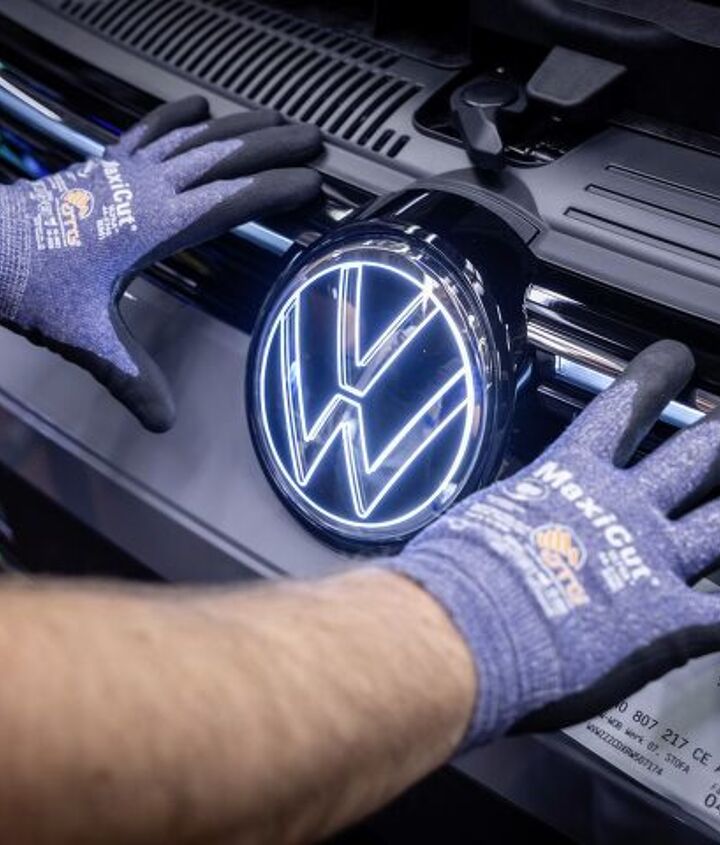
Volkswagen is preparing to idle production of the Golf at its Wolfsburg, Germany, plant beginning October 29, as the auto industry faces yet another chip shortage—this time triggered by escalating trade tensions between the United States, the Netherlands, and China.
European Automakers Are Catching Collateral Damage From Washington and Beijing
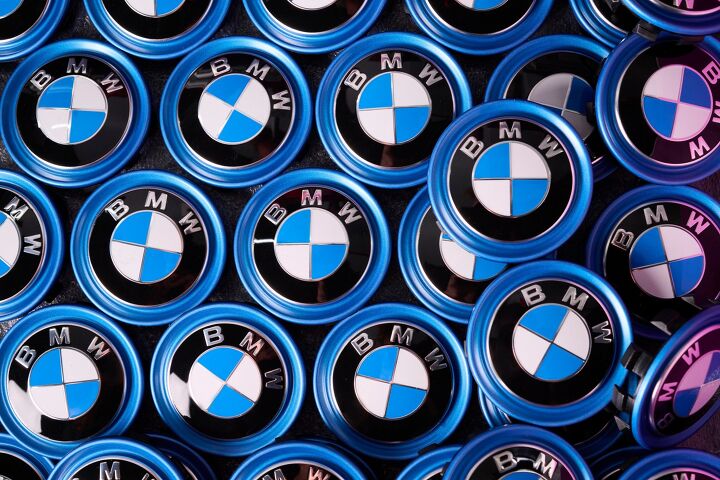
The Dutch government’s decision to seize control of chipmaker Nexperia has roiled Europe’s auto industry. On September 30, The Hague invoked the rarely used Goods Availability Act to take oversight of Nexperia, citing “serious governance shortcomings” and the risk of technology transfer to its Chinese owner, Wingtech.
Could China Really Make EVs Explode With One Line Of Code?

Experts are warning about the risks of connected cars built in China. At the Australian Financial Review Cyber Summit earlier this week, cybersecurity expert Alastair MacGibbon cautioned that millions of imported connected devices—including EVs—could become tools for hybrid warfare if China really wanted to.
How Much Does The 'Average Car' Cost In Other Countries?
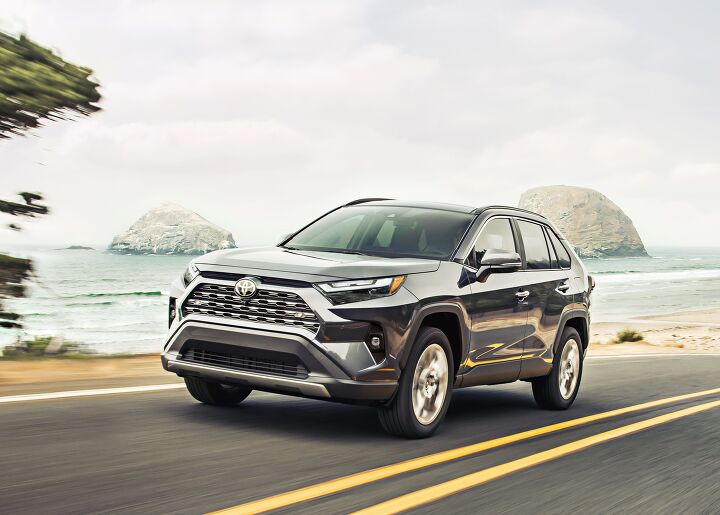
We’ve probably said it a hundred times over the last several years and we’ll continue saying it until the situation improves. North American vehicle prices are totally out of whack in relation to what consumers can actually afford. Reports presently have the average person spending just shy of $50,000 on a new vehicle in the United States while Canadians are spending roughly $64,500 CAD — about $47,000 USD. But what are people spending in the rest of the world?
Report: China Tells Automakers To Stop Lowering Prices
While Chinese-built EVs are seeing an uptick in global sales, particularly in Europe, the home market has grown concerned that oversupply has become a massive issue. China’s government has reportedly asked the automotive sector to stop lowering prices.
Report: Parts of China Are Running Out of Car-Buying Subsidies
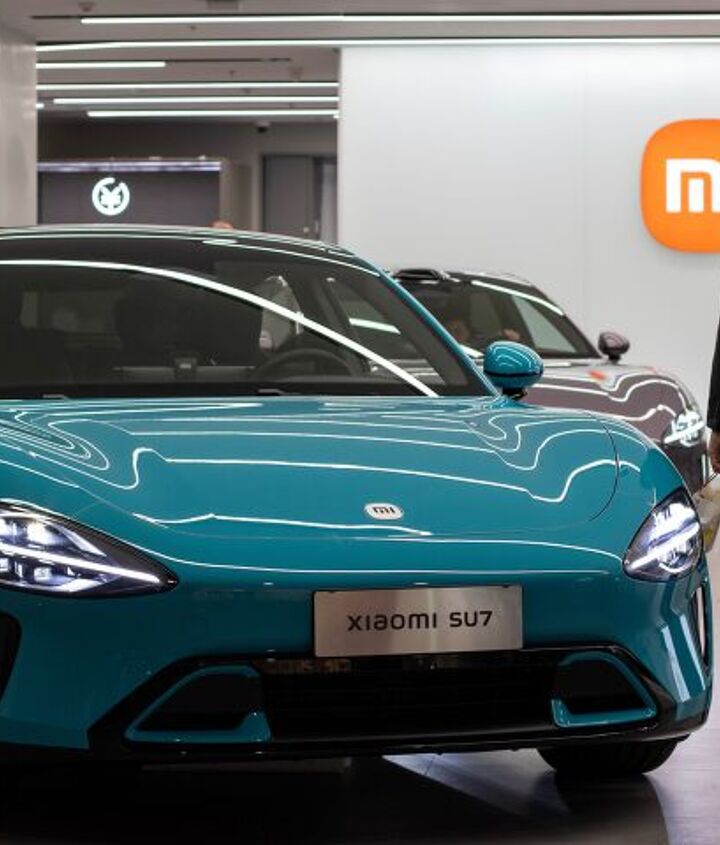
Reports are claiming that several major Chinese cities are suspending some automotive incentives due to a lack of funding. China has numerous trade-in subsidies on goods, including vehicles. The intention is for this to spur the economy and drive commerce. But there are concerns that losing the incentives could hurt automotive sales stemming from both Eastern and Western brands.
Trump Approves New Trade Deal With China
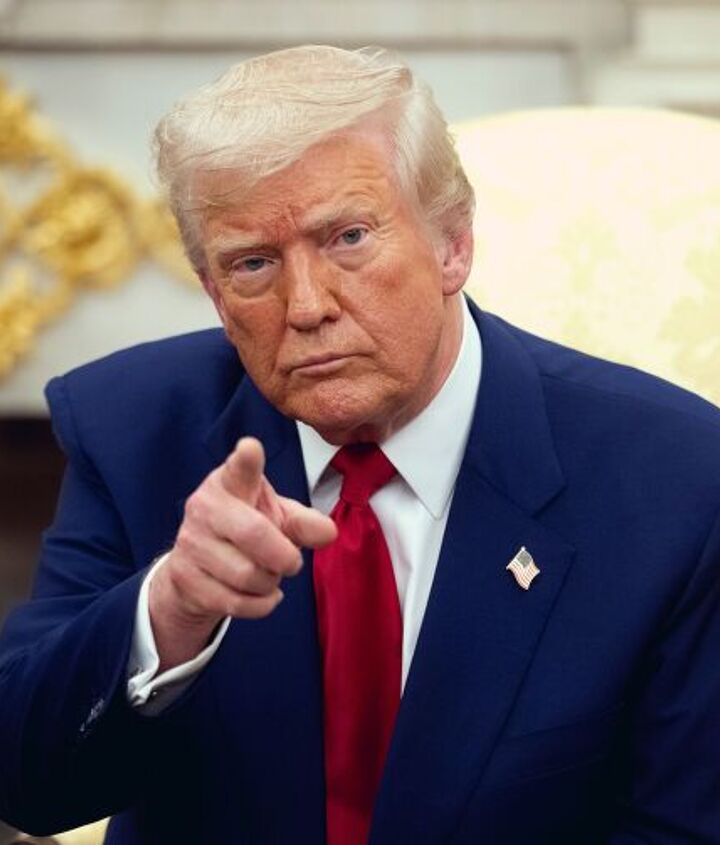
On Wednesday, Donald Trump announced his endorsement of a US-China trade deal negotiated in London. The arrangement would reportedly allow the United States access to rare earth minerals and magnets necessary for automotive production while still raising tariffs on Beijing to 55 percent.
China’s BYD Going Big Mode in South Africa
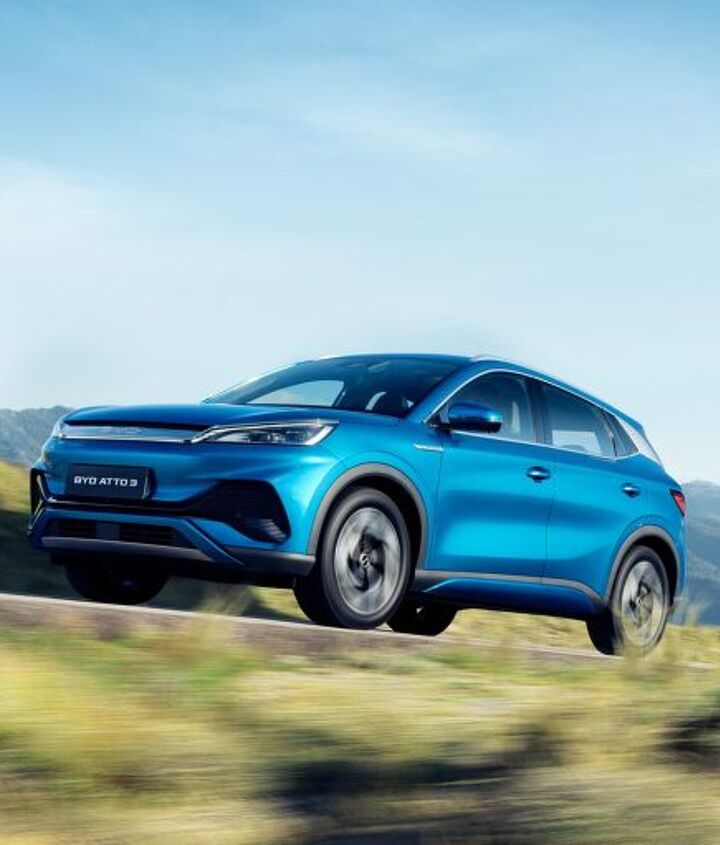
The electrically focused BYD has announced plans to grow operations in South Africa through 2026. Reports have suggested that the Chinese automaker has issued a target of nearly tripling its dealer network inside the country.
Auto Industry Warns New Supply Shortage Could Impact Production and Jobs
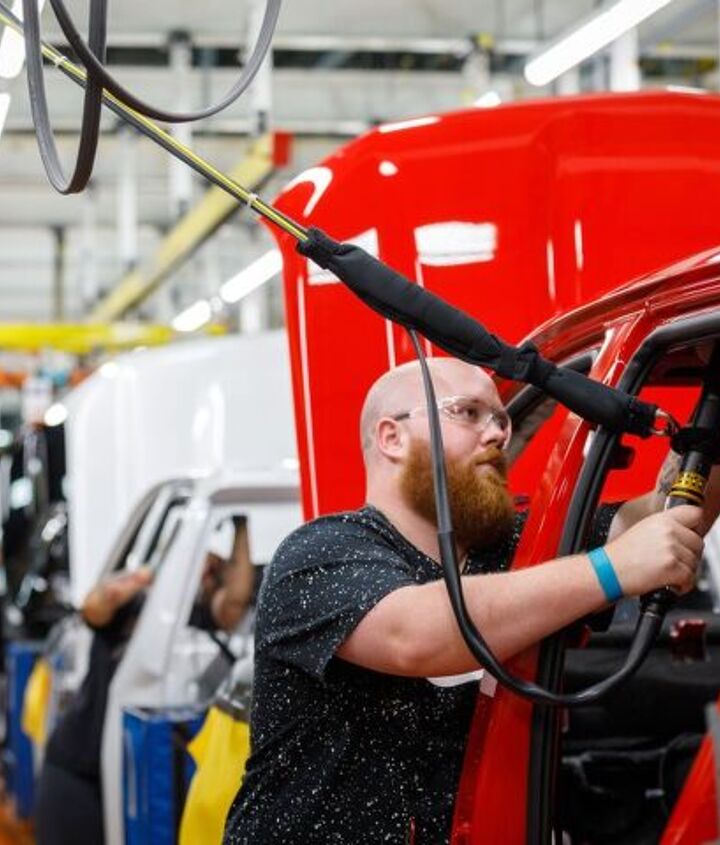
The automotive industry appears to have come to the realization that China controls nearly every meaningful supply chain that pertains to building cars. Last week, automotive executives were specifically expressing concerns about a potential shortage of rare-earth magnets forcing production stoppages and factory closures. While that sounds like it’ll primarily be a problem for the drive motors all-electric vehicles, the issue is supposed to be all encompassing.
Chinese Government Probes Automakers Over Fake Used Cars
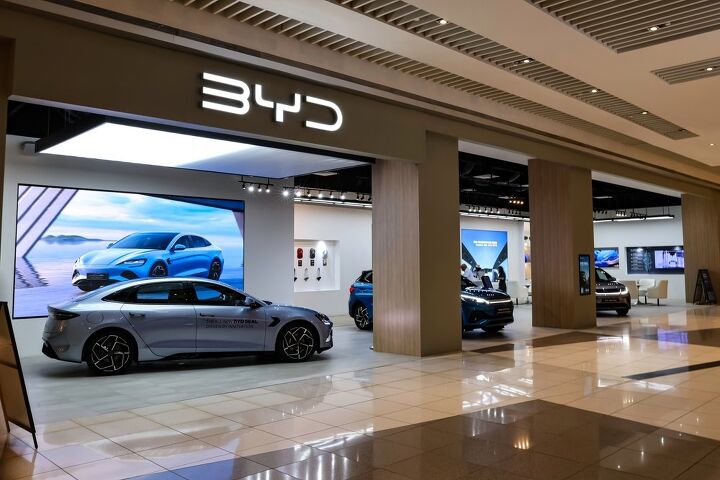
Reports have alleged that China’s Ministry of Commerce has been looking into automakers over concerns that they may have misrepresented new vehicle sales. Apparently, there have been a sizable number of “zero-mile vehicles” appearing on used lots, suggesting companies may have been handing brand-new vehicles to dealers at a large discount to help pad monthly sales figures.
Survey: A Majority of U.S. Auto Execs Believe Chinese Vehicles Will Eventually Come Stateside
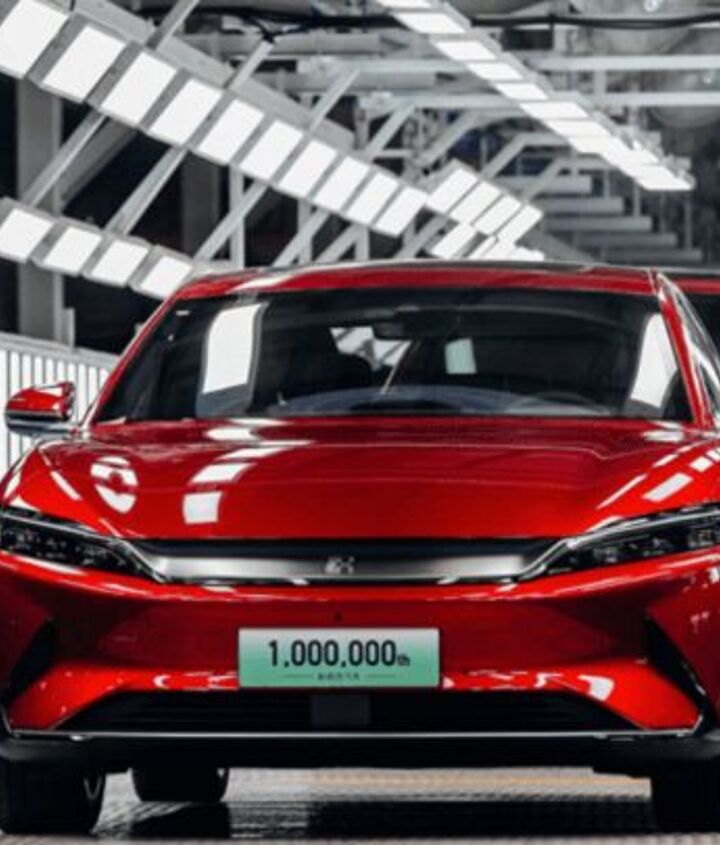
The U.S. government’s trade and tariff policies make it seem like we’ll never see Chinese vehicles for sale in our country, but automotive industry executives don’t see it that way. A recent survey from Kerrigan Advisors found that 76 percent of automotive leaders believe Chinese automakers will eventually find their way to the States.

Porsche May Abandon Chinese EV Sales Efforts
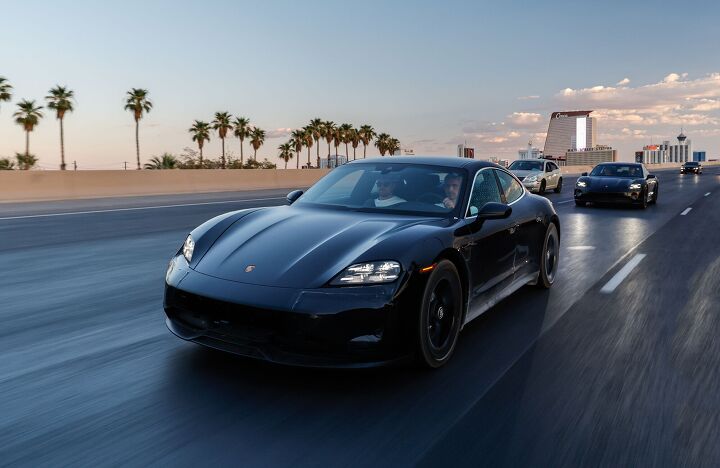
Electric vehicles are a tough business anywhere in the world, but the situation in China is brutal for outside automakers. Chinese brands produce a staggering variety of EVs, making it hard for foreign companies to compete, even Porsche. The company saw a significant slide in sales last year, dropping by 28 percent, and 2025 promises to be even more challenging.
Honda Announces a Pair of Jointly-Developed EVs for China
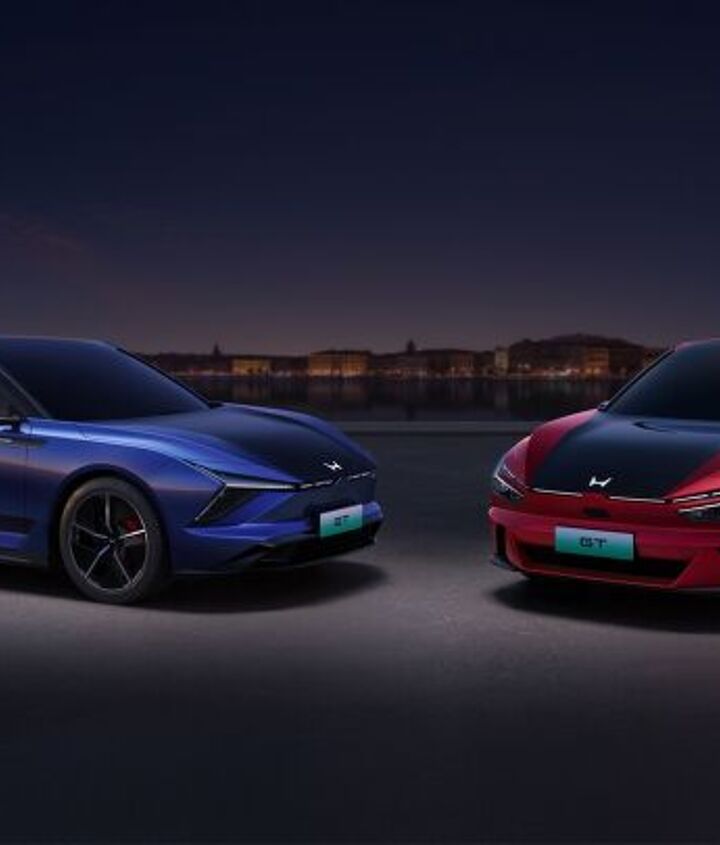
Honda only has one EV on sale in the U.S. right now, and it’s built by General Motors. Despite that, the automaker is working with partners in other countries to produce a range of electric models that may never make their way to the States. The latest is the Honda GT, a sleek electric sedan produced by GAC Honda and Dongfeng Honda for the Chinese market.
China Pumps Brakes On Critical Exports Related to U.S. Autos and Defense Industries

China is one of the world’s most prolific exporters of rare earth metals and raw materials needed to build everything from electric vehicles to fighter jets. The U.S. relies heavily on those components, including in the automotive industry, which is why China’s recent decision to halt exports could be extremely disruptive.
Tesla Pauses Model S and Model X Orders In China As Tariffs Take Hold

Due to its U.S.-heavy oper Add Anchor text here ations, Tesla is expected to weather the tariff storm better than other automakers, but reciprocal actions from the Chinese government have caused some headaches for the American company. Tesla recently stopped taking new vehicle orders for the Model S and Model X in China, a move that follows China’s announcement that it would enact 125 percent tariffs on imported U.S. goods starting April 12.
Report: Tariffs Could Lead To Halt In Auto Production

Automotive intelligence firm S&P Global Mobility is predicting that if President Donald Trump's proposed tariffs lead to a trade war, there's a 50 percent chance that the auto industry could enter a long period of disruption.
It's Happening: Trump Administration Confirms Tariffs
The Trump administration has confirmed that tariffs levied against goods built in Canada, China, and Mexico will begin tomorrow.
Report: BYD Factory Workers Held Under Abusive Contracts In Brazil
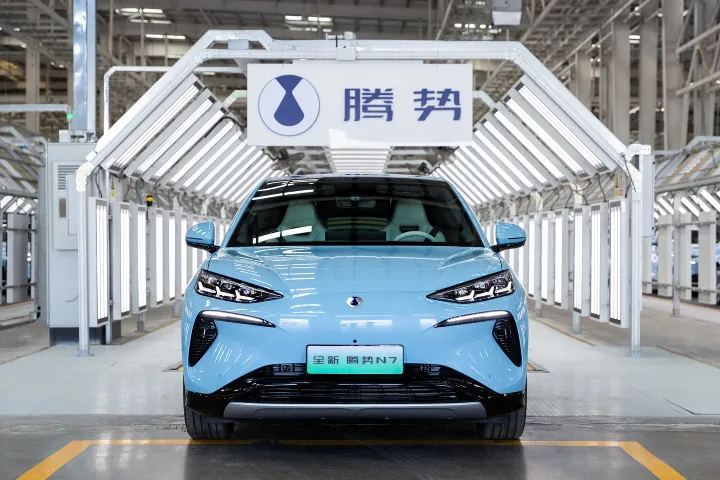
Late last year, we reported that Brazilian authorities had opened an investigation into BYD over reports of slavery at its contractors’ facilities in the country. We now have more details on what happened, and it doesn’t sound good.
Newly Finalized China Trade Rules Could Pose An Existential Crisis for Polestar
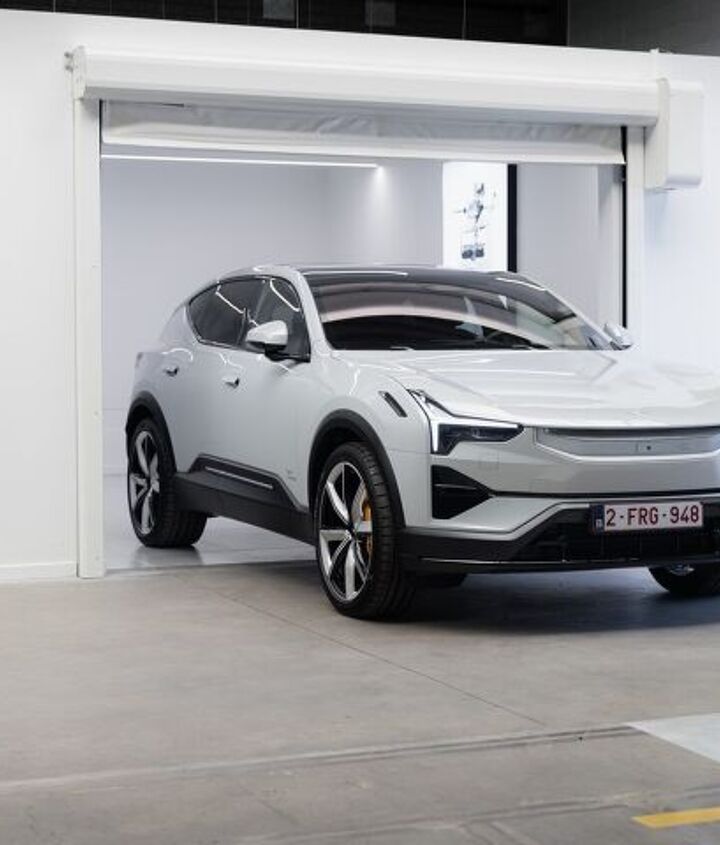
We’ve been hearing about the Biden Administration’s desire to block Chinese vehicles from entering the U.S. market, but it was only recently finalized. The new rules will have a significant impact on vehicles from many global automakers, especially Polestar, which could effectively be banned.
Brazilian Authorities Are Investigating BYD Over Reports of Slavery
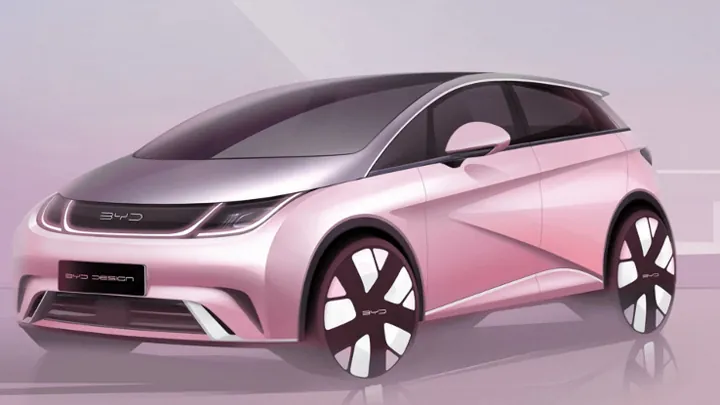
Chinese industry is no stranger to slavery and forced labor allegations, but the reports are usually about workers within the country. China’s BYD, its largest EV manufacturer, is breaking that trend with reports that workers building its new factory in Brazil were kept in “slavery-like” conditions, leading the South American country to stop issuing temporary work visas for the company’s employees.
QOTD: Do Any Chinese-Mexican Chevrolets Catch Your Eye?
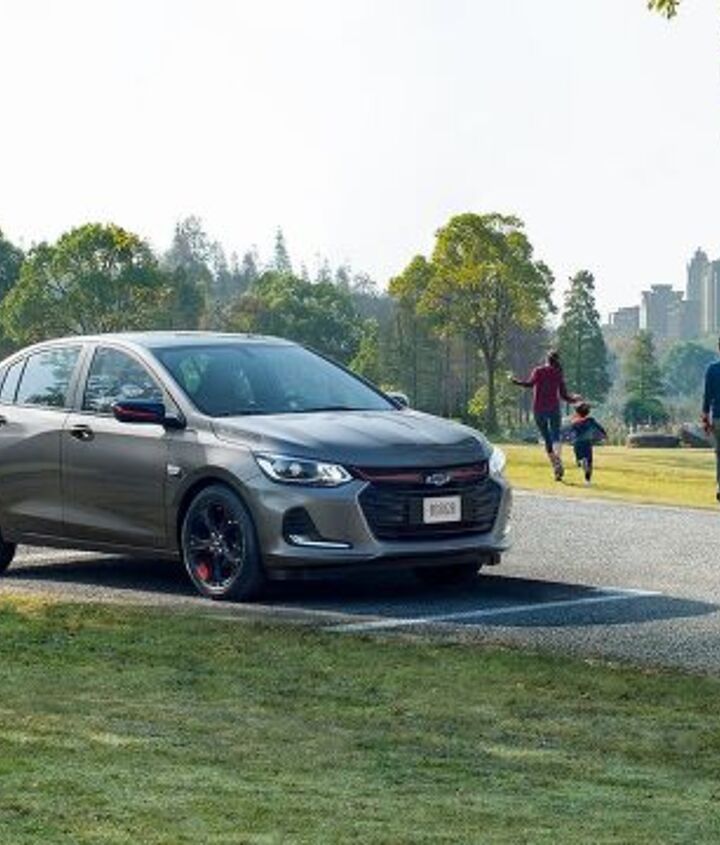
While recording today's podcast I found myself intrigued by several of the Chinese-built Chevrolets sold in Mexico.
Newly Proposed Commerce Department Rules Could Prohibit Polestar from Operating In the U.S.

The U.S. federal government has been going hard on Chinese products lately, especially in the automotive sector. Following announcements of heavy tariffs and a proposed ban on Chinese hardware and software, Polestar is sounding the alarms. The Geely-owned automaker recently said the moves would “effectively prohibit” the sale of its vehicles in the U.S., which would also include the models it builds in South Carolina.
QOTD: What to Do About China?
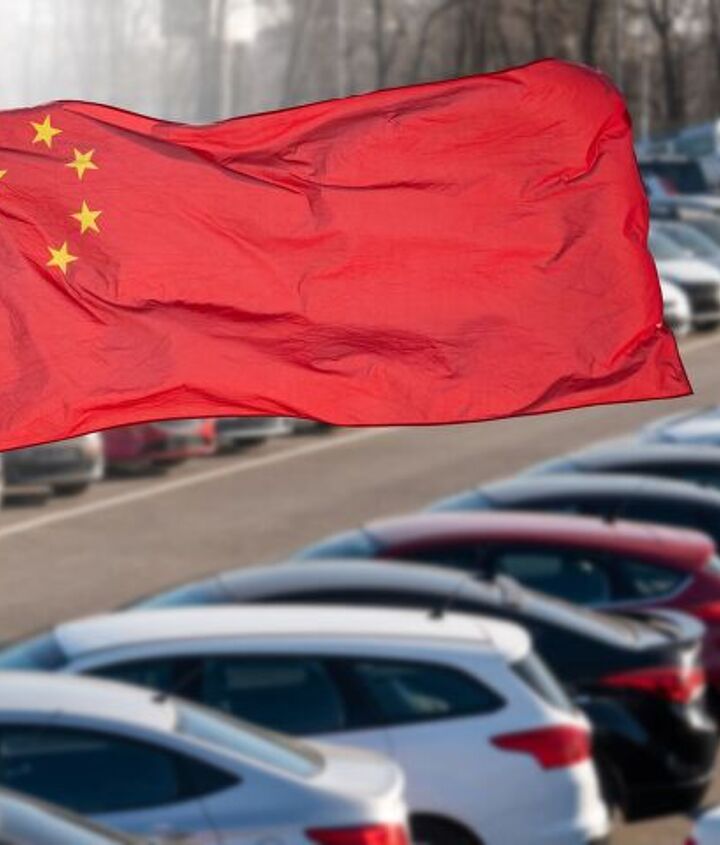
It seems to be a bipartisan effort to keep Chinese automakers from coming in to the States and beating the brakes off of the American, European, and non-Chinese Asian automakers.
U.S. Automakers May Have to Stop Selling Chinese-Built Vehicles Here

The United States’ tariffs on Chinese vehicles has obvious targets in the well-known automakers from the country, but American companies will see significant impacts from the changes. A recent report from Reuters shows that Ford and General Motors both import vehicles built in China for sale in the U.S., and may need to move production elsewhere.
Senator Marco Rubio Wants To Prevent Chinese Automakers from Selling Vehicles Built in Other Countries

The United States government has pulled out massive tariffs in an attempt to prevent Chinese automakers from flooding the market with cheap vehicles, but the country’s industry has found loopholes that could help it get around those actions, including manufacturing vehicles in other countries. One Senator recently proposed legislation that could block Chinese automakers from selling vehicles manufactured in other countries, evading U.S. tariffs.
Ford CEO Said Chinese Automakers Represent An "Existential Threat"

American automakers have largely ignored Chinese vehicles, as they’ve traditionally been viewed as knockoffs of existing models, but that attitude is shifting – hard. Following a recent trip to China, which involved driving locally-produced vehicles, Ford CEO Jim Farley shared his thoughts, expressing concern that Chinese automakers have progressed into an “existential threat.”
GM Said To Be In Talks With Japanese Supplier To Build Chinese Batteries Domestically

General Motors is reportedly in talks to purchase electric vehicle batteries from China’s Contemporary Amperex Technology (CATL) with the twist being that the cells would technically be assembled inside the United States as part of an operation funded and overseen by the Japanese multinational TDK Corporation.
Canada Hits Chinese EVs With Huge Tariffs

Canadian Prime Minister Justin Trudeau announced Canada will impose a 100% tariff on the import of Chinese electric vehicles, as well as a 25% tariff on imported steel and aluminum from China.

EU Slashing Tariffs on China-Built Teslas

Don’t look now, but the EU has seemingly decided that some EVs built in China are a lot more palatable to its economic climate than others.

US Plans To Ban Chinese Software In Cars

The U.S. Commerce Department is gearing up to throw a wrench into the gears of autonomous and connected vehicles, but this isn’t just about safety or emissions.
Chinese Car Buyers Recently Scooped Up More EVs and PHEVs Than Gas Vehicles for the First Time

Electric vehicle market share is growing in the U.S., but it hasn’t climbed anywhere near the heights seen in other markets. Chinese car buyers are among the most prolific EV and PHEV buyers in the world, and the country recently saw their sales numbers eclipse those of gas vehicles for the first time.
China refers to the two vehicle types as “new energy vehicles,” or NEVs. Their July sales increased 37 percent over July 2023, accounting for almost 51 percent of new car sales. The numbers also represent a 28.6 percent jump between June and July of this year.
QOTD: Would You Buy a Chinese Car?
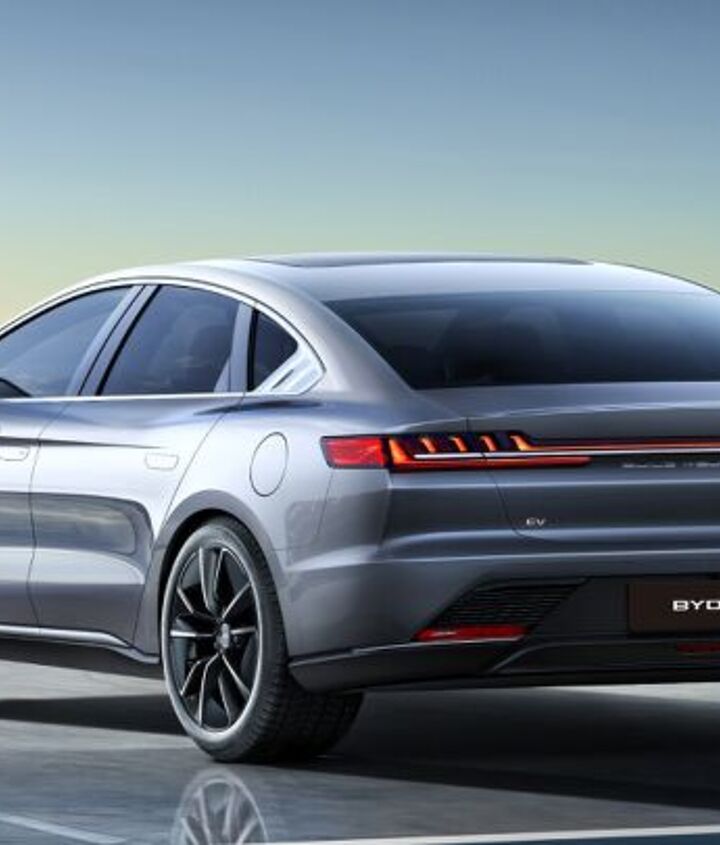
Way back in May, I asked you if Chinese automakers are going to come to the States and eat other OEMs' lunches.
Today, I am going to follow up with our podcast and ask you: Would you buy a Chinese car?
Here's Why Younger Car Buyers Are More Open to Chinese Cars
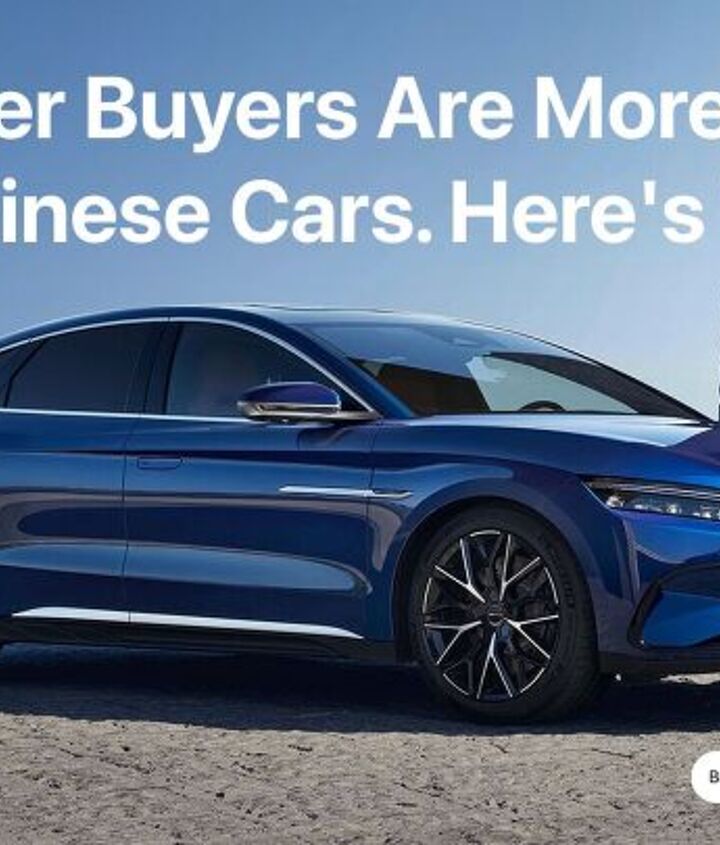
Hey all, it's podcast time again!
This week we chat with Robby DeGraff from AutoPacific about why younger buyers are more open to buying Chinese cars, despite potential privacy concerns.
Here's Why This Journalist Saw the VW Investment in Rivian Coming a Year Ago.

It wasn't a prediction, exactly, but journalist Peter Ramsay from EVInFocus.com did some reporting last year that suggested executives were calling for Volkswagen to invest in Rivian.
Study Suggests China Could Produce A Third Of The World’s Vehicles By 2030
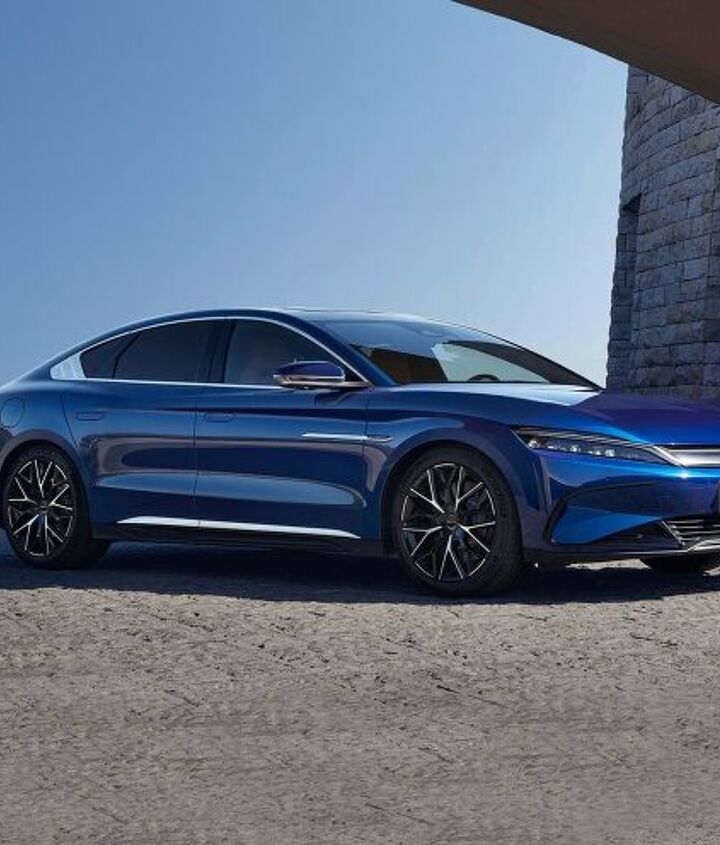
With Chinese automakers making headway on numerous markets, there’s a lot of speculation regarding what the industry might look like in a few years. Financial advisory and consulting firm AlixPartners has released a study exploring this, suggesting that China may represent one-third of the world’s vehicle production by 2030.
The EU Will Place Stout Tariffs On Chinese EVs Starting in July
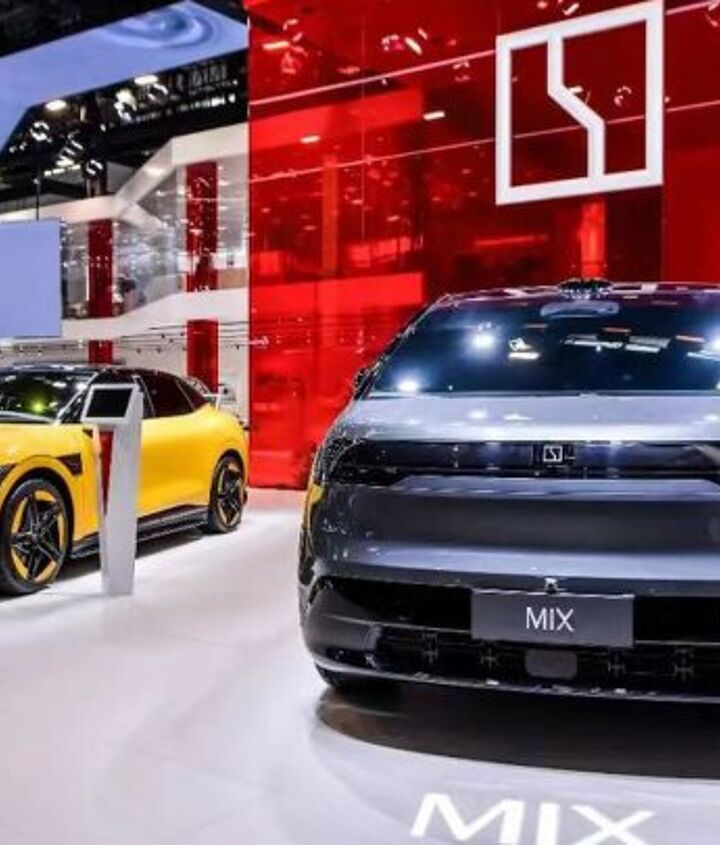
President Biden made news earlier this year when he announced heavy tariffs on Chinese EVs, but the Americans won’t be the only ones imposing tariffs on vehicles from the country. The European Union plans to add as much as 38.1 percent on EVs shipped from China this summer, though individual duties on automakers will vary.
AutoPacific: Younger Buyers More Willing to Look At Chinese Brands
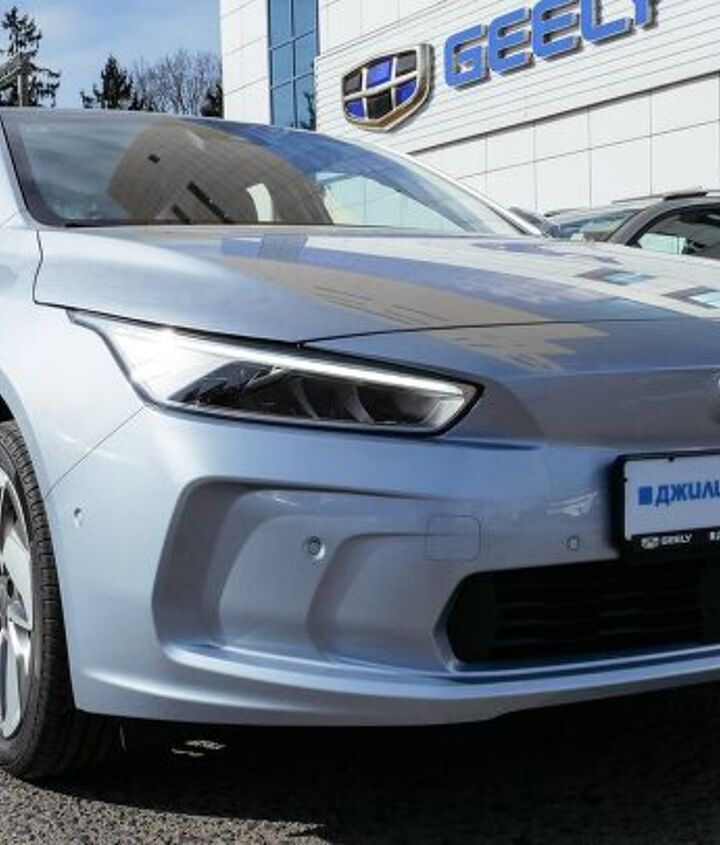
The U.S. is set to implement harsh tariffs on Chinese vehicles, and many lawmakers have expressed grave privacy concerns, but those issues haven’t squashed younger buyers’ curiosity. AutoPacific’s recent study found that 35 percent of respondents between 18 and 80 years old said they would consider a Chinese car, and a whopping 76 percent of people under 40 responded that way.
Report: Some Automakers Continued Using Parts Tied to Chinese Forced Labor After 2021 Ban
A few years ago, Congress passed legislation banning imported goods from Chinese companies that were believed to use forced labor, but some automakers have been accused of skirting those rules. BMW, Jaguar-Land Rover, and Volkswagen used parts from a sanctioned company, according to a new report from lawmakers.
QOTD: Are Tariffs The Right Move?
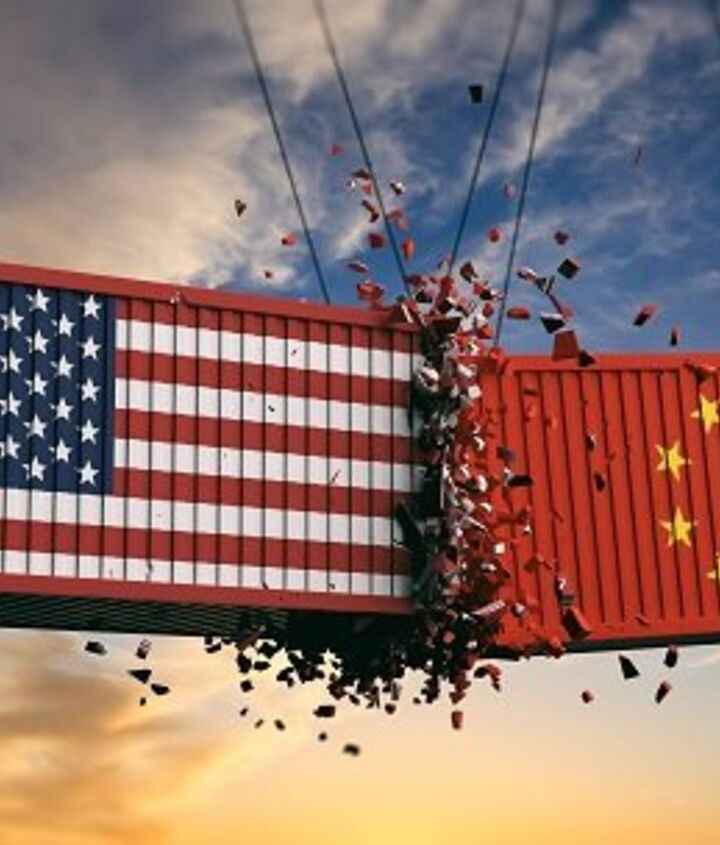
Two days ago President Biden announced heavy tariff increases on China that will push tariffs on Chinese-built electric vehicles past 100 percent.
BYD Debuts PHEV Pickup Truck for Mexican Buyers
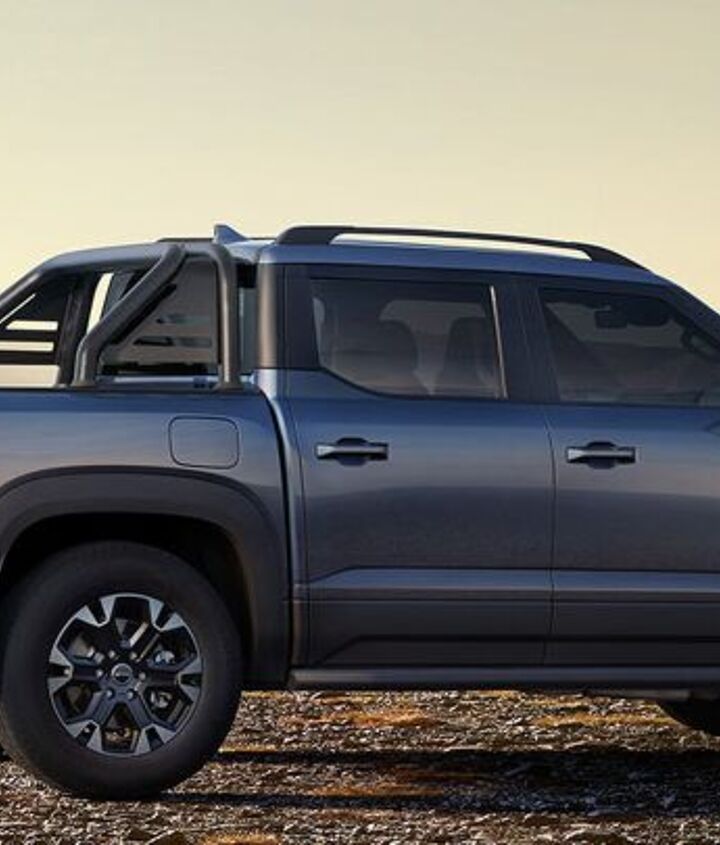
Chinese automaker BYD (Build Your Dreams) doesn’t currently sell vehicles in the U.S., but it’s coming awfully close to our borders. It recently revealed a plug-in hybrid truck for the Mexican market, but said it has no plans to bring it north of the border – for now.
Tariffs On Chinese EVs Now Exceed 100 Percent
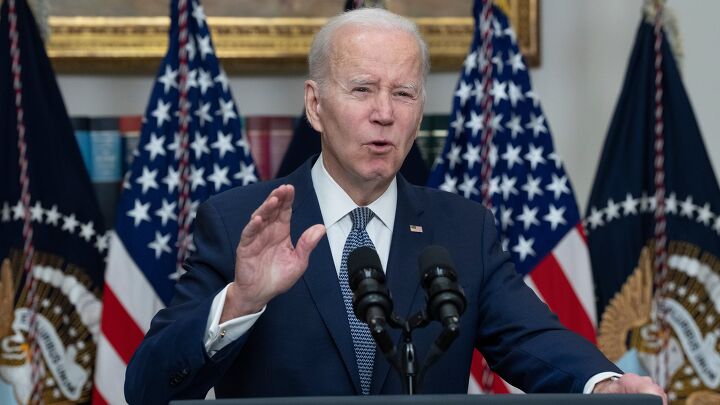
It’s no secret that Chinese automakers are rapidly expanding into international markets, but the U.S. is determined to make it as difficult as possible for them to gain a foothold here. President Biden recently announced sharp tariff increases on Chinese goods that range from consumer electronics to EVs, pushing the country’s government to promise retaliatory measures.
QOTD: Will Chinese Automakers Eat Everyone's Lunch?
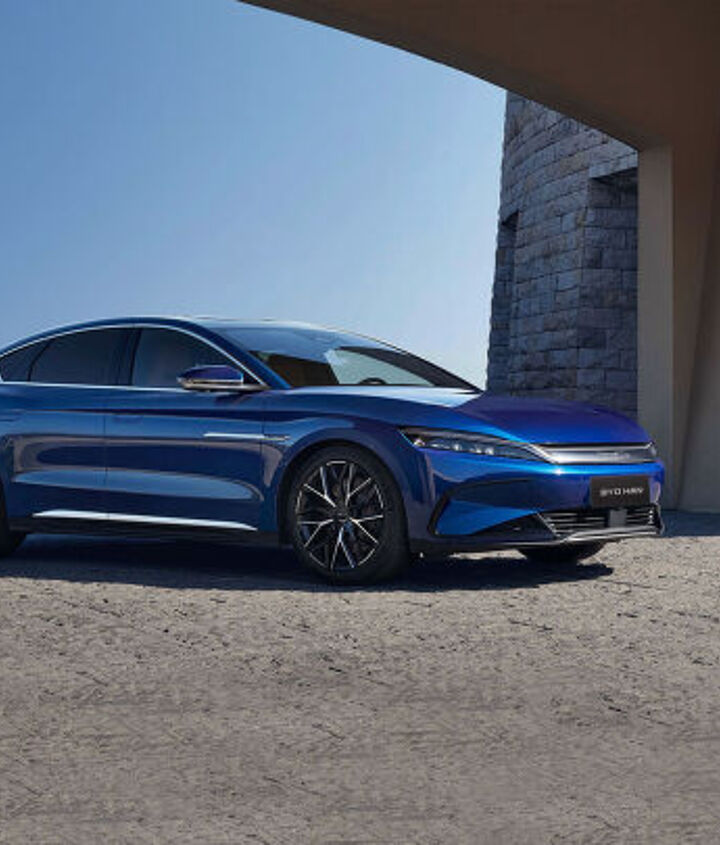
I just finished reading a piece that's been bouncing around the Internet for a few days now.
Inside EVs sent automotive journalist Kevin Williams to the Beijing Auto Show, and Williams walked away feeling like Chinese automakers are, generally speaking, building cars that could come to the States and immediately steal plenty of buyers from American, European, Japanese, and Korean automakers.
U.S. Commerce Secretary: U.S. Eying Strong Action Against Chinese Connected Vehicles
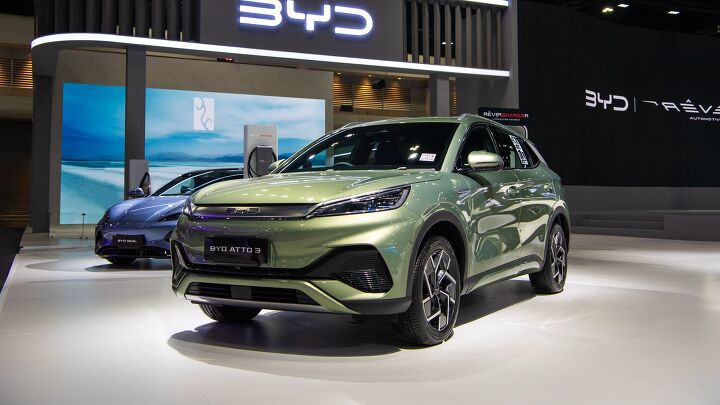
U.S. lawmakers and regulators understandably have a hard time allowing anything with a connection to China into the lives of American consumers, especially connected devices like smartphones and computers. Vehicles are increasingly becoming the “next big thing” when it comes to connected services, and the U.S. Commerce Secretary warned that Chinese connected cars could be next under the ban hammer.
Report: Honda e:Ny1 to Drop Terrible Name
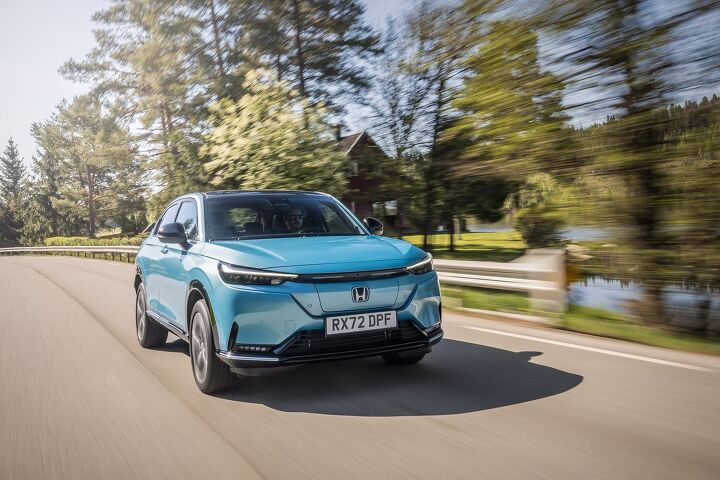
Honda is said to be changing the naming of its electric cars after customers, particularly those in China, found its name to be exceptionally difficult to pronounce. However, they weren’t the only ones. Europeans likewise didn’t appreciate the name, nor the odd choice of punctuation and capitalization that seems to plague some all-electric vehicles.
White House Vows to Investigate Security Risks Posed by Foreign-Connected Vehicle Tech
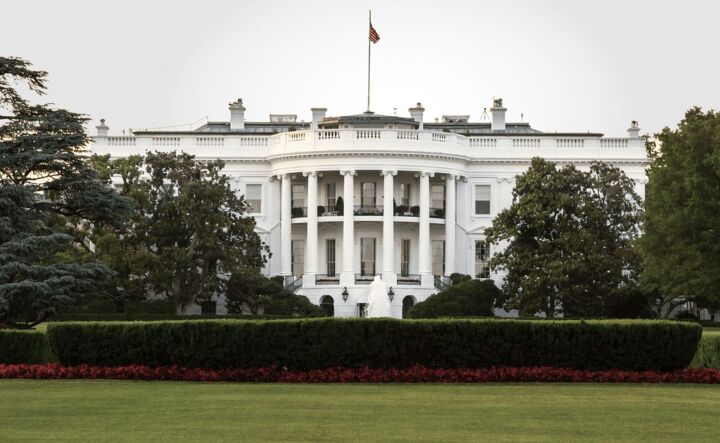
On Thursday, the Biden administration announced plans to investigate the potential national security risks being confronted by American automakers and any threats posed by connected vehicle technologies controlled by foreign adversaries — including China.
China’s BYD Says Prospective Mexican Plant Won’t Export to U.S.
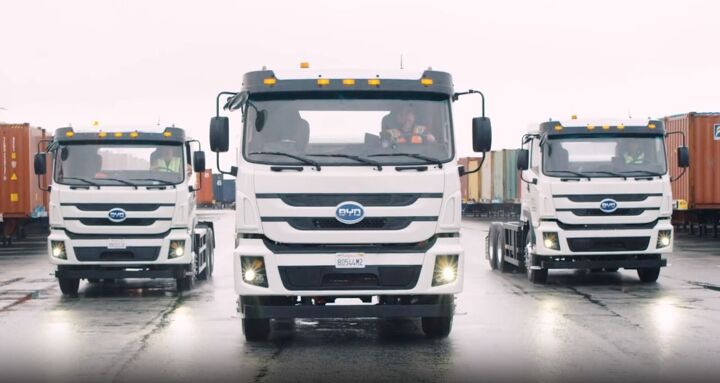
Chinese automaker BYD has been seeking to build an automotive plant in Mexico, with the company’s regional chief executive confirming the plan on Wednesday. CEO Stella Li has stated that BYD has yet to decide upon a final location. But that plan is for the site to boast a production capacity of 150,000 vehicles annually, with none being slated for export to the United States.
Senate Bill Seeks to Tariff Chinese Vehicles Out of Existence
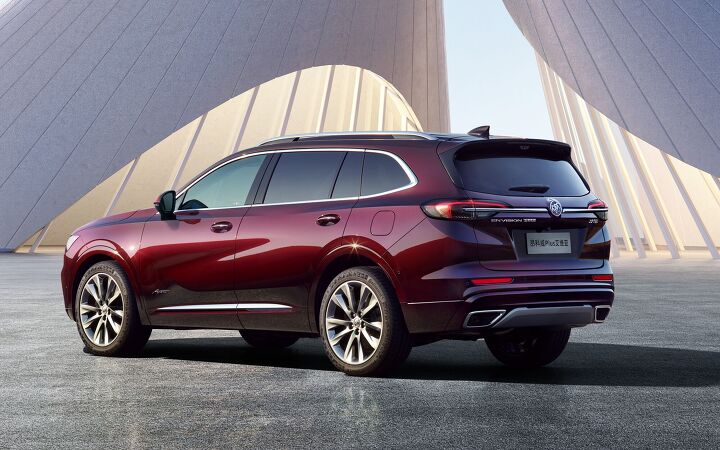
This week, Senator Josh Hawley (R-MO) is introducing legislation to increase tariffs on imported Chinese vehicles this week with the stated goal of dealing with the “existential threat posed by China.”
The bill seeks to raise the base tariff rate from 2.5 percent to 100 percent, including vehicles owned by Chinese-based automakers that are assembled in places like Mexico. With Chinese exports already under a 27.5 percent tariff, the changes would effectively make those products prohibitively expensive.
Imported Audi, Porsche, and Bentley Models Held Back Over Forced Labor Allegations
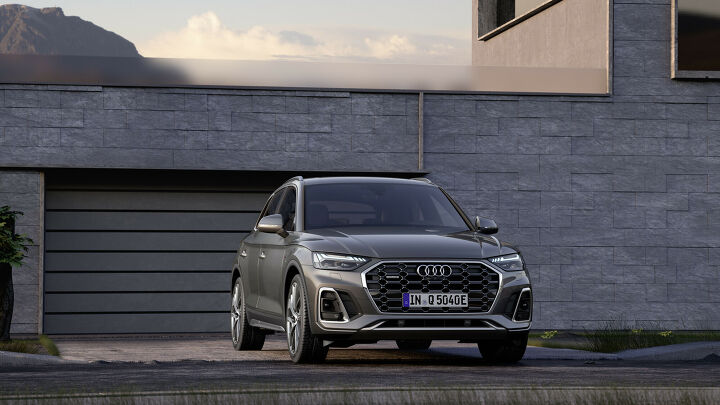
Thousands of vehicles manufactured under the umbrella of Volkswagen Group are being held at U.S. ports for allegedly violating the Uyghur Forced Labor Prevention Act (UFLPA). Enacted in 2021, the law is supposed to prohibit the utilization of slave labor in Western China. While the impacted automakers include Porsche, Bentley and Audi, we’ve seen plenty of brands being accused of leveraging forced labor in the Xinjiang region of China, where the country is said to have forcibly concentrated the Uyghur ethnic minority.






Recent Comments