

Volvo Abandons Lidar Technology After Dropping Supplier

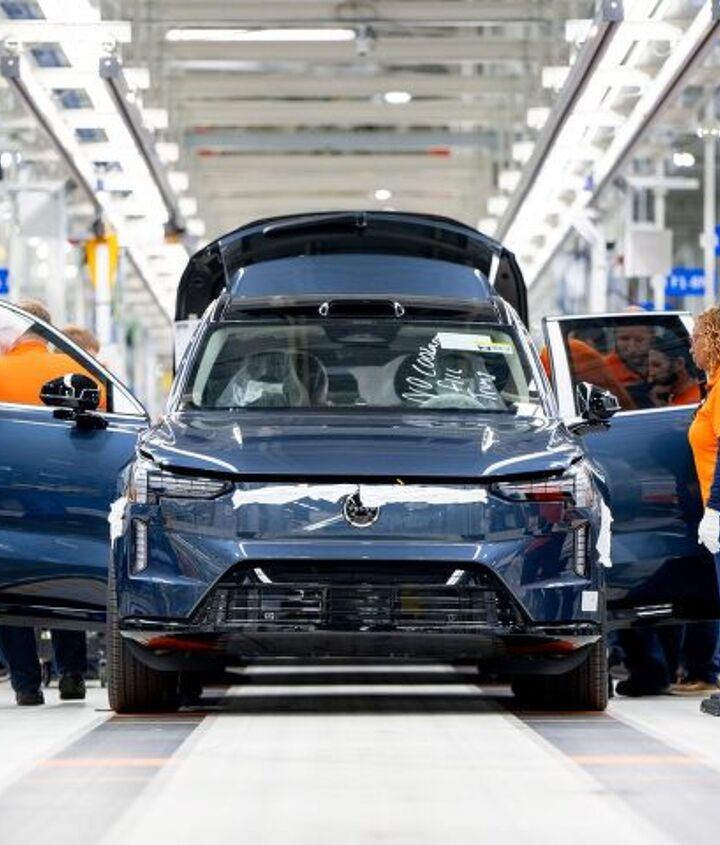
Volvo looks to be abandoning lidar. Viewed by some as an essential technology for advanced driving features and so-called autonomous cars, some companies have managed to achieve promising results without lidar. After seeming wholly committed to the technology, Volvo will now be joining the ranks of those that go without.
However, the company’s reasoning seems to have more to do with supplier issues than technical concerns. The Swedish-Chinese automaker previously made lidar an optional item when it was formerly standard on its most-expensive models.
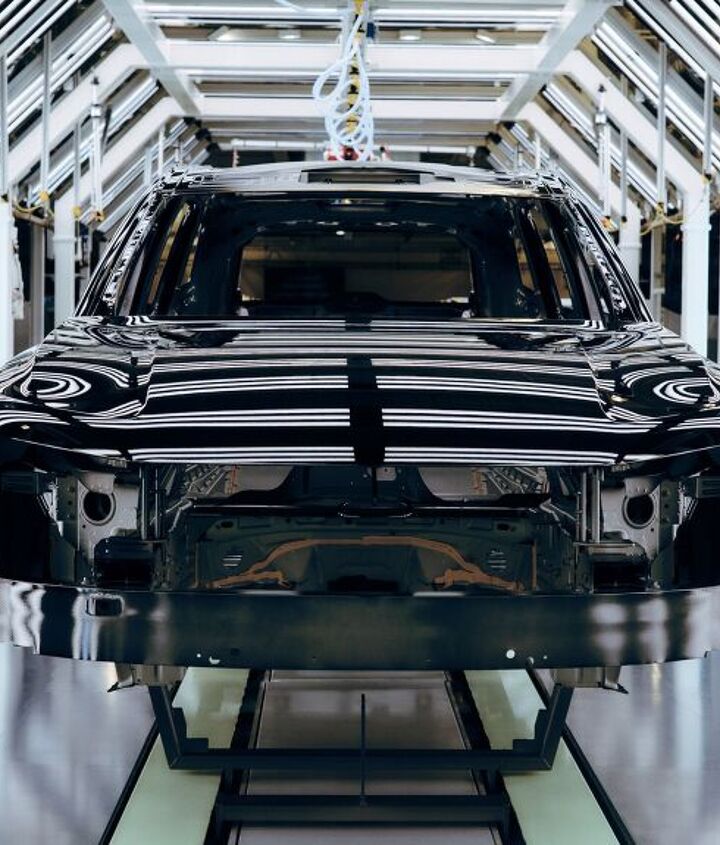
While our initial assumption was that it had everything to do with some owners simply not using the relevant features or the company wanting to upsell the hardware, it came out that Volvo Cars wasn’t getting along with Luminar — the company that supplies its lidar systems.
But, this week, it said it wouldn’t be offering it at all on new models.
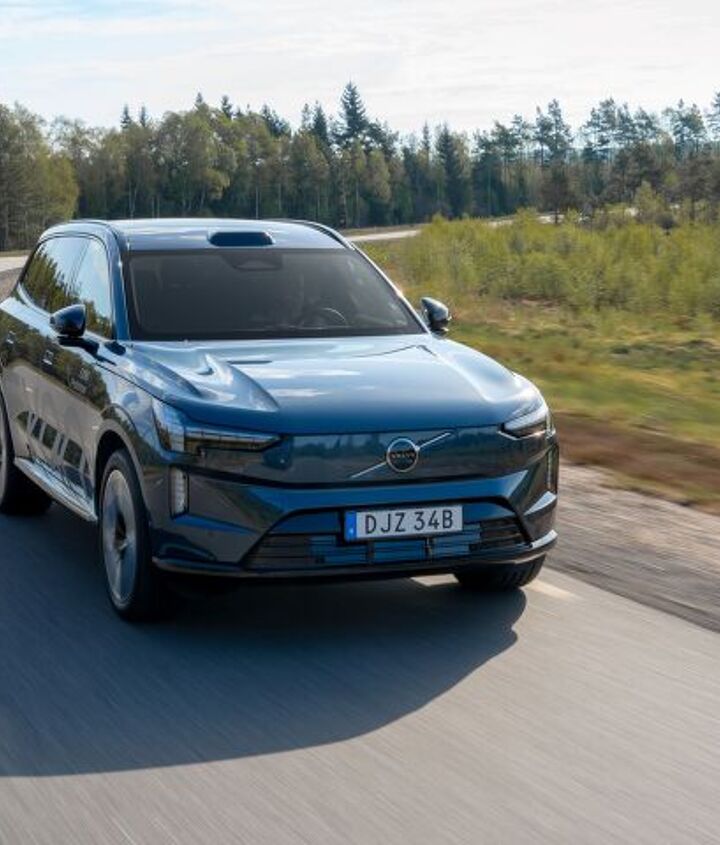
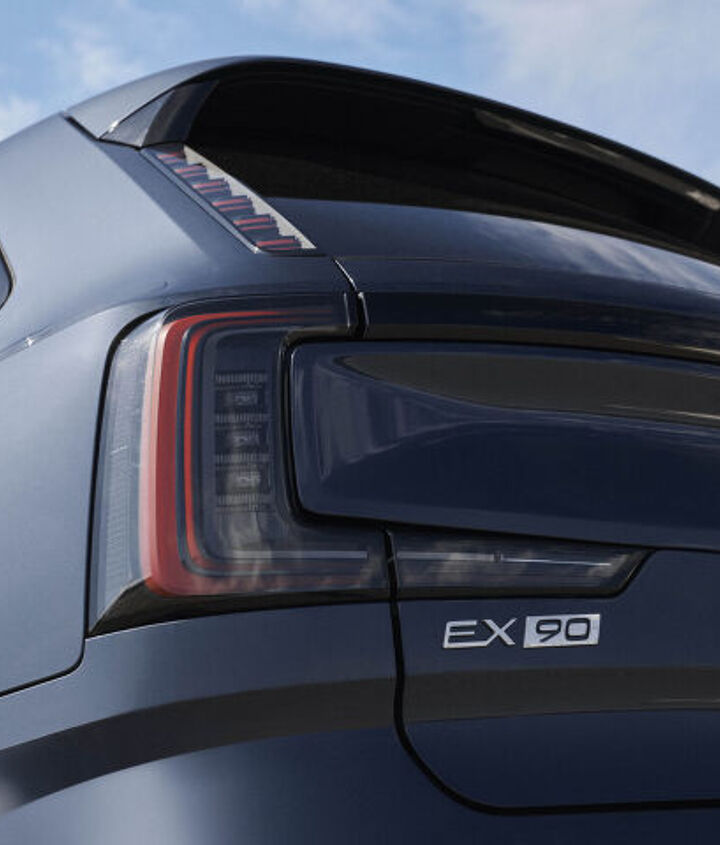
“Volvo Cars has decided to remove the lidar sensor from its EX90 and ES90 cars and discontinue its relationship with supplier Luminar,” a Volvo Cars spokesperson explained to The Drive on Tuesday. “Volvo Cars has made this decision to limit the company’s supply chain risk exposure and it is a direct result of Luminar’s failure to meet its contractual obligations to Volvo Cars.
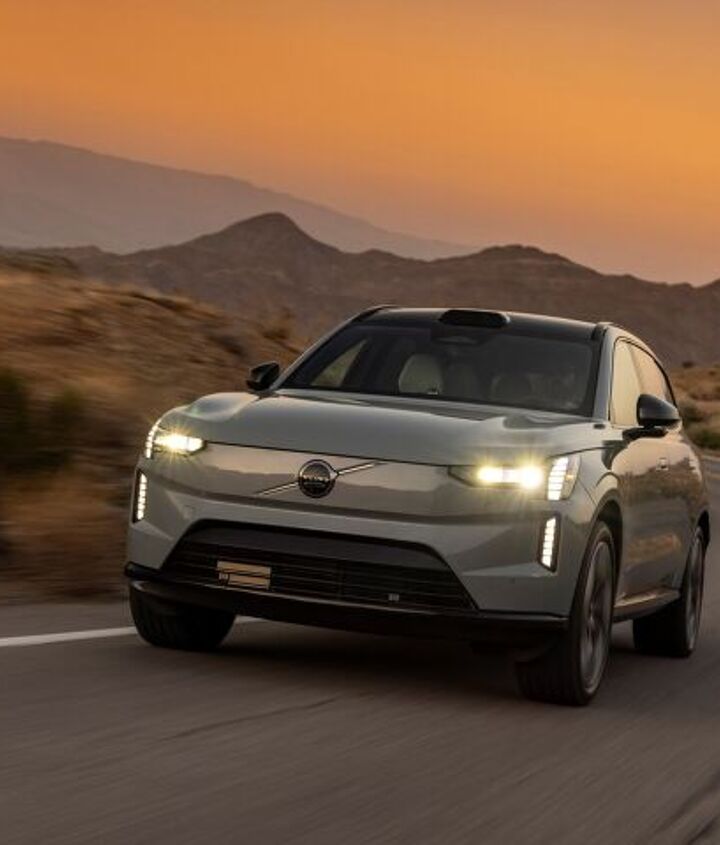
“To meet customer demand, be able to offer the Volvo EX90 and the ES90 cars to more customers as well as limit the company’s supply chain risk exposure, Volvo Cars had previously made the decision to make lidar optional on these vehicles starting 2026. The termination of the agreement with Luminar means lidar will no longer be offered on any EX90 or ES90 car from Model Year 2026 onwards.”
Luminar has been having financial issues. However, it is strange that Volvo seems to be moving away from the technology without an obvious backup plan.
Volvo could be opting to go without lidar henceforth, which is something Tesla has been doing for ages. This proves that you don’t need lidar to offer hands-free driving. But testing has indicated that using both provides the greatest benefit. Camera and lidar based systems both have — for lack of a better term — their own unique blindspots.
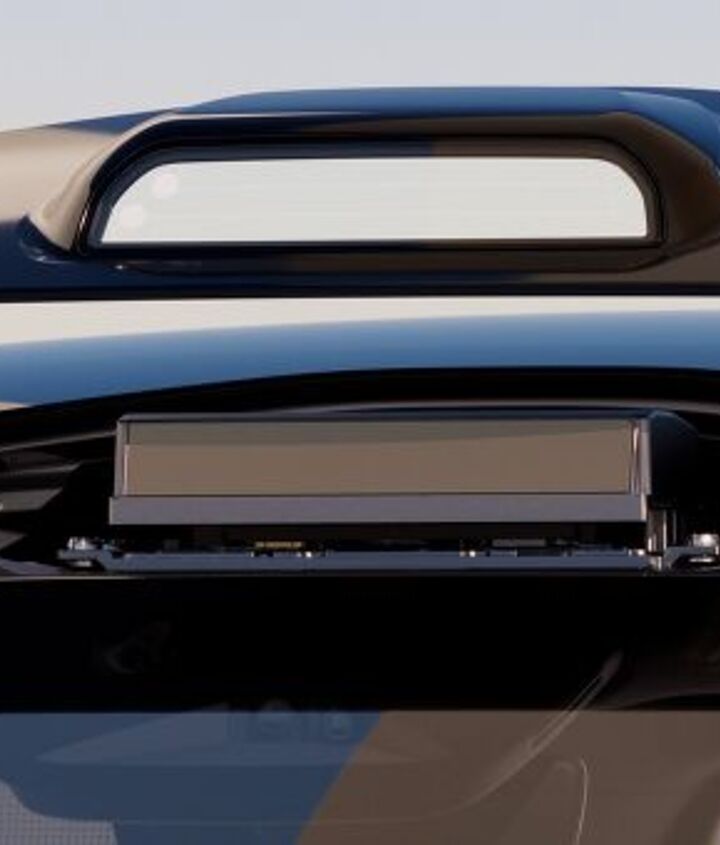
In addition to the obvious privacy concerns, camera systems sometimes have issues interpreting data when visibility is poor. Older systems showed clear problems being blinded by glare. But this has been dealt with by adding additional cameras and improving software.
Lidar also has some limitations. As useful as it is in digitally mapping the road ahead, it can be thrown off by heavy precipitation. Fog is even worse, as it both absorbs and scatters the lasers. This is why you might notice some of the more “advanced” features in your vehicle going offline whenever the weather begins to become uncooperative.
The Drive likewise noted that lidar can damage a camera lens by destroying the pixels on the relevant image sensors and provided video evidence of it happening. That’s something that could become an issue over time, especially since many modern cars also come with camera arrays that are tied to numerous features.
While those producing the technology have assured everyone that it is totally safe and required to meet a minimum safety standard, there have been lingering concerns that every modern vehicle on the road throwing out lasers could pose a long-term health risk to human eyes. The same goes for any cameras equipped to automobiles. However, the wide-angle most vehicular cameras tend to use could help minimize the risk.
Some automakers are clearly pivoting away from lidar-based technologies. While useful for mapping, they’re more expensive than camera-based alternatives. Concerns about recalibration have also raised questions about maintenance. A filthy car can similarly nullify their usefulness, though this also applies to camera-only systems.
We’ll be interested to see if Volvo opts to continue snubbing lidar, or runs back to the technology once it has found a more-agreeable supplier.
[Images: Volvo Cars]
Become a TTAC insider. Get the latest news, features, TTAC takes, and everything else that gets to the truth about cars first by subscribing to our newsletter.
Consumer advocate tracking industry trends and regulations. Before joining TTAC, Matt spent a decade working for marketing and research firms in NYC. Clients included several of the world’s largest automakers, global tire brands, and aftermarket part suppliers. Since adding automotive writing to his repertoire, he has become an ardent supporter of the right-to-repair movement, discussed the status of the automotive sector on national broadcasts, participated in a few amateur rallying events, and driven more rental cars than anyone should ever have to. Handy with a wrench, Matt grew up surrounded by Detroit auto workers and learned to drive by twelve. Alleged to be contrarian, Matt claims to prefer understeer and motorcycles.
More by Matt Posky










Comments
Join the conversation
But it requires brain.
Q: What do you call a "Swedish-Chinese automaker"?
A: Chinese