


DOJ Promises To Decriminalize OBDII Modifications

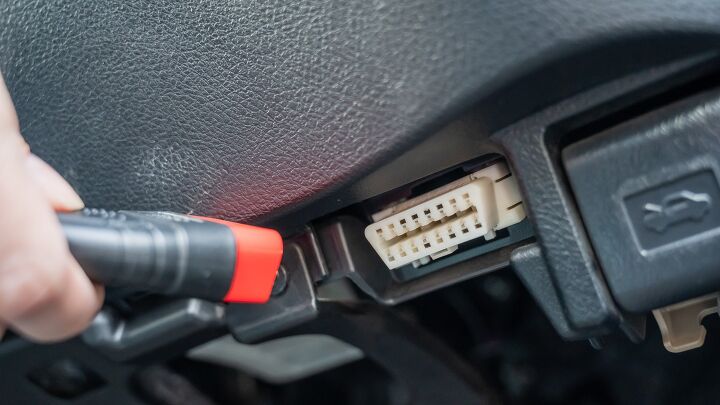
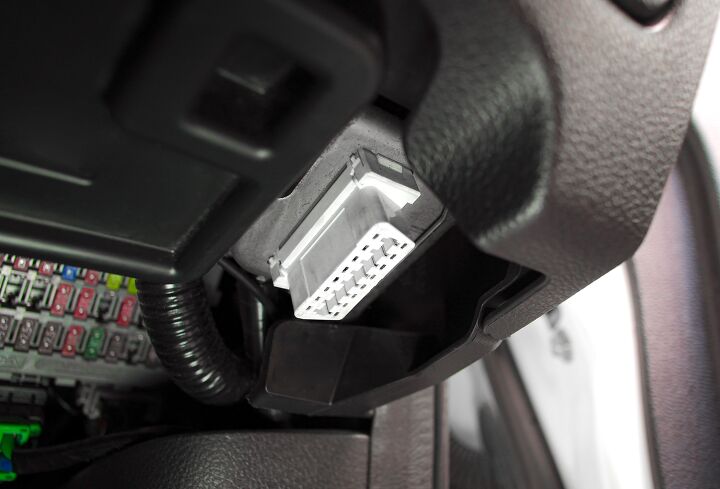
The Department of Justice’s (DOJ) Environment and Natural Resources Division has announced that it has decided, along with the Environmental Protection Agency (EPA), not to criminalize those who use their on-board diagnostics (OBDII) port to modify vehicles. This appears to include changes that would result in violating emission regulations.
“Today, [The Department of Justice] is exercising its enforcement discretion to no longer pursue criminal charges under the Clean Air Act based on allegations of tampering with onboard diagnostic devices in motor vehicles,” the agency announced over social media.
“[The] DOJ is committed to sound enforcement principles, efficient use of government resources, and avoiding overcriminalization of federal environmental law. In partnership with the [Environmental Protection Agency], DOJ will still pursue civil enforcement for these violations when appropriate.”
One could argue that it’s not really tampering if you’re the one that owns the vehicle. Am I tampering with my house when I install a new furnace or water heater?
Language aside, this feels like good news. The government has long been attempting to make examples of businesses (and even some random individuals) for modifying their vehicles, with the Clean Air Act serving as grounds for the criminalization. But it often feels overbearing and typically just creates headaches for the aftermarket industry trying to get new products to market.
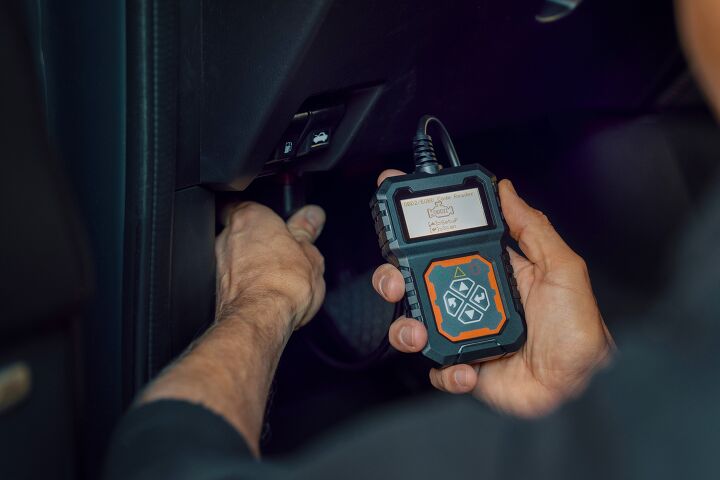
While the Environmental Protection Agency has expressed a desire to be more lenient under the Trump administration, we have yet to see how these changes will manifest. But it seems unlikely that the government is going to let everyone do whatever they want without pushback.
Still, the DOJ was very clear in that emission fines are not going away.
In its coverage, The Drive also noted that civil penalties will undoubtedly remain on the table even if criminal penalties are abandoned, specifically referencing the $1.7 billion Cummins had to pay in 2024 over government claims that it had installed “defeat devices” into 6.7-liter Ram truck engines.
The reason is obvious. Fines are simply too juicy to resist and that’s what looks to drive a large number of political decisions right now. While you’ll probably never get busted for messing with your own vehicle, another diesel-emission fiasco where a business is forced to pay millions seems highly likely. The only real difference is that the relevant executives probably won’t need to worry about serving any jail time.
From The Drive:
While it’s true that this is relevant for the entire automotive aftermarket, it’s especially pertinent to the diesel industry. The outlawed modifications in question have always been far more common with heavy-duty pickups. Owners blame equipment like diesel particulate filters and exhaust gas recirculation systems for drastically restricted performance and fuel economy, as well as poor reliability. It became common practice for shops to either sell products to bypass those components or remove them altogether, often making a lot of money for doing so. That undoubtedly drew the federal government’s attention, and the result has been a years-long fight between previous administrations and the truck tuning industry.
Now, it’s worth noting what the DOJ did not say in its announcement. Nowhere did the feds mention relaxed enforcement when it comes to removing hardware like a truck’s DPF or EGR. This decision does not make all emissions tampering legal. SEMA President and CEO Mike Spagnola addressed this in his public statement following the news:
“This is a welcome end to overly harsh penalties for violations that are otherwise addressed through civil enforcement. SEMA believes in following the law, and federal law is clear with regard to tampering of emissions systems or profiting from the sales of products that enable such behavior. SEMA remains committed to working with federal regulators at the U.S. Environmental Protection Agency to ensure our industry has a voice in the development of policies impacting compliance with federal and state laws with regard to emissions and safety, and creating a path for our industry to continue its innovation.”
Deregulation is something both the public and the automotive sector have been clamoring for. Agencies seem more than happy to comply under the Trump administration, too. But this isn’t going to prevent industry infighting between OEMs and aftermarket companies. It’s very difficult to predict how exactly this new stance will shake down.
As for vehicle owners that just want to modify their car or truck, little will change for them. Odds were always pretty good that nobody was going to send you to jail for tuning your vehicle. But you might see new solutions coming to the market as the pressure is lifted on the aftermarket somewhat.
[Images: Pupsiki/Shutterstock; ronstik/Shutterestock; BLKstudio/Shutterstock]
Become a TTAC insider. Get the latest news, features, TTAC takes, and everything else that gets to the truth about cars first by subscribing to our newsletter.
Consumer advocate tracking industry trends and regulations. Before joining TTAC, Matt spent a decade working for marketing and research firms based in NYC. Clients included several of the world’s largest automakers, global tire brands, and aftermarket part suppliers. Dissatisfied, he pivoted to writing about cars. Since then, he has become an ardent supporter of the right-to-repair movement, been interviewed about the automotive sector by national broadcasts, participated in a few amateur rallying events, and driven more rental cars than anyone ever should. Handy with a wrench, Matt grew up surrounded by Detroit auto workers and learned to drive by twelve. A contrarian, Matt claims to prefer understeer and motorcycles.
More by Matt Posky







Comments
Join the conversation
Like Minnesota. 👍
To think we almost voted Harris / Waltz in office. Nihilistic both of them.