

Question of the Day: Should Fuel Economy Mandates be Tough or Evolutionary?

Today, the Trump administration lowered the corporate average fuel economy (CAFE) from 50.4 mpg to 34.9 mpg by 2031. This applies to passenger cars and light duty trucks. The CAFE at the end of 2024 was 30.1 mpg.

Report: Drivers Pivot Toward Regular Gasoline as Premium Gets Expensive
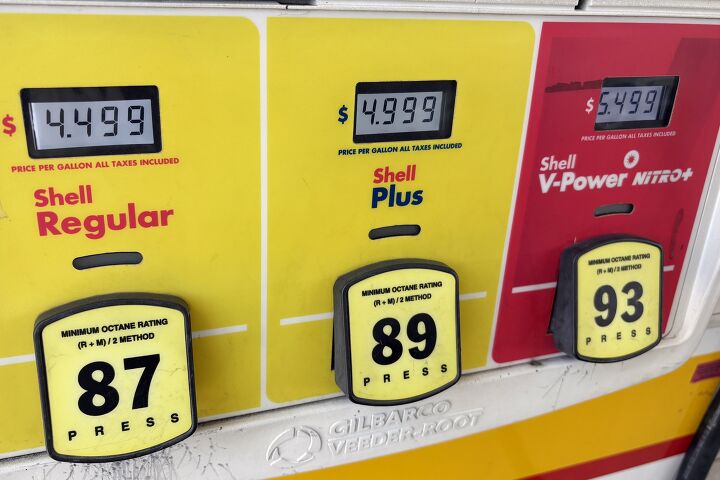
More drivers are reportedly running back to 87 octane as so-called premium fuels continue to outpace North America’s already surging fuel prices.

AMC Goes from Economy Cars to Muscle Cars: Ep2. The Last Independent Automaker
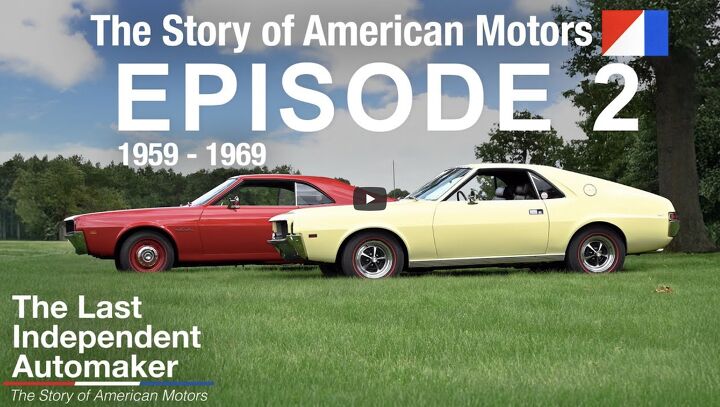
After surviving the 1950s, AMC goes upmarket, but struggles to capture young baby boomers who want faster, sportier “muscle cars.” In response, the company makes big changes to its products and public image.

Ethanol Blended Fuels Won’t Save Drivers Money
Earlier this month, special waivers allowing the sale of fuel blends containing higher levels of ethanol came into effect. While the measure was supposed to be temporary, U.S. legislators have since moved to make changes permanent. The government rationale is that the decision will help safeguard gasoline supplies while also reducing the amount of money drivers have to pay at the pump. However, the latter claim may not be true.
Fuel Stations Will Soon Start Pushing More Ethanol
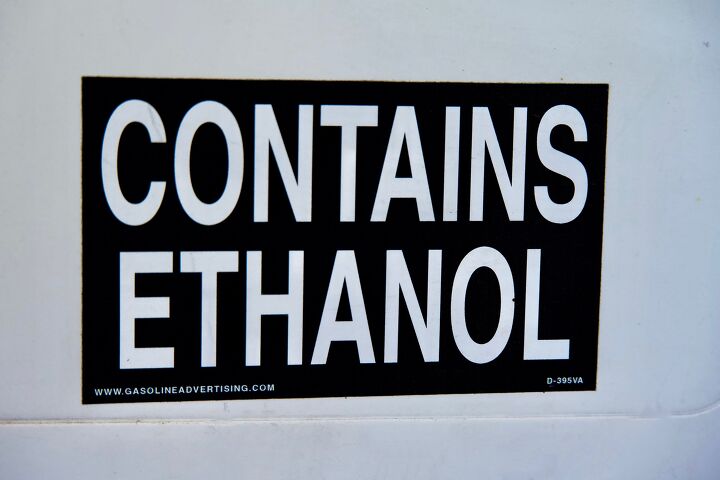
Last month, the Environmental Protection Agency decided to allow higher ethanol content in summer fuel blends in an effort to lower fuel prices. On March 25, the EPA formally approved a temporary waiver for the nationwide sale of E15. Several weeks later, the European Commission started to prepare itself to do the same thing for E20.
QOTD: What Are You Paying For Gas These Days?
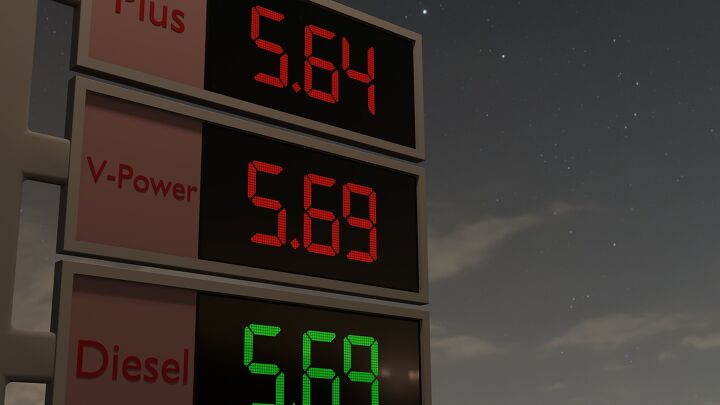
The war in Iran is likely to cause oil prices to rise, even as governments make attempts to increase supply.

We Need To Talk About Fuel Prices and Iran
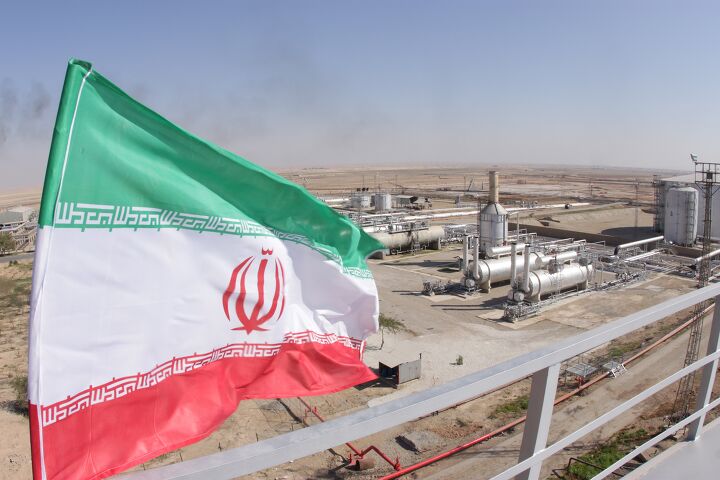
Fuel prices are on the rise in America, with the conflict in Iran presumed to be the primary culprit. The per barrel price of crude nearly doubled at the start of the month in a moment of panic. While prices have come down since, they remain at their highest point in the last twelve months and fuel prices have begun reflecting this.
If You Want a Gas Saver for Your Next New Car, Feds Suggest Starting with Honda

Gas prices may be on the rise given recent events in the Middle East, so if fuel economy is a big factor in your next new car purchase, the federal government suggests you start by checking out your nearest Honda dealer.
Gas War: Nobody Knows How Much Automotive Regulations Actually Cost
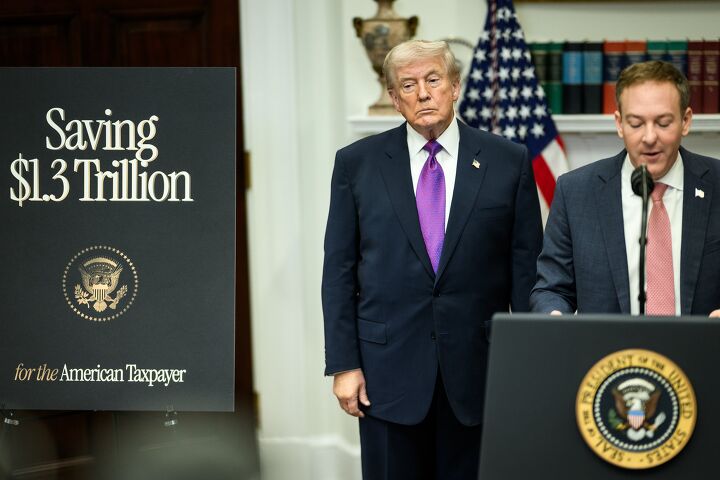
As part of the Environmental Protection Agency’s recent celebration regarding its repeal of the endangerment finding and status of automatic stop-start, there was a somewhat dubious claim suggesting the government could save Americans $1.3 trillion by 2055. With the EPA issuing a follow-up regulatory impact analysis, some are now claiming that the math isn’t working. However, some of their numbers are looking equally suspect.
California Taking Its Time Deciding Per Mile EV Taxes
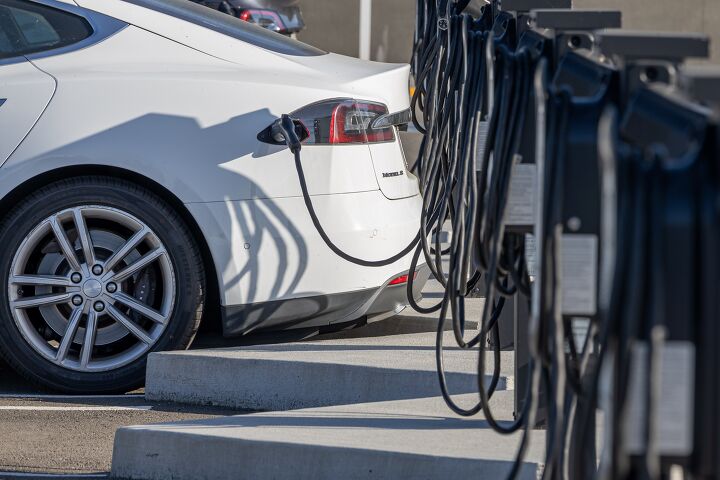
California is presently considering a new tax on all-electric vehicles that would charge motorists a few cents per every mile driven. The idea is being pitched as a way to make up for lost revenues as more residents now drive EVs than ever before. But the initiative is getting some pushback from the locals as government action runs behind schedule.
Opinion: Trump Is Wrong To Roll Back Fuel Economy Requirements

The Trump administration wants to roll back the fuel-economy standards put in place by the Biden administration. There's a public-comment period before the rules would be finalized. Consider this my public comment -- this is not a very good idea.
QOTD: What's A Fair Fuel-Economy Number?
The Trump administration wants to ease fuel-economy requirements. The Biden administration was trying to tighten them.
Trump Weakens Fuel Economy Regulations

President Donald Trump is set to weaken fuel economy regulations for cars and light trucks.


QOTD: What Fuel Prices Are You Seeing?
It looks like we're getting a small bit of relief from high gas prices as we move from summer into fall.
We Have Good News About Fuel Prices

Gasoline prices have been surprisingly stable for 2025 and are anticipated to get a little lower as the winter months approach.
Gas War: EPA Proposes Dumping Greenhouse Gas Rules
On Tuesday, U.S. Environmental Protection Agency (EPA) Administrator Lee Zeldin released the agency’s proposal to rescind the 2009 Endangerment Finding on the grounds that it promoted over $1 trillion in needless regulations while also crippling vehicle development.
The EPA Has Set Its Sights on Stop-Start Technologies
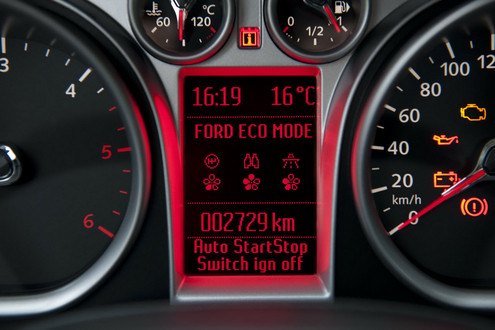
Many new cars come with stop-start technology, which allows them to shut off the engine for short periods to conserve fuel while the vehicle is stopped. However, while it might improve fuel economy, stop-start can be annoying and doesn’t always work as expected. Some owners have complained, and the EPA Administrator is on board, saying the agency would address concerns with the technology.

Senate Overturns California EV Requirements, Revokes Emission Waivers
On Thursday, the Senate voted to block California from enacting rules that would totally ban the sale of all new gas-powered cars by 2035. The state had long been using waivers, stemming from the 1970 Clean Air Act, that allow it to set significant emission standards that differ from federal requirements.
Gas War: Congress Considers Revoking California Emission Waivers
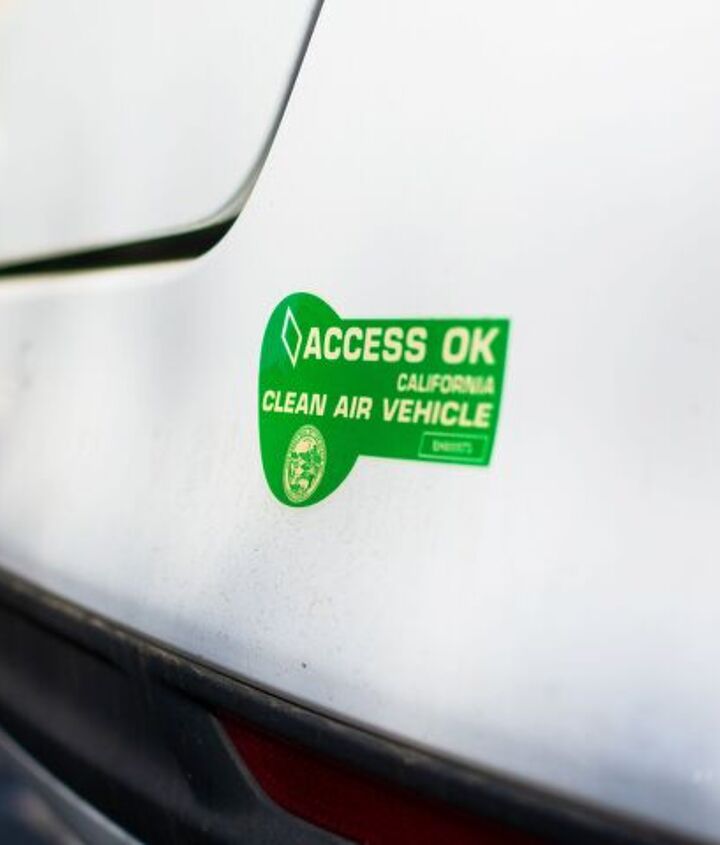
The Senate is currently considering blocking provisions allotted under California’s emission waivers that allow the state to set its own automotive regulations. But California is no longer just requiring higher levels of efficiency, it now has plans to effectively ban the sale of all new gasoline-powered vehicles by 2035. The House recently decided to vote to block that initiative during an uncharacteristically bipartisan legislative moment.
Gas War: Trump Admin Prepares For Second Attempt At Fuel Rollbacks, EV Subsidy Cuts

Sean Duffy, the United States’ newly appointed Transportation Secretary, has asked that the National Highway Traffic Safety Administration (NHTSA) review the current fueling regulations. The Trump administration looks to be preparing to take another run at rolling back U.S. emission rules as part of a broader push to deregulate key industries.
Are Synthetic Fuels Really All They're Cracked Up to Be?
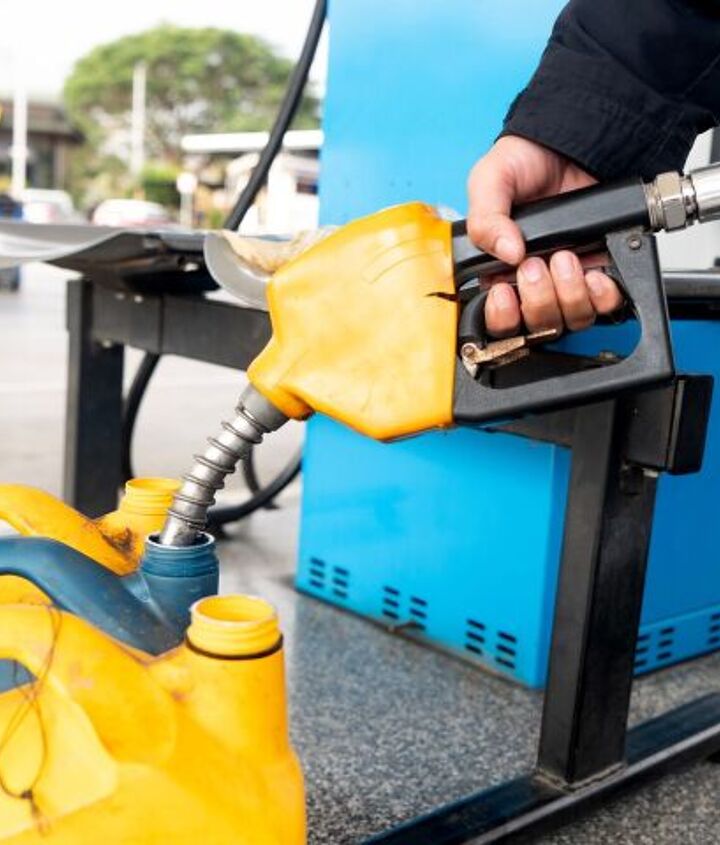
With emissions regulations encouraging automakers to pivot toward tiny engines and all-electric vehicles, some have likewise expressed a renewed interest in synthetic fuels. German brands, particularly Porsche, have been stressing the importance of “e-fuels” and Subaru recently announced plans to run the 2024 Super Taikyu Series using a WRX converted to run on synthetic fuels “making internal combustion engines more environmentally friendly.”
But the concept isn’t exactly a new one, leading many to question how sustainable it actually is.
Gas War: Did the Biden Administration Relax or Tighten U.S. Vehicle Emissions?
If you pursued the news over the weekend, you undoubtedly saw articles claiming that the Biden administration both relaxed and tightened U.S. vehicle emissions standards. While often framed as complex, the reality is that the White House has repeatedly stressed its desire to push Americans toward electric vehicles and has instituted regulatory goals to that aim. However, it has softened on earlier proposals that would have set the standards even higher.
Let’s dig into what happened and the possible implications of the updated standards.
Gas War: U.S. Oil Companies Accused of Price Fixing With OPEC, Increasing Inflation
Last week, the Federal Trade Commission (FTC) shared documents that would seem to suggest that U.S. shale oil firms purposefully colluded with the government of Saudi Arabia to fix oil prices between 2021 and 2023. The report was followed by a piece from BIG journalist Matt Stoller alleging that American oil companies and Saudi leadership likely cost the average American household $3,000 via fuel price hikes and the subsequent inflation created by artificially spiking the market.
Gas War: 25 States Sue EPA Over Updated Emissions Regulations
Over two dozen states have joined forces to sue the Environmental Protection Agency (EPA) over proposed vehicle emissions regulations put forward by the Biden administration in March. Grievances include claims that the executive branch is unconstitutionally manipulating the marketplace by setting requirements higher than manufacturers can adhere to, effectively mandating sales of electric vehicles that have been broadly unpopular in the United States. Additionally, the states have alleged these changes would hurt domestic employment while simultaneously raising the average price of vehicles.
Gas War: Biden Admin Decides Against Refilling Dwindling Oil Reserves, Citing High Prices
The Biden administration has decided against purchasing oil for the Strategic Petroleum Reserve after promising to refill the nation’s emergency energy supply after it reached a 40-year low. This news does not bode well as we head into the summer months when fuel prices tend to be higher.
America’s oil reserve is currently authorized to hold more than 720 million barrels of emergency crude oil that can be released under certain conditions. While the exacting thresholds are fairly vague, emergency drawdowns have occurred in the past due to oil supply disruptions stemming from trade embargoes, natural disasters, and warfare. The Biden administration argued that both the COVID-19 pandemic and Russo-Ukrainian War qualified.
Gas War: California Brings Stellantis to Heel
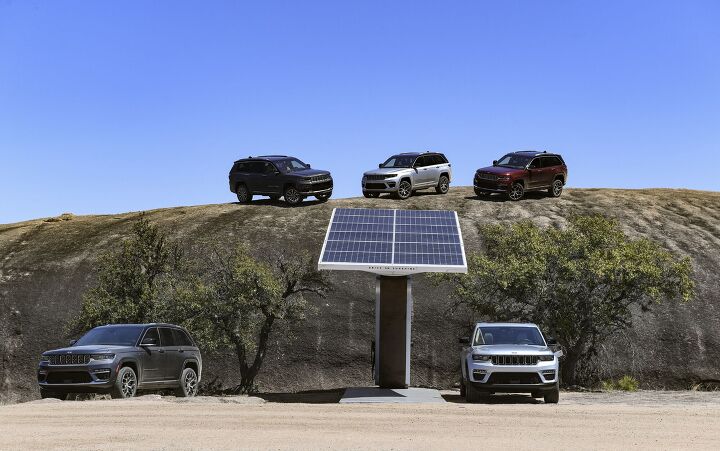
Stellantis has agreed to adhere to California emission policies, including requirements to make two-thirds of new cars to zero-emission or electric by 2030. This means the automaker — which oversees Dodge, Chrysler, Jeep, Ram, Fiat, Maserati, Alfa Romeo, and several brands that are not sold in the United States — will be required to cut emissions through the 2026 model year and adhere to California’s requirement to have a majority electrified fleet within the next several years. There are also provisions for the company to spend millions of dollars on charging stations and community outreach programs designed to encourage EV sales.
Lobbyists Estimate Billions in Fines If New Fuel Economy Rules Adopted
A letter from talking heads at an outfit called the American Automotive Policy Council outlines what it estimates billions of dollars in fines could be levied at companies like General Motors and Stellantis if a government proposal to hike fuel economy standards through 2032 is adopted.

American Fuel Consumption Goes Down, Prices Do Not
Fuel prices have been climbing this year and continue to do so. However, consumer demand can no longer be blamed as we enter into the autumn months when consumption consistently drops. The Energy Information Administration (EIA) estimates that Americans were burning through a million fewer barrels of oil last week than they were the week before.
What isn’t dropping is oil prices and that seems to be making all the difference.
QOTD: What Gas Prices Are You Seeing?

With Washington State dethroning California as the state with the highest gas prices, I am wondering -- what are you seeing near you?
Hyundai Xcient Fuel Cell HD Truck On Its Way
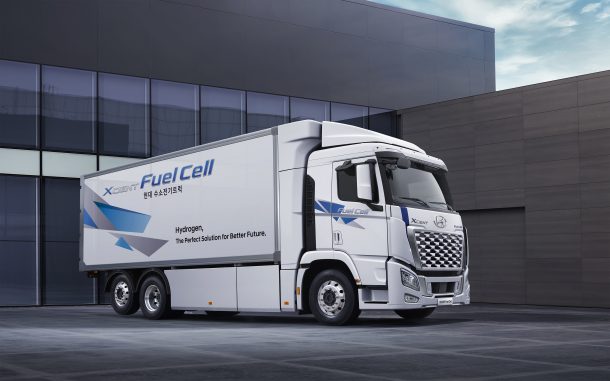
The Hyundai Xcient is on its way to becoming the first mass-produced hydrogen-powered, heavy-duty truck. Design and performance improvements have made it more competitive with those expected from Mercedes-Benz, Toyota-Hino, and Nikola.

QOTD: Is the 1Moto Show the Best in the US?

’60 H-D Bobber 113 CI, rigid frame, 4-speed, suicide shift. Harvey Mushman, owner/builder.
The 1Moto Show, the annual showcase for custom motorcycles held in Portland, Oregon, took place April 30-May 2. Is the 1Moto Show the best bike show in the country?
Summer Gas Shortage Likely for Dumbest Reason
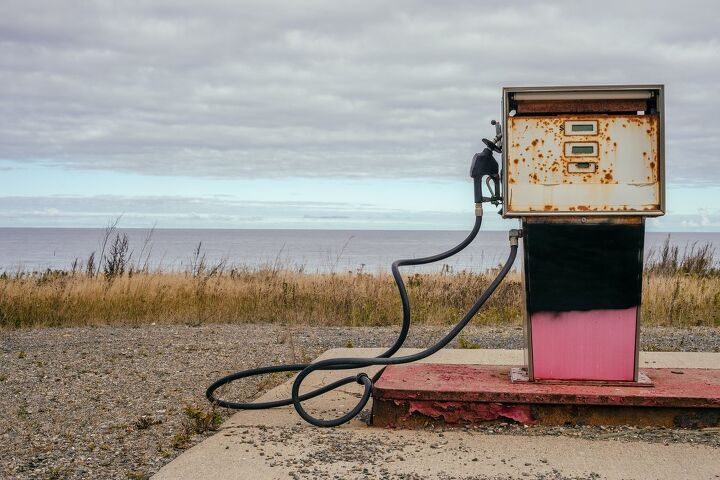
As if you needed more doom and gloom to kick off this week, the National Tank Truck Carriers (NTTC) lobby has confessed that its fleet will go into the next few months operating well below capacity. That means there’s a very good chance that some parts of the country could see gas shortages over the summer. While we’re praying that this doesn’t come with with the deluge of less-than-desirable automobiles that followed the infamous 1973 oil crisis, a similar spike in fuel price is likely as gasoline becomes sporadically difficult to find.
With the United States technically still energy independent, the culprit is not a foreign oil embargo but our own inability to plan ahead. North America was already operating with a deficit of qualified tanker drivers ahead of the pandemic. Lockdowns suppressed demand as everyone was forced to remain immobile, suppressing demand that ultimately encouraged widespread layoffs and early retirement. Now there aren’t enough drivers as demand stabilizes.
Honda Solidifies Its Existing Businesses

Honda Motor Company President Toshihiro Mibe’s first press conference, held April 23rd, was where he committed to solidifying Honda’s existing businesses.
Chevrolet Electric Silverado A ZERO Production
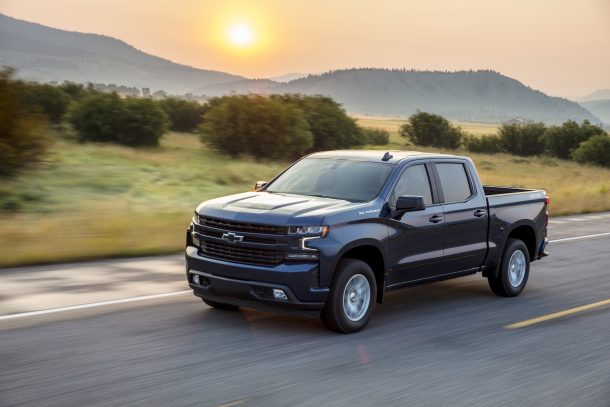
Chevrolet’s Silverado electric pickup will be built at the Factory Zero assembly plant in Detroit-Hamtramck, Michigan, along with GMC’s Hummer EV SUV which will also be produced there, General Motors president Mark Reuss said today.
Hyundai Blue Link Connects Owners and Insurance
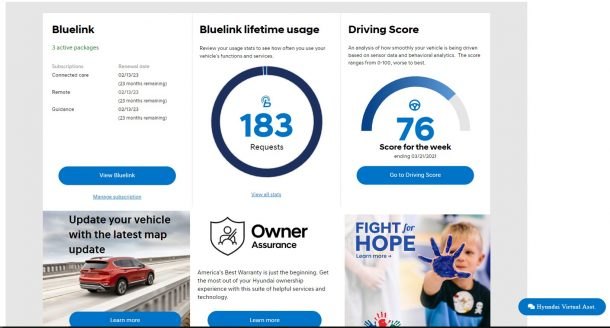
Hyundai Blue Link, a connected-car service first offered in 2018, can now be used to save on auto insurance. Hyundai’s usage-based insurance (UBI) program and Driving Score promotes safe, efficient driving habits. Through Verisk, a global data analytic firm, Hyundai drivers can opt-in to share their driving quirks. Receiving substantially lower insurance rates is the hope of most drivers.
The Week of Driving Autonomously in an Xpeng
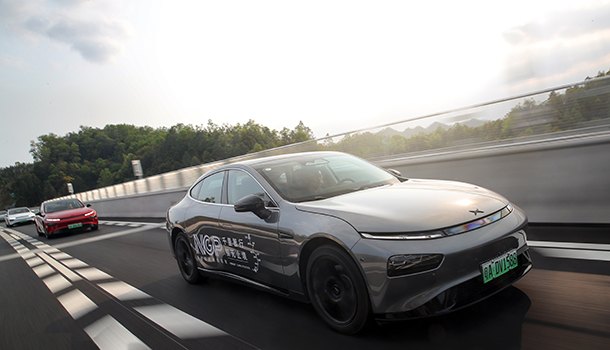
XPeng, a Chinese maker of EVs, sent a fleet of XPeng P7s on a 2,284-mile, weeklong autonomous driving jaunt across six provinces, the longest by any mass-produced vehicles in the country.
2021 Hyundai EVs Get Fast Charging Free
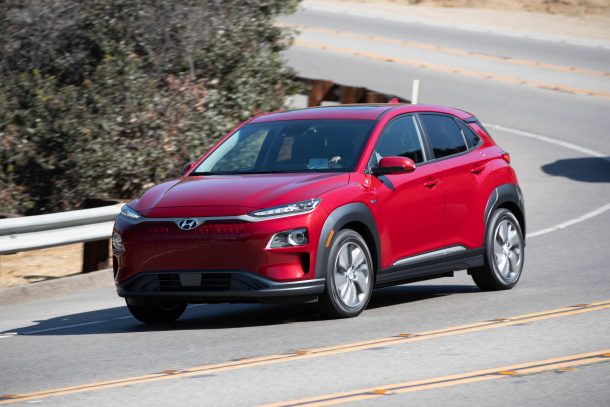
Hyundai’s 2021 Kona Electric and Ioniq Electric now include 250 kWh of complimentary fast charging through Electrify America, with more than 2,400 ultra-fast chargers across the U.S. According to Electrify America, 96 percent of the population lives within a 120-mile radius of one of their chargers.
2021 Honda CB1000R Black Edition – Ride It Like You Stole It
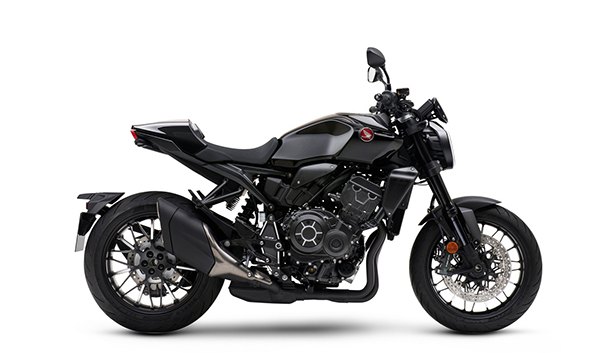
Consider the Honda CB1000R, everything you need and nothing you don’t. Beyond the naked bike school of thought, the CB1000R is unbridled joy, without the race replica look of a sport bike, nor the flash of a cruiser.
QOTD: Hybrid Versus Conventional Drivetrains

Which drivetrain would you prefer: The hybrid two-motor setup that Toyota has paired with their 2.5-liter DOHC four-cylinder that puts out 245 horsepower or Kia’s conventional V6 that produces 294 HP?
100K+ Pre-Orders for Lordstown's Pickup a Shocker
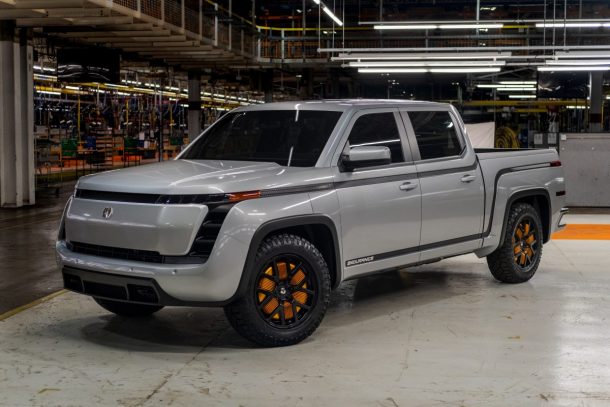
Lordstown Motors announced on Monday that they had exceeded 100,000 pre-orders for their Endurance light-duty, all-electric pickup, slated to begin production in September.
Millennials Really Do Intend to Buy Cars. Thank the Pandemic.

Forget all you’ve heard about Millennials (24-39 years old) and their disdain for automobiles. COVID-19 has changed that, as 31 percent of those without a car intend to buy one in the next six months, and 45 percent of them are Millennials.
EY, a global leader in assurance, tax, strategy, and consulting services, and a member of Ernst & Young Global Limited, issued their 2020 EY Mobility Consumer Index, surveying over 3,300 consumers across nine countries. Thirty-one percent of the respondents who don’t own a car plan to buy one in the next six months, while 20 percent that already own a car say they would be open to buying another vehicle. Both groups said that one of their principal reasons to purchase is the pandemic.
Gas War: Senator Asks EPA Watchdog to Investigate New Fuel Efficiency Rules

Every time we think the United States’ fueling fracas had concluded, something new emerges to remind us that we’re utter morons. Despite the Trump administration finally wrapping up the fuel rollback of Obama-era emission standards on March 31st, Senator Tom Carper (D-DE) has sent another letter asking Environmental Protection Agency Inspector General Sean O’Donnell to look into the new rules.
Carper asked the inspector general last February to conduct an investigation into “potentially unlawful efforts and procedural problems” stemming from their implementation. His assertion is that the EPA was circumventing various procedural requirements and attempted to hide data that would have conflicted with some of the rollback’s claimed benefits.
Did it?
Gas War: EPA and DOT Release Final Draft of Fuel Rollback
The U.S. Department of Transportation’s National Highway Traffic Safety Administration (NHTSA) and the Environmental Protection Agency (EPA) released their final version of the Safer Affordable Fuel-Efficient (SAFE) Vehicles Rules on Tuesday. This will establish new targets for corporate average fuel economy (CAFE) and emissions standards for passenger vehicles from the 2021-2026 model years and just in the nick of time. The document had to be completed by April 1st, in order to leave sufficient time for the coming model year.
If you’ve been following the long and arduous process that brought us here, you’ll notice the document has changed slightly from previous drafts. The rollback still enacts the straightening of emission regulations but reels them back from the lofty goals set by the Obama administration. Annual increases in fuel efficiency standards will be set at 1.5 percent through 2026. Previous drafts had the Trump administration freezing efficiency requirements at 2020 levels.
U.S. Fuel Rollback Earns Pushback From Scientific Advisory Board
The Environmental Protection Agency’s (EPA) Scientific Advisory Board (SAB) is once again applying pressure on the Trump administration’s proposed fuel economy rollback. Similar to the complaints issued by a coalition of scientists back in March of 2018, the board expressed concerns that significant weaknesses exist in the analysis underpinning the plan that should be addressed before any rules are made final. A draft report was circulated earlier in the week, with the SAB scheduling a public meeting meeting on January 17th.
“[The] EPA always appreciates and respects the work and advice of the SAB,” the U.S. regulatory agency said in a statement. “When implemented, the [rollback] will benefit all Americans by improving the U.S. fleet’s fuel economy, reducing air pollution, and making new vehicles more affordable for all Americans.”
Gas War: Efficiency Rollback Would Raise Fuel Costs, Study Claims

The fuel economy rollback posited by the Trump administration remains a hotly debated issue within the automotive community. Unfortunately, it has become mired in political nonsense, making decrypting the real-world impact of embracing or shunning it rather difficult. Consumer Reports recently took a stab at making sense of the matter, coming out in favor of balking at the notion of a rollback on the grounds that it would ultimately raise fueling costs.
Last year, the administration proposed capping fuel economy and emission standards at 2020 levels, instead of allowing them to rise annually as under existing regulations. The opposition, fronted by California, is vying to maintain the existing standards — with the possible compromise of delaying them by one year.
Getting That V6 Chevrolet Silverado Will Cost You At the Pumps

We’re on an MPG kick this morning, so let’s keep it going. The polarizing 2019 Chevrolet Silverado received plenty of press on these digital pages, though not all of it was praise. The revamped model’s face was only surpassed in volume of styling criticism after its big HD brother showed up.
While General Motors talked up the model’s fuel-saving technologies, weight savings, and new four-cylinder turbo in a big way upon the pickup’s launch, lesser trims soldier on with older engines and a transmission bearing fewer cogs. That’s not unusual for entry-level models aimed at contractors and the like, but the new base trucks differ from their forebears in more than just looks. They also “boast” significantly worse fuel economy.

Thriftpower: Ford Touts 2019 Ranger's Stingy Fuel Economy
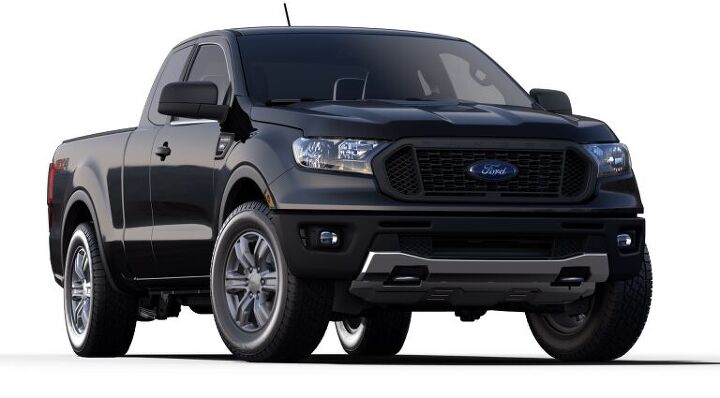
Matthew Guy’s going to be mighty disappointed if this is all the big Ford truck news we receive this week. On the same week Ford rolled out its first drive event for the upcoming Ranger pickup, the Blue Oval revealed official fuel economy numbers for the four-cylinder-only midsizer — though specs already leaked last month.
Yes, it’s true. As you might have anticipated, the 2.3-liter Ecoboost four-banger and 10-speed automatic combo beneath the Ranger’s hood returns class-leading combined fuel economy. For a gasoline engine, that is.
EPA Ratings Reveal the Rest of the GM 2.7-liter Story
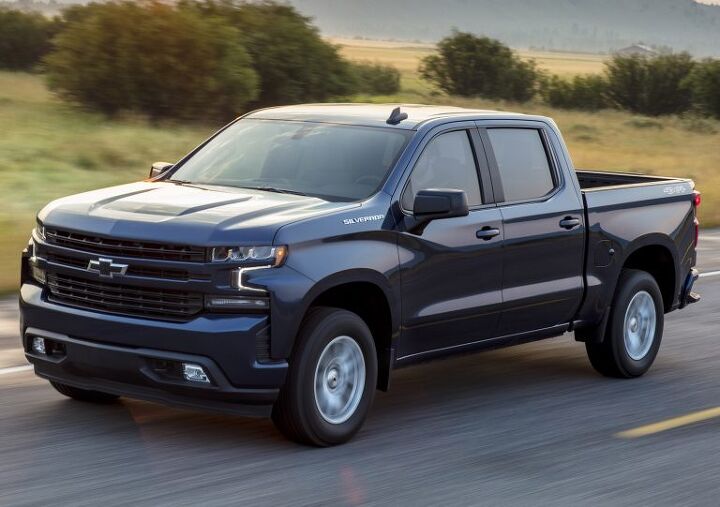
Last month, General Motors released EPA-estimated fuel economy figures for one of the new, turbocharged 2.7-liter inline-four’s applications: the two-wheel drive version of the 2019 Chevrolet Silverado and GMC Sierra pickups.
Despite boasting 310 horsepower and 348 lb-ft of torque, the engine’s combined estimated fuel economy of 21 miles per gallon left many wanting more. Now that we have EPA figures for the rest of the line, it’s no surprise to see that figure serve as an MPG high water mark.
Gas-guzzling Former Roommates Poised to Become Eco Rivals
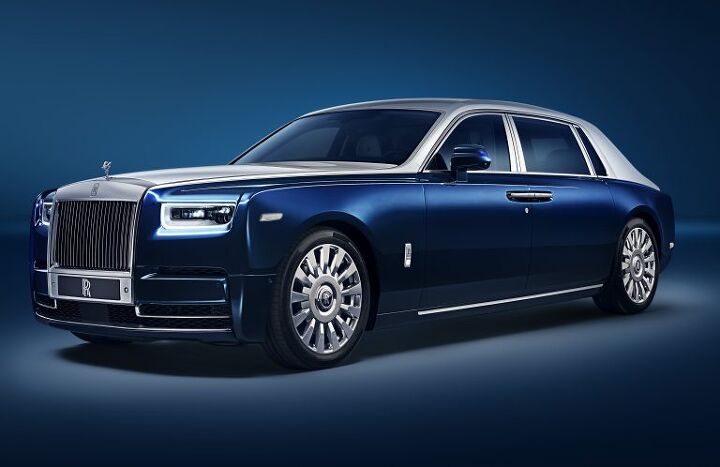
For nearly five decades, Rolls-Royce and Bentley shared the same bed, then lived amicably under the same roof for another 18 years, becoming ever closer to each other due to dwindling shared finances. Then two Germans showed up and they parted ways, forever.
While still representing the richly browned upper crust of British motoring, the two brands have maintained fairly similar development paths, launching sedans, coupes, and now SUVs in quick succession of each other. Now, because green types look down on ornate, porky, roadgoing behemoths powered by gas-swilling eight- and twelve-cylinder engines, both brands have decided to embrace the environmental movement.
Naturally, news of these tentative electric product plans hit the presses almost simultaneously.
Going Coastal: GM Calls for Nationwide Zero-emission Vehicle Strategy

General Motors CEO Mary Barra took to the USA Today op-ed page Friday to advocate for a national zero-emission vehicle strategy — NZEV, for short. The automaker is calling for the ZEV program already in effect in California and nine other states to become law across the United States, thus making it mandatory for OEMs to field a certain number of electric and plug-in hybrid vehicles, or pay a price.
Were the proposal to became the law of the land, you can only imagine the reaction from Ford’s rival in Auburn Hills.
Forget Diesel - Tough Times Now Lie Ahead for the European Plug-in Crowd

The European new car market is in a period of extreme flux. Once-dominant diesels are on the way out thanks to new regulations, looming bans, and cancelled tax incentives, with electrified vehicles poised to take over the high-MPG role.
But not everything’s rosy in the clean, green market on the other side of the Atlantic. A new, more accurate way of measuring fuel economy went into effect last month, and governments — as well as automakers — suddenly realized certain vehicles weren’t as clean as initially thought. Looking to buy a plug-in hybrid in the UK? Say goodbye to that juicy government incentive.
Four on the Floor: EPA Rates Chevy's New 2.7L Turbo

Is the American public ready to accept a full-size pickup truck equipped with a four-cylinder engine under its squared-off hood? GM sure hopes so, as a turbocharged 2.7-liter is set to be the base motor in two of its Silverado trims: the LT and RST.
The EPA has now rated the thirstiness of the new mill, which is set to be one of six (count ‘em) available across all eight trims of the 2019 Silverado.
Getting Out the Corn Vote: Trump Proposes Lifting Summer E15 Gasoline Ban

If you’re like this writer, seeing “may contain up to 10 percent ethanol” at the gas pump leaves you frowning, then reaching for the premium nozzle. It’s not just that 91 octane helps my tiny turbo run better — I don’t like paying through the nose (as I do for all grades) for slightly less energy by volume.
Should President Donald Trump move forward with reported changes to U.S. ethanol laws, you can expect to see more corn alcohol at your local gas station. And I don’t mean Jim Beam.
Leaked Specs Reveal Power, Fuel Economy of GM's Diesel Inline-six
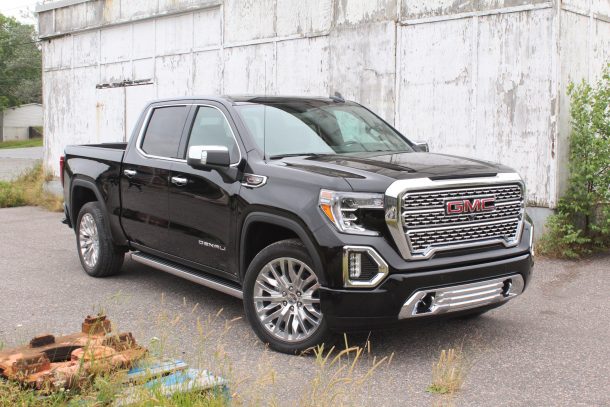
The EPA hasn’t officially rated the 3.0-liter inline-six diesel bound for the 2019 Chevrolet Silverado and GMC Sierra, nor has the automaker released power specs for this Flint-built light truck engine.
Thankfully, someone took photos of GM Canada’s dealer site and flung them to the internet.
2019 Jeep Renegade Downsizes Displacement, Upgrades Power

Jeep’s smallest model has a new uplevel engine for 2019, one that brings to mind the revered and diminutive Suzuki Samurai of the late 1980s. That model also housed a 1.3-liter engine, though the Suzuki’s mill boasted, in a manner of speaking, just 63 horsepower.
The Jeep Renegade’s new 1.3-liter four-cylinder isn’t likely to remind anyone of ’80s featherweight Japanese utes.
Back to Black: Infiniti's New Concept Is All About What's Under the Hood
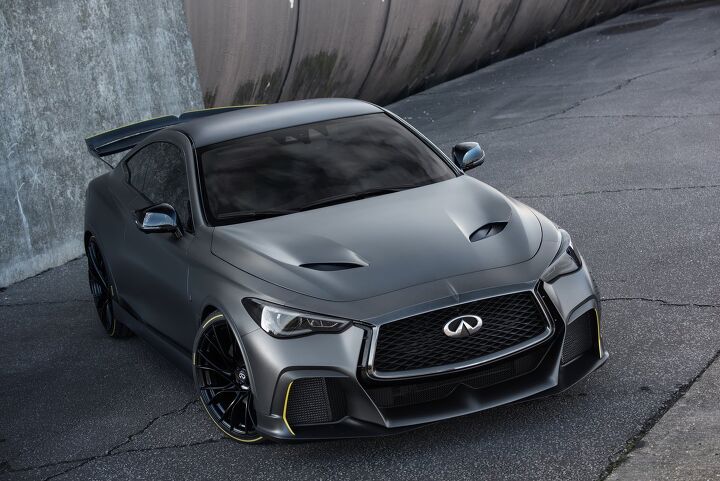
Infiniti doesn’t want you to look at the Project Black S prototype and ooh and ah over its looks. It’s a Q60 with an aero makeover. No, Infiniti created the Project Black S as a technological showpiece, due to be revealed Monday in the periphery of the Paris auto show.
Beneath its hood is what Infiniti’s mulling for the sportier side of its electrified future. The prototype incorporates a hybrid system that finds energy at every turn — not just from regenerative braking, but exhaust gasses, too. While mashing the throttle of an internal combustion vehicle is hardly the greenest way to generate electricity, drivers looking for added boost likely won’t mind.
BMW Dropping Diesel in the U.S., With an Asterisk

If, like most American consumers, there’s a diesel-powered BMW on your Christmas wish list, you’d best tell your loved ones to hurry. The German automaker plans to drop that meager sliver of its U.S. product line for 2019, but there’s a chance the wishes of the oil-burning crowd will force the automaker to hang on to a single model.
EPA Finally Rates the Full 2019 Ram 1500 Lineup

For the majority of this year, Ram fans have been limited to a single choice of powertrain in the new 2019 Ram 1500 pickup truck. The stalwart and sonorous 5.7-liter Hemi V8 was the sole available selection for ages, with the eTorque-assisted V6 and V8 motors scarce on the ground until recently.
The feds have at last doffed their cloak from over the eTorque V6 and officially stamped an EPA mileage rating on it. Buyers satisfied with a two-wheel-drive truck powered by six cylinders will find themselves in command of a pickup rated at 25 mpg.





Recent Comments