
Volkswagen Brings Back ID. Buzz for 2027 With New Camping Trim

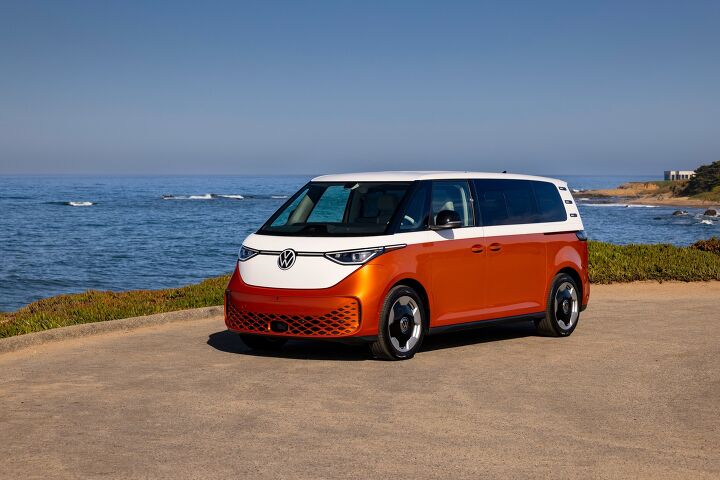
The Volkswagen ID. Buzz will be returning for the 2027 model year with a few new tricks up its sleeve. We previously covered how VW was skipping the 2026 model, speculating that slow sales may even result in the van being pulled from our market permanently. But the manufacturer has confirmed that will not be the case.
To be fair, Volkswagen has been consistent that the model was only going to be taking a short break. We were the ones fielding theories about how lackluster volumes might permanently end its run in North America.
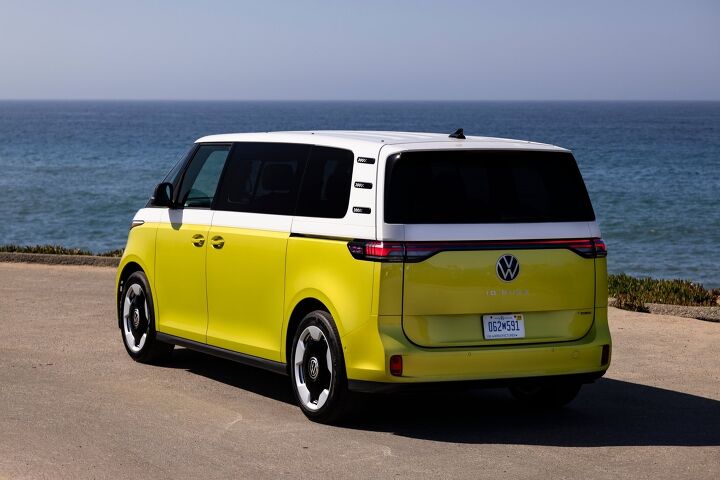
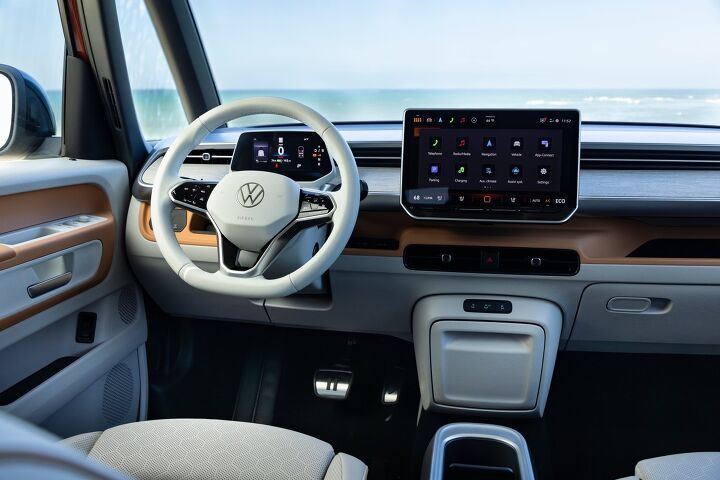
But the Buzz is coming back with a slew of updates. This includes a new operating system (the Android-based ID.S 6), which is supposed to be more responsive and accompanied by better navigational software. Since automakers are absolutely desperate to normalize subscriptions and in-car purchases, this likewise comes with the updated app store.
The upside is that it features improved integration with third party applications that you might actually want to use. But the downside is the vehicle remains overwhelmingly reliant on touch controls.
Trim levels for the 2027 Volkswagen ID. Buzz will continue to include the (base) rear-wheel-drive Pro S and all-wheel-drive Pro S Plus 4Motion. However, customers will now also be able to option all-wheel drive on the base trim via the Pro S 4Motion.
Then there is the Tourer 4Motion, which looks to adopt numerous camping features formerly reserved for the European market. Volkswagen has long offered camping variants of its vans (including gasoline-powered models) for ages. But it has been decades since any of those came to North America. This is being remedied with the 2027 ID.Buzz with the Tourer model.
While the interior volume and on-board battery power should make this an ideal combination, there are some drawbacks with VW fielding a camping-themed EV. The maximum range of the ID. Buzz has always been just north of 200 miles and this may make it difficult to reach truly remote locations. Granted, real-world testing has proven that the model is capable of achieving 250 miles under ideal conditions. But the van is technically only rated by the EPA for 234 miles on rear-wheel-drive models, with the all-wheel-drive variant certified for 231 miles.
Since drivers will presumably be carrying extra weight and using additional electricity on a recreational excursion, both of those figures are likely to come down in a campaign scenario. This will undoubtedly make some destinations that lack on-site charging options, or happen to be extremely far away from roadside charging stations, prohibitive.
Then again, a great deal of RV sites come with power pedestals and water hookups. Provided the ID. Buzz can reach them, then there’s likely not much for VW owners to stress over. The 2027 year also includes a NACS-to-CCS adapter, broadening the vehicle’s charging options.
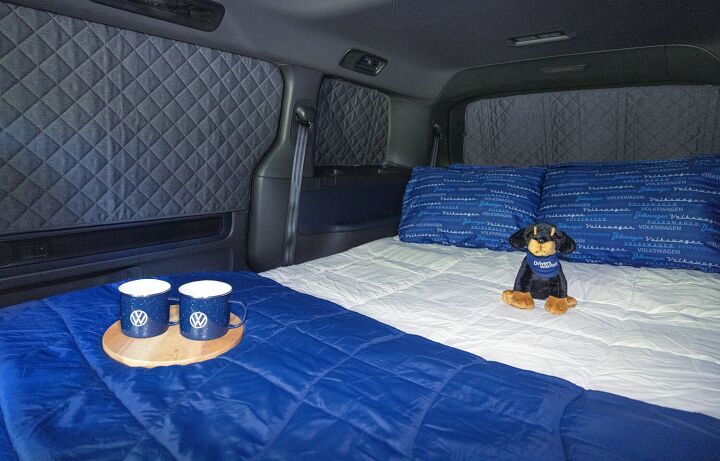
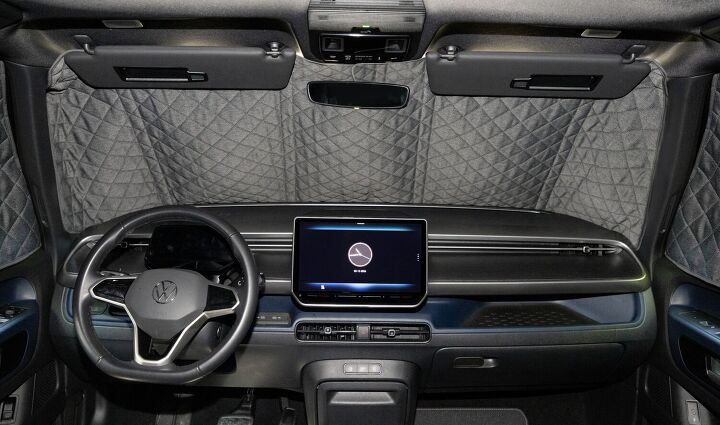
The ID. Buzz Tourer doesn’t quite convert the van into being a mobile home away from home, however. It comes with a fold-out mattress, some unique ventilation options, window shades, and a set of tables and chairs that you can set up outside the vehicle. There are likewise some changes made to the software to accommodate sleeping in the vehicle overnight that look to pertain to the HVAC and interior lighting.
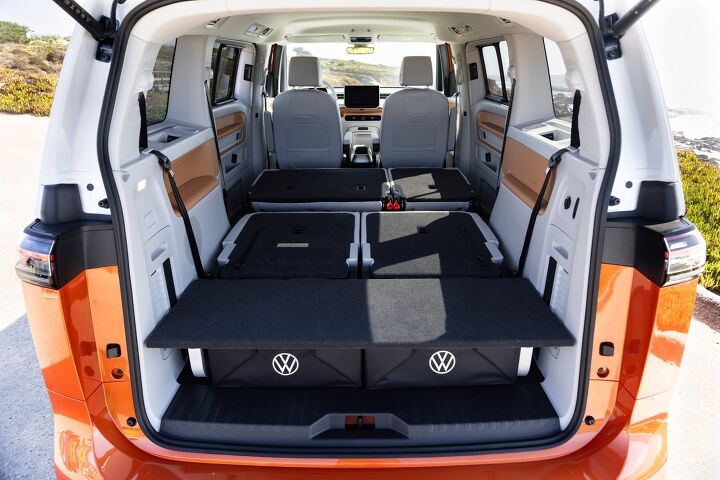
Based on the Pro S 4Motion, the Tourer is supposed to see a few additional upgrades. VW said that it would receive a retractable tow hitch, some upgraded seats, and the van’s massive panoramic sunroof. Think of it as a very nice and expensive tent, rather than a fully fledged RV.
While Volkswagen had delivered on its promise of bringing the model back for 2027, one does wonder about how much priority is being given to the ID. Buzz. The official announcement for the van was shared with every other model VW plans on updating and only came with a handful of photos showcasing the interior of the new Tourer trim.
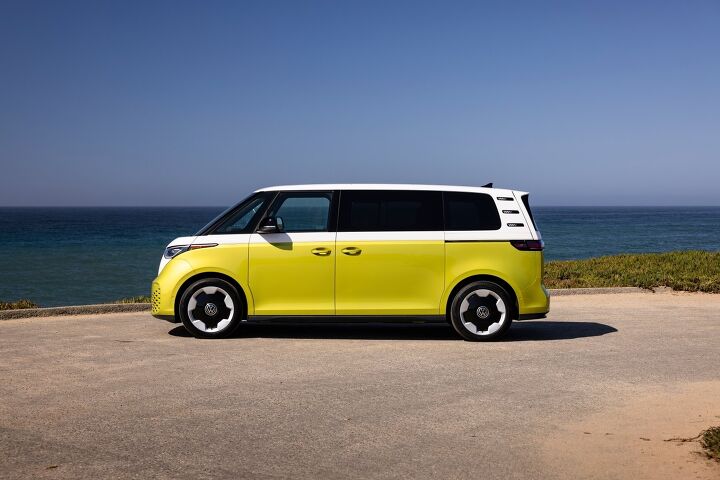
No mention of price was given either. That could simply be due to the wonky economy and unknown status of EV subsidization. Volkswagen may simply be holding off so that it can issue a more thorough press release later in the year. But there’s likewise a chance that the automaker no longer sees the ID. Buzz as viable on the North American market.
We need to be honest. The Buzz is an attractive vehicle that’s absolutely dripping with nostalgia. But the model arrived at a point when EV adoption had proven less successful than hoped and the primary demographic for the aforementioned nostalgia was already starting to age out of driving. It’s also kind of expensive considering most studies have shown that the average household doesn’t want to spend more than $40,000 on their next vehicle if they can help it.
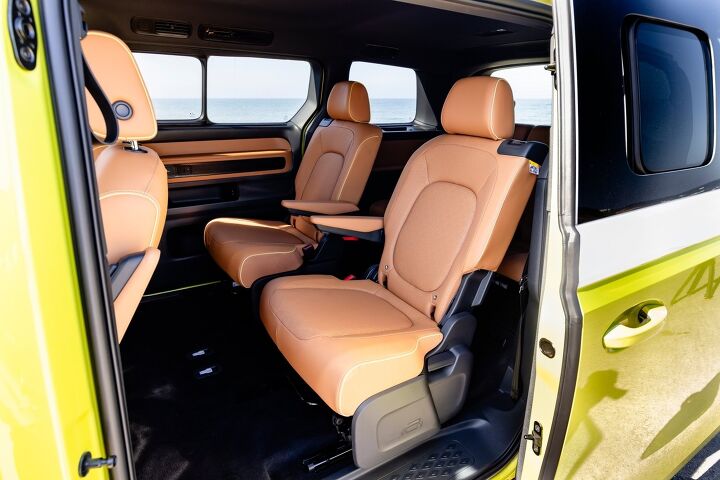
Pricing on the ID. Buzz tends to range between $61,000 and $72,000, often accompanied by dealer markups after its initial launch in 2024. We’d imagine that was a contributing factor to the van having struggled to surpass 6,000 deliveries last year.
If Volkswagen is serious about selling the ID. Buzz, a price reduction seems necessary. While it does appear that some streamlining is taking place in terms of options, we’re not certain how far that will go. We know that the manufacturer plans on sticking with the (admittedly more interesting) two-tone paint options and dumping the matching colors. It also looks like there will be more uniformity between trims.
But customers are still getting something a little different with the Tourer trim and the Buzz will likewise offer optional all-wheel drive on the base trim. It’s not obvious that this will result in lower MSRPs, especially without the manufacturer expressly saying so.
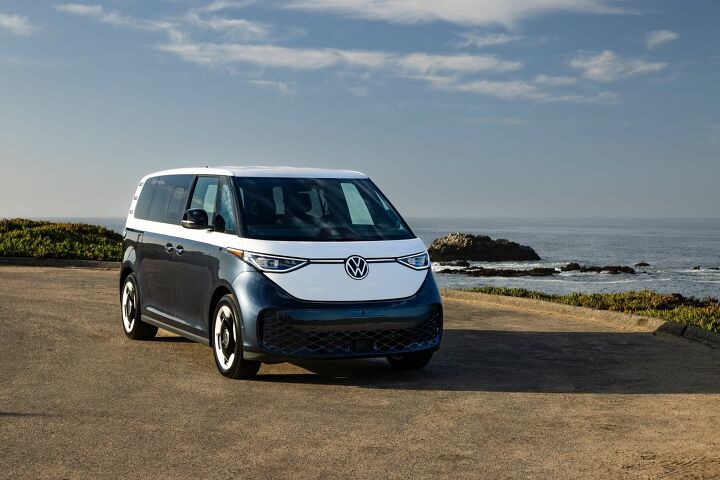
While minivans do look to be making a comeback, with sales estimated to have come up by as much as 21 percent last year, it’s difficult to say whether the ID. Buzz will be able to capitalize on that when the brunt of its competition features hybrid and gas powertrains and starts at nearly $20,000 less. Volkswagen may be banking on elevated fuel prices driving some sales over to all-electric vehicles. However, the odds of someone electing to spend significantly more upfront in exchange for some unique features and the hope that they’ll save enough money on fuel to make up the difference feel rather low.
As things currently stand, the ID. Buzz remains a niche product likely to appeal to specific people. Without a massive reduction in price, that’s almost certain to remain the case and we just don’t know if there are enough buyers to warrant the vehicle seeing sustained success. Based on the nature of the corporate press release, VW may be feeling similarly.
[Images: Volkswagen]
Become a TTAC insider. Get the latest news, features, TTAC takes, and everything else that gets to the truth about cars first by subscribing to our newsletter.
Consumer advocate tracking industry trends and regulations. Before joining TTAC, Matt spent a decade working for marketing and research firms based in NYC. Clients included several of the world’s largest automakers, global tire brands, and aftermarket part suppliers. Dissatisfied, he pivoted to writing about cars. Since then, he has become an ardent supporter of the right-to-repair movement, been interviewed about the automotive sector by national broadcasts, participated in a few amateur rallying events, and driven more rental cars than anyone ever should. Handy with a wrench, Matt grew up surrounded by Detroit auto workers and learned to drive by twelve. A contrarian, Matt claims to prefer understeer and motorcycles.
More by Matt Posky











Comments
Join the conversation
Get the tow hitch, and tow a 50kW generator around with you.
So here's a datum point.
TRIGGER WARNING
Yesterday my wife came home with a golf cart. Traded the Bronco in on a 2023 Audi e-tron quattro with 33k miles. She figured, she doesn't drive much and the 220 mile max factory range isn't an issue for her.
Good thing. I did some research, and public charging around here and in our 2 hour orbit of might-occasionally-go-there is pitifully scarce, given that it's 2026. (Yep, it's the S5 Cabrio or a rental for anything outside the outerbelt.) And don't get me going on how Electrify America software sucks the big one. At least they let you treat it like a gas station--no app required, pull up, plug in, swipe your card, go--should you so choose. That's if it's working, I guess. And frankly, that's after going out of your way to find one of the few between here and 2 hours from here.
Anyway, so here's the punch line. Ready?
This 33k mile e-tron, at new, had an $80K sticker. 3.5 years post-delivery, again with only 33K miles, AND with brand new tires put on by the dealer, it sold for--are you ready?--
--$25K.
So go ahead and get your Buzz on. Enjoy. But trust me, the math doesn't math. Sure, you save at the pump and even with lesser maintenance. But that 69% depreciation doesn't come at no cost.
We are fortunate enough not to care should this science experiment of hers not succeed and she chooses to move on.
@Jalop. Post ended up in the wrong place.
If you can't charge the EV at home then she completely blew it. Complete choke!
Having to charge that Audi using public chargers takes away one of the biggest reasons of why EV's can be better than an ICE. What was a "+" is now a "-".
Am I surprised at the low resale value? Not one bit, that is one of the biggest reasons the TCOof an EV is so high. She was smart buying when she did because the battery in that car has a ton of life(10 years easy) left in it.
Is she hates it, it's only because she cannot charge at home. Otherwise she most likely may never want a gas car again.
Camping with a vehicle with only a 225 mile range. That is a joke. About campground vehicle charging: Almost all private campgrounds prohibit it. Why? Currently campground electric system is engineered for 120 volts with a peak max of only 50 amps at each site. That maximum is peak use only, not full time continuous use. Existing CG electric systems can’t feed more than a few watts at a time. Too many cars charging at once means campground voltage drops and equipment damage.
This thing makes a junkyard camper.
Stellantis Guy is not great with money. I will keep driving my products which come from the Netherlands.