


Bollinger Motors Might Be Cooked


It’s not looking good for Bollinger Motors. News has emerged that the company is struggling to pay its bills while employees note that their paychecks have been delayed.
According to the Detroit Free Press, internal memos are circulating within the company that pertain to the issue and they’re not particularly encouraging.
"Unfortunately, we could not process this week’s payroll on schedule due to a delay in receiving the expected funds," read an email from Walter Collins, the chief operating officer of Bollinger Motors. "As of today, we do not yet have a confirmed update on funding to meet payroll ending October 31, 2025. As soon as funds are received, we will process payroll in full. I will provide updates as new information becomes available."
The matter had not been dealt with by the following week and there were several dozen open claims against Bollinger Innovations for unpaid wages or benefits prompting an investigation from the state government.
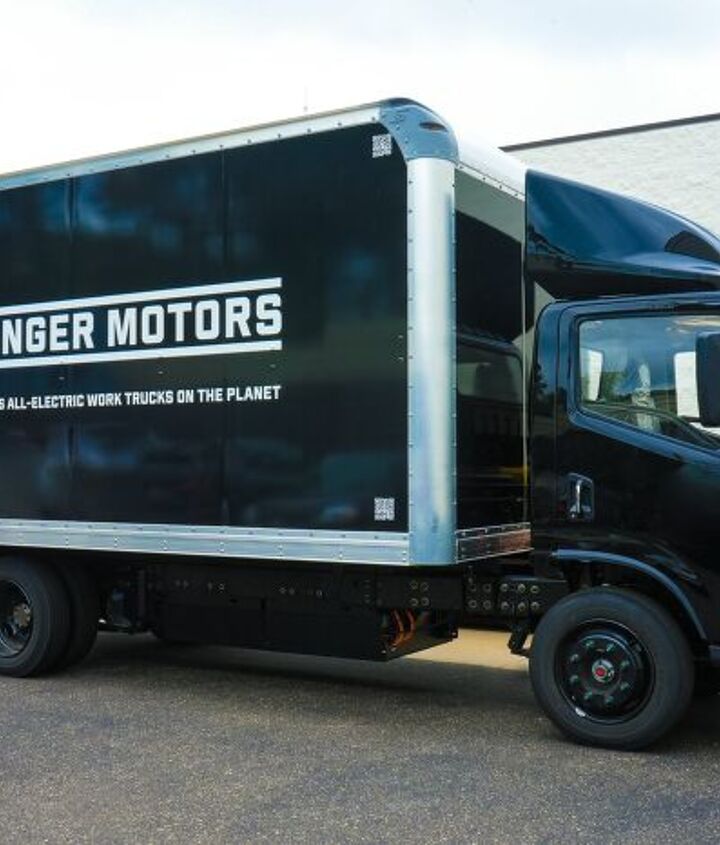
But that’s just the tip of the iceberg, apparently. Rumor has it that Bollinger’s management has effectively disbanded. This comes after announcements that the business was enacting aggressive cost-cutting measures to reduce overhead at the end of the summer. However, the rumor mill suggests that strategy has failed and the business is effectively out of cash. An insider from the company recently informed The Drive that the offices have basically been cleared out and that nobody is being paid anymore.
From The Drive:
“Bollinger Motors of Oak Park, Michigan and its parent company Bollinger Innovations have completely collapsed,” our tipster told us via email. “All Michigan based senior leadership has been forced out.”
“Employees payroll is weeks behind, with nothing answers being given to employees,” our tipster continued. “There is no operating cash left, and customers/dealers are being lied to.”
Listen, I’ll be the first one to tell you that the current regulatory landscape within the automotive industry seems custom made to deny any change of their ever being fresh competition. New automakers are insanely rare and the few that do emerge these days seem laser-focused on electrification, possibly because they think it’s the only path they can take.
But we’ve also seen countless EV startups go under after making some of the sketchiest financial plays you’ll see within an industry. Many people have accused certain companies of effectively being technology scams. There have been too many situations where a business crops up out of nowhere and makes a bunch of money via some lofty promises.

While the vast majority of these companies eventually go under, quite a few seem to have leadership that manages to get rich by dumping their stocks shortly before share prices tumble. This is after extravagant marketing campaigns and boosted IPOs have made them a bundle of money, of course. Investors cannot seem to help themselves and are often accompanied by special-purpose acquisition companies that always seem to boost the share price beyond what feels rational before everything goes sideways.
We saw this with Nikola, Electric Last Mile Solutions, Lordstown Motors, Canoo, Faraday Future, and plenty of other high-profile EV brands that ultimately didn’t go anywhere. But determining which of those companies had leadership that actually wanted to build vehicles, and which wanted to exploit investors by simply pretending to, isn’t something we can’t easily answer without psychic abilities. Visiting Lordstown Assembly, only to see a lot of underutilized space, helped us make some educated guesses that things weren’t going well.
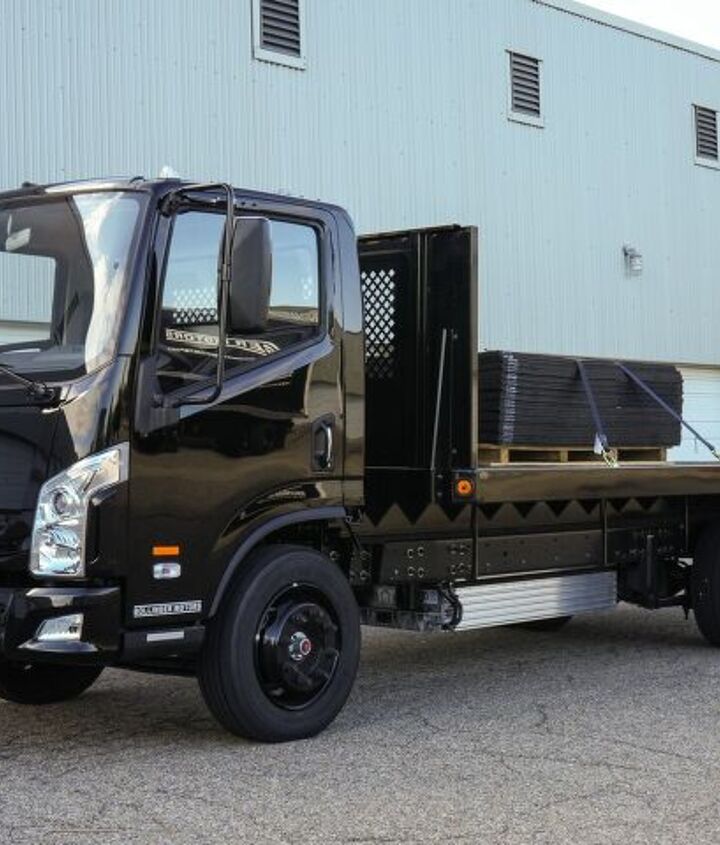
In the case of Bollinger, the company started out in 2014 as a brand keen to build all-electric utility vehicles and pickup trucks that could handle serious abuse. That’s what drew attention to the brand and it ultimately decided to move away from SUVs on the grounds that the market was quickly becoming saturated and there were more opportunities (and government subsidization) beyond the realm of passenger vehicles.
The brand moved from New York to Michigan and started refocusing on electrified commercial vehicles in 2018. By 2022, any illusion that the original B1 and B2 passenger vehicles would ever be built was gone. Mullen Automotive had recently acquired a 60-percent controlling interest in Bollinger Motors for roughly $148 million.
However, a major financial dispute between founder Robert Bollinger and the company ultimately went into receivership last spring. Mr. Bollinger sued the company on the grounds that he wanted to recoup a $10-million loan issued the previous year. But the matter was settled with Mullen putting up the funds to pay by the following month.
Sadly, this wasn’t the only suit launched against the company this year. Several of its suppliers have also taken legal action to settle accounts to the tune of several million dollars.
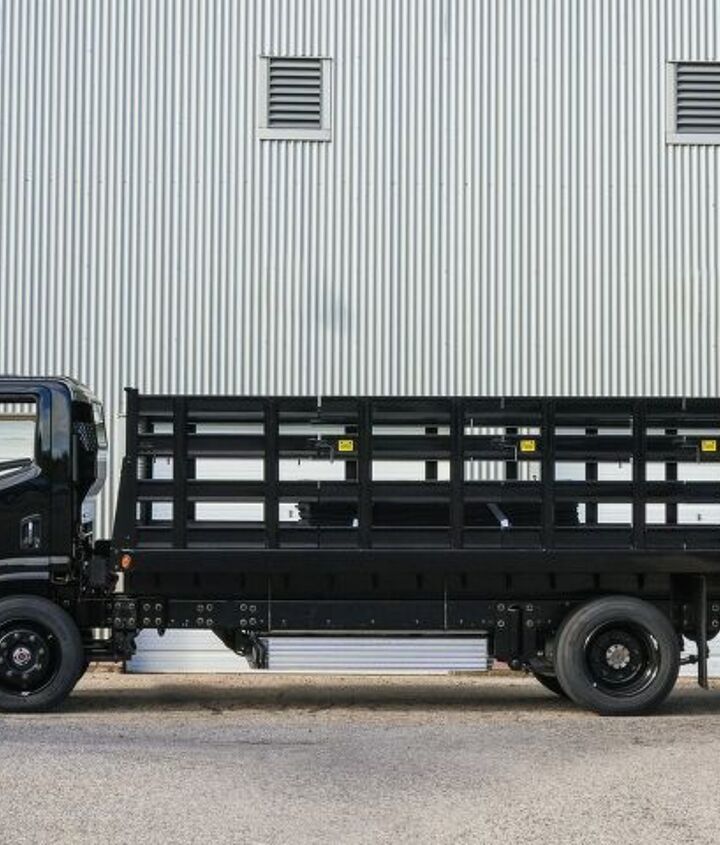
With that in mind, what’s happening now seems inevitable. Without continued government funding, it’s hard to make a case for companies to build all-electric trucks, as there will be fewer reasons for other businesses to purchase them. A lot of people do not like to admit that a meaningful portion of the industry behind battery electric vehicles has been propped up by dwindling government incentives and the now-waning hype surrounding technology companies. That doesn’t suggest things will always be this way, especially as the relevant battery tech and infrastructure improves. But it does happen to be the truth at the present moment.
Despite being in business for over a decade, Bollinger Motors has very little to show for itself. The brand’s initial passenger models were never built and most of its commercial vehicles have yet to arrive. Outside of the all-electric B4 (pictured), a Class 4 vehicle that closely resembles an Isuzu NPR box truck, is really the only real product to come out of the business.
We’re wondering if that’s to remain the case indefinitely. Bollinger is now in that make-or-break phase where we’ve seen many EV companies spend the next several years promising that they’re about to turn a corner, only to see it fall further into obscurity as more aggrieved creditors come forward.
[Images: Bollinger Motors]
Become a TTAC insider. Get the latest news, features, TTAC takes, and everything else that gets to the truth about cars first by subscribing to our newsletter.
Consumer advocate tracking industry trends and regulations. Before joining TTAC, Matt spent a decade working for marketing and research firms based in NYC. Clients included several of the world’s largest automakers, global tire brands, and aftermarket part suppliers. Dissatisfied, he pivoted to writing about cars. Since then, he has become an ardent supporter of the right-to-repair movement, been interviewed about the automotive sector by national broadcasts, participated in a few amateur rallying events, and driven more rental cars than anyone ever should. Handy with a wrench, Matt grew up surrounded by Detroit auto workers and learned to drive by twelve. A contrarian, Matt claims to prefer understeer and motorcycles.
More by Matt Posky









Comments
Join the conversation
I met the guy before they moved to Detroit and he seemed genuine. It was literally in a big garage at that point, but there were frames being worked on and impressive design work happening. I highly doubt he was setting up an out with this project. Personally, I think the product was a great idea, but they clearly needed bigger funding than they got to spin it up in time to be relevant.
There's always a shake out when new technology is developed and adopted by the public.
There were dozens of cell phone companies during the breakout of the late 1990s. Mine was Cingular (Bell South). Now down to the big three of Verizon, T-Mobile, and AT&T with several niche players.
My first PC was an Austin and does anyone remember Compaq? Now down to the big three of Dell, HP, & Apple with a handful of peripheral producers.
Same with pure play EVs. Lordstown & Fisker bit the dust early in the program. Now down to Lucid, Tesla, & Rivian. China is dumping EVs on the market via excess capacity, but could end up like VinFast. In a year or two, we will hear more about EV shakeouts and might even take a few existing ICE producers with it. 🚗🚗🚗