


VW Pauses ID. Buzz Van Production Because People Aren't Buying Them
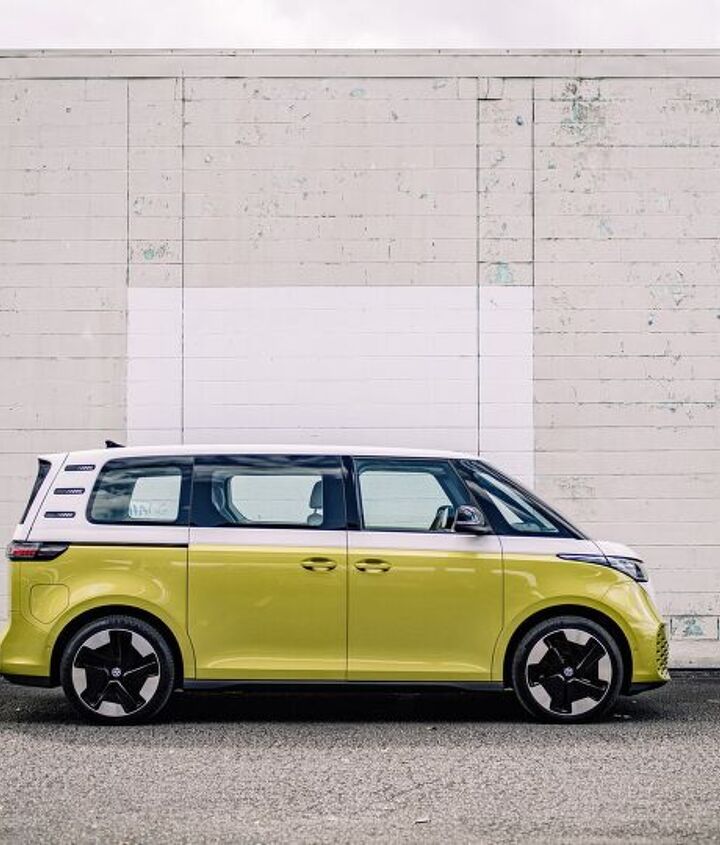
Volkswagen’s retro-inspired ID. Buzz was supposed to rekindle the free-spirited appeal of the original Microbus while headlining the company’s electric future.
According to reports from Automotive News Europe and Germany’s DPA news agency, Volkswagen will suspend production of both the ID. Buzz and its Multivan sibling at its Hanover, Germany, factory from October 20 to 24, the pause coincides with the autumn holidays in Lower Saxony.
Volkswagen says the decision is a way to “adapt production processes to changed market conditions.” In other words, people don't want it, and those who do, already bought one. Volkswagen has already taken measures to address the weak demand, including extending its summer shutdown by an extra week and reverting to a 35-hour work week in September.
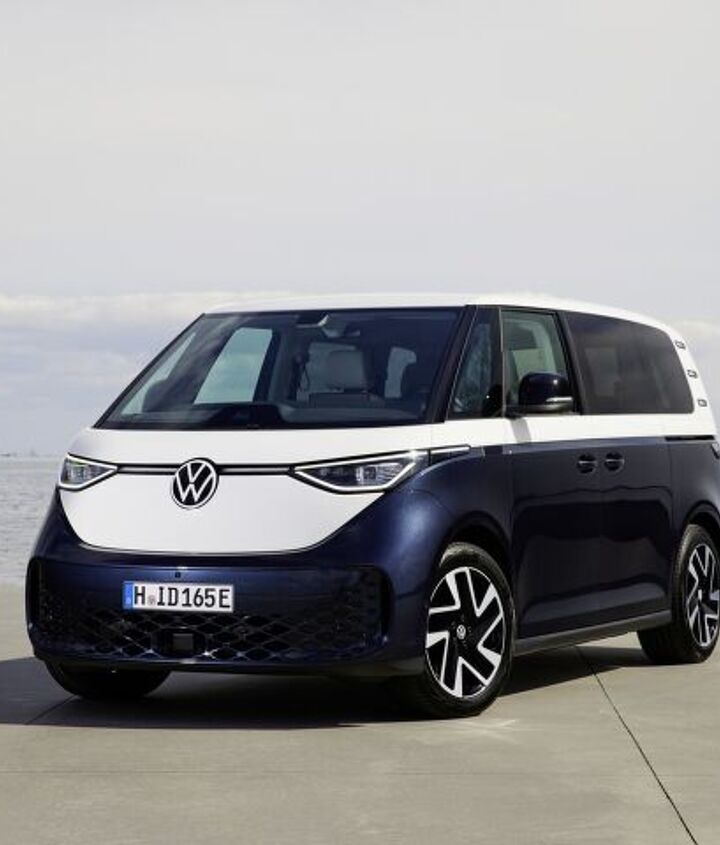
When the ID. Buzz debuted, Volkswagen projected annual capacity of 130,000 units at the Hanover facility—those projections are pure ambition, year-to-date VW has only moved 42,900 vans, including those sold for commercial purposes. The plant, which builds both the electric ID. Buzz and the combustion-powered Multivan will produce roughly 21,000 fewer vehicles this year than originally planned, according to internal figures cited by Hannoversche Allgemeine Zeitung
The ID. Buzz’s pricing has not helped its case. In the U.S., the van starts north of $60,000 and climbs well above $70,000 in higher trims—which brings many other premium electric SUVs into play, most of which offer better range and higher performance. The model’s U.S. debut in late 2024 was also mugged by a recall and stop sale order due to third-row seats that failed to meet federal safety standards.
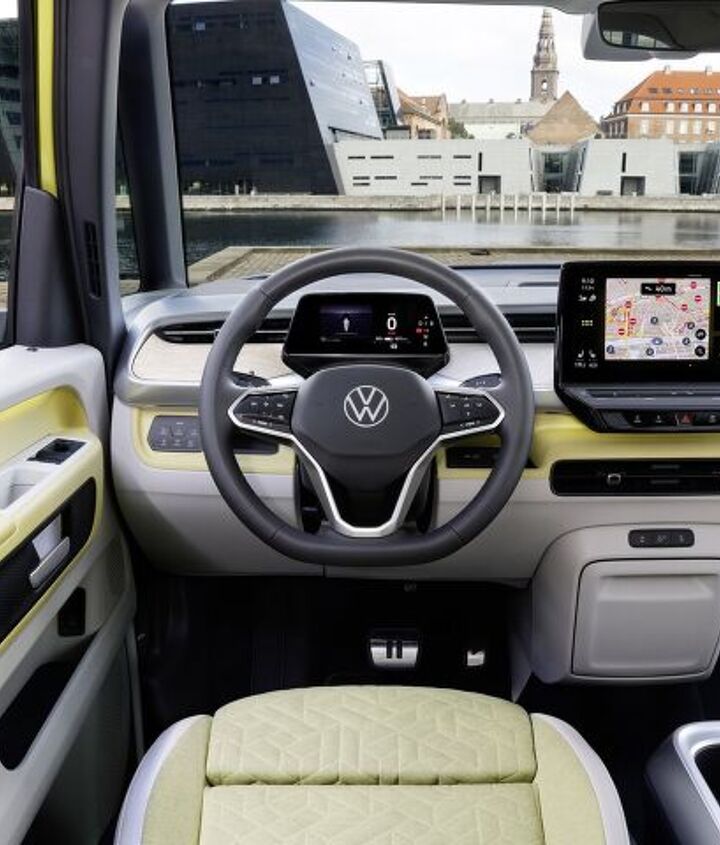
Despite the van's charm, spacious interior, and easygoing road manners, the ID. Buzz offers one of the shortest driving ranges among modern EVs—some 230-ish miles—severely limiting its use case as a family hauler or commercial vehicle. Volkswagen says it will increase marketing support and introduce new incentives—demonstrating that it either firmly does not understand why people aren't buying it, or those are really the only levers it has to pull.
[Images: Volkswagen]
Become a TTAC insider. Get the latest news, features, TTAC takes, and everything else that gets to the truth about cars first by subscribing to our newsletter.

An experienced automotive storyteller known for engaging and insightful content. Michael also brings a wealth of technical knowledge and experience having been part of the Ford GT program at Multimatic and built cars that raced in TCR, IMSA, and IndyCar.
More by Michael Accardi




Comments
Join the conversation
"They should put an ICE in it"
Ah yes, what VW's $70,000 van needs is their garbage EA888, complete with turbo wastegate failures every 20k miles, brittle plastic timing chain guides, cooling system failure, manifold failure, camshaft failure, and carbon buildup.
VW has no future with internal combustion engines. Every gas and diesel engine they've made for the past 35 years is total garbage.
Fire the German engineers behind the drivetrain and interior interface, put the Rivian-derived Scout drivetrain in it, bin CARIAD and put in the Rivian system, cut the price by $20k.
This is quite simple: It's $70K for a vehicle that's admittedly neat-looking, but also doesn't look, feel, or justify price north of $10K over its traditional minivan competition.