
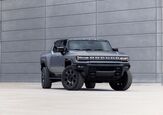

General Motors Reports $1.1 Billion Loss, Blames Tariffs

General Motors has reported a profit fall of about 35 percent shortly after Stellantis announced taking a sizable financial hit of its own. Both companies have predictably attributed the loss to tariffs being imposed on imported parts and automobiles. GM is estimating that net income declined by $1.9 billion, with import tariffs costing the automaker a claimed $1.1 billion.
While nobody should doubt the Trump-backed industry tariffs for having played a role in upping manufacturing costs, they’ve likewise become a rather convenient excuse for automakers that are arguably suffering from an array of problems.
General Motors’ U.S. sales increased by 7 percent in the second quarter compared to the same period in 2024. However, wholesale volumes were down by just as much as retail sales had increased. According to the company, that was the other big factor tamping down profitability.
The automaker likewise stated that it had managed to carve out a small profit in China for Q2, notably after losing plenty of money last year and spending over $5 billion in restructuring. But it’s hard to see anything as a clear victory in China. GM’s partnership with SIAC seems to have left the Chinese side of the business holding all the cards, as it has spent more than a decade benefiting from Western technology (often at little-to-no cost) and effectively controls the partnership at this stage.
With GM now deciding that it needs to some production back to the U.S. to deal with the new tariffs, the SAIC partnership is becoming even less lucrative. Years ago, the assumption was that the American brand could leverage its technology to gain access to the massive Chinese market and subsequently utilize its labor force to export vehicles back to the U.S. for cheap.
Having the tariffs in play means GM has instead opted to spend $4 billion over the next couple of years so it can add a capacity of about 300,000 units (per year) domestically. Additionally, it’s assumed that a larger share of its parts supply will stem from Mexico and Canada in the coming years.
“We are positioning the business for a profitable, long-term future as we adapt to new trade and tax policies and a rapidly evolving tech landscape,” CEO Mary Barra explained to shareholders ahead of the company’s official Q2 2025 earnings release.
That apparently includes sticking with its preexisting plan to electrify its fleet. Despite the Trump administration having eliminated fines for snubbing Corporate Average Fuel Economy (CAFE) rules and cutting federal tax subsidies for the sale of all-electric vehicles, GM says it still plans on sticking with previous plans to chase EVs and leverage connectivity features in a bid to boost revenue.
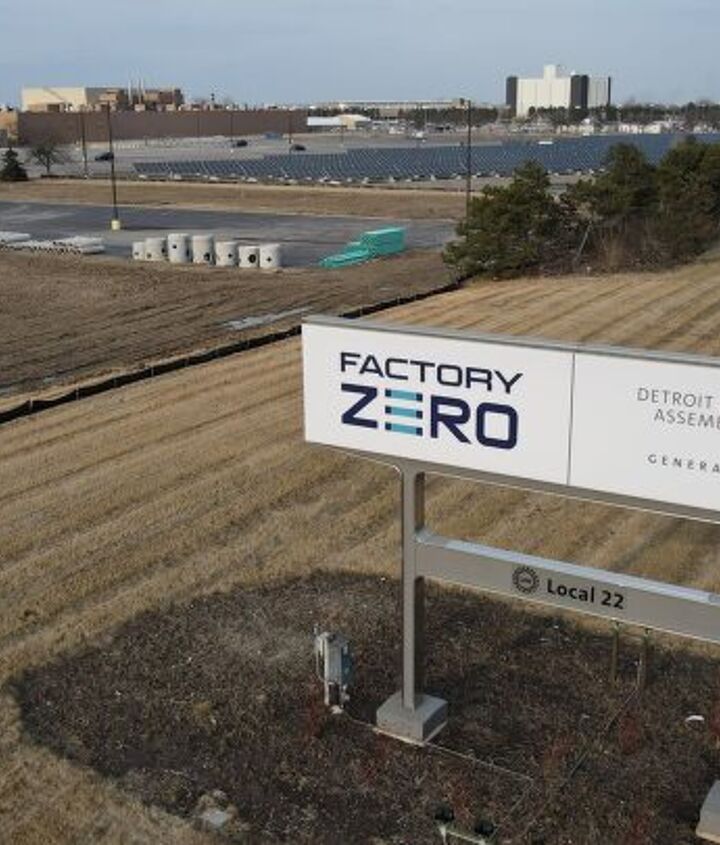
Considering the company recently laid off about 200 employees at its high-profile EV factory, which it confirmed was due to market demand, not tariffs, there are reasons to question the decision to remain so gung ho on electrics. But leadership remains confident that it's the correct play to make.
“Despite slower EV industry growth, we believe the long-term future is profitable electric vehicle production, and this continues to be our north star,” Barra noted in her letter to shareholders. “As we adjust to changing demand, we will prioritize our customers, brands, and a flexible manufacturing footprint, and leverage our domestic battery investments and other profit-improvement plans.”
Globally, that makes a lot of sense. Europe still has some incredibly strict emission laws on the books. But domestically, the signal from consumers has been pretty consistent. They want more affordable vehicles with traditional engines, with a subset of the market still keen on EVs.
Perhaps GM believes that the end of CAFE emission standards will be short lived and that government subsidization of all-electric vehicles will be back on the menu after the next major election. But we’ve seen how badly a poor product mix and some daft marketing hurt Stellantis. While it’s easy to understand why automakers want to stay the course with the products they have (development is costly and time consuming), it likewise behooves them to offer the kinds of vehicles customers actually want to purchase.
[Images: Linda Parton/Shutterstock, Wirestock Creators/Shutterstock]
Become a TTAC insider. Get the latest news, features, TTAC takes, and everything else that gets to the truth about cars first by subscribing to our newsletter.
Consumer advocate tracking industry trends and regulations. Before joining TTAC, Matt spent a decade working for marketing and research firms based in NYC. Clients included several of the world’s largest automakers, global tire brands, and aftermarket part suppliers. Dissatisfied, he pivoted to writing about cars. Since then, he has become an ardent supporter of the right-to-repair movement, been interviewed about the automotive sector by national broadcasts, participated in a few amateur rallying events, and driven more rental cars than anyone ever should. Handy with a wrench, Matt grew up surrounded by Detroit auto workers and learned to drive by twelve. A contrarian, Matt claims to prefer understeer and motorcycles.
More by Matt Posky









Comments
Join the conversation
@Matt Posky.....and now two days since your hack article was posted and YOU STILL HAVE NOT CORRECTED YOUR GROSS MISTAKES. TTAC is a complete joke of a site, I swear it is run by Babylon Bee.
Curious, as they broke out the impact of tariffs on their profits, did they do this with other costs such as fixing 6.2 V8s or did they limit this to political matters? I can't wait for Ford to blame it all on tariffs LOL.