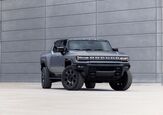


General Motors Expecting $500 Million in Tariff Rebates


Following a decision by the Supreme Court regarding tariffs, numerous industries are now eligible to receive refunds from the federal government. This includes General Motors, which just announced that it expects to receive $500 million.
The decision encouraged the automaker to raise its earnings forecast for the rest of 2026 by a corresponding $500 million. GM now believes that it could see between $13.5 billion and $15.5 billion by year's end. However, leadership still anticipates gross tariff costs to average out to between $2.5 billion and $3.5 billion — which is predictably half a billion dollars less than previous estimates.
While the Supreme Court decided that some of the tariffs implemented by the Trump administration were technically illegal, undoing select importation fees recently imposed under the International Emergency Economic Powers Act (IEEPA) and setting the stage for government-issued refunds, people still aren’t pleased with the ruling.
The issue is that companies (including automakers) already passed the financial burden of those tariffs onto customers by way of raising their prices. Now, those same companies are getting refunds that are dependent upon that very same group of people who serve as the U.S. tax base. Citizens feel like they’re being robbed twice, as the likelihood of businesses lowering prices is exceptionally small.
Based on a letter issued to shareholders, GM CEO Mary Barra stated the company anticipates receiving somewhere in the neighborhood of $500 million from the federal government due to tariffs paid on imported vehicles and parts.

If you’re wondering how much other automakers can expect to recoup, we can tell you that GM is one of the largest vehicle/part importers in the nation. This is despite it technically being considered a “domestic” automaker. However, a good portion of those imports still come from North American suppliers (Canada and Mexico) that may fall under special exemptions via the USMCA.
At present, the United States has roughly 330,000 companies that filed for IEEPA refunds. Initially, there was some discussion about how automakers wouldn’t be eligible. However, that does not appear to have been the case. Trump has likewise stated that he would “remember” U.S. brands that didn’t apply for tariff refunds. But it seems unlikely that any large business would ignore millions of dollars — especially automakers, which have historically been just fine with receiving government money.
That latter issue has also called into question the fairness of refunds. During the pandemic, companies applied for nearly a trillion dollars in government assistance via the Paycheck Protection Program (PPP). The money was allegedly intended to go toward helping small businesses, nonprofits, and the self-employed maintain payrolls. This included “forgivable loans” that did not need to be paid back if the brunt of the money went toward employee retention. But the subsequent analysis of the initiative showed widespread abuse and large, multi-national companies taking advantage of the scheme. The corruption was actually so widespread that the government extended the statute of limitations for bank fraud and wire fraud related to PPP loans to 10 years.
However, legally verifying the fraud has proven extremely time consuming and costly. Many believe the many businesses won’t be held accountable and that the government is spending a fortune on investigations that will never recoup the capital lost via PPP fraud.
The IEEPA refunds have fallen under similar criticisms. Not because companies behaved in a fraudulent manner this time. But because it will result in an uptick in government spending that advantages corporations at the expense of taxpayers.
Expect to see subsequent announcements from other automakers requesting tariff refunds in the weeks ahead.
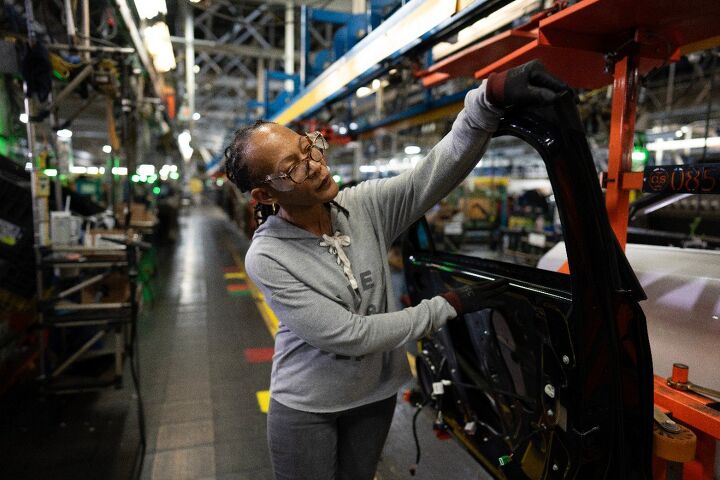
[Images: Colinmthompson/Shutterstock; General Motors]
Consumer advocate tracking industry trends and regulations. Before joining TTAC, Matt spent a decade working for marketing and research firms in NYC. Clients included several of the world’s largest automakers, global tire brands, and aftermarket part suppliers. Since adding automotive writing to his repertoire, he has become an ardent supporter of the right-to-repair movement, discussed the status of the automotive sector on national broadcasts, participated in a few amateur rallying events, and driven more rental cars than anyone should ever have to. Handy with a wrench, Matt grew up surrounded by Detroit auto workers and learned to drive by twelve. Alleged to be contrarian, Matt claims to prefer understeer and motorcycles.
More by Matt Posky







Comments
Join the conversation
Ford is about to make billions off the govt while GM litigates to a few hundred million.
And how much extra does Mary get in her bonus for doing nothing? Maybe give the $500M back to the people that paid the inflated prices for their purchases from BBC GM? Fat chance!