


Colorado Deploys Allegedly Unstoppable Speed Cameras

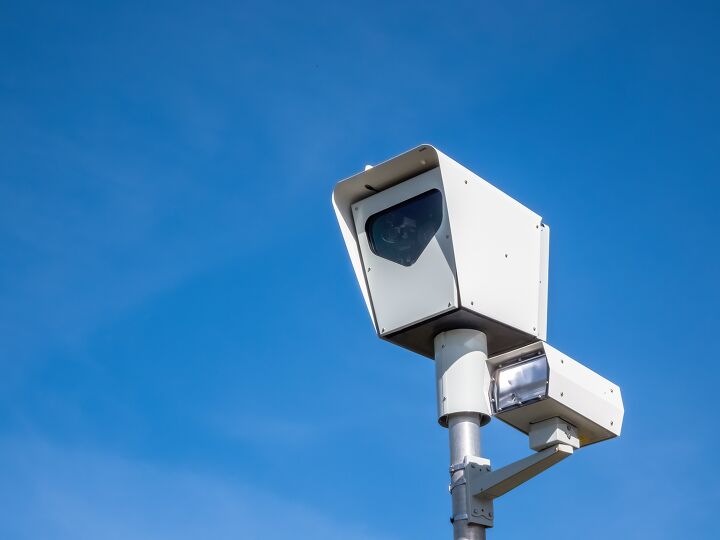
Colorado has begun ticking along a stretch of Interstate 25 that utilizes a series of automated enforcement cameras that estimate a vehicle’s average speed over distance. Numerous outlets have even framed the system as being impossible to defeat.
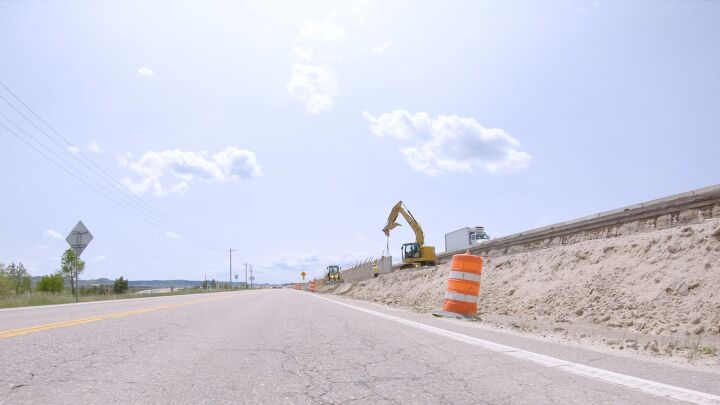
The state’s Department of Transportation has legally been able to implement speed cameras along “high-risk” corridors since 2023. This led to the Colorado Speed Enforcement Program placing some along stretches of Highway 119 that were previously under construction. The newer cameras are located on I-25, outside of Fort Collins, where the state plans on adding express lanes.
It’s assumed that cameras will offer safer, more consistent enforcement than patrol units in construction zones — as there may not be sufficient room for officers to pull over speeders. Following a 30-day warning period, legitimate enforcement was activated on April 2nd.
Offenders will be automatically mailed a bill for $75, assuming they’re the one that owns the vehicle. The cameras simply recognize the license plate and send the ticket to whatever address it’s attached to. Penalties are strictly monetary, with no points being added to a driver’s record.
Despite numerous outlets claiming that the camera systems cannot be defeated, we’re not really sure what they’re talking about. Since they estimate a vehicle’s average speed over distance, radar detectors are effectively useless. But claims that driving apps, like Waze, are similarly ineffective are highly questionable.
Most navigational apps (including Waze) allow users to mark things like speed cameras. Locals have even commented on select articles that their chosen traffic software has already identified the area as an enhanced enforcement zone. But it sounds like they may not be necessary.
Colorado’s Department of Transportation has warning signs positioned about 100 yards before the enforcement zone. It’s also customary for states to have to notify drivers of work zones prior to that, likely meaning that it won’t be the first alert they’ll get before encountering a camera.
Since the cameras take a vehicle’s average speed through the zone, drivers that do come in over the speed limit may still be able to avoid a ticket by simply slowing down. Your author used to employ a similar tactic to game out toll roads with enhanced enforcement during a trip by stopping for fuel before exiting.
One only needs to make sure that their average speed over the relevant distance comes in below the ticketing threshold, not that we’re offering any kind of advice on the matter. While we’re not known for being big supporters of automated traffic enforcement, Colorado does seem to be running with some of the more lenient examples and it’s probably best just to adhere to the posted limits.
Another way of avoiding fines would be to simply drive without a license plate, which we also cannot recommend. But this is actually something that has gotten more common in recent years. Fake paper tags have frequently been deployed by criminals hoping to avoid automated enforcement. We’ve also seen more people simply going without insurance or registering their vehicles. Some of this is due to the recent influx of immigrants, many of whom don’t have a license to begin with and won’t bother getting one in states that would allow them to (including Colorado). However, there are likewise more Americans doing the same for political or financial reasons.
Regardless, Colorado believes the cameras will still be effective. According to local outlet KUSA 9News, the state has claimed that the program has already yielded a massive reduction in speeding.
From KUSA:
The Colorado Department of Transportation (CDOT) said that since a warning period began March 1, the program has issued 4,154 warnings. CDOT said excessive speeds in the corridor have dropped by 90 [percent].
In the I-25 North work zone, eight speed cameras were installed in January between Mead and Berthoud, where crews are constructing new Express Lanes in both directions. CDOT said the I-25 North corridor marks the second active enforcement area of the speed enforcement program, which uses camera technology to reduce speeding in high-risk corridors, such as work zones.
A reduction of 90 percent is such a sizable change that it’s honestly a little difficult to believe. But giving residents advanced warning that they’d be entering into an automated enforcement area would certainly be a deterrent. We’ve seen similar programs encourage a steep reduction in speeding, at least initially. However, the trend is usually for those areas to see an uptick in moving violations as people forget that the cameras are there.
“The goal isn’t to punish drivers; it’s to prevent crashes before they happen,” said CDOT’s Chief Engineer Keith Stefanik. “Speeding continues to be a contributing factor to crashes and fatalities in Colorado. Safer speeds save lives — it’s that simple.”
Perhaps. But the same could be said about improving roadway maintenance and targeting enforcement of distracted driving. Meanwhile, a highly visible police force is actually more likely to reduce instances of speeding than camera enforcement zones. But having officers manually issue tickets isn’t as lucrative as automated enforcement.
Many are under the assumption that camera-based law enforcement is little more than a way for municipalities to make a quick buck. There are also concerns that traffic cameras will be integrated into government-backed surveillance networks similar to what we’ve seen from Flock.
Interestingly, the CDOT stated that the brunt of the revenue collected from the cameras will be put right back into the Colorado Speed Enforcement Program. But it’s not clear if this is being done to offset the high cost of implementation or so that the state can expand the program to other roads. Any leftover funds will allegedly be sent to the Vulnerable Road User Protection Fund (VRU).
Stipulations under the Biden administration’s so-called “Bipartisan Infrastructure Law’s Highway Safety Improvement Program” (HSIP) stipulates that certain states must designate a portion of their infrastructure funds for VRU programs. However, most states now set aside cash for the Vulnerable Road User Protection Fund — which prioritizes making changes that prioritize safety for pedestrians, runners, cyclists, motorcyclists, road maintenance workers, people with disabilities, low-income households, and sometimes ethnic minorities.
How these changes are enacted tends to vary between regions. But it’s common for VRU programs to go toward things like creating bicycle lanes, high-visibility crosswalks, awareness campaigns, and initiatives to reduce speed limits in key areas. Since the new cameras pertain to protecting road crews, it seems like they’d be part of the VRU funding. But it doesn’t appear that’s how the CDOT has classified them.
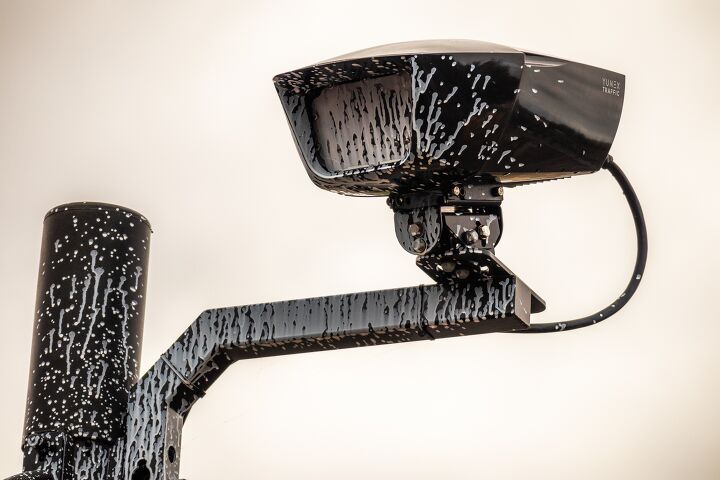
Traffic cameras are rarely popular with everyone. But we don’t think these units will be quite so loathed as the ULEZ cameras in the United Kingdom that citizens have taken to destroying. They’ll also probably go over slightly better than the Flock cameras utilizing AI-supported vehicle searches we’ve begun to see in the United States. But that presumes Colorado will keep them localized to construction zones as a temporary measure.
[Images: Habanero Pixel/Shutterstock; Arina P Habich/Shutterstock; Fela Sanu/Shutterstock]
Become a TTAC insider. Get the latest news, features, TTAC takes, and everything else that gets to the truth about cars first by subscribing to our newsletter.
Consumer advocate tracking industry trends and regulations. Before joining TTAC, Matt spent a decade working for marketing and research firms based in NYC. Clients included several of the world’s largest automakers, global tire brands, and aftermarket part suppliers. Dissatisfied, he pivoted to writing about cars. Since then, he has become an ardent supporter of the right-to-repair movement, been interviewed about the automotive sector by national broadcasts, participated in a few amateur rallying events, and driven more rental cars than anyone ever should. Handy with a wrench, Matt grew up surrounded by Detroit auto workers and learned to drive by twelve. A contrarian, Matt claims to prefer understeer and motorcycles.
More by Matt Posky






Comments
Join the conversation
With everyone complaining about the cost of gas why is everyone still speeding? Morons!
Just get plate covers that blurt the plate when viewed ( photographed from any angle but directly behind you) .Im glad this article noted that illegal aliens are cheating the system as that’s how they got here in the first place .Note , if you are in a crash with one you will get nothing and nothing will happen to you .Conversely if you hit them all hell will come down on you and you can count on being sued .Thanks dems !!!