


Pentagon Asks U.S. Automakers To Start Building Weapons

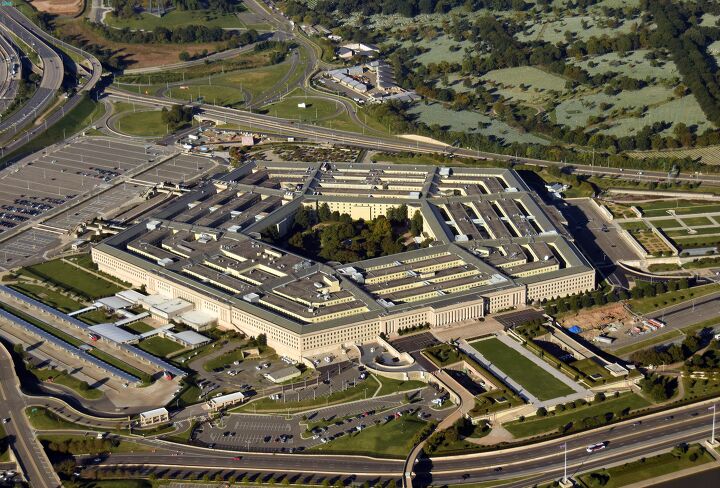
Last week, the Pentagon met with American manufacturers to request that they produce munitions as part of a proposed $1.5 trillion U.S. defense budget aimed at resupplying Israel and Ukraine. This reportedly included the Trump administration holding meetings with General Motors CEO Mary Barra and Ford CEO Jim Farley.
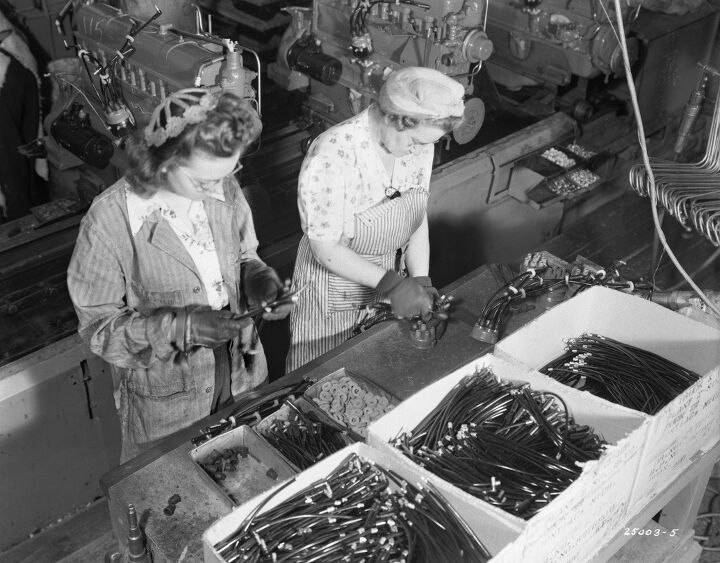
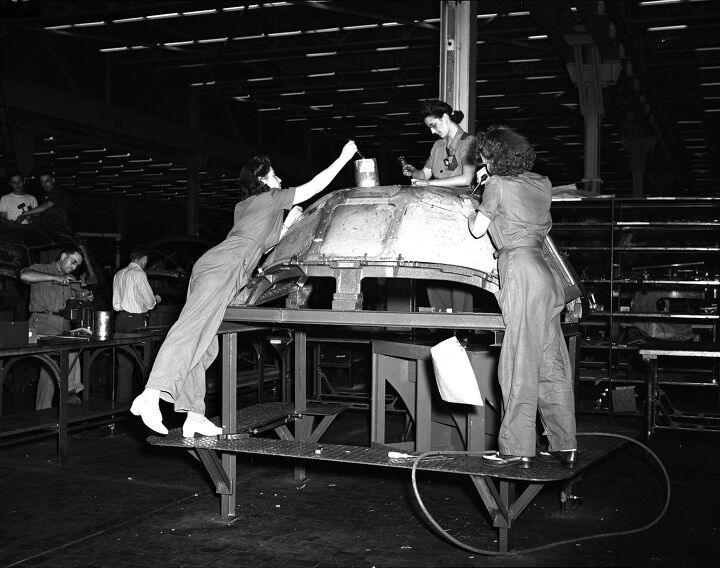
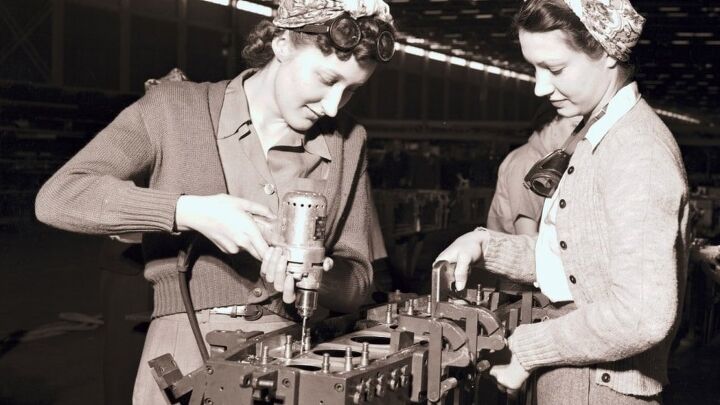
While it’s not uncommon for automakers to devote a portion of their Research and Development (R&D) budget to things that might eventually be of use to the military or law enforcement, it’s pretty rare for the federal government to request large swaths of an industry to pivot toward building weapons. The last time we saw this happen was arguably during World War II, when North American automakers effectively stopped building cars so they could assemble planes, tanks, weapons, ammunition, and other supplies in service of the broader war effort.
This is reminiscent of that request, albeit smaller in scope. A Wall Street Journal report stated the Pentagon is only asking companies to pivot a portion of their production capacity toward munitions. Although, it should be said that is also how things began during the lead up to the Second World War. All in, the United States spent an estimated $6 trillion (adjusted for inflation) during the war and the first year only represented a fraction of the whole.
Talks reportedly began before Iran was attacked by the United States and Israel in late February. With the Russo-Ukrainian conflict continuing, defense officials were allegedly concerned that traditional defense contractors may be insufficient to continue arming troops — especially if fighting broke out elsewhere in the world.
With war spreading in the Middle East, the Pentagon has reportedly ramped up those efforts. Israel is now attacking Lebanon while it continues activity in Gaza and the West Bank. There have also been strikes against Syria, Yemen, and Iran that have seen confusing and sporadic pauses stemming from temporary truces and ceasefire agreements. Meanwhile, the U.S. has primarily been engaged with the highly capable Iran. But fighting has paused under a ceasefire agreement set to expire later this week.
The concern is that more supplies will be needed as the conflict expands, perhaps indicating that American and Israeli leadership wish to continue their offensive in the Middle East. At the same time, the war in Ukraine has basically ground down into a battle of attrition with minimal gains. The Pentagon wants to resupply troops to help offset Russian supplies believed to stem from companies based in China, Iran, Turkey and the UAE.
American automakers, along with GE Aerospace and Oshkosh, are reportedly being asked to help with the war effort. While the companies did not immediately confirm the talks, the Pentagon has been telling everyone that the Department of War (formerly the Department of Defense) "is committed to rapidly expanding the defense industrial base by leveraging all available commercial solutions and technologies to ensure our warfighters maintain a decisive advantage.” It is apparently very serious about the prospect and reportedly asked manufacturers to identify issues that would prevent them from accepting additional defense work. This apparently included contracting requirements and any challenges with the bidding process.
With decades of government work under its belt already, Oshkosh has publicly stated that it’s more than happy to assist the War Department and strives to remain flexible for any contingency. But it will likely need to take some time to examine its present manufacturing capabilities, relative to the kind of materials the government will be requesting.
"We are committed to regularly evaluating how our available capacity can meet the Department of War’s evolving needs, and we are proud to support national defense and the service members who rely on our capabilities and technologies," an Oshkosh spokesperson said.
The other companies were a little less forthcoming. But it seems plausible that several of the businesses we know for certain the Pentagon had reached out to would at least consider the prospect.
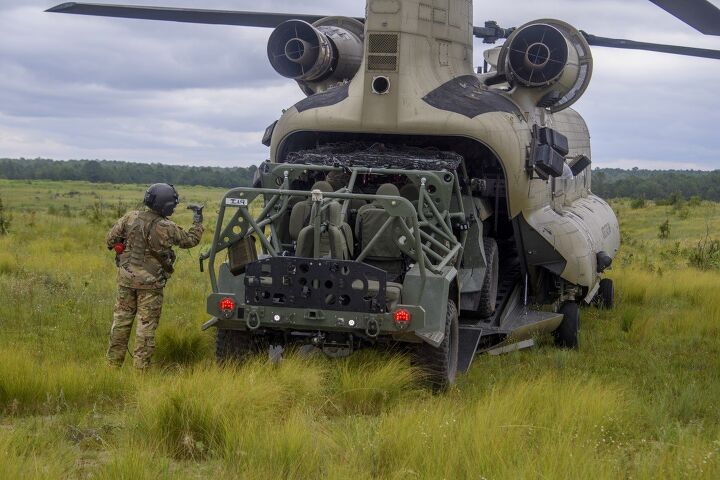
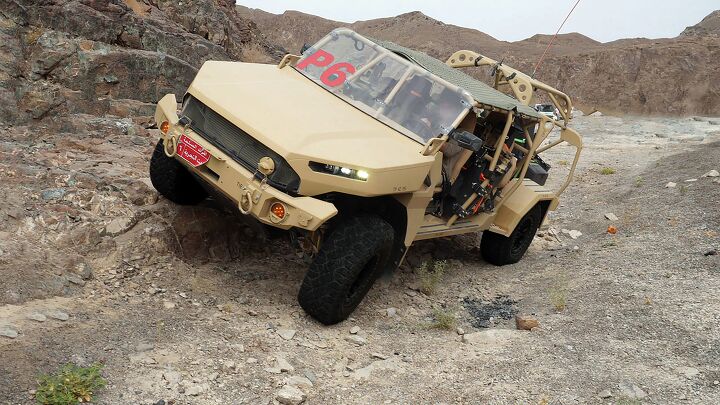
For example, General Motors formally launched GM Defense in 2017 and has been trying to get the U.S. government interested in some of its infantry vehicles (pictured above) and energy storage solutions. GE Aerospace likewise seems poised to try and work with the Pentagon, as it already produces loads of aviation equipment for the United States. Meanwhile, Oshkosh may be best known today for building the new mail delivery trucks (below). But it simultaneously manufactures military and utility vehicles.
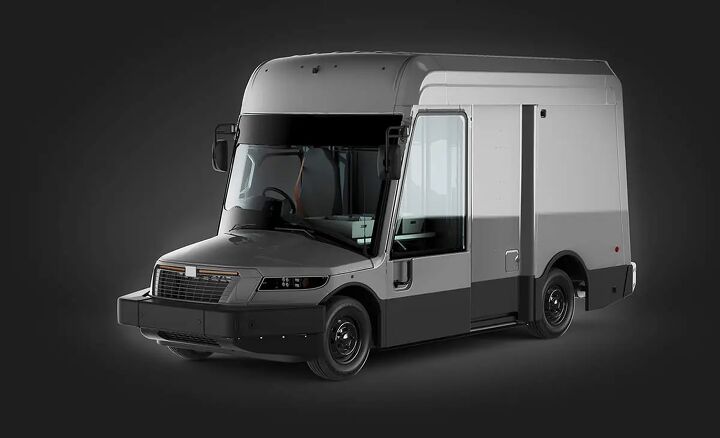
We know that the military presently wants more missiles, drones, and equipment that could counter those same systems launched by an opposing force. But there have also been calls for ammunition and vehicles. The assumption is that most of the companies named in the report would be handling drones and vehicles.
Still, we don’t know exactly what the Pentagon is asking for. But it may not matter if there’s a surplus of open space at factories and people begging for jobs.
Automakers have plenty of underutilized facilities due to the failed industry push into electrification and it looks like a struggling economy may further suppress vehicle sales in the coming months. It’s reasonable that automakers would jump at lucrative government contracts, especially if vehicle demand remains suppressed.
We sort of got a preview of this after 2020, when entire countries went idle in response to concerns about the pandemic. At the time, automakers weren’t selling many vehicles and were confronting restrictions about even letting workers stand near each other without special permissions. They jumped at the chance to produce personal protective equipment. Ford and General Motors both initiated cooperative ventures with several medical firms to produce ventilators, respirators, and face shields at the request of the federal government.
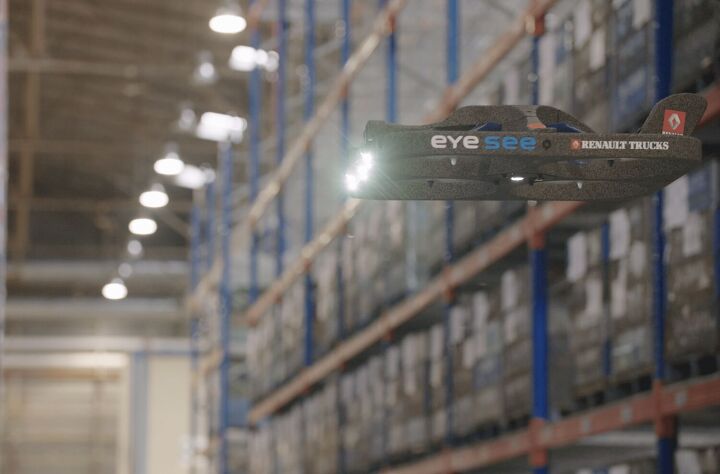
We’ve also seen European automakers getting back into the defense game. Renault is supposed to be building systems linked to drone defense and there are rumors that Volkswagen has been in discussions to produce components for Israel's Iron Dome system by 2027 (likely helping to build a German missile defense network in the process). But those are just the big automotive names. There are over a dozen part suppliers that have already pivoted a portion of the business to serving the war machine.
European automakers are likewise experiencing a localized sales slump while also seeing fresh competition from China. Affordable, imported Chinese EVs are growing in popularity while exported European cars aren’t selling like they used to in Central Asia. This is adding pressure for those brands to pivot at least a segment of their manufacturing base toward munitions.
The whole thing is concerning. Bad policies have helped drag down Western economies and put automakers into a position where they’re considering weapons manufacturing as a way to remain profitable. But the whole endeavor will likely lead to expanding conflict zones and increased loss of life.
If you’re wondering what things would be like for you should automakers pivot to war-time manufacturing, expect new vehicle supplies to become constrained and used vehicle pricing to climb dramatically. How dramatically will depend on the level at which these companies are committed to building armored vehicles and drones instead of passenger vehicles.
During World War II, there basically weren’t any new vehicles produced inside the United States from 1942 until after 1945. Things were significantly worse in Europe, with civilian vehicle manufacturing effectively ending before 1939. By the end of the war, the fuel situation had also grown so abysmal that people were converting countless vehicles to run on just about anything other than gasoline or diesel. Shipping constraints, combined with military procurement, made traditional fuels and rubber for tires basically impossible for civilians to find.
Barring a worst-case scenario, material rationing seems the more likely outcome should the present conflicts expand. In the interim, expect fuel prices to continue to rise.
However, that’s all speculative and we’re much better at predicting which automotive trends will flop than determining exactly how wars are going to play out. Even though the Pentagon seems willing to expand the fighting we’ve already seen, these requests may simply be a precautionary measure should negotiations fail to settle things. There also doesn’t appear to be much civilian support for these wars right now, despite the overt messaging from the federal government that it wants munitions to support them. Only time will tell how this will all progress, with any confirmation from automakers that they’ll be embracing defense contracts likely being an important sign of the things to come.
[Images: Ivan Cholakov/Shutterstock; General Motors; Oshkosh; Renault; Ford]
Become a TTAC insider. Get the latest news, features, TTAC takes, and everything else that gets to the truth about cars first by subscribing to our newsletter.
Consumer advocate tracking industry trends and regulations. Before joining TTAC, Matt spent a decade working for marketing and research firms based in NYC. Clients included several of the world’s largest automakers, global tire brands, and aftermarket part suppliers. Dissatisfied, he pivoted to writing about cars. Since then, he has become an ardent supporter of the right-to-repair movement, been interviewed about the automotive sector by national broadcasts, participated in a few amateur rallying events, and driven more rental cars than anyone ever should. Handy with a wrench, Matt grew up surrounded by Detroit auto workers and learned to drive by twelve. A contrarian, Matt claims to prefer understeer and motorcycles.
More by Matt Posky









Comments
Join the conversation
Will we hear more stories like this? https://www.19fortyfive.com/2026/03/the-us-navys-most-embarrassing-secret-a-2-billion-submarine-is-stuck-in-dry-dock-and-cant-go-to-sea/
This capacity seems likely to be needed in the future. If I were a domestic manufacturer being told of a $1.5T spending plan you betcha there would be great interest!
Wars have been used historically to restart economies, perhaps history will repeat?