Mazda Goes All-In On Standard Safety Technologies
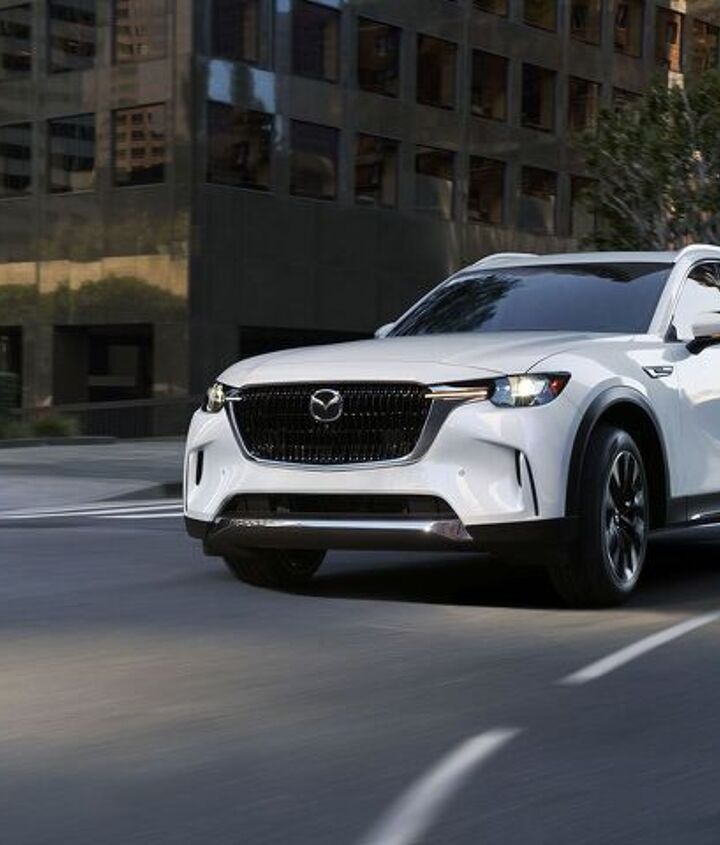
In a conference room in downtown Detroit, Mazda’s top North American safety executive played the short crash test video once, then twice for me, becoming more enthusiastic and emphatic each time.
The video, shown below, is a Mazda CX-90 plug-in electric hybrid in a 40 mile per hour crash test conducted by the Insurance Institute for Highway Safety, where it was awarded a top “good” rating.
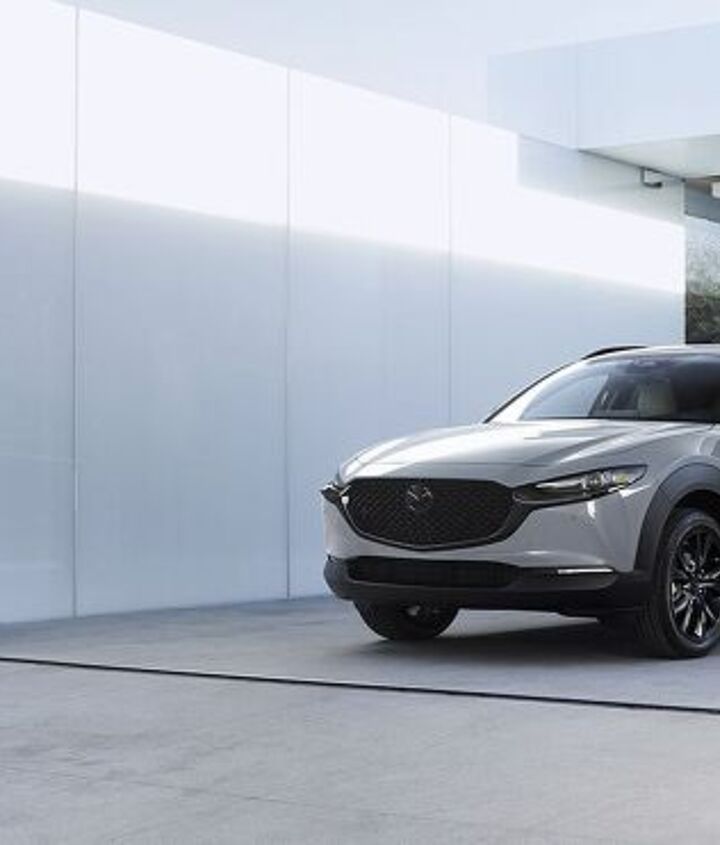
The car’s positive performance was the result of what Jennifer Morrison, Mazda North America vehicle safety strategy director explained is the automaker’s two-tiered safety approach it calls Mazda proactive safety—crash avoidance and crash protection.
“Our vision, our aim, is to get to zero fatal injuries in a Mazda vehicle by 2040-- that's not a far too distant future,” explained Morrison. “That is our stated vision and our aim, and that's how we think we're going to get there.”
In the case of the IIHS crash test examining how well the driver and a rear seat passenger are protected, two crash test dummies were used, protected in large part, Morrison explained, by an improvement Mazda made to rear seat belts adding a pyrotechnic to their pre-tensioners, Morrison explained.
“Mazda has put rear seat pre-tensioners and load limiters in all of our back seats now,” she said. ”The pre-tensioner, lets that chest go more naturally, more gradually, so you get less chest deflection on that sensor.”
She was proud to say that up until recently, Mazda held the most IIHS Top Safety Pick awards with eight, until Hyundai won its eighth. No sour grapes from Morrison, who celebrated any industry safety improvement.
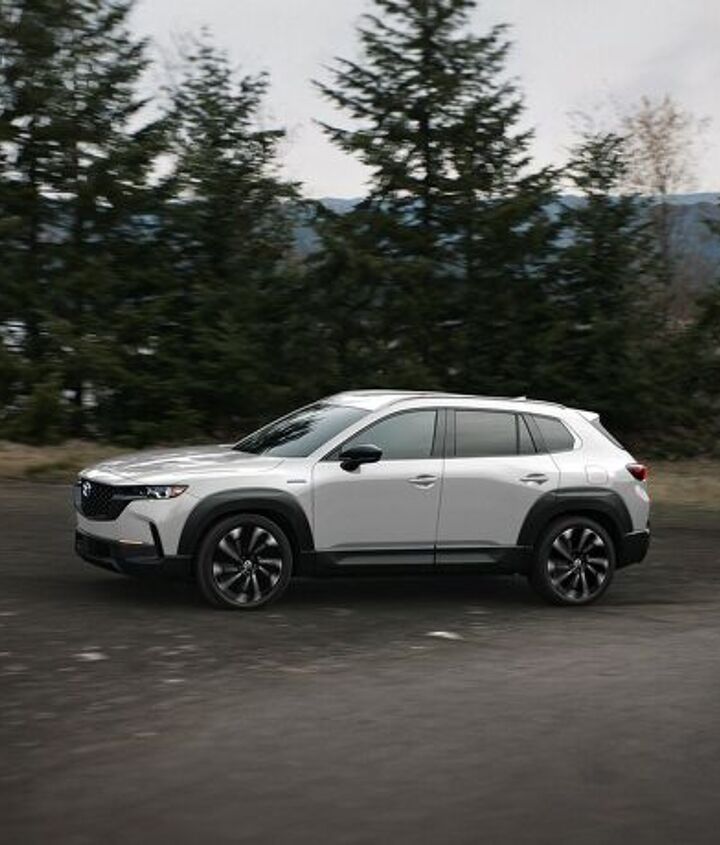
Now the Japanese automaker is planning to boost its own commitment to vehicle and passenger safety by introducing during the first quarter of 2026 a new version of its CX-5. Morrison says it will contain “more standard safety features,” although she said the company isn’t ready to announce exactly what they will be.
It’s all in line with Mazda’s decision to include four specific safety features as standard in all trim levels: smart brake support, Mazda’s term or automatic emergency braking, lane departure warning, blind spot detection and rear cross traffic alert.
“We shouldn't be charging extra for safety. You shouldn't have to pay more for safety,” Morrison asserted. “Those are the core technologies everyone should get, and they do, if they buy a Mazda. So those are the things that we want to keep it affordable, but also still provide people with the core set of standard safety features.”
Those safety features come under what’s known as advanced driver assistance systems, or ADAS. They’re meant to be helpful in preventing crashes, injuries and deaths, but in the 2024 J.D. Power U.S. ADAS Quality and Satisfaction Study consumers reported they found alerts were “annoying and bothersome.” Some even turned off the alerts.
“As more technology is added to vehicles, manufacturers need to ensure that driver assistance systems are integrated in such a way that enhances safety without detracting from the overall driving experience,” wrote Ashley Edgar, senior director of global automotive supplier benchmarking and alternative mobility at J.D. Power.
With that in mind, the new CX-5 removes the commander knob in favor of an advanced touchscreen, according to Morrison, although the commander knob will remain on some other Mazda vehicles.
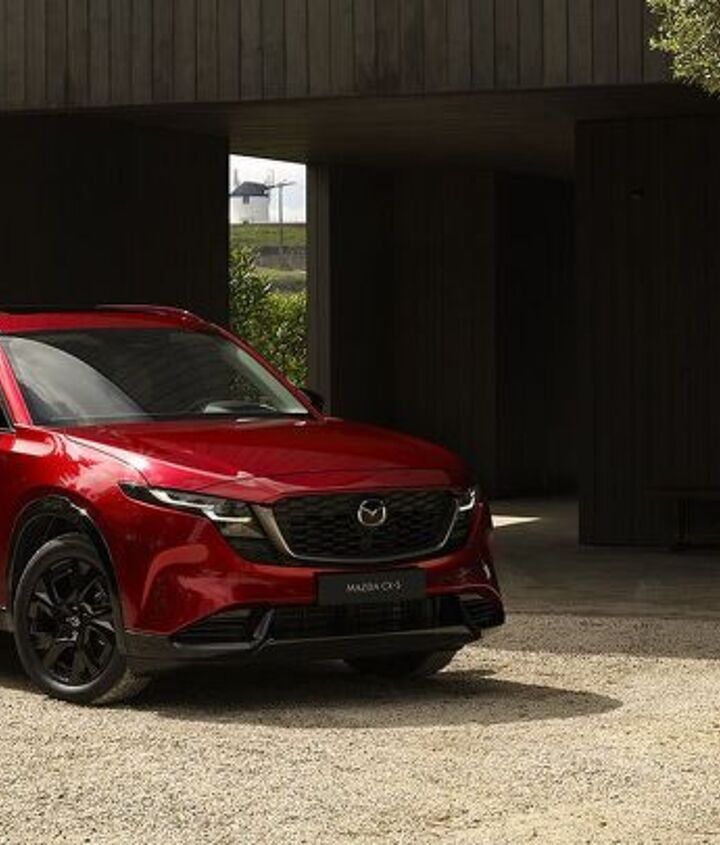
Acknowledging some consumers have said in surveys they prefer more tactile controls, like knobs and switches, over touchscreens, Morrison says Mazda is giving customers a choice in some cases.
“If you prefer to have more of a tactile we still have the steering wheel tactile buttons, or you can even choose a different Mazda vehicle and still have the commander knob,” she said.
When it comes some ADAS features such as automatic emergency braking, or AEB, there have been moves in some quarters to make the technology mandatory.
Mazda is one of 12 automakers in an organization called Partnership for Analytics Research in Traffic Safety, or PARTS, through the National Highway Traffic Safety Commission, that’s examining studies showing growing effectiveness of AEB systems.
While that may be a promising trend, Morrison doesn’t believe AEB should necessarily be mandated.
“We've already put it as standard equipment across our vehicles, and we're improving it with every new model, every new generation, every new reiteration,” said Morrison. “That is all being driven internally. We don't need a regulation to tell us to do this.”
She does agree the industry could do a better job at communicating the advantages of safety technology and the advances her company is making, which led to Morrison launching Mazda’s new vehicle safety strategy and communications department earlier this year.

Looking ahead, Morrison says Mazda is concentrating on developing its hands-on driver assistance technologies rather than more automated systems allowing drivers to take their hands off the steering wheel for any length of time, although that could come in the future.
She calls those hands-off technologies “comfort” rather than “safety” features, perhaps more appropriate for more expensive vehicles and trim levels.
For now, Mazda’s focus is squarely on providing safety technology to the broadest swath of the market.
“So these are technologies that have really proven to prevent crashes, and that's in the core middle we were designing for what's proven to prevent those crashes, and what the majority of people need,” said Morrison. “I know there's always people on either end, either don't want the tech or want all the tech, but you have to kind of be able to kind of shoot the middle, Shoot the gap, and deploy something that that is your best foot forward, and that's what we've been doing.”

TTAC Creator Ed Garsten hosts " Tales from the Beat," a podcast about the automotive and media worlds. A veteran reporter and public relations operative, Garsten worked for CNN, The Associated Press, The Detroit News, Chrysler's PR department and Franco Public Relations. He is currently a senior contributor for Forbes.
The TTAC Creators Series tells stories and amplifies creators from all corners of the car world, including culture, dealerships, collections, modified builds and more.
[Images: Mazda]
Become a TTAC insider. Get the latest news, features, TTAC takes, and everything else that gets to the truth about cars first by subscribing to our newsletter.

TTAC Creator Ed Garsten hosts " Tales from the Beat," a podcast about the automotive and media worlds. A veteran reporter and public relations operative, Garsten worked for CNN, The Associated Press, The Detroit News, Chrysler's PR department and Franco Public Relations. He is currently a senior contributor for Forbes.
More by Ed Garsten, TTAC Creator




Comments
Join the conversation
Toyota, who now has a stake in Mazda, already has TSS standard across all their vehicles, so it makes sense that Mazda does the same.
And look, let's be honest the demographic who buys Mazda CUV's can barely operate a headlight switch judging by how many I see driving at night on their DRL's.
Seems mostly reasonable, although she's kind of glazing the removal of the buttons and knobs. AEB is potentially very valuable, though the false positives put me off it.