


Design Differentiation Isn't The Biggest Challenge For Electric Vehicles, But It's Definitely Up There
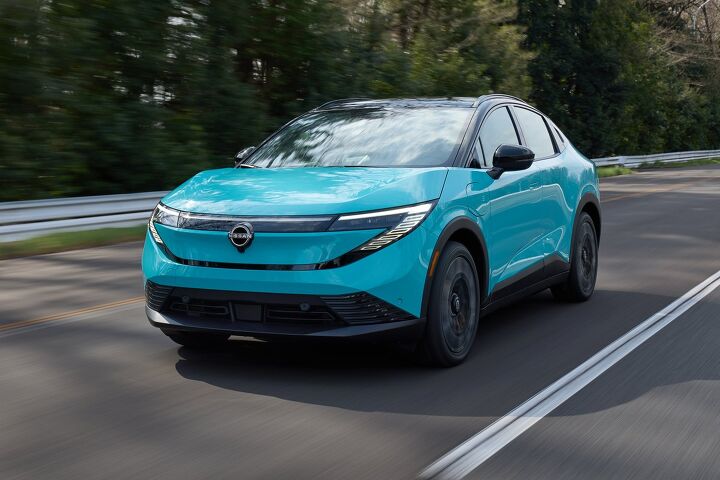
Similarity in design impacts how car-buying customers perceive brands. Traditionally, nonelectric cars have been designed with distinctive, recognizable styles. EVs, in contrast, tend to resemble one another.
In a recent study, just 17 percent of consumers polled knew that Nissan sold the EV model Leaf. Compare this to iconic brands like the Mini Cooper or the Lamborghini Diablo, where the majority of the public would know the car model and brand at a glance.
Why Do EVs Look the Same?
So how did EV design get so stale? It comes down to the constraints these makers face when mocking up a new design.
One of the main reasons why EVs look so similar is due to their chassis. Most EVs are built on a dedicated platform with the battery integrated into the floor, commonly known as a “skateboard” chassis.
This design has a number of advantages. It simplifies manufacturing and production, with all EVs having interchangeable upper bodies. Likewise, the batteries, located low down on the chassis, create a flat floor and low center of gravity — improving handling and stability. However, it does mean that the base of these cars is the same, contributing to similar designs across the market.
Aerodynamics is critical for electric vehicles, as well. A design that minimizes drag increases driving range by reducing the energy required to overcome air resistance. Put simply, if an EV can move through the air more easily, it’ll go further.
This is why most electric vehicles share a sleek, streamlined body shape, designed to minimize air resistance. The same concept applies to their undersides. As there are no exhaust pipes to accommodate, EVs often have smooth undercarriages and wheel designs, with sealed gaps and low-profile mirrors.
Another reason many EVs look eerily similar is due to safety regulations. Manufacturers increasingly optimize their designs to meet safety standards, which pushes vehicles toward the same shapes and proportions. Rules for pedestrian safety often dictate that the front of these cars need crumple zones to absorb impact in a crash. This can result in similar-looking designs, with taller and flatter hoods found across most EV models.
Where We’ve Seen Differentiation
While EVs face considerable criticism for all looking the same, there is still scope for designers to add their own unique twist. This is becoming more important than ever. In a market where performance and technology are becoming increasingly standardized, design is the key way for brands to create an emotional connection with customers.
With the scope for differentiation so slim, how do designers break the mold? Luckily, there are a few areas where designers can let individuality shine.
- Lighting: EVs utilize advanced LED and OLED lighting — from razor-thin plates to hammer-inspired daytime running lights — offering a range of options to give an EV a unique and stylish look.
- Cabin interfaces: The interface inside the car can vary widely, from a one-screen purist approach to a balanced cluster-plus-centre-screen layout.
- Materials and colour: EVs can also differentiate through colour, from monochromatic vibes to a warmer, welcoming palette.
Surfacing: Although all EVs are designed to maximize aerodynamics, they can also differ through small changes in the shoulders, mirrors and doors.
The Future of EV Design
Looking ahead, it’s difficult to determine where EV design will go. There’s likely to be a continued focus on sleek design and aerodynamics. However, as battery technology improves and packaging constraints are alleviated, it could also open the door to diversity.
As this technology continues to grow, the most successful EVs won't just be marvels of engineering — they'll also be works of art that auto enthusiasts can be passionate about.
The TTAC Creators Series tells stories and amplifies creators from all corners of the car world, including culture, dealerships, collections, modified builds and more.
[Image: Nissan]
Become a TTAC insider. Get the latest news, features, TTAC takes, and everything else that gets to the truth about cars first by subscribing to our newsletter.

Oscar Collins is the editor-in-chief of Modded, where he writes about auto news, next-gen tech and new innovations in the industry. He's written for Auto News, Gizmodo and similar publications, sharing his passion for cars with readers across the world. He currently lives on the east coast but travels often. For more of his work, check out Modded.
More by Oscar Collins | TTAC Creator







Comments
Join the conversation
"..all EVs look like soulless blobs.."
But if EVs were given a "soul" wouldn't you have to put up with them for all eternity?
What a car looks and drives like doesn't matter if you have range and charge anxiety when you drive it.