


Rare Rides: An Absolutely Beautiful Peugeot 504 From 1975

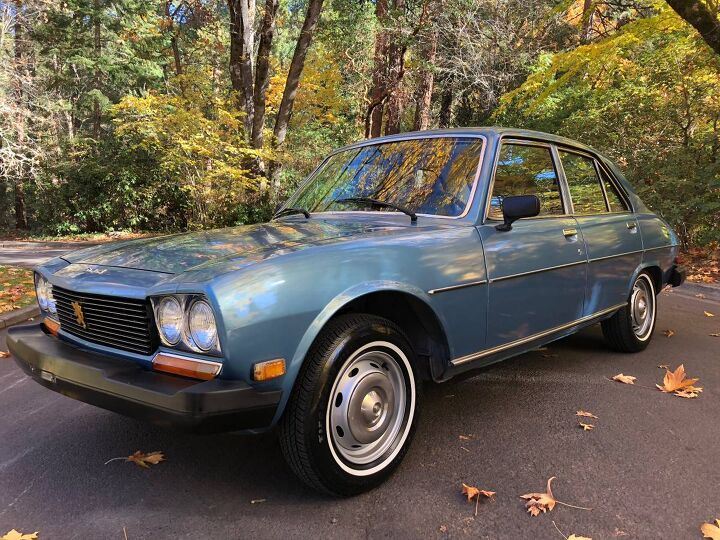
Rare Rides has featured a couple of Peugeot vehicles before, like this 106 from Canada or this 405 from The America. But both of those were sporty cars from the Nineties. Today we have a look at a Peugeot from the Seventies which is most definitely not sporty.
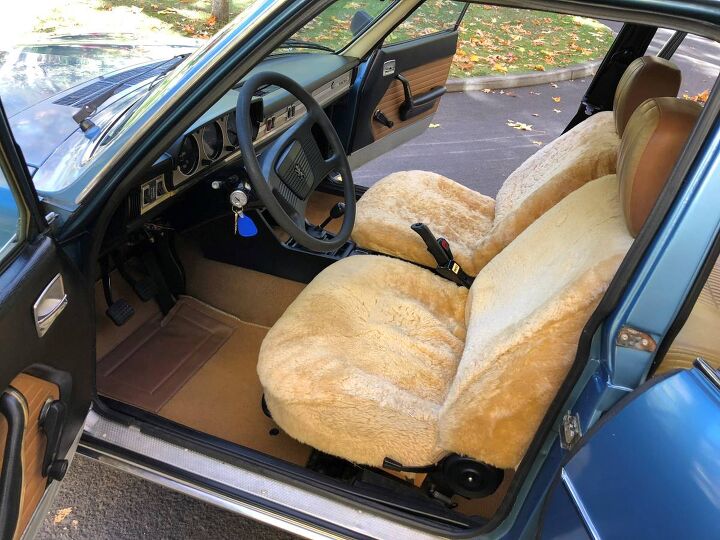
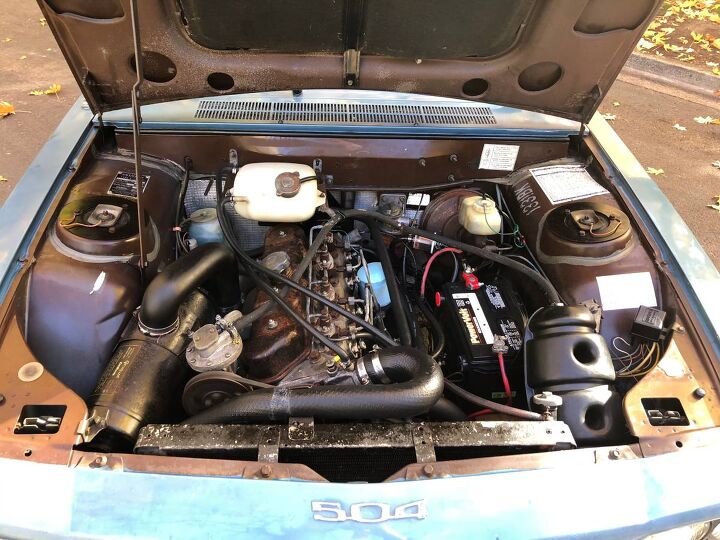
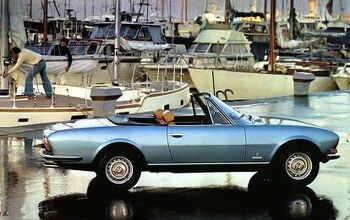
It’s a stunning 504 with a diesel engine, from 1975.
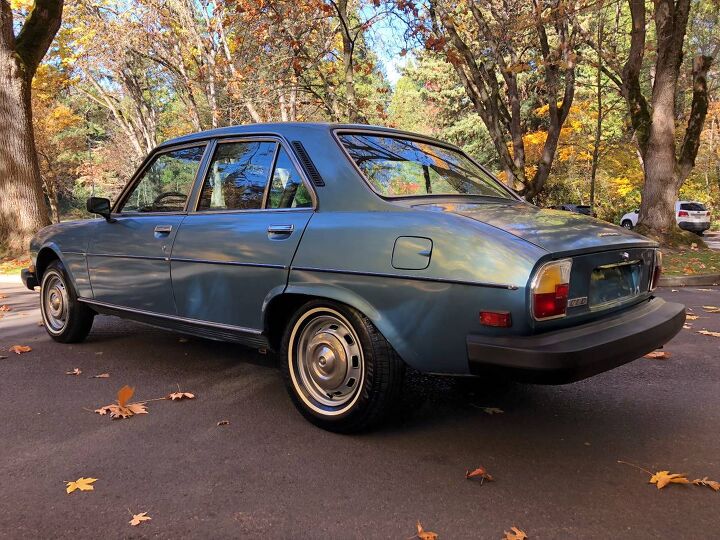
The 504 was developed as successor to the 404, which was the company’s midsize offering between 1960 and 1975. Owners of 404s were pleased with their durability, frugality, and good value, and Peugeot desired those same qualities in a successor vehicle. After contacting Pininfarina to work up a new design, the company set out to perform some sturdy engineering. Enter 504.
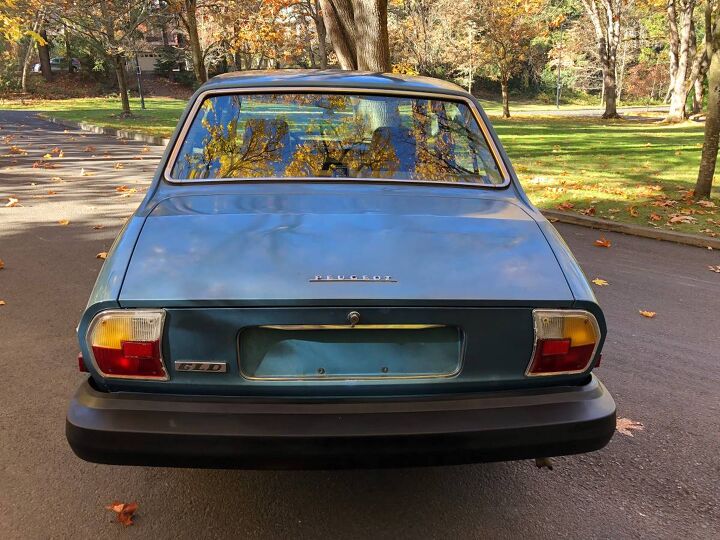
In typical Peugeot manner, the 504’s introduction was well before the discontinuation of the 404. The new entry was available for the 1968 model year in a variety of body styles (also typical). Off the four-door sedan base came a five-door wagon, a two-door coupe, convertible, and even a pickup truck. Power always traveled to the rear wheels, and engines between 1.8 and 2.7 liters in displacement were available. Transmissions varied, and included four- or five-speed manuals, plus three-speed automatics.
In short order, the 504 cemented Peugeot’s reputation as provider of rough and ready cars. 504s were found all over the globe, used for all kinds of things beyond driving on paved roads as family transport. The 504’s body was tough, and the considerable suspension travel proved beneficial in countries with rough roads.
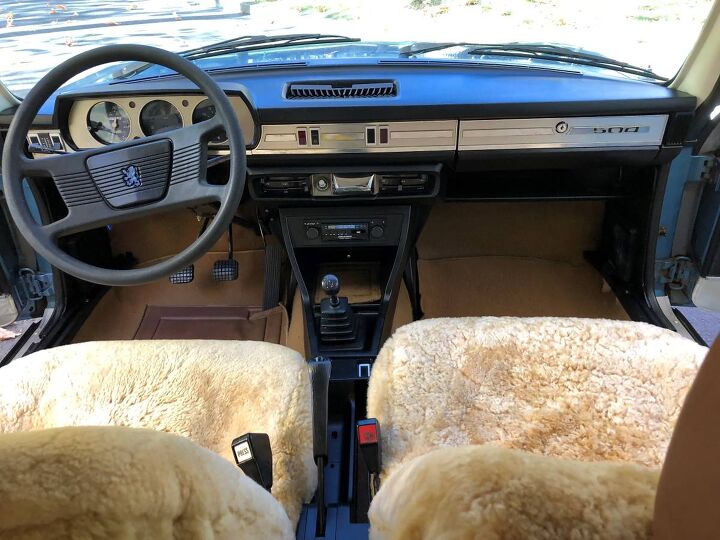
The 504 lived a very long life and remained nearly unchanged between its 1968 introduction and its 1983 cancellation. Its popularity was reflected in the sales figures, which totaled over three million.
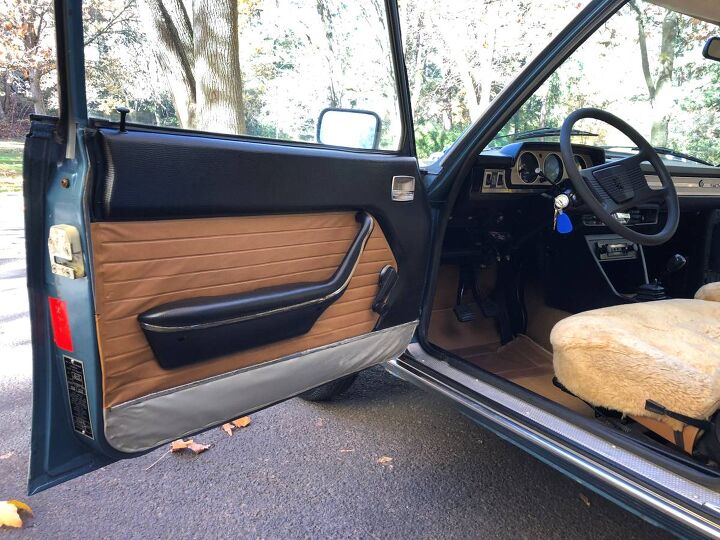
Africa in particular fancied the 504, arranging multiple production locations there using knock-down kits. In the end, the 504 was manufactured in 14 different countries, and continued in production until 2006 in Nigeria.
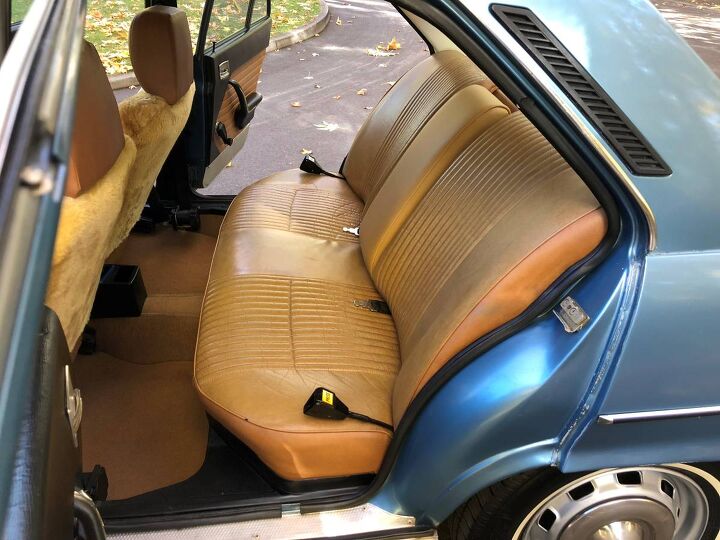
Today’s Rare Ride was listed recently on San Francisco Craigslist (ad since removed). It has one of the three inline-four diesel engines. With 44,000 miles on the odometer and some killer photos, it asked $4,500.
[Images: seller]
Interested in lots of cars and their various historical contexts. Started writing articles for TTAC in late 2016, when my first posts were QOTDs. From there I started a few new series like Rare Rides, Buy/Drive/Burn, Abandoned History, and most recently Rare Rides Icons. Operating from a home base in Cincinnati, Ohio, a relative auto journalist dead zone. Many of my articles are prompted by something I'll see on social media that sparks my interest and causes me to research. Finding articles and information from the early days of the internet and beyond that covers the little details lost to time: trim packages, color and wheel choices, interior fabrics. Beyond those, I'm fascinated by automotive industry experiments, both failures and successes. Lately I've taken an interest in AI, and generating "what if" type images for car models long dead. Reincarnating a modern Toyota Paseo, Lincoln Mark IX, or Isuzu Trooper through a text prompt is fun. Fun to post them on Twitter too, and watch people overreact. To that end, the social media I use most is Twitter, @CoreyLewis86. I also contribute pieces for Forbes Wheels and Forbes Home.
More by Corey Lewis












Comments
Join the conversation
Those bumpers though :-/ Not the first car to look ridiculous in America. With Euro/rest of world bumpers (with those delightful little rubber 70s era overriders) https://i.ytimg.com/vi/kZkCPhXKPaQ/hqdefault.jpg
I lived for half a decade with someone who had two and a half of these - a turbodiesel sedan with a 4-speed manual, NA diesel wagon with a slushbox, and a parts sedan. The wagon had a solid rear axle (as do the pickups) and neither rode nor handled half as well, but had scads of room and payload. Its engine was inadequate for the weight, the transmission dreadful, and economy disappointing (mid-20's), but it was reliable and useful despite spotty maintenance. The sedan had IRS and torque tube driveline. Despite a lot more power, it got low 30's mileage. The ride was excellent by any standard, thanks to not only the competent suspension design but also a long wheelbase for the size. Overall comfort, build quality, and general feeling of solidity were close to contemporary mid-sized Benzes, while the rack steering was vastly superior to any competitor - including the likes of Mercedes and 5- or 7-series BMW - until years after it was discontinued. Under the same half-assed maintenance regime, the sedan was also reliable but eventually succumbed to a chunk of the stainless steel pre-combustion chamber insert falling out and making a hell of a racket. It still ran fine before the engine was pulled, then Life intervened and the whole 2.5 lot was sold before repairs could be completed. Mechanically, they were a bit quirky but not too complicated (compared to a Mercedes for example). Interior design was not intuitive to me, used to German and Japanese cars. Materials quality was generally good, special tools rarely needed. Maintainability had been thought through and the WTF-Were-They-Thinking Index was fairly low, much lower than French car stereotypes would suggest. Parts were mostly available, though that insert was hard to find. Information in English was not as common as I, not knowing French, would've liked. BTW, there was a 4wd version offered as somekinda aftermarket-endorsed-by-OEM conversion deal (I don't know details). Iranian president Ahmadinejad famously owned one, and sold it to raise money for some charity.