
Rare Rides: The 1983 Pontiac 2000 Sunbird Nobody Remembers

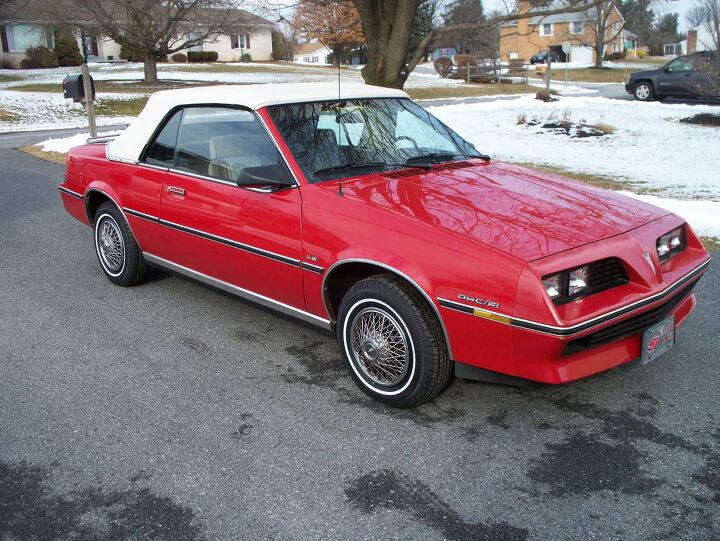
Today’s Rare Ride is an oft-forgotten little J-body, designed and built right at the end of the unfortunate Malaise Era. This excellent condition example also comes from a confused time in GM’s naming of Pontiac small cars.
Come along and explore 2000 Sunbird.
Those of you with keen memories will recall this isn’t the first Sunbird-branded vehicle featured here at Rare Rides. That honor goes to this Sunbird Safari Wagon from 1978, which is really worth checking out if you missed it the first time. The wagon comes from the first generation of the Sunbird, which was rear-drive and produced for the 1976-1980 model years. Said generation was not available as a cabriolet: Coupes, hatchbacks, and the wagon above were the only options for this generation. But all that changed for 1982.
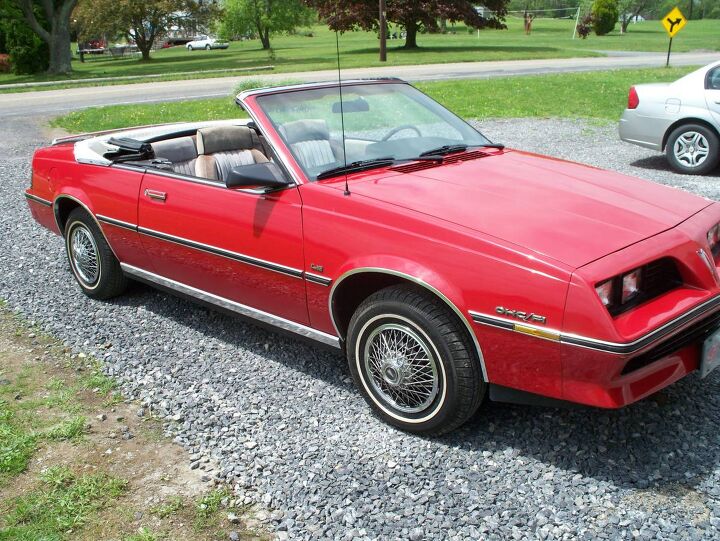
That fateful year was the first for GM’s new front-drive J-body, bringing Cavalier and company to market. Body style options increased, and included a two-door coupe, convertible, three-door hatch, and a four- and five-door sedan and wagon.
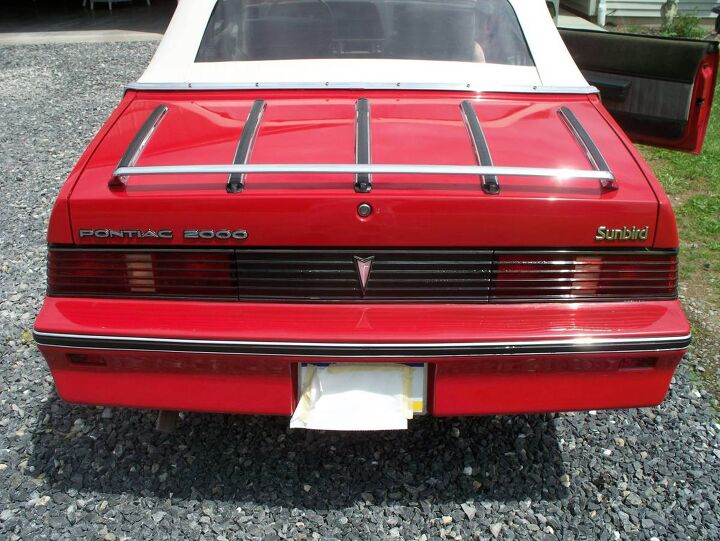
The Sunbird shrunk a little to become a subcompact, and was also no longer called a Sunbird. For ’82 only, all versions of Pontiac’s small car were known as J2000. Next year the “J” was dropped to help show consumers how the 2000 was 1/3 as good as its larger brother, the 6000. “Sunbird” returned to trunklids for ’83, but only on convertible versions of the 2000. In 1984, names were reshuffled again, and the entire lineup was called 2000 Sunbird. From 1985 to the model’s death in 1994, all versions wore a singular Sunbird name on them. At that time the little bird got lit, and called itself Sunfire.
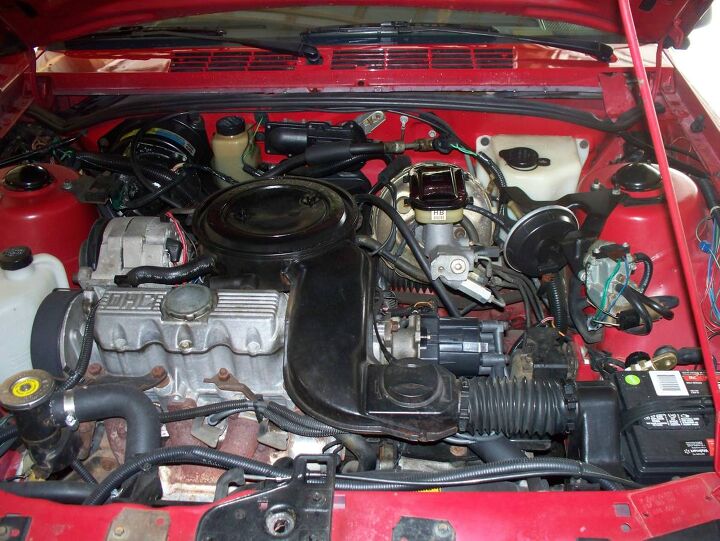
A small list of engines powered Sunbirds over the years, all with 1.8 or 2.0 liters of displacement. Both sizes were offered with old school overhead valves or technology-centric cams, and in naturally aspirated or turbo guise. Manual transmissions had four or five speeds, but the automatics were all of the three-speed variety.
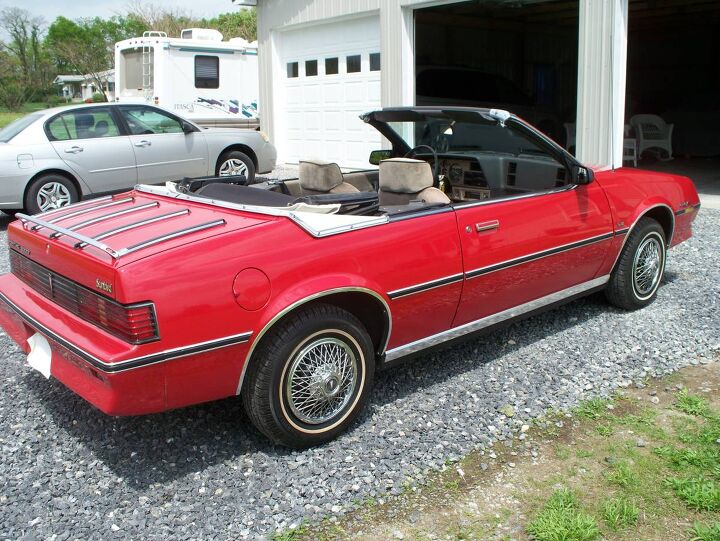
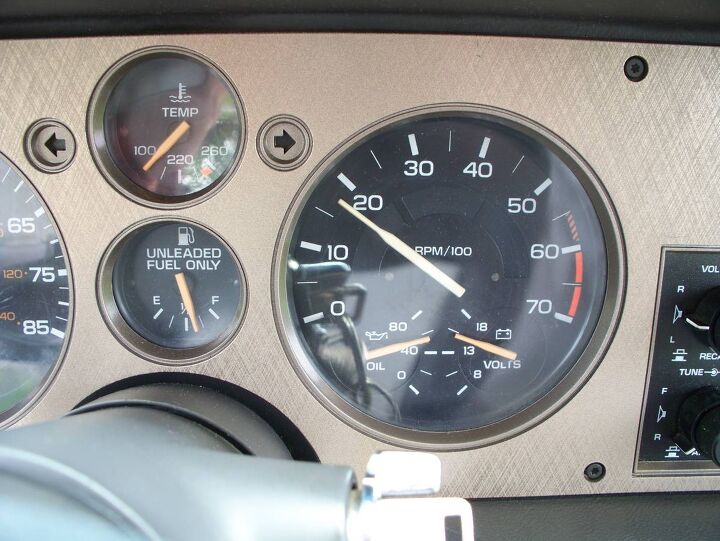
Today’s Sunbird has one of the more sophisticated overhead cam engines (with fuel injection!), which I’m going to guess is the 1.8-liter version. Mated to an automatic transmission, the owner(s) throughout history only saw fit to drive their bird about 27,000 miles.
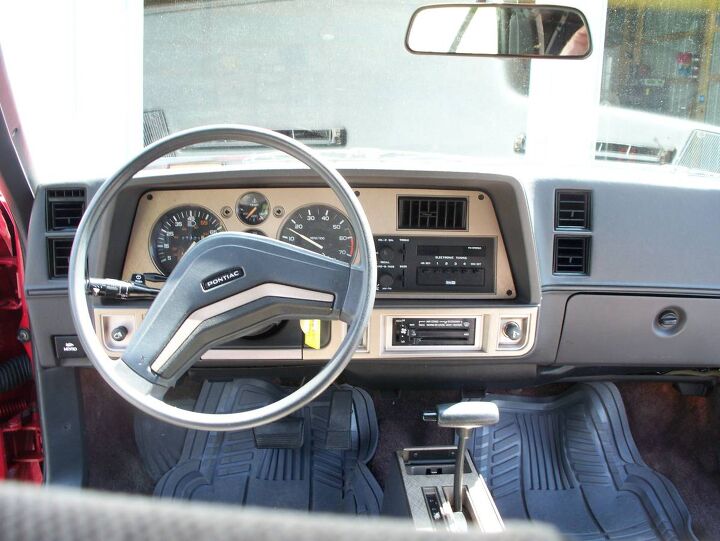
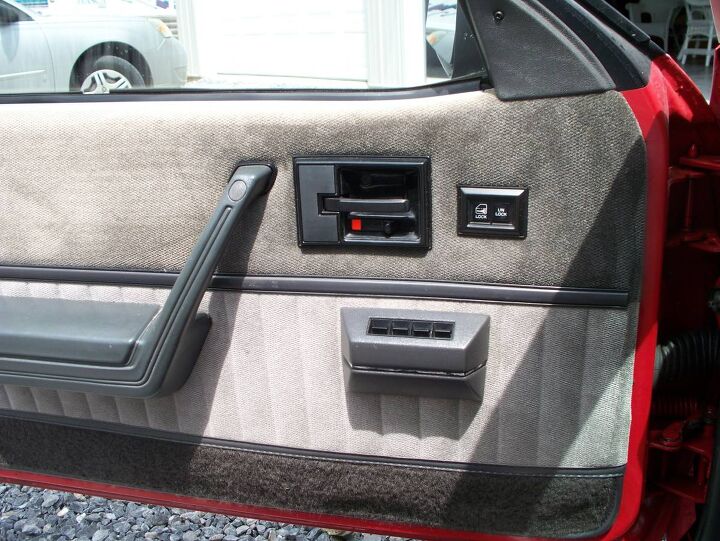
She’s well equipped with air conditioning and power windows, and still has the nice historical touch of faux-spoke wheel covers. Located in rural Pennsylvania, the present owner wants $10,000 for his little red bird.
[Images via seller]
Interested in lots of cars and their various historical contexts. Started writing articles for TTAC in late 2016, when my first posts were QOTDs. From there I started a few new series like Rare Rides, Buy/Drive/Burn, Abandoned History, and most recently Rare Rides Icons. Operating from a home base in Cincinnati, Ohio, a relative auto journalist dead zone. Many of my articles are prompted by something I'll see on social media that sparks my interest and causes me to research. Finding articles and information from the early days of the internet and beyond that covers the little details lost to time: trim packages, color and wheel choices, interior fabrics. Beyond those, I'm fascinated by automotive industry experiments, both failures and successes. Lately I've taken an interest in AI, and generating "what if" type images for car models long dead. Reincarnating a modern Toyota Paseo, Lincoln Mark IX, or Isuzu Trooper through a text prompt is fun. Fun to post them on Twitter too, and watch people overreact. To that end, the social media I use most is Twitter, @CoreyLewis86. I also contribute pieces for Forbes Wheels and Forbes Home.
More by Corey Lewis





Comments
Join the conversation
Wait... I thought the 2.0 was '84+? Weird that the '83 convertibles had "Sunbird" attached to them, when that year was strictly "2000"... I guess that steering wheel doesn't lie though. The '83 convertible is weird...
I always thought the J-body convertibles were good looking little cars, especially the later years of the square cars. And the 3.1 must have been sprightly in the later cars. Much like the 87-93 Fox body Mustang, these cars were the cars of my youth and they were everywhere in Pittsburgh. At 40, I find myself wanting a touchstone to that time to share with my kids that won't break the bank. The Mustangs are getting insane in price, questionable runners are 5k, decent cars are 15k+ but these cars are not. I'd probably do 5k for this, because it's got to be one of a handful of these cars left, especially in this condition. They weren't great cars, but I wouldn't mind picking up a cheap but decent one, slapping some classic plates on it and taking the fam for ice cream in it or whatever. See also : Lebaron convertible ( square or swoopy)