
Japanese Automakers Considering Reverse Imports Of American Built Vehicles
Japanese automakers are considering importing U.S.-built vehicles back into Japan in a politically motivated play aimed at easing trade tensions with the Trump administration. Executives from Toyota and Nissan confirmed this week that they are looking at so-called “reverse imports,” an expensive idea that would see a small number of American-assembled vehicles sold in Japan.
Cars built in the U.S. would need substantial modifications to meet Japan’s unique safety standards—not to mention the switch from left-hand drive to right-hand drive. Even if the plan moves forward, Reuters reports the number of vehicles shipped back to Japan would be negligible— perhaps 20,000 units annually, a drip in the bucket compared to the 1.4 million vehicles Japan exported to America last year.
Tokyo is trying to soothe Washington over a $68.5 billion U.S. trade deficit with Japan. The Japanese government is even considering purchasing Ford F-150 pickups to use as snowplows or something along those lines—a modern, American full-size half-ton is utterly useless in the country's dense urban centers and narrow streets.
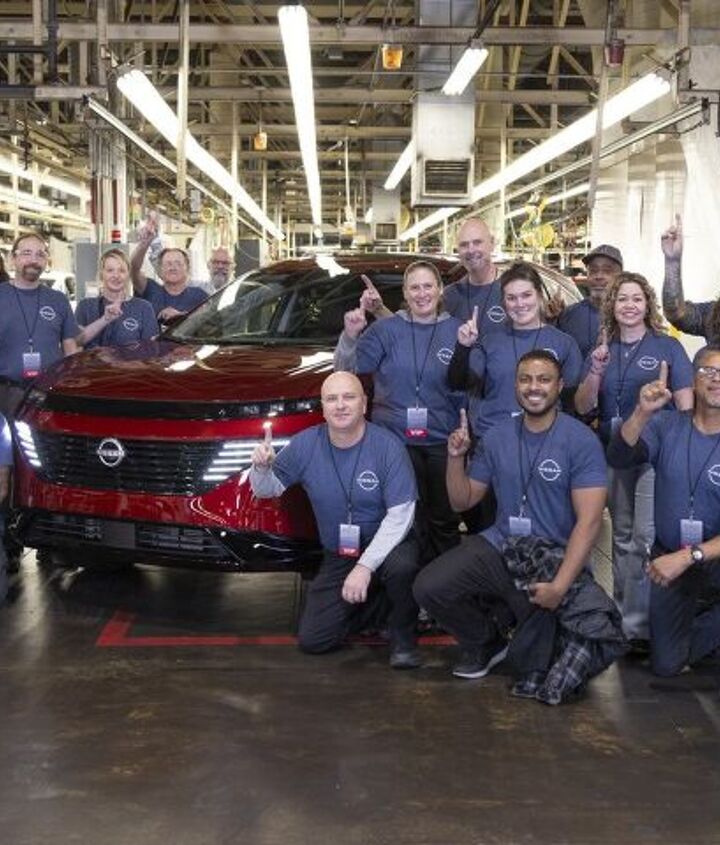
Japanese automakers have spent decades building up manufacturing operations across the United States—accounting for some 3.3 million vehicles last year, according to the Japan Automobile Manufacturers Association.
At the 2025 Japan Mobility Show in Tokyo, Toyota CEO Koji Sato told gathered reporters that the automaker is “studying the possibility” of importing American-made Toyotas to Japan as part of an effort to demonstrate “open and fair trade.”
Sato stressed that reverse imports would require close coordination between industry and government to “harmonize safety and emissions standards.” The question is, do Japanese consumers even want larger vehicles built for American tastes, given the local preference for compact cars and their limited parking infrastructure?
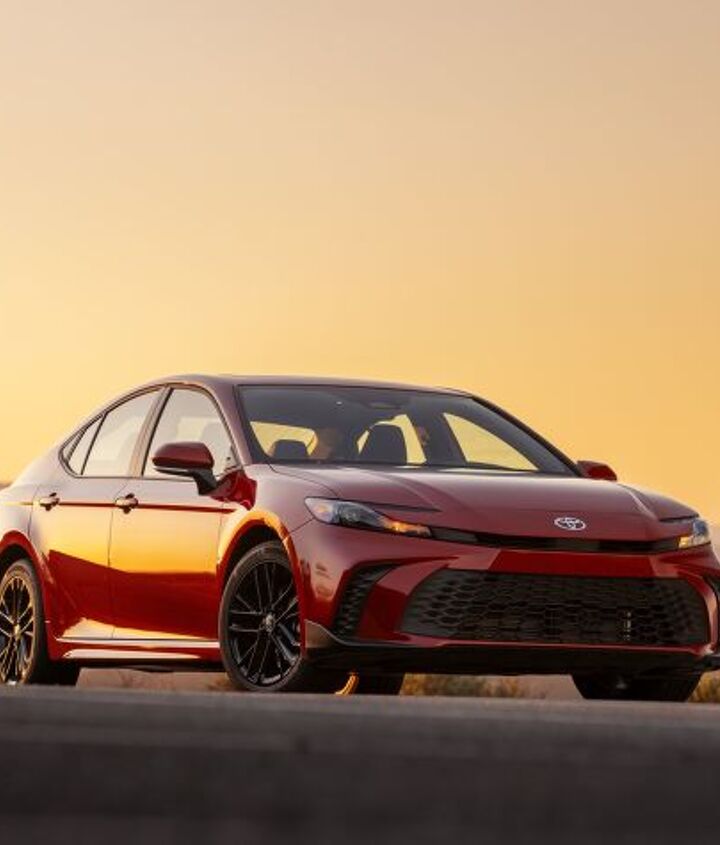
In 2023, Toyota stopped selling the Camry in Japan after 43 years due to slow sales, which could make it an interesting candidate for reverse import. The Sienna is another candidate that isn't sold through dealerships in Japan, but is regularly imported from North America through gray market channels. The Sequoia and Tundra would both face the same issues as the Ford F-150 in Japan.
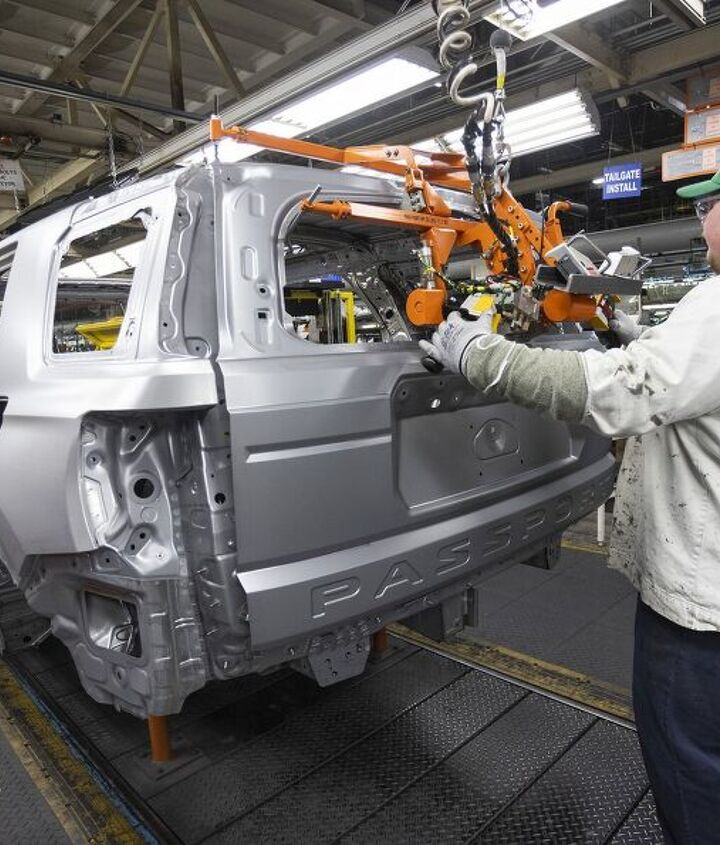
Honda has a few candidates as well, mainly the Ridgeline, Pilot, and Passport, none of which are officially offered for sale in Japan. Nissan is reportedly considering importing the Murano to Japan after discontinuing the model there almost a decade ago, while the Frontier is also being discussed.
[Images: Toyota, Nissan, Honda]
Become a TTAC insider. Get the latest news, features, TTAC takes, and everything else that gets to the truth about cars first by subscribing to our newsletter.

An experienced automotive storyteller known for engaging and insightful content. Michael also brings a wealth of technical knowledge and experience having been part of the Ford GT program at Multimatic and built cars that raced in TCR, IMSA, and IndyCar.
More by Michael Accardi









Comments
Join the conversation
".. 2 world wars and a 50 year Cold War.."
Pretty good for business if fought in other countries. But now that all the pre-sanitation nations are getting nukes, that template may be outdated.
The only people who have TDS, which I assume is Trump Derangement Syndrome, are the MAGOTS who have been brainwashed to love him. They Know Not What They Do.