


Former Kia Employees Accused of Stealing Over 1,000 Engines in India


A pair of former Kia employees have been accused of stealing 1,008 engines from the factory over a period of at least three years. The scheme was worth an estimated $2.3 million. However, the police allegedly said that the real cost was the "widespread impact on industrial operations, stakeholder trust and employment security.”
That sounds almost as though the police were being coached by the manufacturer or were trying to downplay everyone’s inability to catch two guys that were stealing completed engines on a regular basis. According to Reuters, Kia apparently wasn't even sure the engines were absent until March and contacted police in the southern state of Andhra Pradesh over internal records that found engines sourced from its sister carmaker, Hyundai, were missing. The assumption was that it was an inside job dating back several years.
From Reuters:
An initial police investigation found two former Kia India factory workers — a team leader and a head of section in the engine dispatch section — were involved in illegally transporting the engines from the factory using forged invoices and manipulated gate passes, according to an April 16 police document.
They worked with at least two other individuals who helped arrange transport, and two other scrap dealers who helped sell them to buyers as far away as the capital city New Delhi.
"The entire operation involved repeated illegal transactions, use of multiple trucks bearing manipulated or pseudo registration numbers," Inspector K. Raghavan said in his investigation document dated April 16, seen by Reuters.
Raghavan declined to comment when contacted, citing confidentiality.
In a statement to Reuters, Kia India said it identified the discrepancies as it enhanced its inventory management processes last year. Kia India conducted an internal investigation, reported the case to police and was continuing to strengthen internal process governance and reinforce stringent monitoring systems, it added.
That still left the thieves operating for a couple of years under the radar. Had they stopped prior to 2025, there’s a chance they could have gotten away unnoticed.
Kia caught wind of something fishy in December of 2024 when CCTV footage showed “unauthorized vehicle movement” in the factory. But it didn’t notice the missing engines until January of this year. Subsequent probes apparently led the manufacturer to file a comprehensive police report in March, with the assumption that roughly 1,000 engines had been stolen over a period of three to five years.
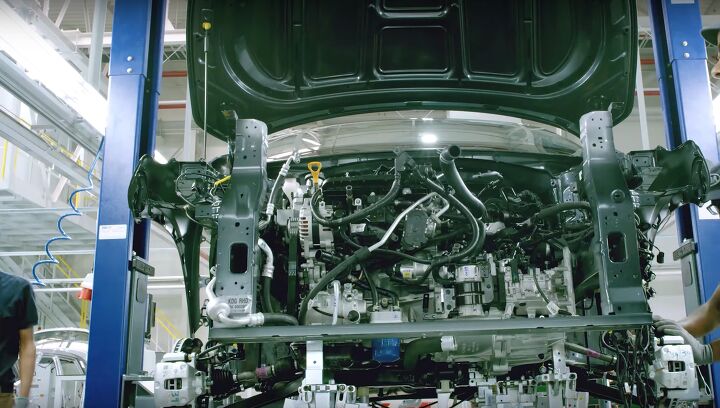
Minus the forged records, the illegal operation looks to have been pretty straightforward and was largely dependent on the facility in Penukonda boasting not noticing a batch of engines going missing every so often. The site builds loads of engines every day and up to 400,000 vehicles each year. However, police remain concerned that there are other accomplices still employed due to the large scale of the theft.
Realistically, two men loading a bunch of motors onto a truck isn’t an uncommon occurrence at a factory that builds engines. But the scale of the theft suggests that other employees had helped, specifically individuals involved in overseeing inventory and those keeping tabs on shipments. Police are primarily concerned with former employees. But they are likewise worried that some individual still on Kia’s payroll may be involved — specifically members of management who would have almost assuredly had to sign off on shipments leaving the facility.
Currently, only Vinayagamoorthy Veluchamy (ex-head engine dispatcher) has been arrested while Patan Saleem (a former team leader) has been accused. The former denies any involvement in the crime while the latter seems to have disappeared. However, police have stated that they’re only in the initial stages of the investigation and have yet to formally charge anybody for the crime. Veluchamy also left the company in 2023, whereas Saleem stayed on until early 2025.
Police documents stipulate that involved individuals could face over ten years in prison if convicted since the crime showcases “high-level preplanning [and] internal access manipulation.” While the authorities seem to be taking this seriously, the odds of the right people being caught aren’t terribly high. Thievery is extremely common in India, with reports of theft routinely eclipsing 500,000 examples annually. But that doesn’t tell the whole story since most instances of theft go unreported and those that do have a tendency to go unsolved. Indian police have likewise gained a global reputation for engaging in corruption and being notoriously understaffed in relation to the local population.
Reuters noted that the only reason this case made international headlines was down to the fact that it was such a large-scale crime taking place at the corporate level. Kia will undoubtedly be running an internal investigation while the police conduct their own.
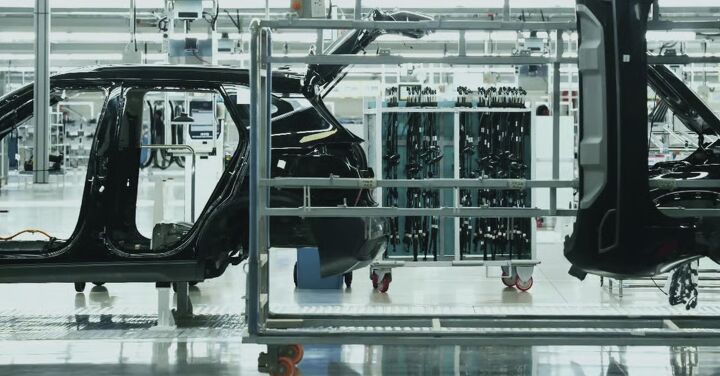
[Images: Kia India]
Become a TTAC insider. Get the latest news, features, TTAC takes, and everything else that gets to the truth about cars first by subscribing to our newsletter.
Consumer advocate tracking industry trends and regulations. Before joining TTAC, Matt spent a decade working for marketing and research firms based in NYC. Clients included several of the world’s largest automakers, global tire brands, and aftermarket part suppliers. Dissatisfied, he pivoted to writing about cars. Since then, he has become an ardent supporter of the right-to-repair movement, been interviewed about the automotive sector by national broadcasts, participated in a few amateur rallying events, and driven more rental cars than anyone ever should. Handy with a wrench, Matt grew up surrounded by Detroit auto workers and learned to drive by twelve. A contrarian, Matt claims to prefer understeer and motorcycles.
More by Matt Posky









Comments
Join the conversation
Population of India is almost 1.5 billion people. 1000 engines is a rounding error.
Jail would be better than those stolen Theta II's.