

Report: Honda Running With Older Models After EV Fumble

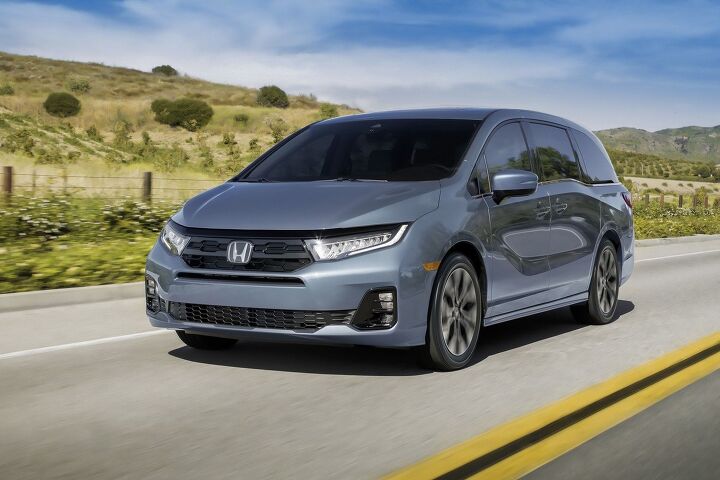
Following announcements that Honda was cancelling three planned all-electric vehicles, Honda finds itself in a situation where it’ll need to stretch the lifespan of several existing models.
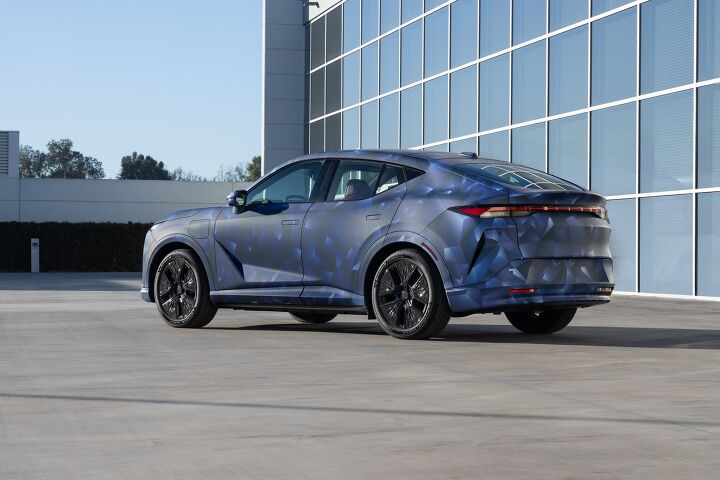
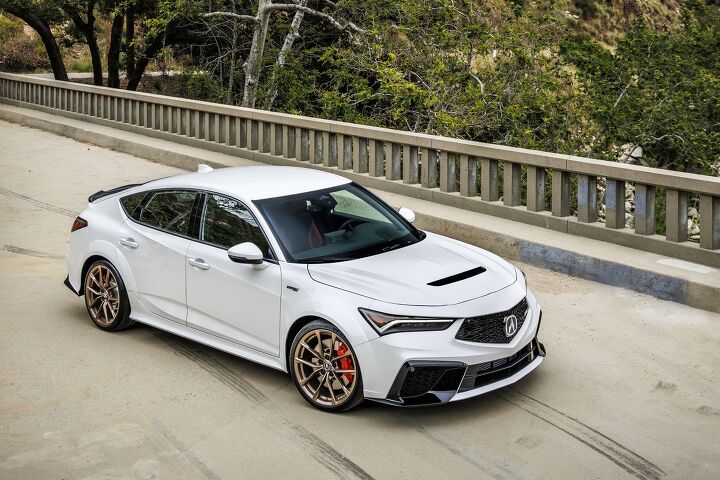
Earlier this year, Honda axed development of the 0-Series sedan and SUV. Meanwhile, Acura dropped the RSX (below) that was scheduled to drop late in 2026. The claim was that U.S. tariffs and changing emissions regulations (especially those that ended EV subsidies) effectively made those vehicles impossible to field. While no mention was made about lackluster EV demand across the North American market, one imagines that likewise played a factor.
Regardless, this left the company with factories that were being redesigned to build EVs (in Ohio and Ontario, Canada) that will now need to be retooled again to make something else. The misstep will cost the business an estimated $15.8 billion (USD) and quite a few jobs.
According to Automotive News, this also forced Honda to delay the next generation of several non-EVs until 2030 or later.
Details came via an intercepted supplier memo indicating that production of the Honda Accord, HR-V, and Odyssey would need to be stretched. This also applied to the Acura Integra and MDX. Honda has been unwilling to confirm the plans, stating that it couldn’t comment on future product planning. But not denying the situation suggests there is validity to the claim.
While some of these models are getting on in years, it’s difficult to view the situation as an unmitigated disaster. Building the same vehicle over an extended timeframe often results in lower pricing, sublime parts availability, and improved reliability. This is simply the result of the manufacturer having had sufficient time to solidify supply chains and practice building the relevant vehicle to the point of true mastery.
Sometimes this even reduces overhead to a point where automakers can actually improve the model’s profit margins. If you need examples, look no further than the Panther platform that yielded the Ford Crown Victoria and Mercury Grand Marquis.
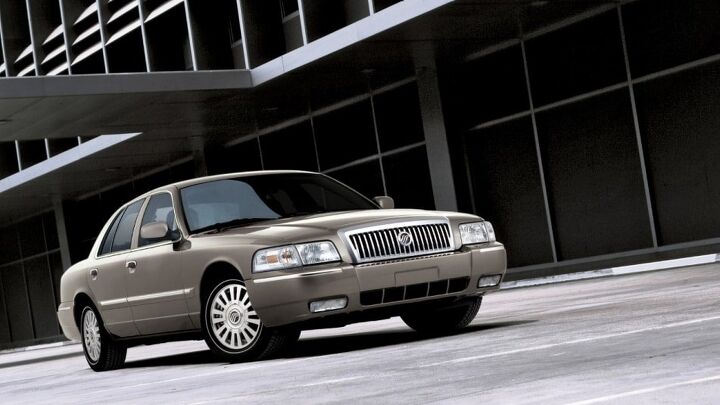
Despite being an absolutely ancient design, it was a full-sized sedan offering unparalleled comfort, staggeringly good longevity, and a cost of ownership that rivaled some economy many cars. The model absolutely dominated fleet sales and probably would have continued being built today if it could have passed the updated 2012 safety regulations requiring vehicles to come with electronic stability control. Although, the car’s 4.6-liter V8 would have also run up against emissions regulations eventually — likely ensuring its demise.
It’s a similar story with the previous-generation Dodge Charger and the original Volkswagen Beetle. These were old designs with a hardcore fanbase helping to maintain sales well beyond what passes for normal within the automotive industry. However, if you need a modern example, we can point you toward the current GMC Savana and Chevrolet Express. Those vans have gone largely unchanged since about 1996.
With the above in mind, Honda trying to stretch the lifespan of a few important models probably isn’t the end of the world. This is especially true if the alternative is running with a batch of all-electric models that may not have enough customers. We’ve seen most legacy automakers turning away from EVs to address volume concerns after spending years heralding them as the future, so it could be argued that the mistake has already been made and everything that has followed is just the industry trying to regain its footing.
But there is a limit to how long you can keep an older vehicle on life support. As previously mentioned, regulations are a big reason why automakers have to scrub older designs. However, it’s not the only reason. Competition within the industry can make a previously beloved model look woefully outdated. All it takes is a rival brand dropping a solid alternative within the relevant vehicle segment.
Considering that several of the impacted Honda models are already strong sellers garnering a fair amount of praise, there may not be much reason to worry. The Accord is the brand’s third bestseller and was updated 2023. While it’s not scheduled for a redesign until 2030, according to the memo, that’s hardly setting any production records.
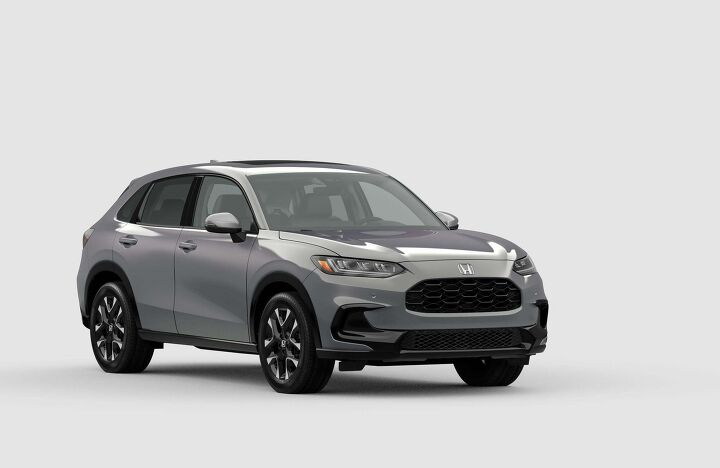
It’s a similar story for the HR-V, which was last updated for our market in 2022. While there's a refresh scheduled soon, the small crossover isn’t supposed to see a complete redesign until at least 2032. But this may actually help sales since it’s a budget model. Assuming the brand can keep costs low, the value proposition may be enough to keep buyers interested.
We’re slightly less optimistic about the current Odyssey, which has been around since 2018. In fact, Honda was reportedly considering discontinuing the model. But a clever refresh and updated hybrid powertrain improved sales last year.
Acura arguably has the most to lose here. As Honda’s luxury and performance arm, it needs to be delivering something different that rationalizes higher MSRPs. But complaints have been made that the brand has muddled its identity and failed to fill product gaps left by cancelled electric models like the RSX.
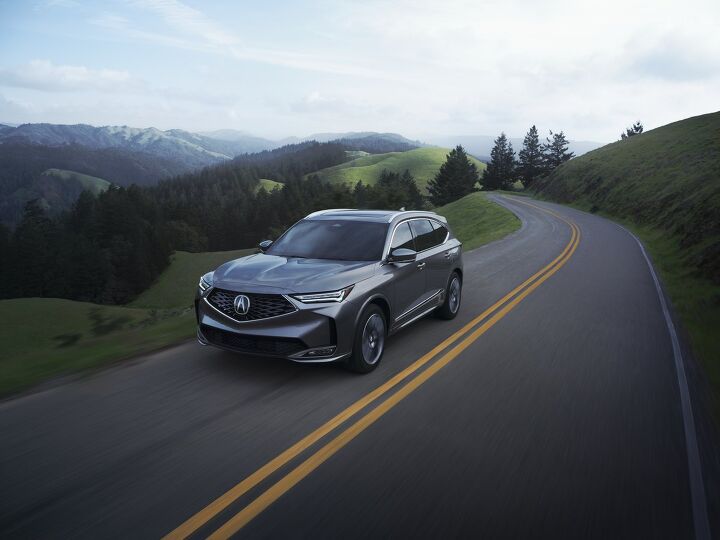
That means the Acura Integra and MDX were already going to be shouldering a heavier burden for Acura. Now they’ll be forced to do so over a longer time period, with a significantly smaller lineup than mainstream Honda.
There is another silver lining to all this, however. Many of the current industry trends are proving to be wildly unpopular with customers. Touchscreens, forced connectivity, subscriptions, shrinking powertrains, and unserviceable parts could all be considered highly contentious at best. By delaying development on several key models, Honda could continue tracking consumer sentiment before making any final decisions.
The company has also done a pretty decent job implementing hybrid powertrains, which has proven far more popular than full-on electrification. That may be sufficient in helping to maintain volume during a period where basically every brand expects to struggle a bit harder with sales.
Painting this as an ideal scenario for Honda would be a mistake. Prior decisions regarding electrification and product planning have clearly placed the automaker on the back foot. But that’s not a totally unique scenario for any manufacturer operating in 2026. What they opt to do next may be what ultimately makes or breaks them and Honda is attempting to buy itself some time.
[Images: Honda; Ford]
Consumer advocate tracking industry trends and regulations. Before joining TTAC, Matt spent a decade working for marketing and research firms based in NYC. Clients included several of the world’s largest automakers, global tire brands, and aftermarket part suppliers. Dissatisfied, he pivoted to writing about cars. Since then, he has become an ardent supporter of the right-to-repair movement, been interviewed about the automotive sector by national broadcasts, participated in a few amateur rallying events, and driven more rental cars than anyone ever should. Handy with a wrench, Matt grew up surrounded by Detroit auto workers and learned to drive by twelve. A contrarian, Matt claims to prefer understeer and motorcycles.
More by Matt Posky









Comments
Join the conversation
Thank Joe Biden for attempting to force EVs on the automotive world. The market never demanded the insane influx of electric vehicles the industry pursued. Such a drastic change in the mix of ICE vs EVs should be based on true technology breakthroughs, economics, and most of all, consumer demand. Not the whims of politicians playing Don Quixote battling “climate change”.
You ou are correct .China 🇨🇳CCP joey made his epa use dictatorial epa emissions and mileage requirements .It is so great that he his family and his pro communist policies are gone although the dems are pushing socialism and communism big time .