
Fact Check: No, Honda Isn't Opening a New Plant in Indiana Despite President Trump's Claim


Last night, I was half-watching the "technically not a State of the Union but basically a State of the Union" speech by President Donald Trump while I tended to some gumbo I was making for Fat Tuesday. I nearly dropped my stirring spoon when I heard the president say that thanks to his economic policies, such as tariffs, Honda was opening a new plant in Indiana.
Say what now?
I was surprised -- how could I miss the news of a new plant in Indiana? Automakers tend to tout these things heavily. Had I missed a huge story?
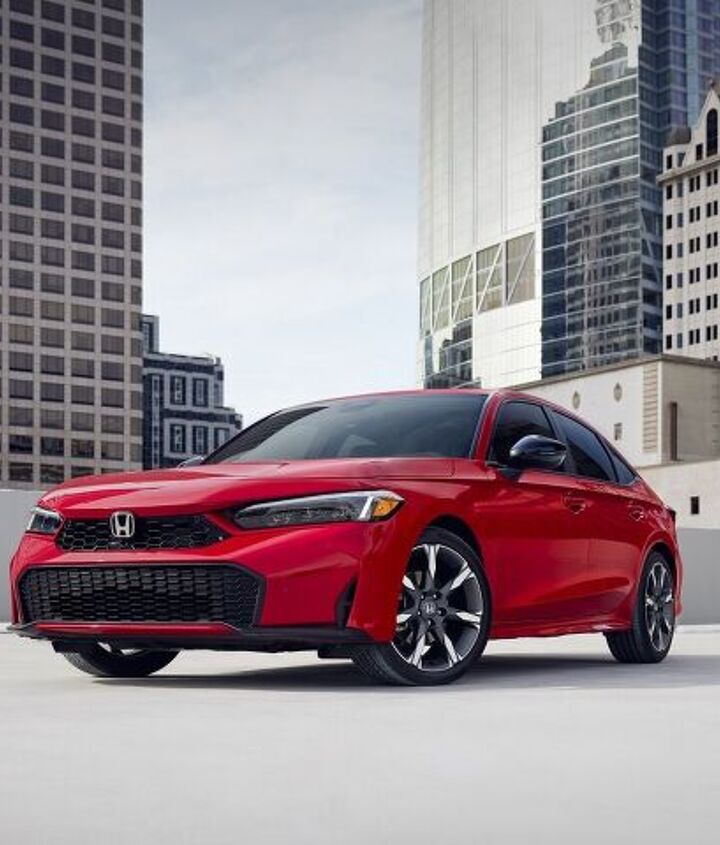
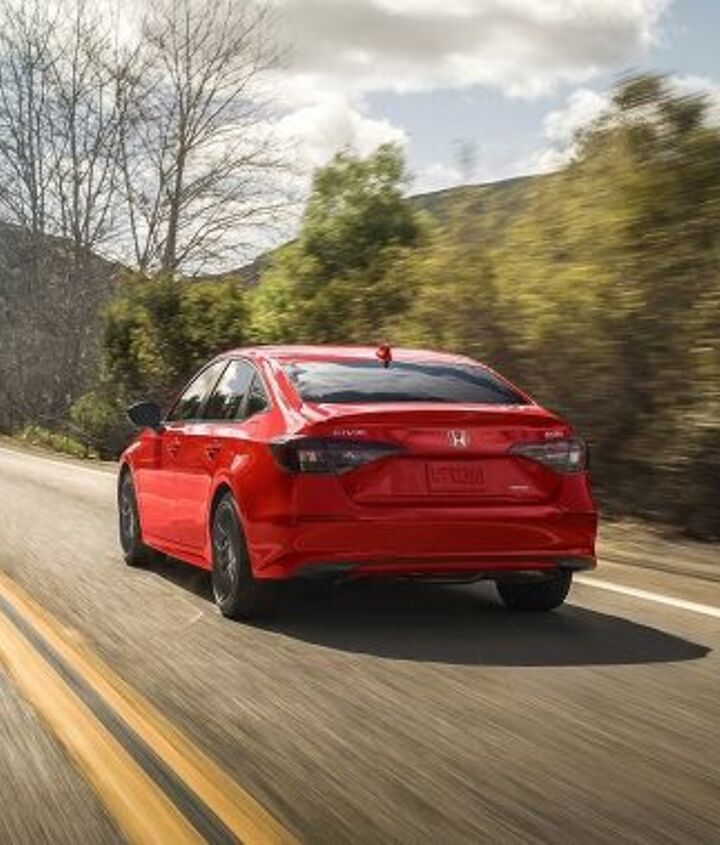
No, of course not. There's just one Honda plant in Indiana, in Greensburg. It's been open since 2007 and building Civics since 2008. And, depending on what happens with Trump's tariffs, Honda might move production of the next-generation Civic Hybrid there in 2028. The car was slated to be built in Mexico.
That's probably what Trump was talking about. He probably saw the reports, decided it was a political win, and got things mixed up in his head (or maybe it was his speech writer who messed up).
We've reached out to Honda to see if the company will confirm the reports about Civic production moving to Indiana. The company provided this statement: "Honda has made no such announcement and will not comment on this report. The Honda Civic has been made in our Indiana Auto Plant since the facility opened in 2008 based on our longstanding approach to build products close to the customer. We have the flexibility to produce products in each region based on customer needs and market conditions."
As for Trump's claim about a new Honda plant, the company said this: "We thank President Trump for recognizing our commitment to manufacturing vehicles in America, and we look forward to working with the administration and Congress on pro-growth policies that support a robust U.S. auto industry. While Honda did not announce plans for a new plant in the U.S. at this time, we have invested over $3 billion in advanced vehicle manufacturing in America in just the past three years, with a cumulative total of more than $24.7 billion. We look forward to continuing to invest locally and build quality products in America, as Honda has been doing for the past 45 years."
So if you, like me, was wondering what new Honda plant was being built, well there you have it -- the president either lied or made an honest factual error. Either way, Honda isn't slated to build a new plant in the Hoosier State.
[Images: Honda]
Become a TTAC insider. Get the latest news, features, TTAC takes, and everything else that gets to the truth about cars first by subscribing to our newsletter.
Tim Healey grew up around the auto-parts business and has always had a love for cars — his parents joke his first word was “‘Vette”. Despite this, he wanted to pursue a career in sports writing but he ended up falling semi-accidentally into the automotive-journalism industry, first at Consumer Guide Automotive and later at Web2Carz.com. He also worked as an industry analyst at Mintel Group and freelanced for About.com, CarFax, Vehix.com, High Gear Media, Torque News, FutureCar.com, Cars.com, among others, and of course Vertical Scope sites such as AutoGuide.com, Off-Road.com, and HybridCars.com. He’s an urbanite and as such, doesn’t need a daily driver, but if he had one, it would be compact, sporty, and have a manual transmission.
More by Tim Healey










Comments
Join the conversation
Here is some actual boots on the ground knowledge- in the case of Subaru- Subaru is shipping everything they can as fast as they can to dealers from Lafayette. They are stockpiling parts to beat the tariffs. In the short run you may see some deals to handle that excess inventory that will be arriving in the next few weeks, then it's unclear what will happen. That is likely happening at a lot of assembled in America asian cars where they can pull parts from multiple markets. On a side note, we did our part for the economy.
Citing unnamed sources, Reuters says Honda “has decided to produce its next-generation Civic hybrid in the U.S. state of Indiana, instead of Mexico, to avoid potential tariffs on one of its top-selling car models, according to three people familiar with the matter.” The Indiana plant already builds gas-powered and hybrid Honda Civics, as does the Honda plant in Alliston, Ontario, Canada.