


Car Collector's Corner: Survivor Car, Or Not

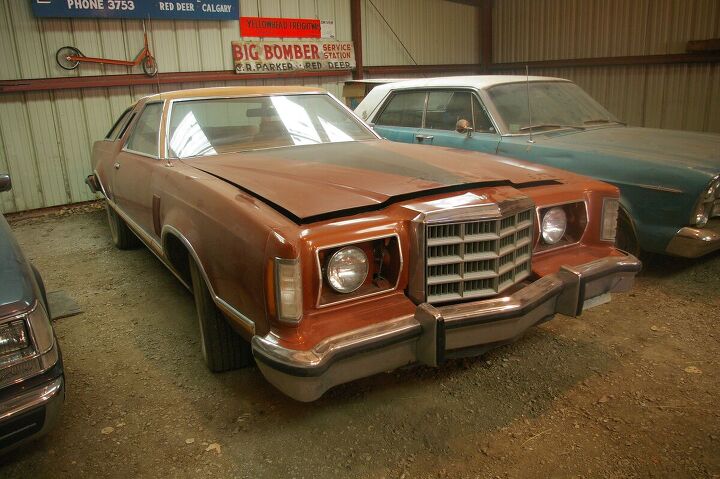
A survivor car is a pretty narrow category in my opinion. It means that a vehicle has come through the years with all of the originality that made it highly desirable in car guy world. Lately, the definition of a survivor car has been diluted down to a wishy-washy. I watched a TV program that featured survivor cars and tried to include a repainted car in the collection as a survivor model.
So let’s re-establish a set of basic ground rules about what makes the grade as a survivor car.
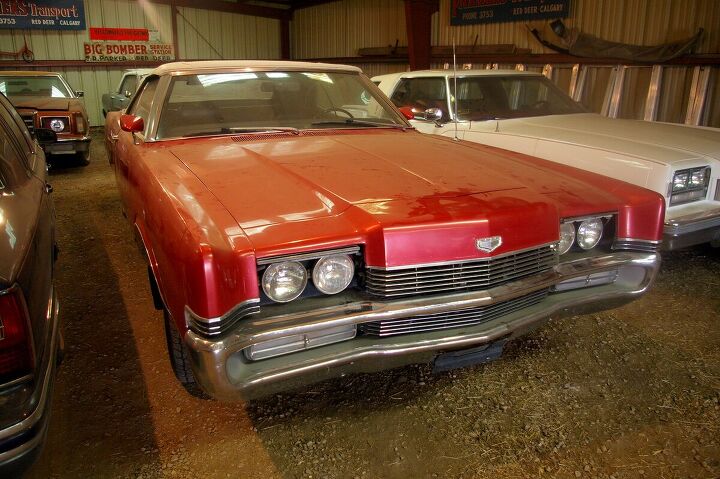
The first rule of survivor cars is their original paint job. You cannot paint a collector car and still call it a survivor anymore than you can castrate a horse and still call it a stallion. Something is fundamentally different in both cases, although the horse has better reasons to be a lot sadder about the changes in his life.
The paint job has to be the original finish, complete with orange peel and a thin layer of actual paint in many cases from the factories of the past. The car will be measured by its ability to have survived decades with nothing more than a wax job on its paint surface.
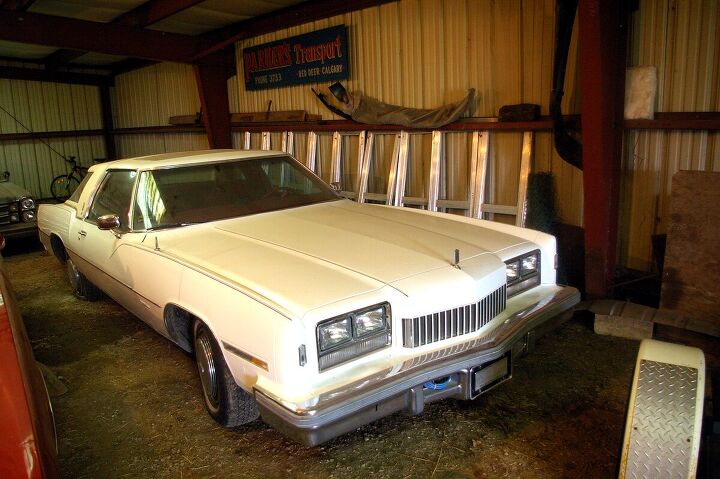
The survivor vehicle will usually have enjoyed a pampered life inside a garage, or it was owned by a quirky guy with a few bucks who decided to park it early and buy another vehicle. The car was stored for a long time under dry and ideal conditions by the quirky guy.
The old car was then be discovered by the next of kin when they do an estate inventory on the now-dead quirky guy and find the survivor vehicle parked in a garage. We have talked to people who bought estate vehicles that were parked in the 50s and discovered in the 21st century by the relatives.
The cars were frozen in time by storage, and probably had their tube radios dialed into stations that last played then-current hits by Rosemary Clooney, Dinah Shore and Nat King Cole. These are survivor cars with survivor paint that had not battled traffic, parking lots and the sun, snow and rain since Baby Boomers were really babies. Plus, the survivors got pulled out of the game early in life.
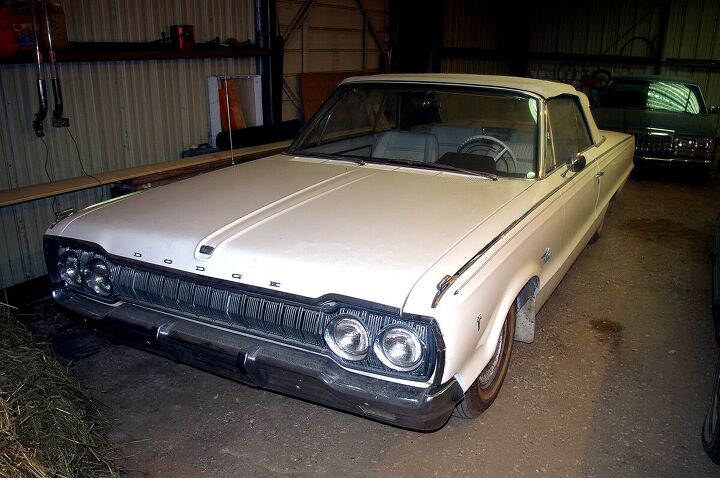
The interior also has to be original to qualify as a survivor car. This presents a problem when mice get involved in the vehicles because they can wreak unholy hell on an interior.
We know one guy who bought a late 40s Dodge that had been infested with mice during a long storage, but survived with no damage to the vehicle’s fabric other than an unbelievable stench in the material. The vehicle was eventually cured from its odor issue, but, as our friend Walter at Diablo Detail cautions us, the process is long and difficult to properly solve the problem. But it can indeed be solved by a qualified professional.
It is well worth the effort to professionally clean the interior to hold onto the survivor tag. The net result is that your car will still be a charter member of the elite survivor club.
The rest of the survivor car rules are pretty simple: it should have its factory power-train front to back and it should have all of its original equipment like spare tire (some guys even claim these have their original air in the tires), jack and lug wrench. Some cars even have their original tires, but who really wants to put a lot of faith in degenerated rubber at highway speeds?
This is a basic look at what it takes to be survivor car. Don’t let some guy on a TV show tell you that a car with a pretty new paint job is a survivor car because the rules are pretty simple and very rigid in my humble opinion.
Online collector car writer/webmaster and enthusiast
More by J Sutherland











Comments
Join the conversation
I attended a car meet in Southern California in 2000. The most impressive car was a "survivor" Ford Model T roadster. The year wasn't displayed or discussed, but you know it had to be very old as they stopped making them in the mid-20's. It was as described, original paint, upholstery, and convertible top. The paint was a mixture of rust and paint. The upholstery and top were in shreds. The grey bearded owner drove it to the meet. It was his daily driver. I submit this as a true survivor. Barn/garage finds don't count. They haven't survived, they have been preserved.
I see the young uns are re writing the language again as " original " means one thing , a " survivor " means it's still out on the roads where it belongs , not necessarily original . This has been a fun thread to read , lots of good info ion the cars pictured but don't try to raise the $ by changing the meaning of a word , that is wrong and bad for the industry and hobby . -Nate