

California to Start Ticketing Driverless Cars

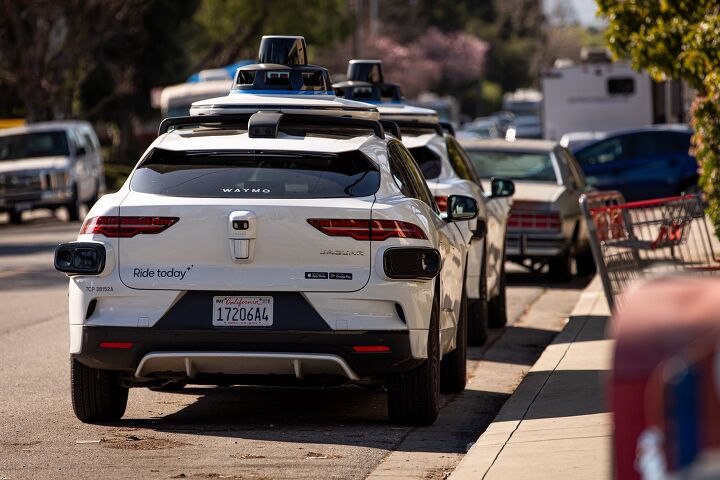
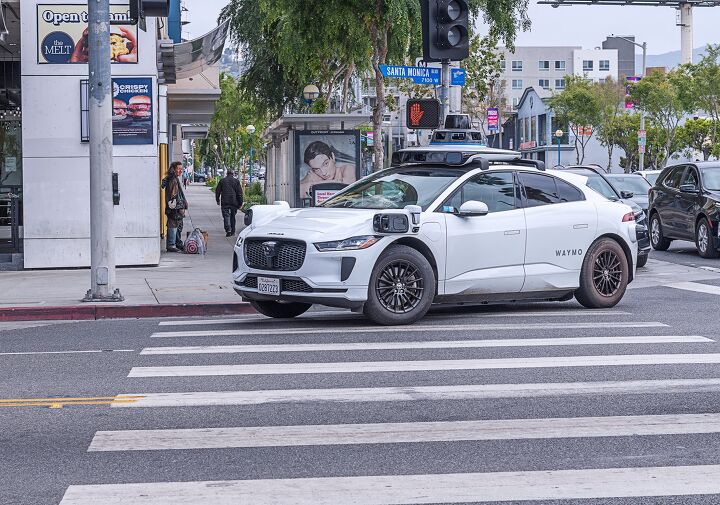
The California Department of Motor Vehicles (DMV) confirmed that it will be imposing new regulations for driverless vehicles. Pending regulations, based off the updated rules established in 2024, were approved late last month and allow the state to fine autonomous vehicle manufacturers directly for traffic violations.
There are also updated rules determining the amount of testing required before any company can field new self-driving vehicles on public roads. Certification will now be done in phases, with light-duty vehicles needing 50,000 miles in each phase and semi trucks requiring 10 times that amount.
California now also has more agency over how emergency operations are handled. The DMV wants enhanced licensing for remote operators, new ways to override AVs that are in the way of emergency response vehicles, and improved incident reporting from manufacturers. Officials also want ways of imposing restrictions on fleet size and where the vehicles are allowed to operate based upon the needs of a given area.
Changes were clearly done in response to public outrage. Numerous high-profile incidents fanned the flames of change. AVs have struck city buses, pedestrians, and pets in California. Local residents and even some emergency services have likewise been expressing frustrations about how autonomous test vehicles have been getting in the way — creating traffic jams and clogging up parking zones.
But it’s not just The Golden State that’s seeing complaints. Waymo vehicles were faulted for illegally passing school buses in numerous states and Texas saw an incident where they actually blocked the path of EMS vehicles that were trying to respond to a shooting.
The new rules effectively just clear up who is liable when one of these vehicles breaks the law, with the California DMV likewise suggesting that it would promote transparency with the public. Implementation starts June 1, with ticketing going directly to whoever is responsible for the software — likely Waymo, Zoox, or whatever company owns the relevant autonomous vehicle.
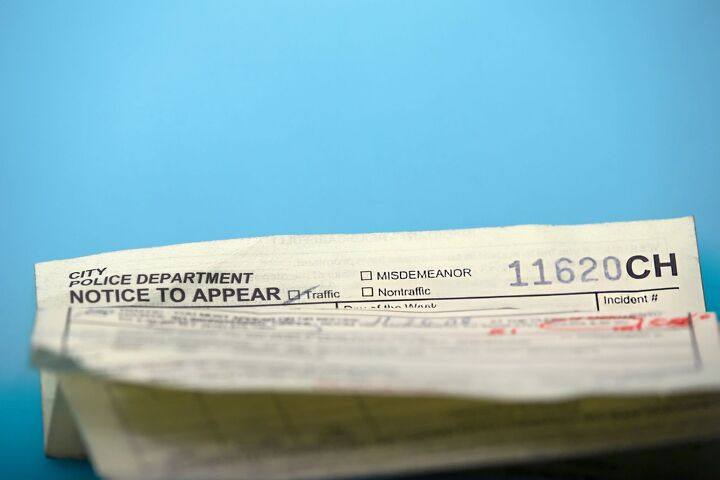
Non-compliance could result in those brands having their state certification suspended, meaning they could not legally operate within California until the matter is settled.
“California continues to lead the nation in the development and adoption of AV technology, and these updated regulations further demonstrate the state’s commitment to public safety,” DMV Director Steve Gordon stated.
Interestingly, the updated laws could also muddy the waters on passenger vehicles equipped with hands-free driving features. Automakers and insurance groups want to keep liability on the person behind the steering wheel. This is why we’ve seen in-cabin cameras being pushed by the government so aggressively in recent years.
However, California may have inadvertently set a precedent to hold manufacturers liable when those systems fail. While we’d likely need to carefully parse through every word of the legislation to be certain, a committed legal team could certainly make the argument that any system that removes control from the driver should be held to similar standards.
In the short term, manufacturers will just be subjected to more ticketing. Past attempts to police autonomous test vehicles have been difficult. State leadership has broadly been willing to bend over backwards to keep development within California, often butting heads with local residents.
Realistically speaking, it’s hard to say whether this is a real deterrent. The companies that own these vehicles are massive. Alphabet, which owns both Google and Waymo, is valued at nearly $4 trillion — easily placing it in the top five companies in the whole world in terms of market cap.
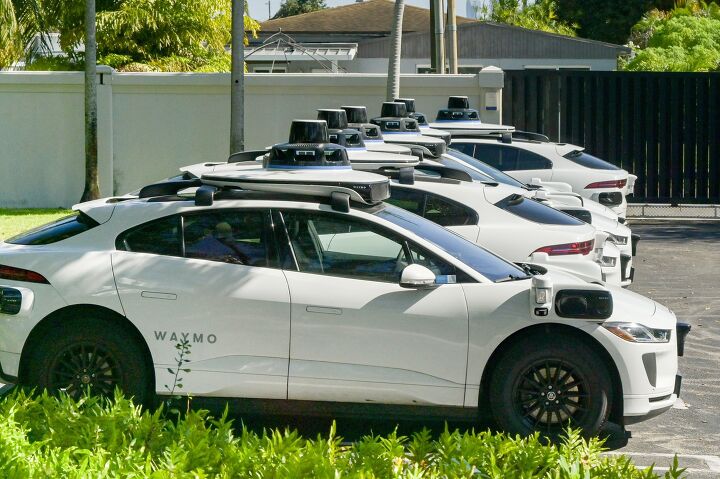
However, even if the stock market wasn’t a factor, Alphabet still reels in over $100 billion in annual revenue. While the other brands don’t have pockets quite that deep, it needs to be said that the fines being incurred annually would probably be a drop in the bucket in terms of annual expenses.
The Washington Post estimated that driverless taxis garnered nearly 600 parking fines within San Francisco through 2024, which translated into roughly $65,000 in fines. Scaled up across the rest of the state to include moving violations, that’s certainly not nothing. But it’ll be divided across numerous companies that are already paying a fortune to operate these businesses.
Waymo, broadly viewed as the most successful robotaxi service, has yet to showcase any kind of sustained profitability. It’s honestly a little difficult to even see the long-term vision for these companies. They typically charge higher rates than traditional cabs or competing ride-sharing apps while also dealing with higher overhead costs. Unless there’s a complete collapse of vehicle ownership in key regions, the path forward for brands like Waymo is unclear.
Some have argued that running a profitable robotaxi fleet was never the plan, however. Allegations have been made that these businesses are effectively using the business as a way to give autonomous vehicles real-world training. Brands would also benefit from mapping and data collection, since driverless vehicles are absolutely covered in cameras and other sensing equipment.
Corporate leadership has been adamant that their software-driven vehicles are much safer than the average driver. But the relevant data has largely been dependent upon these companies self reporting incidents.
For example, Waymo claims its cars see 90 percent fewer serious injuries and/or crashes and 81 percent fewer injury-causing crashes relative to human drivers. While this may be true, it’s difficult to verify. We know the company operates upwards of 1,500 vehicles in California and claims to have driven tens-of-millions of miles over the last several years. But this remains at odds with public sentiment, the large number of incident reports coming from local residents, and recurring media pieces where these vehicles make rather embarrassing mistakes.
[Images: bluestork/Shutterstock; Deo Tree/Shutterstock; Ceri Breeze/Shutterstock; Gerry Matthews/Shutterstock]
Become a TTAC insider. Get the latest news, features, TTAC takes, and everything else that gets to the truth about cars first by subscribing to our newsletter.
Consumer advocate tracking industry trends and regulations. Before joining TTAC, Matt spent a decade working for marketing and research firms based in NYC. Clients included several of the world’s largest automakers, global tire brands, and aftermarket part suppliers. Dissatisfied, he pivoted to writing about cars. Since then, he has become an ardent supporter of the right-to-repair movement, been interviewed about the automotive sector by national broadcasts, participated in a few amateur rallying events, and driven more rental cars than anyone ever should. Handy with a wrench, Matt grew up surrounded by Detroit auto workers and learned to drive by twelve. A contrarian, Matt claims to prefer understeer and motorcycles.
More by Matt Posky





Comments
Join the conversation
Finally California is not submitting to the pressures from the Hollywood elite.
Who cares about California, I surely don't and I used to live there.
Lloyd Bonified- Saw Filter and Everclear at the DV8.
Lloyd Bonified- AIC and Soundgarden are my favorites from that era as well. My boys love AIC and I think they are one of the best from that time.