


Bad News About the U.S. Diesel Supply

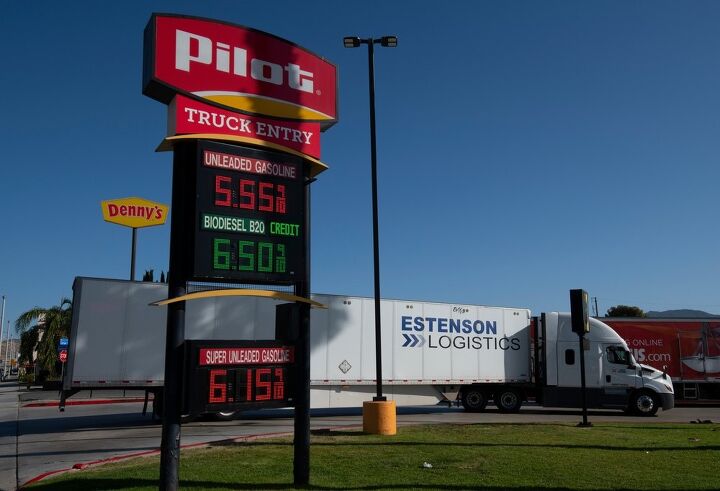
Over the summer, the United States witnessed record fuel prices. But the elephant in the room wasn’t how much people were having to pay for regular unleaded gasoline, it was the possibility that the nation might run into diesel shortages going into the fall.
Global deficits had manifested in March and people who watch the market professionally were growing increasingly concerned. By September, it began to look like the U.S. had dodged that particular bullet. However, the Energy Information Administration (EIA) recently announced that America only has about 25-day supply during a period of elevated demand.
The present national average for diesel fuel is around $5.34 per gallon – up from $1.67 per gallon this time last year – which had already risen dramatically against 2020. That is unfortunate but it doesn’t become a genuine crisis until you also take into account that the 25-day supply (give or take) represents the smallest U.S. stockpile since 2008. Under normal circumstances, America usually has somewhere between 35 and 55 days worth of fuel to work with.
Viewed broadly, this will assuredly mean higher shipping costs and retailers raising their prices to make up the difference. Farming and construction costs are also being impacted. Though the situation changes somewhat depending on where you’re filling up your tank. The East Coast has endured sustained shortages for most of the year and saw diesel stockpiles in the 14-day range back in May. However, the highest prices have been in California, where diesel is rarely sold for less than $6.50 per gallon these days.
If you’re wondering what’s causing the problem, there’s a laundry list of reasons we could go through. We’ve entered into refinery maintenance season and colder weather means at least some of the fuel will be used for heating, further increasing demand. U.S. refineries have also tamped down diesel production generally while exporting more of it out of the country than usual. Some of this was due to the sudden change in regulatory measures after the Biden administration got involved, upending oil production and refinement schedules in 2021. But the Russo-Ukrainian War has likewise driven up demand globally and harmed production as energy prices skyrocket in Europe.
While absolutely terrible news for most people, American oil refiners are now seeing the best diesel margins in recorded history. The profit for transforming a barrel of crude into a barrel of diesel is now $86.50. That’s up by roughly 450 percent against the 2000-2020 average of just $15.70 per barrel, according to OilPrice.com.
On Wednesday, National Economic Council Director Brian Deese told Bloomberg TV that diesel inventories had become “unacceptably low” and “all options are on the table” to build supplies and reduce retail prices. The outlet later noted that there are at least two tanker ships carrying around 1 million barrels of diesel that have been redirected from Europe to New York, suggesting they may offer America some relief going into November. Delta Air Line’s Trainer refinery in Pennsylvania is also wrapping up its seasonal maintenance, meaning more regional production.
But it’s still a bad situation and one that cannot be remedied overnight. Expect high energy prices through the rest of the year (at a minimum) and for high fuel prices to influence the amount you have to pay for just about everything else.
[Image: Robert V Schwemmer/Shutterstock]
Become a TTAC insider. Get the latest news, features, TTAC takes, and everything else that gets to the truth about cars first by subscribing to our newsletter.
Consumer advocate tracking industry trends and regulations. Before joining TTAC, Matt spent a decade working for marketing and research firms based in NYC. Clients included several of the world’s largest automakers, global tire brands, and aftermarket part suppliers. Dissatisfied, he pivoted to writing about cars. Since then, he has become an ardent supporter of the right-to-repair movement, been interviewed about the automotive sector by national broadcasts, participated in a few amateur rallying events, and driven more rental cars than anyone ever should. Handy with a wrench, Matt grew up surrounded by Detroit auto workers and learned to drive by twelve. A contrarian, Matt claims to prefer understeer and motorcycles.
More by Matt Posky













Comments
Join the conversation
Well said Matt!
"The present national average for diesel fuel is around $5.34 per gallon – up from $1.67 per gallon this time last year" is a resounding reason for "Let's Go Brandon" or the "FJB" chorus.....stupidity and incompetence goes a long way to destroy the country !