

2023 Detroit Auto Show Recap – Where Have All the Cars Gone?

The press day at the 2023 Detroit Auto Show was so quiet that I ended my day two states away – sleeping in my own bed in Chicago.
My initial hotel reservation was for two nights, but as early as last week I knew I’d be booking it west on I-94 after lunchtime.
It’s a far cry from my early years covering the show, when Cobo Hall (now Huntington Place) was swarmed by every industry worker from the top executives on down for several freezing cold days in January.
What was notable about this year’s media day was what was missing. Press conferences, for one – there were only three, along with a fourth reveal the night before. A lot of the PR folks and media members were not in attendance – some were at home and others were off on a first-drive program. Time was no one would dare to set a first drive against the show.
Even the looming potential of a UAW strike didn’t seem to bring in extra media.
I’ve said it before and I will say it again – I have no worries about the future of auto shows as public events. People will happily pay to check out cars with minimal interference from salespeople. From what I understand, most shows don’t publicly share their financials, but my anecdotal observations seem to suggest that folks are buying tickets – and that includes this post-pandemic period.
I believe as long as people can buy cars, they will pay to attend auto shows. That’s especially true for in-market shoppers and car enthusiasts, but for some folks, it’s just something to do.
Media days, however, are tricky. COVID-19 – and its effects on the industry, including supply-chain disruptions, certainly didn’t help, but the real reason media days are faltering is that automakers can host a one-off event somewhere and capture the news cycle for days instead of hours. Obviously, the ability to livestream an event via the Internet helps, too, but that could be done from an auto show, so there’s more at play.
That said, I do think that the New York and Los Angeles shows will continue to have a solid media day going forward. There’s a lot of non-automotive media in NYC – business journalists included – and they’ll swarm Javits every spring. Los Angeles is simply a large market with a strong car culture and a lot of well-heeled buyers. LA also seems to be the place for a lot of EV launches, due to California’s positioning on electric vehicles.
Chicago – full disclosure, I’ve done some work for the group that runs the show in the past – is a trickier one to predict. The public show is solid, but the media preview has struggled for a long time (in part because Detroit was so dominant). I could see it rebounding a bit just because Chicago’s size and reputation as a world-class city give PR folks more options to try to impress media at off-site events.
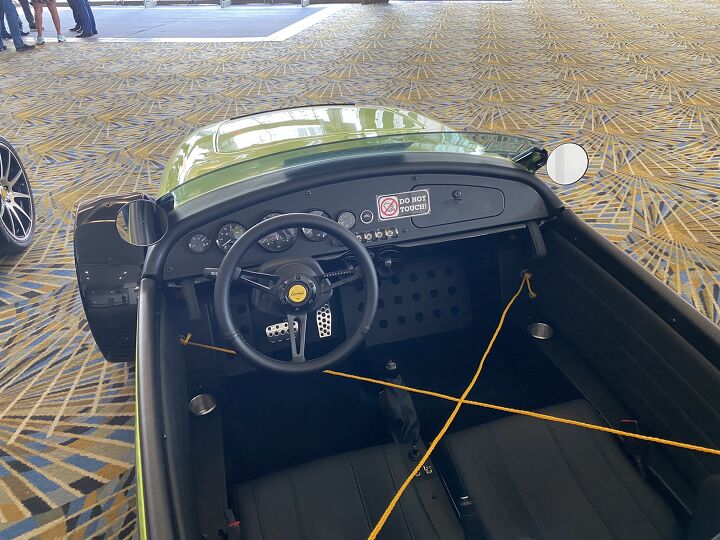
Detroit, though – one would think that with such a heavy industry presence in the area, and so many members of the automotive media making southeast Michigan their home, it would remain a no-brainer for the show to have a strong media preview, no matter what the other shows were doing, or what time of year the show was slated for, or how technology and PR strategy changes the way OEMs choose to launch a new model.
But for whatever reason, that wasn’t the case this year. To be fair, product cycles play a part. Next year could be a stronger show. But I am not betting on it.
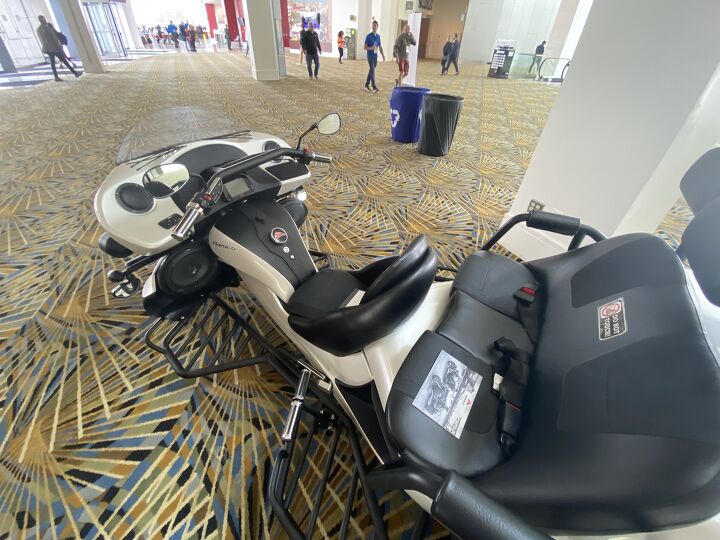
It was bizarre walking around the show floor and not seeing even the usual weirdness. I had hoped to document some bizarre stuff for a post – maybe the Michelin man would be wandering, or I could sample a latte at each luxury stand and post a gently mocking review – but no dice. Just dominance from the Detroit Three and Toyota, with the luxury brands shunted into a corner while a test track covered half the floor. The only coffee I saw was at Lincoln’s booth, and it was damn good.
I don’t want to sound like some old-school writer whining about the bygone days of the Firehouse parties. Yes, that sort of stuff is fun, but we journos will be just as happy to socialize at some static unveiling in some random city. What worries me a bit more is this – is the lack of strong auto-show media days concerning for the state of the industry?
As I noted above, it may be nothing to be alarmed about, unless you work for one of the groups that manages an auto show. It may be, as I wrote earlier, that automakers are simply changing their PR strategy to do more off-sites, both during an auto-show week and at random times during the year, because they get a lot more attention for a lot less money. If that’s the case, it doesn’t mean the industry is in bad health – just that the location of new-car reveals has changed.
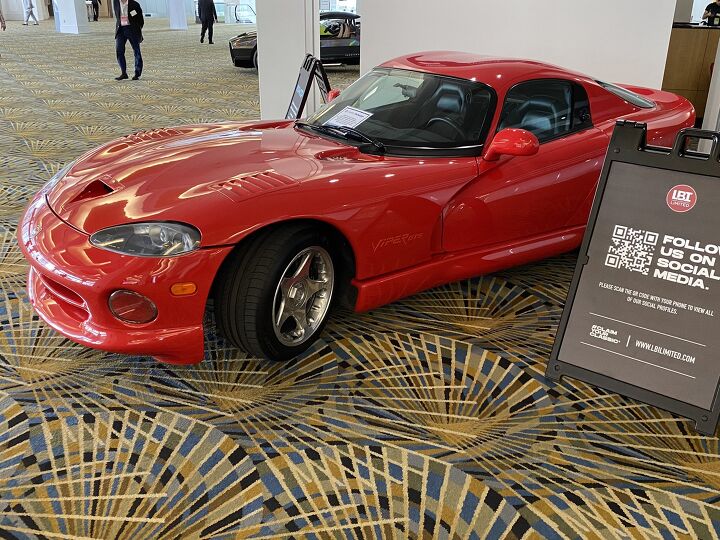
Still, it doesn’t feel great that what was once the social event of the season – shoutout to Clerks – has been reduced to such a size that at least one PR person I chatted with was surprised I bothered to travel to Michigan. Hey, what can I say? I do like Coney dogs and Vernor’s.
Perhaps the days of cattle in the streets, Jeeps driving through glass, and celebrities hobnobbing with starstruck bloggers at the Westin Book Cadillac are over. That’s not all bad – sometimes the spectacle outshined the cars. But if the Detroit Auto Show – or any auto show, really – wants to retain the same spotlight that was enjoyed as recently as half a decade or so ago, work needs to be done.
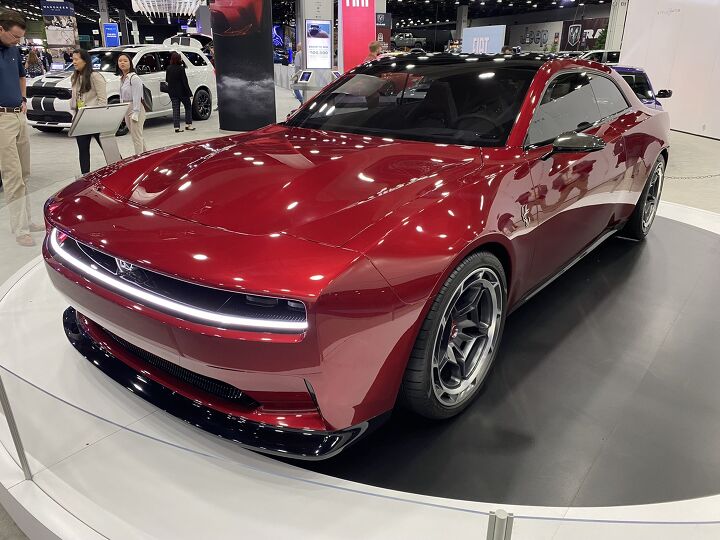
Otherwise, automakers, who have no real loyalty to anyone or anything other than the bottom line, will pay for stands to show their wares to the public but not a penny more for media-day press conferences. They’ll continue to shift that budget to off-site unveils.
While it can be annoying at times, I generally enjoy the drive to Detroit, especially this time of year. I hope to continue doing it once a year for the Detroit Auto Show.
Next time, hopefully, there will be a reason to stay awhile.
[Images © 2023 Tim Healey/TTAC.com]
Become a TTAC insider. Get the latest news, features, TTAC takes, and everything else that gets to the truth about cars first by subscribing to our newsletter.
Tim Healey grew up around the auto-parts business and has always had a love for cars — his parents joke his first word was “‘Vette”. Despite this, he wanted to pursue a career in sports writing but he ended up falling semi-accidentally into the automotive-journalism industry, first at Consumer Guide Automotive and later at Web2Carz.com. He also worked as an industry analyst at Mintel Group and freelanced for About.com, CarFax, Vehix.com, High Gear Media, Torque News, FutureCar.com, Cars.com, among others, and of course Vertical Scope sites such as AutoGuide.com, Off-Road.com, and HybridCars.com. He’s an urbanite and as such, doesn’t need a daily driver, but if he had one, it would be compact, sporty, and have a manual transmission.
More by Tim Healey








Comments
Join the conversation
Detroit moved their show to avoid being scooped by the L.A. show in December, but I don't know if that will help.
Detroit Auto Show recap sheds light on the dwindling importance of traditional auto shows. The lackluster atmosphere and sparse media participation underscore the industry's shift towards alternative strategies. But sometimes it's difficult to catch up what author wrote, click here now to see professional writers help, if you need it for your content. It's evident that automakers prefer hosting individual events, often with online streaming, to garner prolonged media attention. While auto shows might continue as popular public events, their significance for media coverage seems to be waning.