
Abandoned History: Ford's Cruise-O-Matic and the C Family of Automatic Transmissions (Part V)

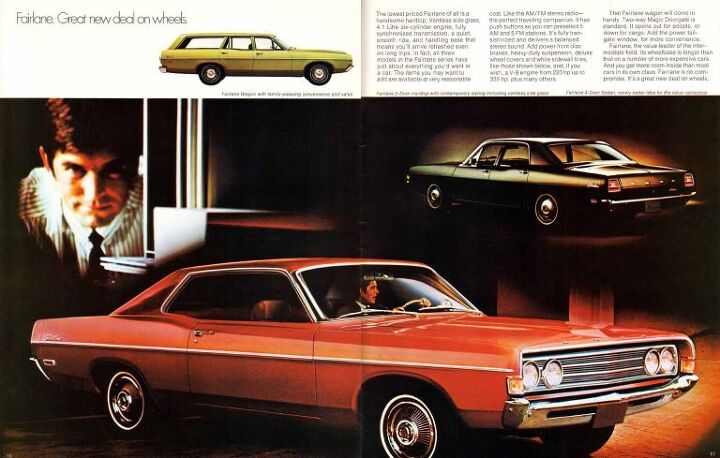
We resume our Ford Cruise-O-Matic transmission coverage today, as the original two- and three-speed automatics of the Fifties transition into the new C family. C transmissions were designed to be lighter (aluminum) and more efficient than their cast iron predecessors. The wonder of alloys!
In our last entry, we covered the first two C transmissions, the C4 (1964-1981) and C6 (1966-1996). Since we’re proceeding chronologically, we step back to Cruise-O-Matic for a moment, and a mix-and-match transmission: FMX.
FMX was a derivative of the MX and FX, the two gearboxes based on the original Ford-O-Matic that arrived for 1958. MX was the larger transmission for heavier passenger car use, while FX was the smaller one. The FX was not a long-lived transmission: It saw usage in only smaller Ford and Mercury cars and was replaced directly by the C4 upon its model-year ’64 debut. The C6 was the effective replacement for the larger MX when it arrived in 1966, but Ford was not yet finished with its first three-speed design.
The C4 and C6 presented some new capacity issues. Ford needed to build a high volume of C4 and C6 transmissions, but Livonia Transmission (1952-) in Michigan had only so much space. However, Fairfax Transmission in Cincinnati had unused capacity. Recall from Part I that Fairfax built the two-speed Ford-O-Matic, which had recently gone out of production in 1965. Fairfax became the assigned home for the new three-speed Ford had in development.
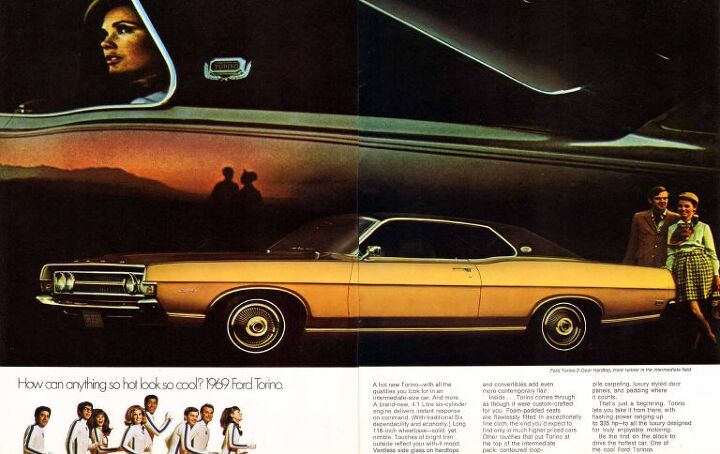
Said three-speed took the most desirable components of the MX and FX and combined them. Internals were from the stronger MX, but it used the case of the smaller FX. Effectively combining the two transmissions into one meant many fewer parts to make, and FMX was lighter because it was smaller. Fairfax began building the FMX in 1968, and the transmission continued unchanged until 1979.
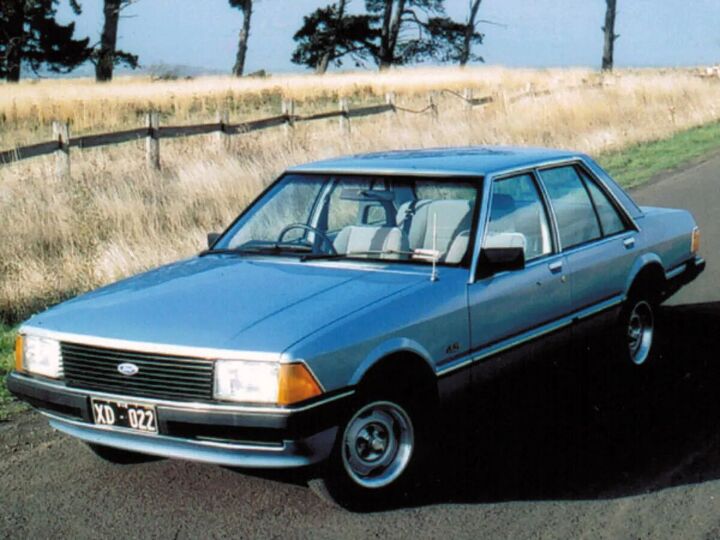
At that point, there was a steep decline in the demand for large rear-drive cars, and the three-speed auto was already on its way out. Fairfax was closed in ’79, and the official replacement for the FMX in 1980 was the new four-speed AOD (Automatic OverDrive). The FMX lived a bit longer elsewhere: Fairfax built some extra boxes before it shut down, and shipped them to Australia. There, they were used in V8 Ford Falcons through the 1983 model year. Ford killed off the V8 option in the Australian Falcon after ’83.
Though the FMX was the end of the Cruise-O-Matic X line, it wasn’t the end of the transmission’s influence at Ford. Circa 1962 when the MX and FX were still fresh, Ford decided to develop a new automatic transmission that placed fuel economy at the forefront of its design. Ford used the same Ravigneaux planetary gearset design from the MX/FX, but thought outside the box and included a fourth forward gear.
This concept transmission was so similar to the FX and MX that its first three gears had an identical ratio. The third gear used a split torque application, with two gear sets side by side. Split torque transmissions can send power to two different places at once, and they were originally used in helicopters where they could control both rotors. The design’s torque converter also featured a lockup and contributed to the project transmission’s name: XT-LOD, or Extension Lock-Up Overdrive.
Though four-speeds were the way of the future, Ford didn’t have a crystal ball. In 1966 Ford put the transmission project on an indefinite hold. It gathered dust until 1974 when fuel economy became of prime import due to the ongoing fuel crisis. When the project restarted in ’74, the transmission was renamed to FIOD (Ford Integrated Overdrive). Development continued through the rest of the Seventies until the new transmission was ready for introduction. Before its debut, it took its production name: AOD.
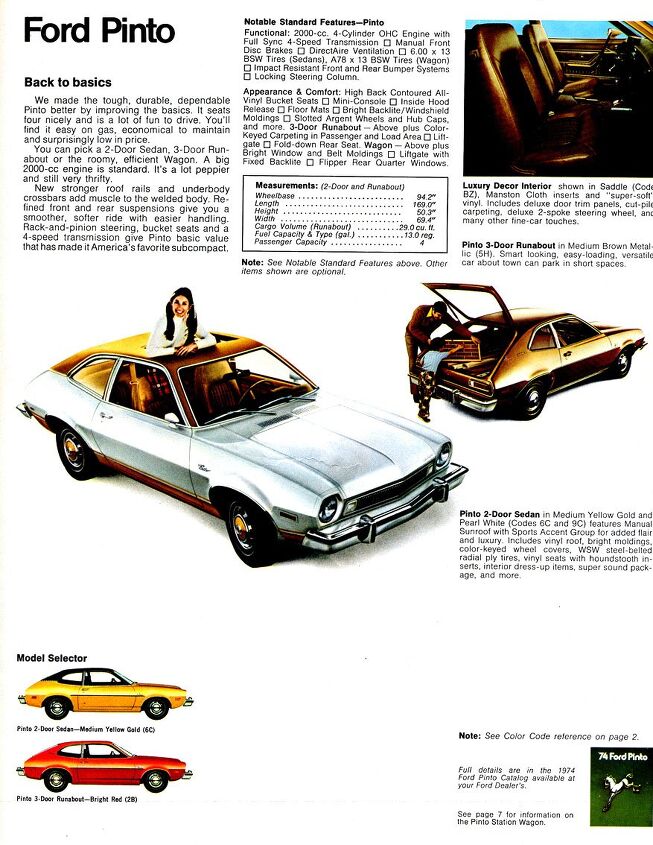
The emphasis on fuel economy created an urgent need for domestic automakers to produce smaller and more efficient vehicles to compete with the new compacts and subcompacts coming from Japan at the turn of the Seventies. The first subcompact Ford ever created was the Pinto, introduced in 1971 to an excited audience. When it was introduced, the Pinto was available only with a four-speed manual transmission. To increase its marketability, the Pinto needed a lighter duty automatic, even lighter than the C4.
Enter the C3. Designed with the same lightweight methodology as the C4, the C3 was for longitudinal rear-drive usage and had the expected three forward speeds. The C3 was designed for small car usage and was limited in its application to inline-four or six-cylinder engines. However, Ford’s plants in North America were busy building the C4, C6, and FMX transmissions, so the Blue Oval looked overseas. To France!
The development of a new transmission plant in France started in the early Seventies, but it wasn’t all Ford’s idea. The new factory was a joint venture between transmission company Getrag and Ford. The two companies had a good relationship and worked in tandem previously to establish the Halewood transmission plant in Liverpool, England.
The location of the new plant was to be Bordeaux, a city in southwestern France famous for its wine. Specifically, the plant was located in Blanquefort, a northern suburb. Construction started in 1972, and the plant built its first transmissions in 1973. At 1.557 million square feet, the plant’s site spanned a full 161 acres and employed around 850 people. The very first transmission built at Bordeaux Automatic Transmission (1973-2019) was a C3.
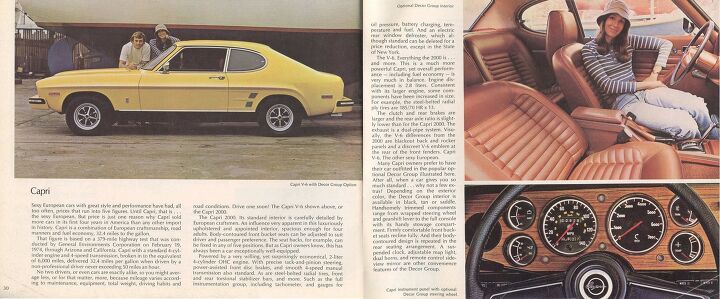
C3’s first usage was in the Pinto (and new Mercury Bobcat of 1974), where it was marketed as the Cruise-O-Matic with SelectShift. The C3 spread quickly across the Ford lineup in North America. The imported Ford Capri used a C3, as did some lower-trim Lincolns with six-cylinder engines. Later in the decade, the Fairmont employed the C3, as did the much fancier Mercury Zephyr.
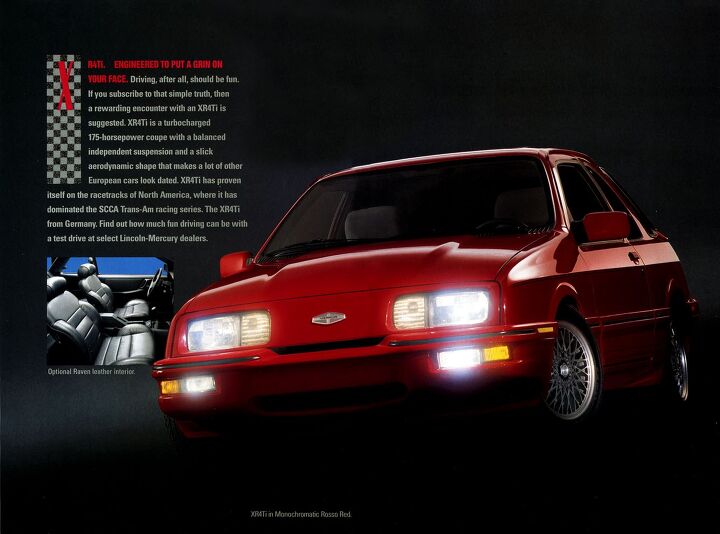
The Mustang couldn’t resist C3 action, and neither did the aero Thunderbird of 1983. One could even find a Mercury Marquis or Ford LTD with the C3, assuming it was powered by a 2.3-liter inline-four. And wouldn’t that have been an engaging drive! The final year of the C3 in North America was 1989 when it was found in the ill-fated Merkur XR4Ti. That liftback was not especially suited to such an automatic given its sports-luxury mission.
Ford Europe made use of the C3 as well, where it was added to the early Seventies versions of the Ford Granada, Cortina, and Consul. Later it was added to the Capri and Taunus, as well as the daring Sierra. The C3 was finished in Europe by 1987 when Ford had a rework ready to take its place. And the new version of the C3 featured an important update: Another forward gear.
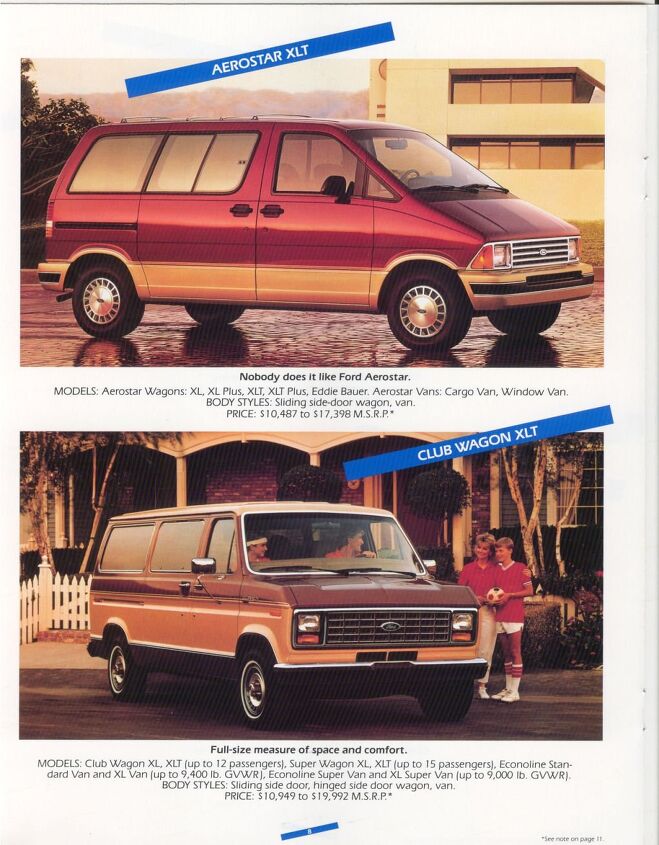
Ford added a fourth gear to the C3 and created the A4LD. The A4LD was an important step forward, as Ford’s first automatic to feature an electronically controlled torque converter lockup. While gears remained hydraulic in operation for most of the A4LD’s run, electronic shift control was added between third and fourth gear later in life.
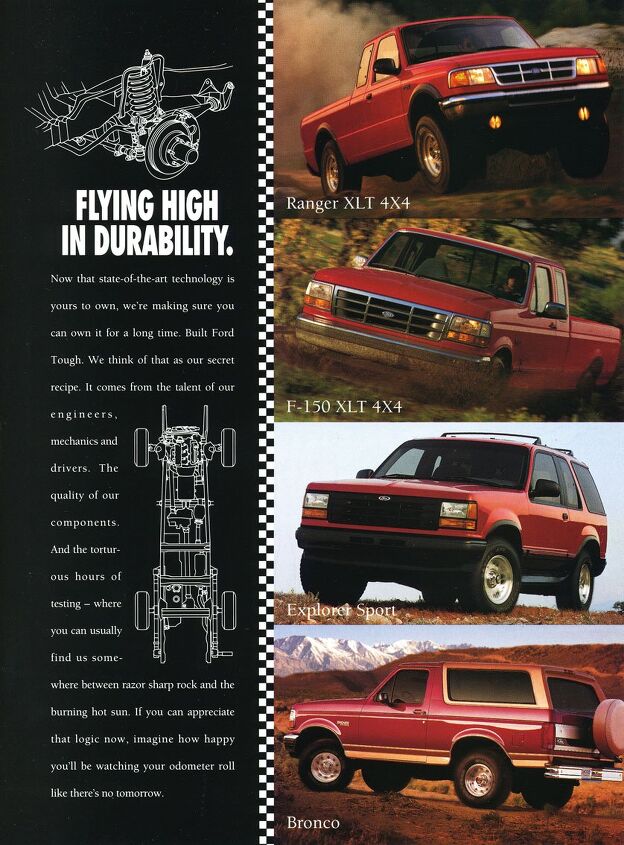
The A4LD was introduced for the ’85 model year in North American and European Ford products. In North America, it was first found on the tippy Bronco II, and its more stable sibling the Ranger. The following year (a very important one at Ford), the A4LD was added to the all-new Aerostar minivan.
In 1987 it replaced the C3 in the Mustang and Thunderbird, where it was paired to the 2.3-liter inline-four. Finally, the Ford Explorer used the A4LD when it debuted in 1991, as did its lesser-known cousin the Mazda Navajo. And Mazda was the last to implement the A4, in the B-Series pickup that debuted in 1994.
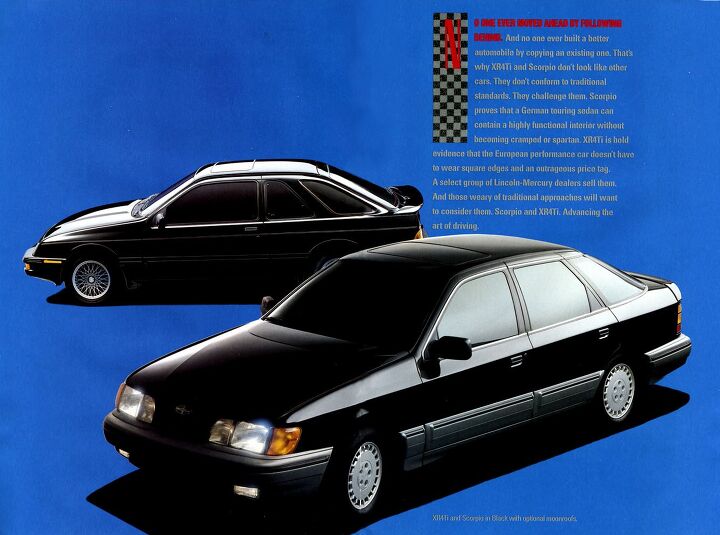
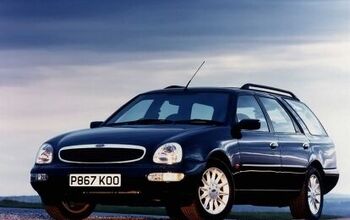
European Fords used the A4LD in much more limited application, in the new Ford Scorpio (which North Americans received as the Merkur Scorpio). It became the automatic of choice in the Sierra for 1987, where it replaced the old C3.
The fourth gear gave the C3 a new lease on life, but its biggest advancement would arrive in 1995. We’ll pick up there next time.
[Images: Ford]
Interested in lots of cars and their various historical contexts. Started writing articles for TTAC in late 2016, when my first posts were QOTDs. From there I started a few new series like Rare Rides, Buy/Drive/Burn, Abandoned History, and most recently Rare Rides Icons. Operating from a home base in Cincinnati, Ohio, a relative auto journalist dead zone. Many of my articles are prompted by something I'll see on social media that sparks my interest and causes me to research. Finding articles and information from the early days of the internet and beyond that covers the little details lost to time: trim packages, color and wheel choices, interior fabrics. Beyond those, I'm fascinated by automotive industry experiments, both failures and successes. Lately I've taken an interest in AI, and generating "what if" type images for car models long dead. Reincarnating a modern Toyota Paseo, Lincoln Mark IX, or Isuzu Trooper through a text prompt is fun. Fun to post them on Twitter too, and watch people overreact. To that end, the social media I use most is Twitter, @CoreyLewis86. I also contribute pieces for Forbes Wheels and Forbes Home.
More by Corey Lewis







Comments
Join the conversation
In hindsight I probably should have bought a 302/A4LD-powered Thunderbird as my first car instead of the Vulcan/AXOD Taurus. It would have given me fewer problems.
I can't vouch for the Transaxle automatics but in dozens of Ford products I've spent a lot of time in, the C4/C6/AOD and later 4R100 transmissions were about indestructible. The AOD was a pretty crude first stab at adding overdrive and with the tall gearing and low power engines of the day, they really struggled in and out of OD. We used my friend's mom's '80 or '81 Town Car for a two week summer vacation, as the Lincoln accelerated through the first three gears, all was smooth and fine. Then it would drop in OD, revs would plummet and the car felt like it was pushing into a 80 mph wall of wind. We just left the OD locked out and sucked down $125/gallon gas at a slightly more prodigious rate. In my driveway is a '02 V10, 4wd Super Duty with 190k on it, two fluid exchanges and the 4R100 works perfectly.