


Insurance Refund: Michigan Drivers Getting $400 Per Vehicle Next Spring

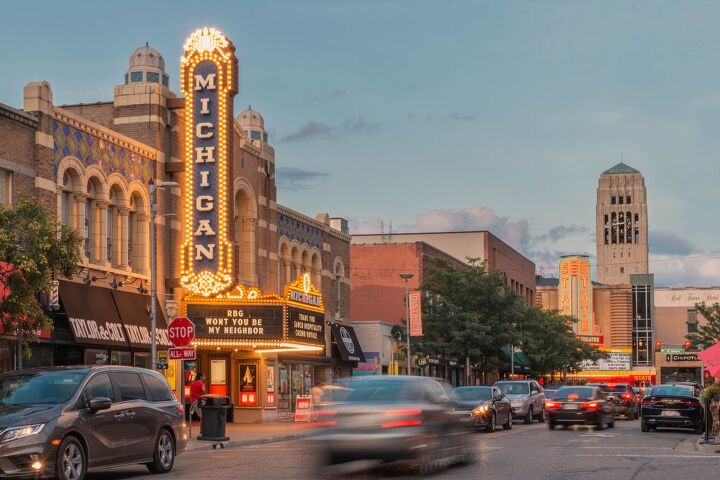
Despite being one of the last hero states to not require routine vehicle inspections, Michigan is infamous for boasting the highest auto insurance rates in the whole country. Blame the double-edged sword that is the state’s no-fault insurance scheme, the region’s relatively high number of uninsured motorists, or the general popularity of personal injury lawsuits (an American pastime). Heck, blame the whole insurance industry while you’re at it because it’s the one that managed to become wildly profitable off the concept that you’ll be bankrupted if you don’t pay in.
But don’t blame Michigan’s formerly mandatory unlimited personal injury protection (PIP) requirement that’s been around for decades, because it was done away with in 2019. The previous arrangement required drivers in The Mitten State to purchase unlimited PIP insurance, allotting for those at fault (no-fault insurance schemes be damned) to provide a lifetime of medical benefits to victims. On Tuesday, Gov. Gretchen Whitmer’s administration announced that the Michigan Catastrophic Claims Association (MCCA) fund will also be issuing $400 checks to drivers in the spring of 2022 as part of a $5 billion surplus that’s being handed off to insurers.
According to The Detroit News, the MCCA board voted in favor of issuing refund checks to drivers across the state on November 3rd. A plan has since been submitted to issue refunds with aid from the Department of Insurance and Financial Services. Anyone with a Michigan-based insurance policy from October 31st will be deemed eligible, with automatic payouts coming via their chosen insurance firm next year. Michiganders will be receiving $400 per car unless it’s wearing historic plates (which is worth $80).
From The Detroit News:
The Democratic governor called on the MCCA to issue refund checks to distribute its $5 billion surplus in November. Democratic and Republican lawmakers have supported the refund effort. Under state law, the MCCA levies an assessment each year to cover claims for those catastrophically injured in car accidents.
The organization’s analysis found that about $3 billion of the surplus could be returned to policyholders. The MCCA sought “to issue the largest possible refund to policyholders while maintaining sufficient funds to ensure continuity of care,” said a letter from Kevin Clinton, the association’s executive director.
Whitmer said Tuesday that “these refunds and the recently announced statewide average rate reductions are lowering costs for every Michigan driver.”
“Michiganders have paid into the catastrophic care fund for decades, and I am pleased that the MCCA developed this plan so quickly after unanimously approving my request to return surplus funds to the pockets of Michiganders,” the governor said.
There are downsides, however. Insurance agencies (which backed the plan) are still benefiting immensely from the refund and the state’s updated insurance rules have seriously reduced the reimbursement rates insurers are required to pay for health services that lack a Medicaid code. This pertains largely to homecare, with providers now eligible for just 55 percent of their previous rates.
“This kind of energy and focus is misguided when we have people who are losing care,” said Tom Judd, president of the Michigan Brain Injury Provider Council. “When we have people who are struggling to provide care and we have families who are in turmoil. For those people who are going through that process, it looks as if the concern and priority of the governor and the Legislature are not with them.”
[Image: Hanson L/Shutterstock]
Consumer advocate tracking industry trends and regulations. Before joining TTAC, Matt spent a decade working for marketing and research firms in NYC. Clients included several of the world’s largest automakers, global tire brands, and aftermarket part suppliers. Since adding automotive writing to his repertoire, he has become an ardent supporter of the right-to-repair movement, discussed the status of the automotive sector on national broadcasts, participated in a few amateur rallying events, and driven more rental cars than anyone should ever have to. Handy with a wrench, Matt grew up surrounded by Detroit auto workers and learned to drive by twelve. Alleged to be contrarian, Matt claims to prefer understeer and motorcycles.
More by Matt Posky




Comments
Join the conversation
Nothing is preventing Tesla from agreeing to unionize to take part in that sweet $4500/vehicle subsidy. Note there is a domestic manufacturer subsidy separate from the union subsidy.
Counter Point for a Plaintiff's attorney in Michigan. The most expensive part of your auto insurance has always been the cost to repair your car. That's usually 50% of the policy charge. We had unlimited no fault benefits. That meant, for example, if you were rendered a quad in an auto accident, you'd get lifetime medical benefits. If you needed surgery, for example, because after years of conservative treatment, you weren't getting better, or it wasn't working any more, you could get that treatment. Your average person, if they get hurt bad enough to have a life-changing injury, it will be in a car accident. And for what little you paid, you got the best. Full stop. Now, here's what's going to happen. People are going to buy the cheapest option, which has minimal coverage for medical bills. IIRC it is $50,000.00. No health insurance covers auto claims. So your auto insurance runs out, because 1 day in the hospital will burn through 50k in a heartbeat. Your health insurance won't pay. So you turn to Medicaid. I'm pretty sure you don't want Medicaid level of care. And suing the negligent driver? Bankruptcy is always an option (other than drunk driving). And what if the accident is your fault? Insurance is the real scam. You can't drive a car in Michigan without insurance. So here's a product that you have no choice but to buy. And everyone thinks that they are insured, they are covered, etc. It's like the guy who sold raffle tickets for a dead horse. He brags to his friend that he made $9,990.00 from selling tickets for the horse. His friend says "who would buy a raffle ticket for a dead horse?" The guy says "I didn't tell them the horse was dead." His friend says "Didn't the winner complain?" The guy says "Yes, so I gave him his $10.00 back." Everyone who has insurance is now buying a raffle ticket for a dead horse. Except they aren't getting their premiums back.