


DIY Oil Change for the 2015-2020 Ford F-150 5.0 — It’s Easy!
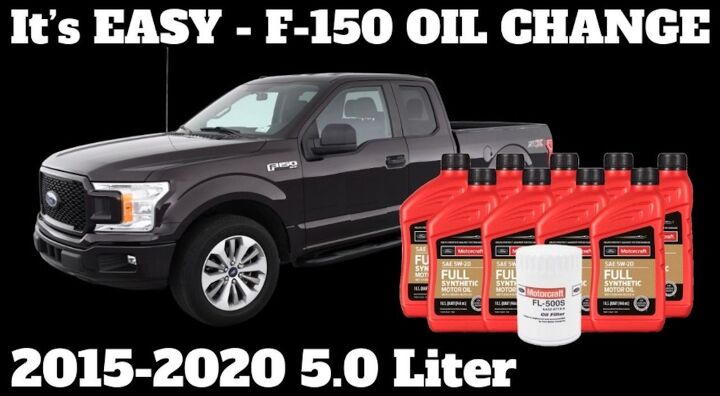
If you own a 2015 - 2020 5.0 Liter Ford F150 and you are tired of paying the dealership for oil changes here are the step-by-step instructions to do it yourself. It's simple, requires very few tools, your job should be a bit cleaner, and you will be saving yourself quite a few dollars over the ownership of your truck.
The TTAC Creators Series tells stories and amplifies creators from all corners of the car world, including culture, dealerships, collections, modified builds and more.
An AI-generated transcript summary edited by a staffer is below.
[Image: Tony's Fords and Mustangs/YouTube]
Become a TTAC insider. Get the latest news, features, TTAC takes, and everything else that gets to the truth about cars first by subscribing to our newsletter.
Summary
The video provides a detailed walkthrough of changing the engine oil and oil filter on a Ford F-150, explaining the tools, materials and procedures needed to complete the job at home. The presenter also discusses his preference for shorter oil-change intervals, challenges associated with the truck's design, and tips for making the process easier and less messy.
Oil Change Intervals and Engine Longevity
Ford recommends changing the engine oil every 7,500 to 10,000 miles, but the presenter believes that interval is too long for owners planning to keep their trucks well beyond the factory warranty period.
Instead, he changes his oil approximately every 5,000 miles, arguing that contaminated oil can accelerate wear on internal engine components, including camshaft and crankshaft bearings. Although some quick-lube businesses recommend changes every 3,000 miles, he considers that unnecessarily frequent.
His goal is to maximize engine longevity through preventive maintenance rather than simply following the manufacturer's recommended schedule.
Tools and Materials
The F-150 requires approximately 8.8 quarts of engine oil, making a large drain pan essential. The presenter identifies several items needed for the job:
- Large-capacity oil drain pan
- 5W-20 motor oil, as recommended by Ford for his truck
- Replacement oil filter
- Oil filter wrench
- Funnel for adding fresh oil
- Headlamp for improved visibility
- Cardboard and cleaning rags
Ford specifies an FL500S oil filter for his truck, but the presenter uses an FL820S filter he already has available. He explains that the alternative has matching threads and gasket dimensions, along with slightly greater capacity, and confirms that it fits during installation.
Draining the Old Oil
The process begins by opening the hood and loosening the oil filler cap, which the presenter believes helps the old oil drain more freely.
The F-150's ground clearance allows him to work underneath without raising the vehicle. He positions a large drain pan beneath the engine and removes the threaded plastic drain plug by hand.
One challenge involves the location of the front sway bar, which can interfere with the draining oil and create a mess.
To minimize spills, he partially loosens the drain plug and uses it to regulate the oil flow rather than removing it immediately. This approach proves effective, allowing him to drain most of the oil in approximately five minutes without making a significant mess.
He then leaves the drain open for another 20 minutes to remove as much remaining oil as possible.
The presenter also discusses the plastic drain plug and its single rubber O-ring, which prevents leaks. Ford recommends replacing the O-ring or the entire plug periodically. He plans to replace the original plug with an aftermarket aluminum version from UPR featuring two O-rings for additional protection against leaks.
For this oil change, however, he reinstalls the original plug.
Replacing the Oil Filter
The F-150's oil filter is mounted low on the engine and accessed from underneath the front of the truck.
Although Ford designed a drainage spout to direct oil away from the engine during filter removal, the presenter finds it largely ineffective. Oil runs down the back of the engine instead of flowing through the intended channel, creating an unavoidable mess.
He loosens the old filter by hand, allowing the remaining oil to drain before removing it completely.
The replacement FL820S filter fits despite being slightly larger than the factory-specified FL500S. He installs it by hand and cleans the surrounding area to prevent residual oil from dripping onto his driveway.
He emphasizes that the filter should be secured firmly, although he does not provide a specific tightening torque.
Adding Fresh Oil
With the drain plug reinstalled and the replacement filter secured, the presenter refills the engine using Ford-recommended 5W-20 motor oil.
The truck requires approximately nine quarts, so he uses two containers of oil and a large funnel to make pouring easier.
Once the fresh oil has been added, he reinstalls the oil filler cap and prepares to restart the engine.
Resetting the Oil-Life Monitoring System
After starting the truck, the presenter checks the oil-pressure gauge to ensure the engine is developing normal oil pressure.
He then resets the vehicle's oil-life monitoring system through the instrument cluster.
The process involves navigating through the following menus:
Settings → Advanced Settings → Vehicle → Oil Life Reset
After confirming the reset, the display shows 100 percent remaining oil life.
The truck's odometer reads 47,446 miles, and he records a target of approximately 52,500 miles for the next oil change.
Additional Maintenance Tips
The presenter shares several practical suggestions based on his experience maintaining the F-150.
He prefers positioning the truck so the drain opening is at a lower point, helping more of the old oil escape. He also recommends allowing additional time for draining rather than immediately reinstalling the plug.
Using a large drain pan is especially important because of the amount of oil involved and the awkward placement of the sway bar and oil filter.
He acknowledges that filming the process makes the job take longer than usual but emphasizes that changing the oil is relatively straightforward and manageable for most owners comfortable performing basic vehicle maintenance.
Conclusion
The video demonstrates that changing the oil on a Ford F-150 is a relatively simple DIY maintenance task requiring only basic tools, replacement oil and a filter.
Although the truck's oil-filter placement and ineffective drainage spout can make the job messy, the presenter shows that careful preparation and a few practical techniques can minimize the inconvenience.
His central message is that regular oil changes are an inexpensive way to help protect an engine over the long term. By changing his oil every 5,000 miles rather than following Ford's longer recommended interval, he hopes to extend the life of his F-150 well beyond its original warranty period.
The video ultimately encourages F-150 owners to consider performing their own routine maintenance, saving money while becoming more familiar with their vehicles.

Tony has been a member of the car culture since the late 1970s, acquiring his first car at the age of 13 in a straight-up swap for a Schwinn 10-speed bicycle. He has personally owned well over 500 cars and trucks since that first car. He was employed as a jet engine Mechanic by the US Air Force for over 10 years and served in theater during Desert Storm. He has always wrenched on his own vehicles. In the Fall of 2021 he launched his own YouTube channel that focuses on Ford Motor Company products, both old and new, however other manufacturers product will appear from time to time. New content and videos are posted every Saturday Morning at 11 AM EST












Comments
Join the conversation
what the world needs now is a new Ford F150 like I need a hole in the head