


Used EV Sales Climbed 73 Percent in October, Teslas Slipped
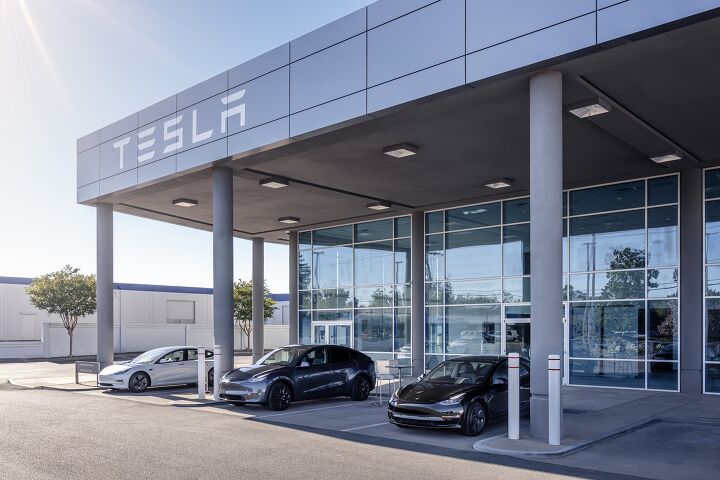
Americans picked up roughly 48,678 used EVs in October, a 4.7 percent rise over September and 73.2 percent higher than a year earlier, according to the latest EV Market Monitor from Cox Automotive. Tesla still led the pack. It just led a little less.

Per Cox Automotive, used Tesla sales dropped 5.4 percent from September, as the Model 3, Model Y, and Model X each lost ground. That slip cost the brand a rung in the rankings, Cox says, with Chevrolet jumping past Ford into second. Hyundai and BMW filled out the rest of the top five.
The Chevrolet Equinox EV and Blazer EV built on the gains they posted in September. The Kia EV6, Nissan Leaf, and Volkswagen ID.4 likewise drew more buyers than they had a month earlier, according to Cox. Cox credits more cars coming off lease, which widens the choices available to shoppers across brands and price points.
That 73 percent year-over-year jump needs context. The federal EV tax credit had just expired, making October 2025 the first full month without it, and used EV purchases that month ran around 30,000, per Cox Automotive. EVs accounted for 3.3 percent of U.S. used car sales in October, Cox says, matching the record set in September and climbing from 2 percent the year before.

For shoppers, the average used EV asking price was $36,582, which Cox pegs as a drop from the $36,767 recorded in September and 1.9 percent under the figure from a year earlier. The Equinox EV, ID.4, Mach-E, and Nissan Ariya all got cheaper, per Cox. Used Teslas did not, rising 1.8 percent for a second consecutive month to an average of $34,109, still about $2,500 below the overall average.
At October's pace, Cox says dealers were sitting on 38 days of used EV supply, versus 47 for gas cars and hybrids. Used Teslas moved fastest of any major brand Cox tracked, at 32 days, though that count excludes Tesla's own stores. New EV sales, meanwhile, hit 83,262, with the Model Y accounting for nearly 44 percent of them, according to Cox.
[Images: Tesla, Chevrolet, Hyundai]
Become a TTAC insider. Get the latest news, features, TTAC takes, and everything else that gets to the truth about cars first by subscribing to our newsletter.

More by TTAC News Staff










Comments
Join the conversation
INSATIABLE DEMAND!!! for used EVs lmao
the only good the orange underwear stain is goof for is raising EV adoption..