
Rare Rides: In Memoriam, Toyota Century

Heads of state and other dignitaries typically like to ride around in large, sedan-shaped vehicles. Offerings like the Mercedes-Benz S-Class and contemporary Rolls-Royce sedans have long been the go-to around the world. Of course, there are exceptions. For places like the United States, national pride dictates an American-made Cadillac or Lincoln.
The Japanese also have a strong sense of national pride, and for decades there was only one vehicle appropriate for heads of state and CEOs — the Toyota Century.
Now it’s gone.
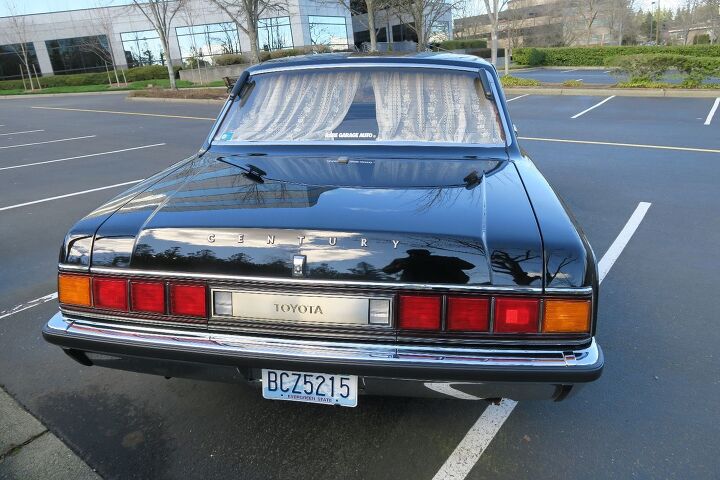
This isn’t the first time we’ve featured a Toyota in the Rare Rides series, nor is it our first limousine. But this Century is on the opposite end of the spectrum from the MEGA CRUISER or the ZIL. I don’t think its owners would’ve approved of such capital letter usage, as it’s too vulgar.
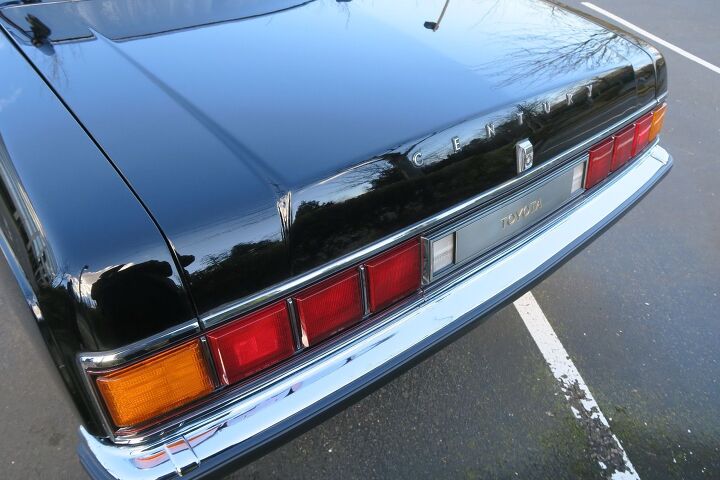
The Century was the flagship of the Toyota line, and has been since since its inception. It was always designed as a dignified, quality conveyance for the governmental and well-heeled Japanese elite. More modern luxury options like the Toyota Celsior (which we received as the Lexus LS400) did not shift the crown from atop the Century’s squared-off head. Produced since 1967, there were just two generations for its entire 50-year run. Generation one ran from 1967 through early 1997, when the second generation bowed in. Generation two continued with minimal changes until just earlier this year. Production ceased in February, and the Century was quietly removed from the Toyota of Japan site.
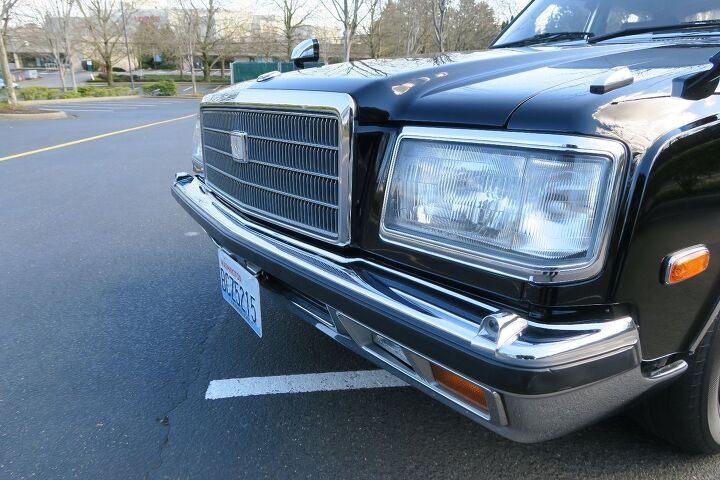
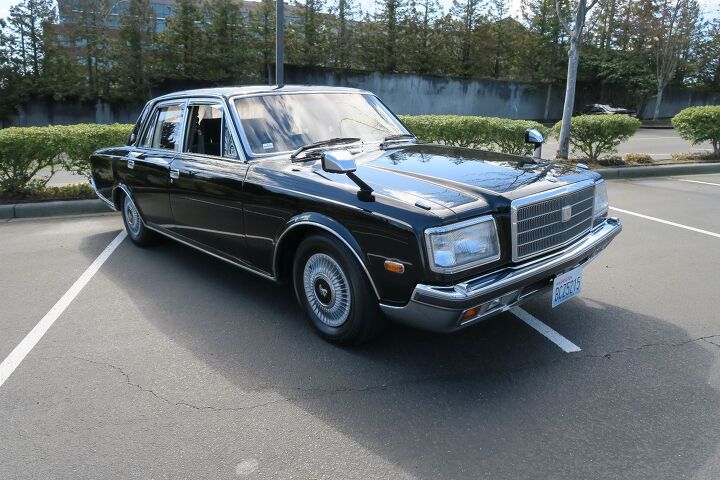
Priced at around $100,000 USD in Japan, the Century was always the most expensive sedan produced by Toyota, that is until the introduction of the Lexus LS600h L (that’s the hybrid long wheelbase one) in 2008 to the tune of an eye-watering $125,000. The Century was solely a Japanese market vehicle and was never exported to other markets. The example you see here is currently on eBay and has been imported to the United States under the 25-year rule.
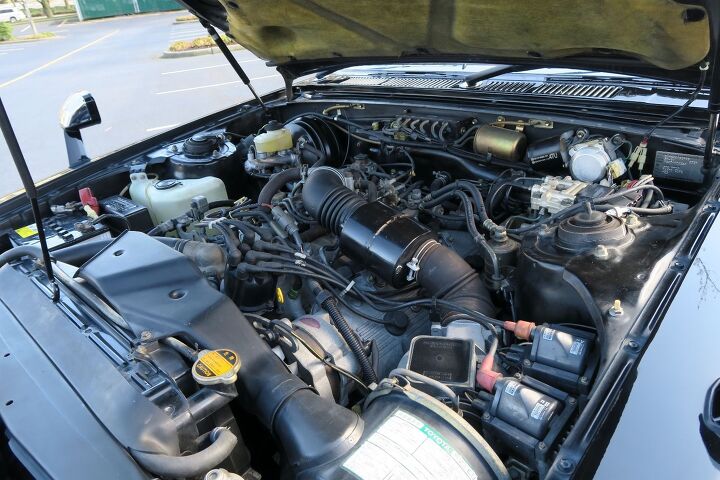
The first generation wasn’t big on power, and three different engines were used in succession. All of them were V8s of 3.0 to 4.0 liters in displacement. The 1997 redesign brought along the only V12 Toyota made — the 5.0-liter 1GZ-FE, an engine only used in the Century. The engine in this particular example is a 4.0-liter VG40, found in the Century from 1982 through 1997.
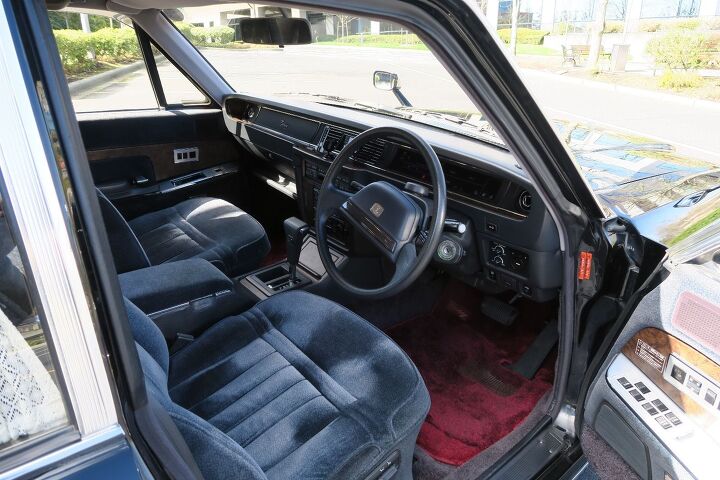
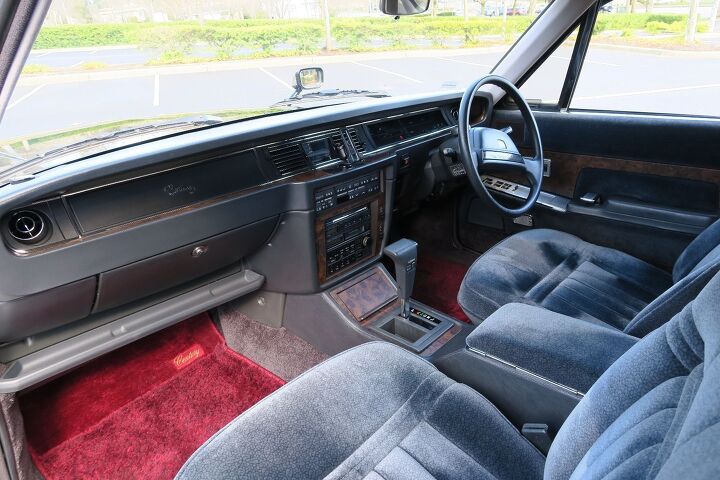
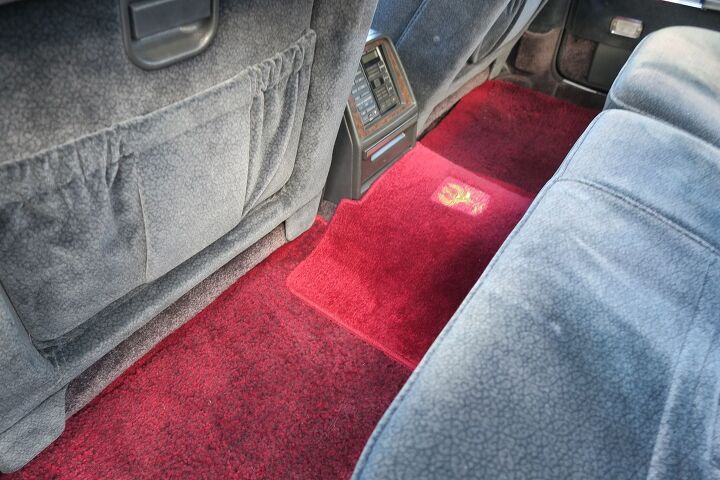
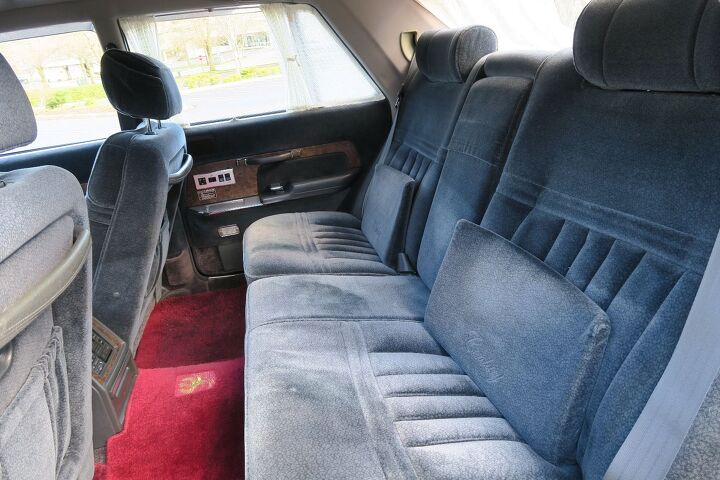
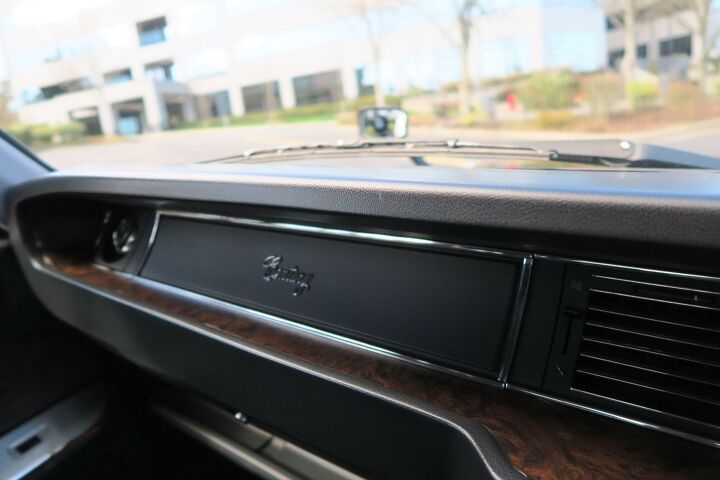
The interior of better-specified examples will contain the luxurious wool cloth you see here. Leather is just too loud; its shine too flashy.
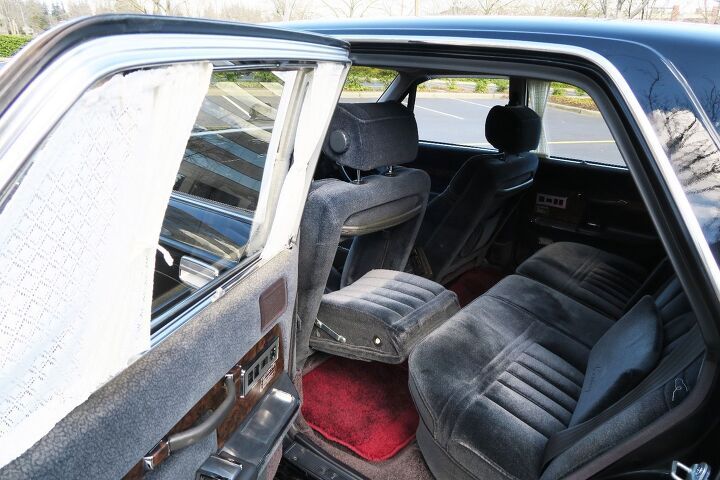
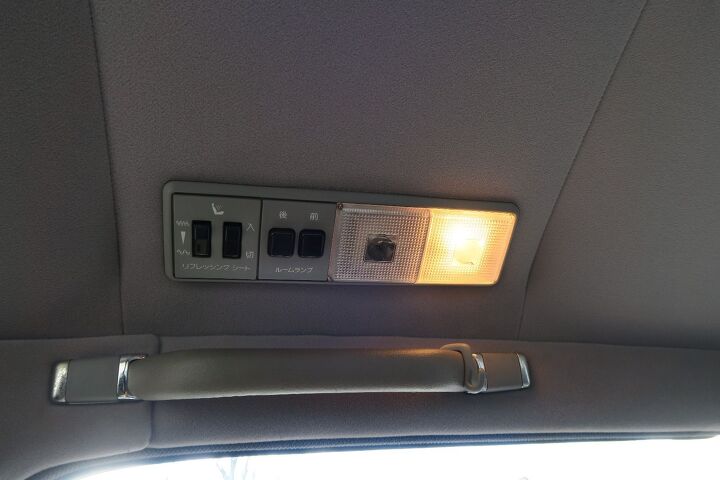
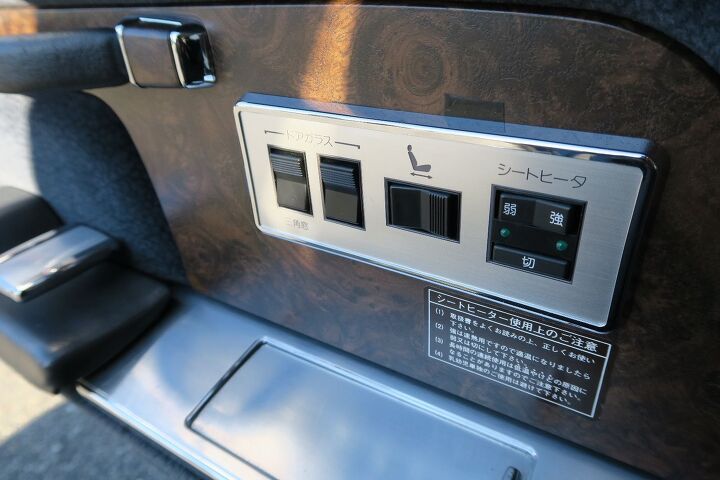
The back seat is a space of lavish comfort, passenger controls, leg rest/pass-through, and factory-fitted throw pillows.
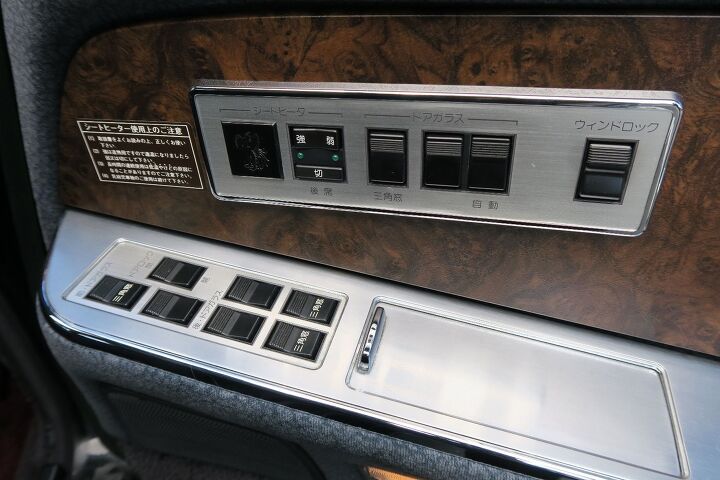
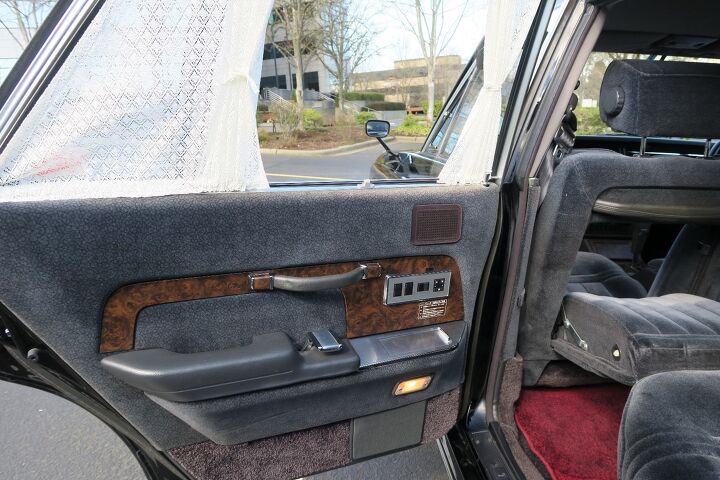
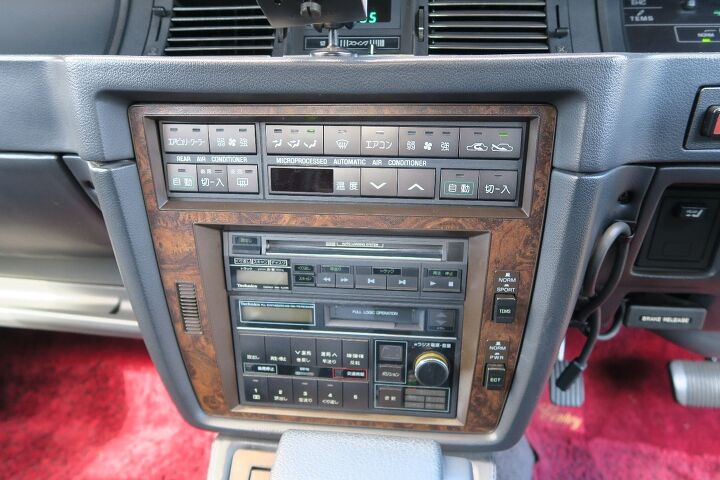
Numerous power options were available, of course, but I can’t read any of the buttons to tell you what they do.
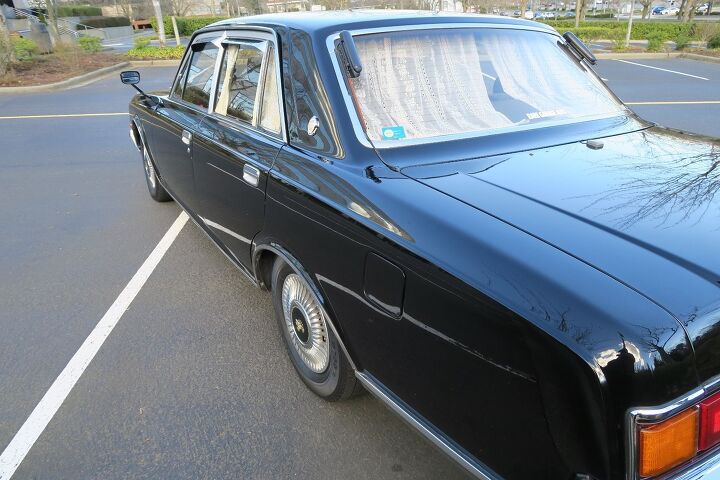
The exterior has a bit of extra festoonery, which look to be some sort of early phone antennae and rain guards. Might have to get those off of there as they’re quite unsuitable.
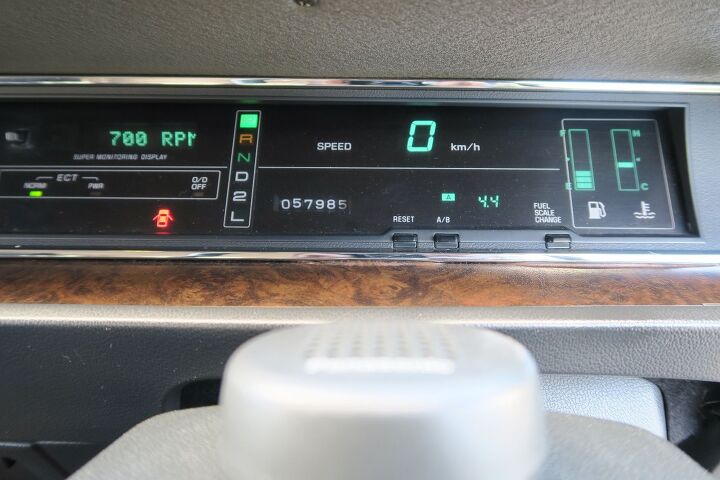
The eBay auction has four days left, and no bids at the seller’s starting price of $8,000, which is hardly a big ask for a vehicle of this caliber with 36,000 original miles (though the reserve is unknown). I’ll leave you with the video below, which has an English voiceover and explains the majesty and hand-crafted nature of each Toyota Century.
At least we’ll always have the memories.
[Images via eBay]
Interested in lots of cars and their various historical contexts. Started writing articles for TTAC in late 2016, when my first posts were QOTDs. From there I started a few new series like Rare Rides, Buy/Drive/Burn, Abandoned History, and most recently Rare Rides Icons. Operating from a home base in Cincinnati, Ohio, a relative auto journalist dead zone. Many of my articles are prompted by something I'll see on social media that sparks my interest and causes me to research. Finding articles and information from the early days of the internet and beyond that covers the little details lost to time: trim packages, color and wheel choices, interior fabrics. Beyond those, I'm fascinated by automotive industry experiments, both failures and successes. Lately I've taken an interest in AI, and generating "what if" type images for car models long dead. Reincarnating a modern Toyota Paseo, Lincoln Mark IX, or Isuzu Trooper through a text prompt is fun. Fun to post them on Twitter too, and watch people overreact. To that end, the social media I use most is Twitter, @CoreyLewis86. I also contribute pieces for Forbes Wheels and Forbes Home.
More by Corey Lewis










Comments
Join the conversation
I like this website so much more because of this article. :)
My second-favorite Toyota. The Crown Comfort, still a constant presence in Japanese traffic in all manner of liveries, is my first favorite. "If it ain't broke" styling and unimpeachable reliability.