


NHTSA Investigating Waymo Self-Driving Cabs After School Bus Incident

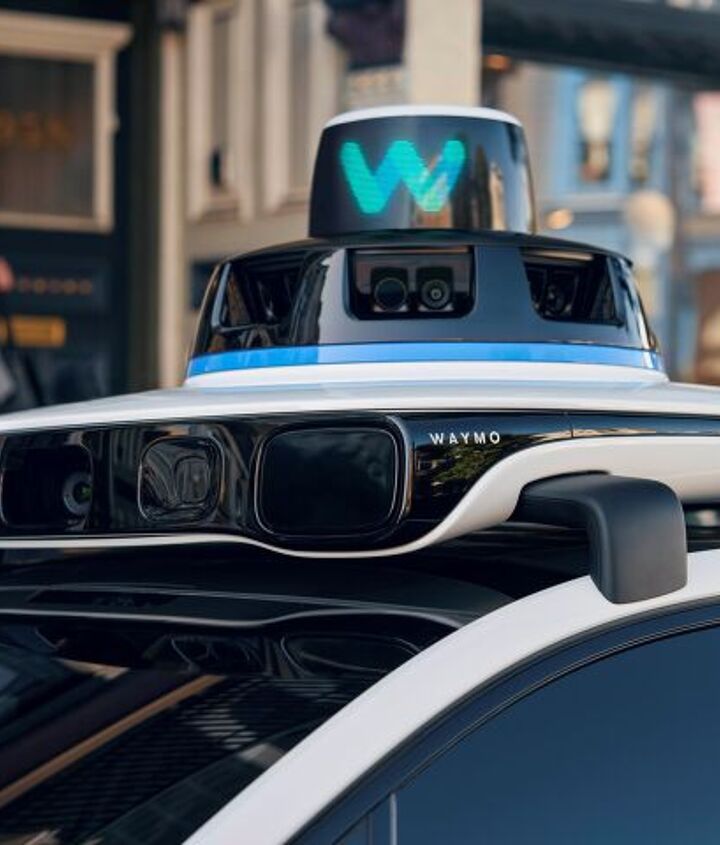
Waymo is under investigation by the National Highway Traffic Safety Administration (NHTSA) following claims that one of its autonomous vehicles illegally went around a stopped school bus.
The alleged incident took place in Atlanta, Georgia, on September 22nd, 2025. According to the NHTSA, the bus was dropping off students and the Waymo vehicle simply went around — making an illegal maneuver in the process.
From the NHTSA:
The Office of Defects Investigation (ODI) identified a media report involving a Waymo [autonomous vehicle] that failed to remain stopped when approaching a school bus that was stopped with its red lights flashing, stop arm deployed, and crossing control arm deployed. In the incident, the Waymo AV approached the right side of the stopped school bus from a perpendicular side street. The AV initially stopped, but then drove around the front of the bus by briefly turning right to avoid running into the bus’s right front end, then turning left to pass in front of the bus, and then turning further left and driving down the roadway past the entire left side of the bus. During this maneuver, the Waymo AV passed the bus’s extended crossing control arm near disembarking students (on the bus’s right side) and passed the extended stop arm on the bus’s left side.
At the time of the incident, the Waymo AV was operated by Waymo’s 5th Generation Automated Driving System (ADS). No safety operator was present in the vehicle. Waymo’s ADS surpassed 100 million miles of driving in July of 2025. Operations involving Waymo’s ADS currently accumulate approximately two million miles per week. Based on NHTSA’s engagement with Waymo on this incident and the accumulation of operational miles, the likelihood of other prior similar incidents is high.
Regulators estimate that the relevant software is equipped to roughly 2,000 Waymo vehicles, all of which are now under an appraisal. The Office of Defects Investigation has launched a Preliminary Evaluation in a bid to determine how those vehicles act around stopped school buses. The NHTSA wants to see how Waymo handles traffic laws pertaining to buses (they’ve been troublesome for AVs in the past) and see if this is part of a bigger issue with the tech.
We certainly don’t have sufficient information to determine that ourselves. However, there is a sense that self-driving systems still have some blind spots needing to be addressed. A lot of the technology bordered on being miraculous when it debuted. But the novelty is largely gone now and people have become much more critical of what it has generated.
While investigations into companies offering so-called autonomous driving features have started to become more commonplace, the U.S. government has been quite lenient overall. The Department of Transportation may have a dedicated safety assessment for AVs and a council dedicated entirely to self-driving vehicles. But most of the safety evaluations are determined by the relevant companies, who really only need to appease whatever state they happen to be testing within.
Some states do have restrictions about testing these cars on public roads. However, that usually just pertains to whether or not they’re supposed to have someone in the driver’s seat. Sadly, we’ve already seen an Uber-owned test vehicle with an inattentive safety driver take a life. Meanwhile, unmanned autonomous vehicles from other companies have continued to operate in places like San Francisco despite strong opposition from local residents.

Mishaps aren’t exactly rampant, nor are they totally uncommon. However, it frequently takes a string of highly publicized failures (or one very serious incident) for the federal government to actually launch a formal investigation. Whether we’re discussing legislation or preexisting regulations, the government tends to be very accommodating to the AV businesses involved.
According to the NHTSA report, the Waymo was sans-driver and utilizing the company’s fifth-generation software used to control the vehicle’s automated system. Waymo has since said that it has updated the software to avoid similar instances and has more coming. But the obligatory software update has become a catch-all excuse for automotive firms.
Granted, since software basically controls everything in today’s vehicles, it’s understandable that a reflash would be part of the recipe. But that doesn’t keep it from feeling like lip service whenever a major manufacturer is looking at a probable recall. The same goes for whenever a self-driving Waymo vehicle runs over someone’s dog, strikes someone on a bicycle, or traps a passenger inside.
Officially, Waymo has claimed that the bus was blocking a driveway its driverless taxi was attempting to exit and that the sensors did not pick up its flashing lights. We suppose that could have happened to a human driver and likely does everyday in America.
But it’s hard not to feel like the sun could be setting on autonomous technology. Ford abandoned its autonomous joint-venture with Volkswagen (Argo AI) in 2022. General Motors abandoned its own Cruise robotaxi business in 2024 due to it not being profitable, not to mention how overtly loathed the vehicles became by the local populace. While we’ve seen other autonomous namesakes go under, legacy manufacturers have suggested they’re simply pivoting focus back to advanced driver assistance systems (ADAS).
Those have become downright common in modern passenger vehicles, often installed as standard equipment with room to option up slicker features. However, those similarly appear to be falling out of favor. Despite over a decade of testing on modern drivers, the relevant systems still aren’t perfect and come with sensor arrays that make repair costs ludicrously expensive relative to older models. Privacy is another factor. With more people becoming aware of how willing manufacturers are willing to hand over the private information of their customers, the notion of having 360-degree camera arrays permanently affixed to connected cars is becoming less appetizing.
However, the real concern is how poorly these systems function to begin with. Hands-free driving discourages motorists from paying attention by the nature of its design. But it will issue warning chimes (or shut down entirely) if the vehicle detects that you’re not keeping your eyes on the road. This is were mass-market "self driving" currently exists.
Meanwhile, other ADAS systems will find themselves struggling as roadway conditions change. Accumulate too much road debris on a camera and you just might lose a few features. Some fresh snow can also trick lane keeping into thinking you’re not on the correct path, with the vehicle potentially steering itself somewhere you didn’t want it to go. Plenty of advanced driver assistance systems, including the soon-to-be-mandatory automatic emergency braking, likewise don’t work as well when it gets dark outside.
Things have certainly improved over the years and Waymo arguably has a better track record than some of its rivals. But many of us continue to wonder if the juice is worth the squeeze, as all of this flawed tech drives up vehicle prices without necessarily creating a safer environment or better driving experience. Whether we’re discussing the ADAS features you have equipped in your own automobile or the self-driving tech being baked into robotaxis, the final execution still leaves a lot to be desired.
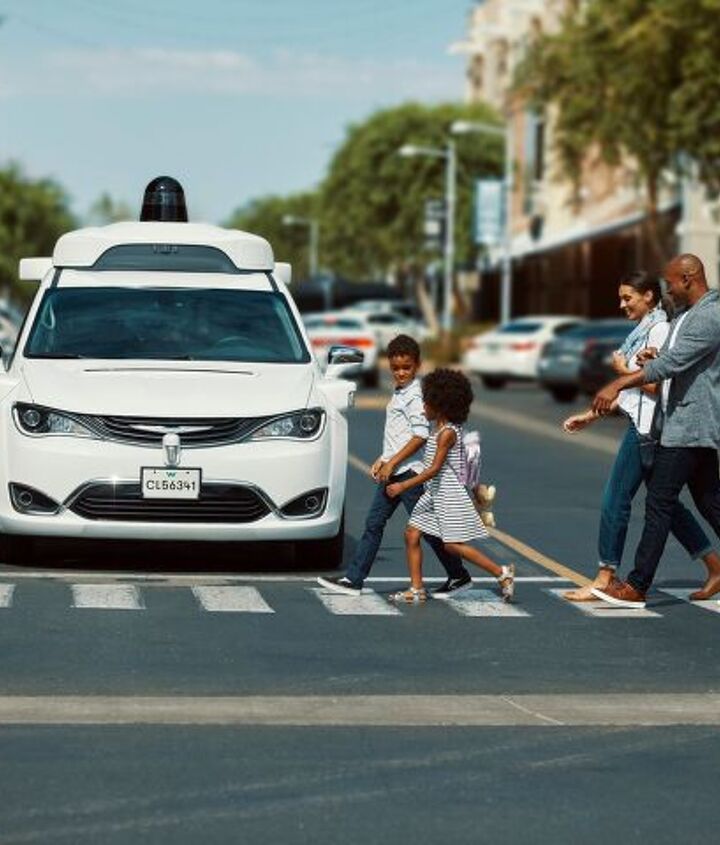
[Images: Waymo]
Become a TTAC insider. Get the latest news, features, TTAC takes, and everything else that gets to the truth about cars first by subscribing to our newsletter.
Consumer advocate tracking industry trends and regulations. Before joining TTAC, Matt spent a decade working for marketing and research firms based in NYC. Clients included several of the world’s largest automakers, global tire brands, and aftermarket part suppliers. Dissatisfied, he pivoted to writing about cars. Since then, he has become an ardent supporter of the right-to-repair movement, been interviewed about the automotive sector by national broadcasts, participated in a few amateur rallying events, and driven more rental cars than anyone ever should. Handy with a wrench, Matt grew up surrounded by Detroit auto workers and learned to drive by twelve. A contrarian, Matt claims to prefer understeer and motorcycles.
More by Matt Posky




Comments
Join the conversation
As I've said for a long time, this AV experiment will end in a courtroom after children get hurt.
It's going to be easier to defend this than SCE thinks. Like it or not, the legal system assigns a pretty specific value to deaths. There isn't a lot of room for massive inflation of damages here. And insurers will pony up to cover a few such claims if they believe the tech will save claims overall. Given how completely terrible human drivers are, it almost certainly will.