
EV Fast-Charging Ports Grow by 30,000 as EV Sales Fall Off in 2025
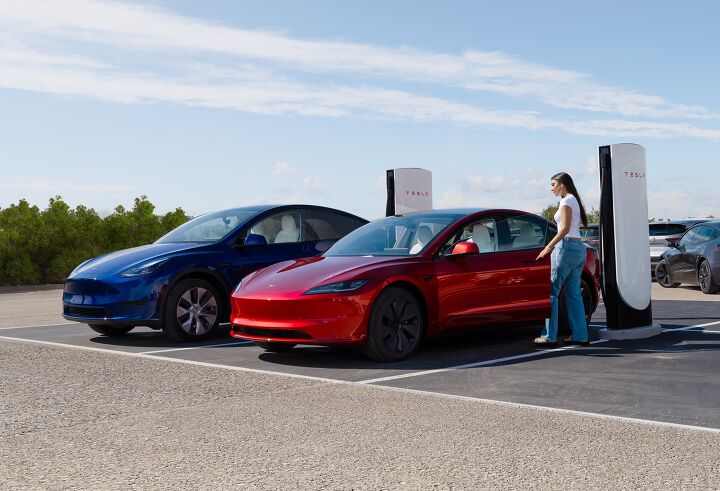
Charging anxiety replaced range anxiety as one of the top issues potential electric vehicle buyers grappled with in the last two years. A new report reveals that public DC fast-charging port installations grew 30 percent last year — just as EV sales are plummeting.
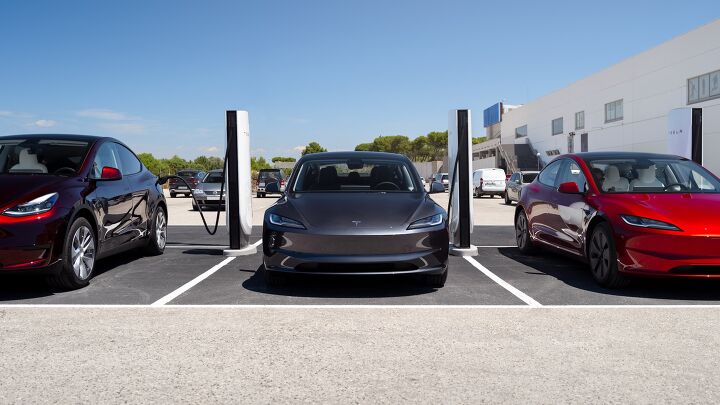
Although electric vehicle sales are waning in the wake of the end of the $7,500 federal tax credit, the 141 million fast-charging sessions — also a 30 percent year-over-year increase — show that the more charging stations are needed, according to a report from Paren, a, EV and charging analytics firm.
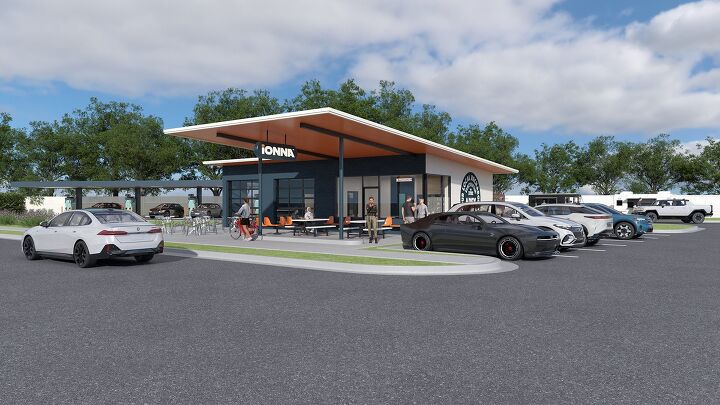
The 18,000-port increase surpassed earlier predictions of 16,700 ports, but improved efforts by companies like Mercedes Benz HPC (+193 percent), Ionna (+48 percent), and Red-E (+43 percent) pushed the number well past the predicted number.
And while there are more companies than ever working to expand the network, Tesla remains the dominant player in the segment, adding nearly 6,800 Supercharger ports across the U.S. last year. How dominant? Tesla’s 2025 total (6,786) was more than the remainder of the top 10 list combined (6,184).
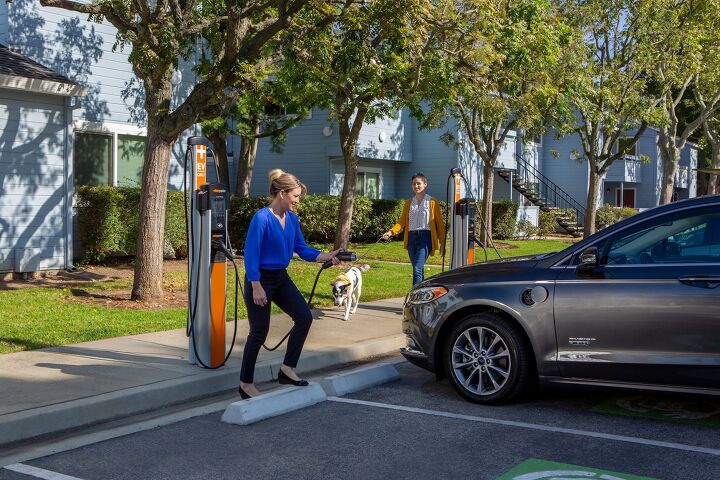
However, there are now more than 120 companies installing charging ports in the U.S. ChargePoint was second on the list, installing 976 new fast-chargers last year followed by Red E (854), EV Connect (785), and Blink (659).
The forecast for 2026 is not as rosy. Paren predicts an 8 percent increase to 19,500 fast chargers, noting as the network gets bigger, the gains slow down. Not only are there 18,000 new fast-charging ports now, the overall improvement in the reliability of the network has grown at the same time, Paren noted in the report.
That reliability number can be attributed to two things: a push to improve reliability by the existing players and Tesla’s continual reliability. In addition to becoming more reliable, they’re more powerful on average. The number of ports capable of 250 kW charging grew from 27 percent at the start of last year to 51 percent at the end of 2025.
The shift to the Tesla charging standard, now the North American Charging Standard (NACS), is underway. The standard is best described as the type of charging port used to charge the vehicle. Initially, there were at least three different connectors used by EVs, but in 2023 EV makers began shifting to Tesla’s setup, which later became the NACS.
However, change takes time. As of Q4 2025, 75% of installed ports at non-Tesla networks remained CCS. NACS ports only stood for 5% of the total ports available outside of Tesla Superchargers.
The U.S. Department of Energy claims by 2030, the country will need 28 million EV charging ports to support 33 million electric vehicles. Before being overwhelmed, note the vast majority of those charging ports — 25.7 million — will be home chargers. More than 1 million will be Level 2 public chargers and 182,000 will be public DC Fast Chargers.
[Images: Tesla, Chargepoint, Ionna]
Become a TTAC insider. Get the latest news, features, TTAC takes, and everything else that gets to the truth about cars first by subscribing to our newsletter.

Michael Strong has spent more than 25 years writing about the automotive industry. A Detroit-area native, he’s written about everything from local car shows to product reviews to financial news. Currently he writes and edits for a variety of national and local publications. He’s also a longtime member of the Automotive Press Association and the International Motor Press Association, and a graduate of Georgia Southern University. Hail Southern! Despite a love for ’70s land yachts and BMWs from the late ’80s and early ’90s, his personal vehicle is neither of those.
More by Michael Strong








Comments
Join the conversation
& how many were vandalized?
& how many would i see in NYC? - after i crossed the GWB into the Bronx more than 15 years ago, i didn't see even 1 regular gas station! hugging the Hudson River all the way to Manhattan!
I recently got a 2024 IONIQ 5. Most days I drive 20 to 50 miles. I’ve been able to keep the car near its starting charge just with a level 1 AC plug overnight. If I go on a longer trip there are so many new charging spots open in just the last year, plus Tesla chargers with a $60 adapter.
The charging experience has been easy. IONNA chargers just use contactless payment like a gas pump, no membership or apps needed. The Hyundai has 800volt architecture that handle 350kw speeds. In the cold it’s slower but I went from 30% to 80% in 15 minutes.
Cost per mile with this home/public method is about 3¢/mile. My 35mpg Golf costs 8¢/mile of regular.