
Junkyard Find: 1992 Daihatsu Charade SE Hatchback
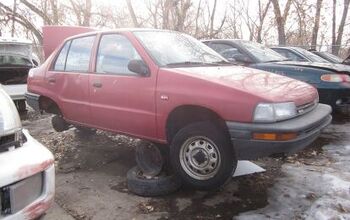
While Daihatsu has long been one of the biggest sellers of small cars and trucks in its homeland, the brand was available in the United States for just the 1988 through 1992 model years. Two models were sold here: the Rocky mini-SUV and the Charade supermini. Today's Junkyard Find is one of the very last Daihatsus sold in the United States, discovered at a Denver boneyard earlier this year.
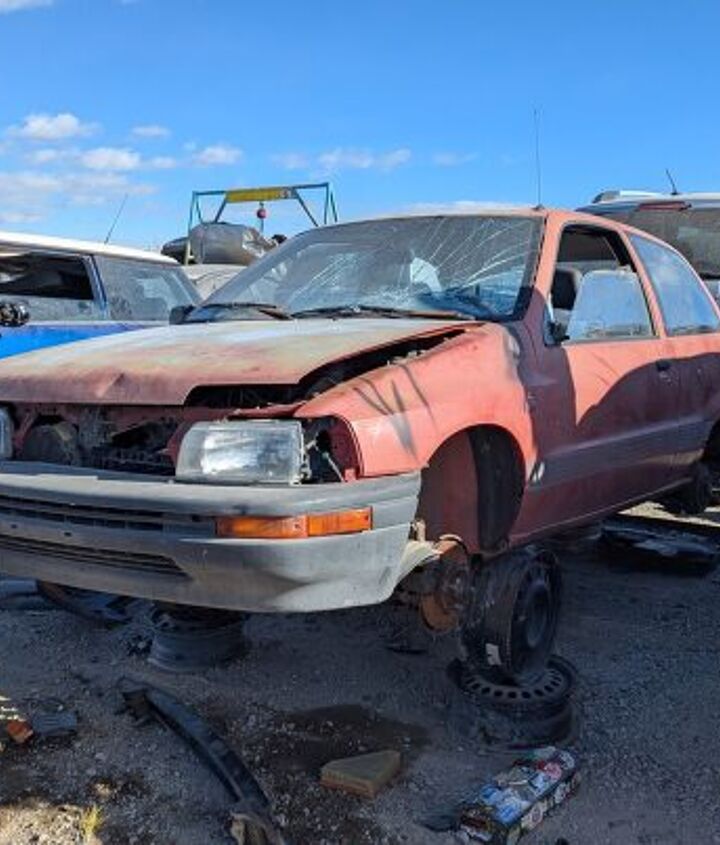
I'm always on the lookout for Daihatsus during my junkyard travels, but they have become extremely rare. It has been four years since I last spotted a discarded Rocky (and I still get desperate emails from Rocky owners asking me about it), and today's Charade is the first I've shot since 2022.
I've found that Japanese speakers don't get bent out of shape over the localized ways foreigners pronounce "Subaru" or "Mazda," but they tend to flinch when they hear us say "Die-hot-sue" with the long U at the end. I try to get it less wrong when I'm talking Copens or Canbuses with car freaks in Japan.
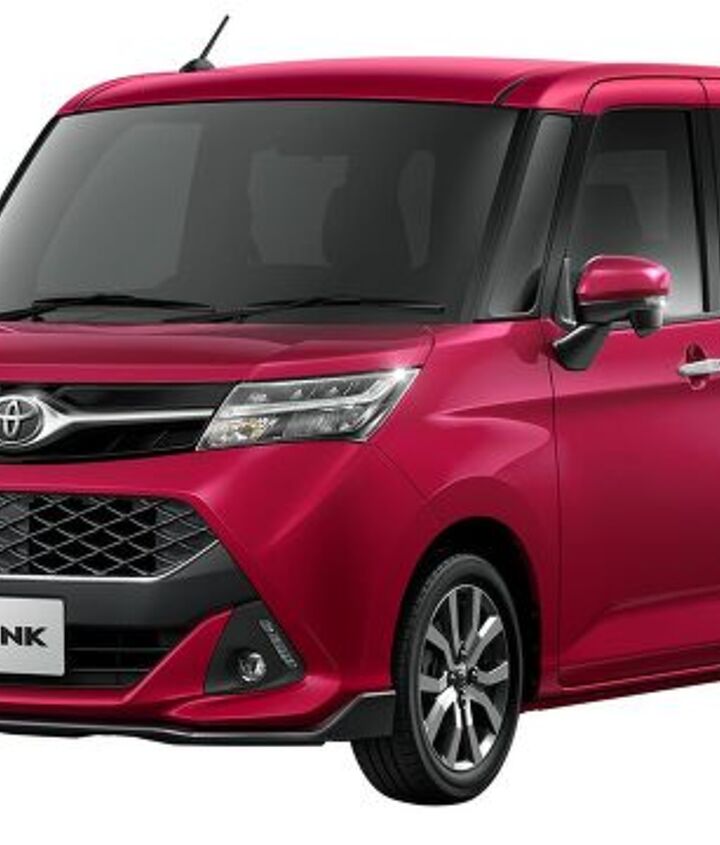
Toyota first bought a piece of Daihatsu in 1967, gradually upgrading its stake over the years. In 2016, Daihatsu became a wholly owned subsidiary of Toyota. Daihatsu has built plenty of small vehicles for Toyota over the decades, including the Toyota Tank. Toyota Tank!
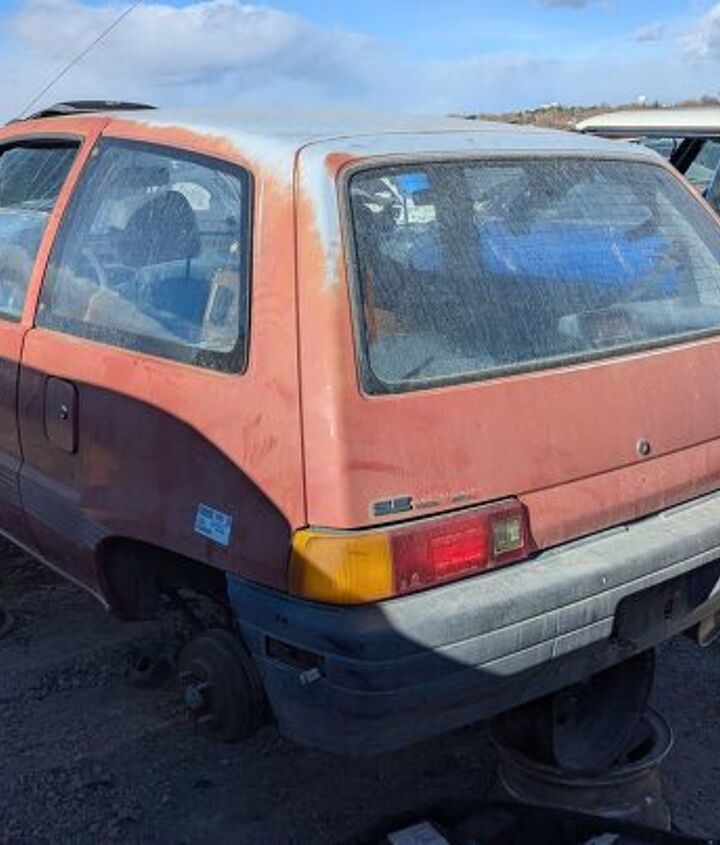
The Charade was supposed to compete for American sales with the Suzuki Cultus family ( Chevrolet Sprint/ Geo Metro/ Suzuki Swift), Ford Festiva and Subaru Justy, but car shoppers couldn't help but notice that Daihatsu's mighty business partner offered a bigger car with recognizable manufacturer's badges for about the same price: the Tercel EZ.
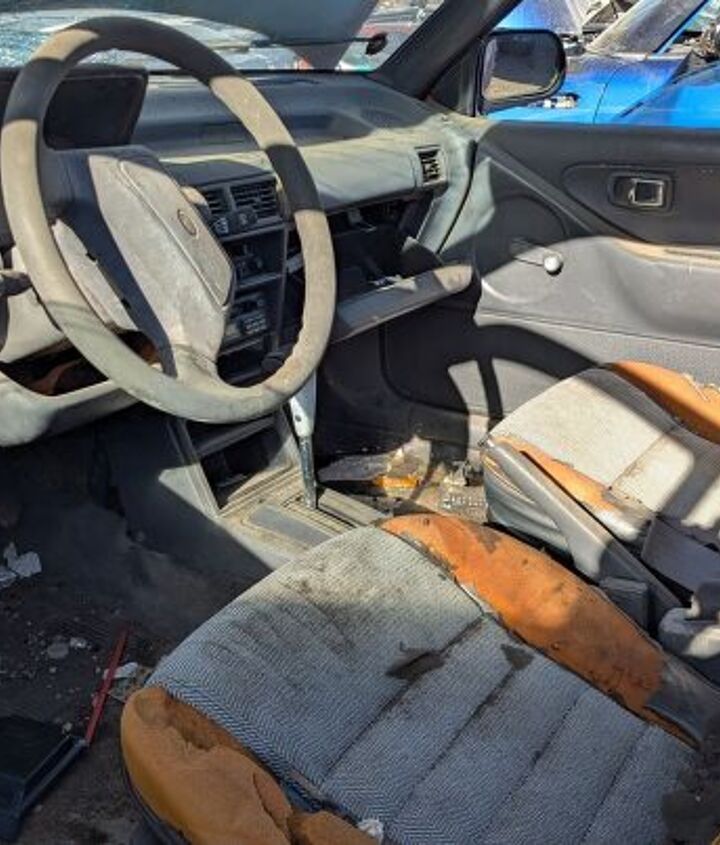
In 1990, the cheapest possible Charade (the three-cylinder SE hatchback) had an MSRP of $6,497 (about $16,522 in 2025 dollars). The most affordable 1990 Ford Festiva was $6,319 ($16,069 now), the Cheapskate Edition Geo Metro cost $5,995 ($15,245 today) and the Subaru Justy started at a mere $5,866 ($14,917 after inflation).
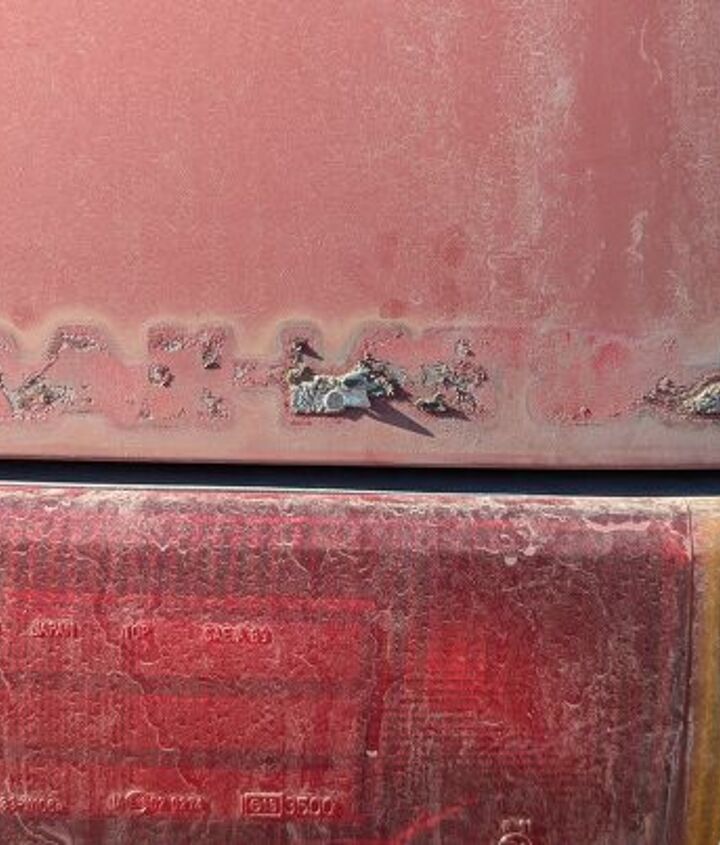
Then there was the 1990 Yugo GV and its $4,435 price tag ($11,278) and the $5,899 base Hyundai Excel/ Mitsubishi Precis ($15,001). The Charade was supposed to beat all those cars on features and build quality… but what about that $6,488 ($16,499) Toyota Tercel EZ?
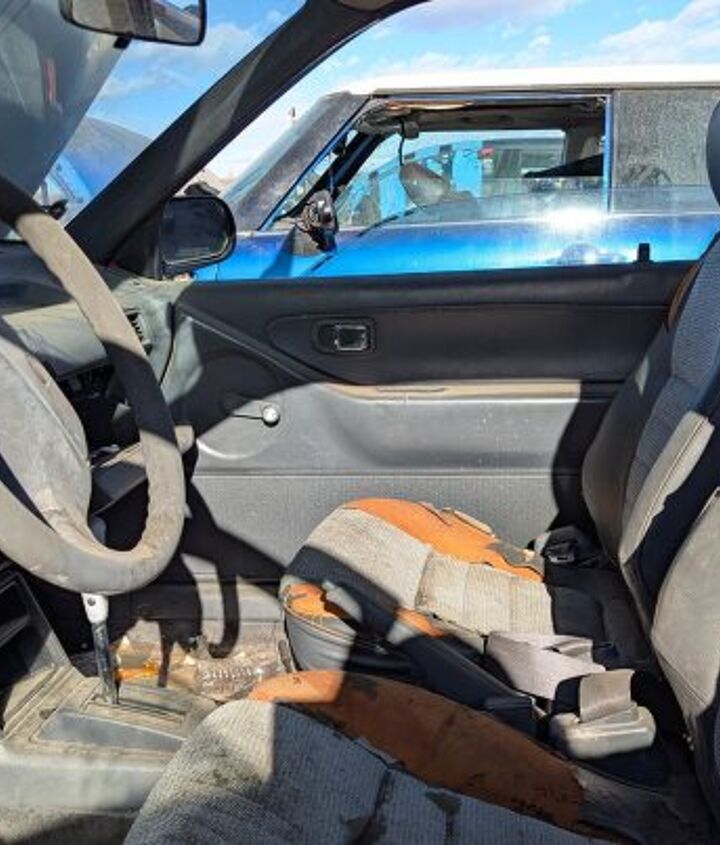
You'd think that the early-1990s recession would have encouraged car shoppers to take a longer look at cheap gas-sippers like the Charade, especially when it looked like the 1990 invasion of Iraq was going to push up gas prices. But fuel stayed cheap and SUVs beckoned.
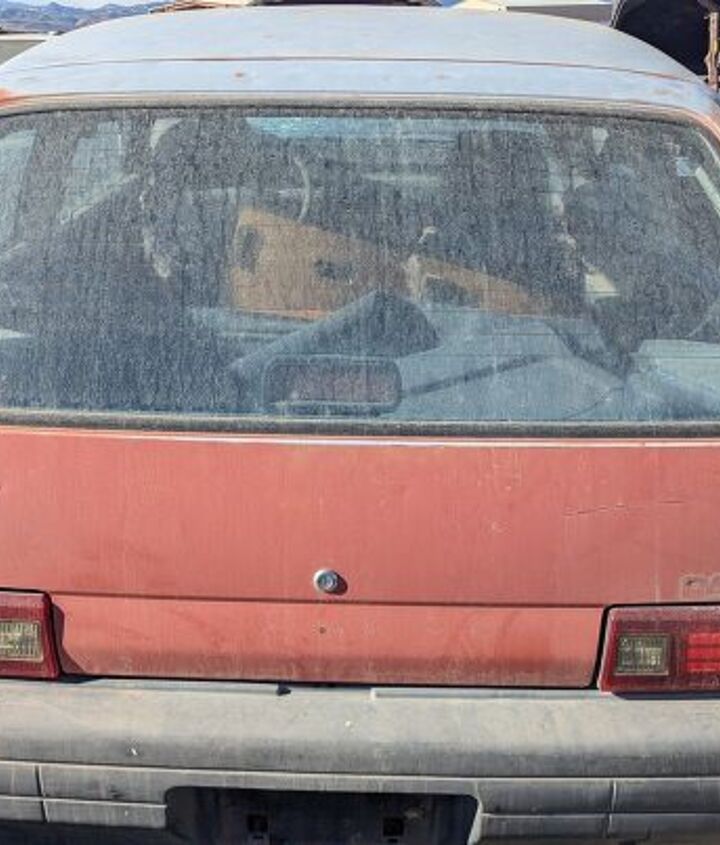
The US-market Charade was available as a four-door sedan and three-door hatchback. I've never managed to find a junkyard Charade sedan, but I will keep looking.
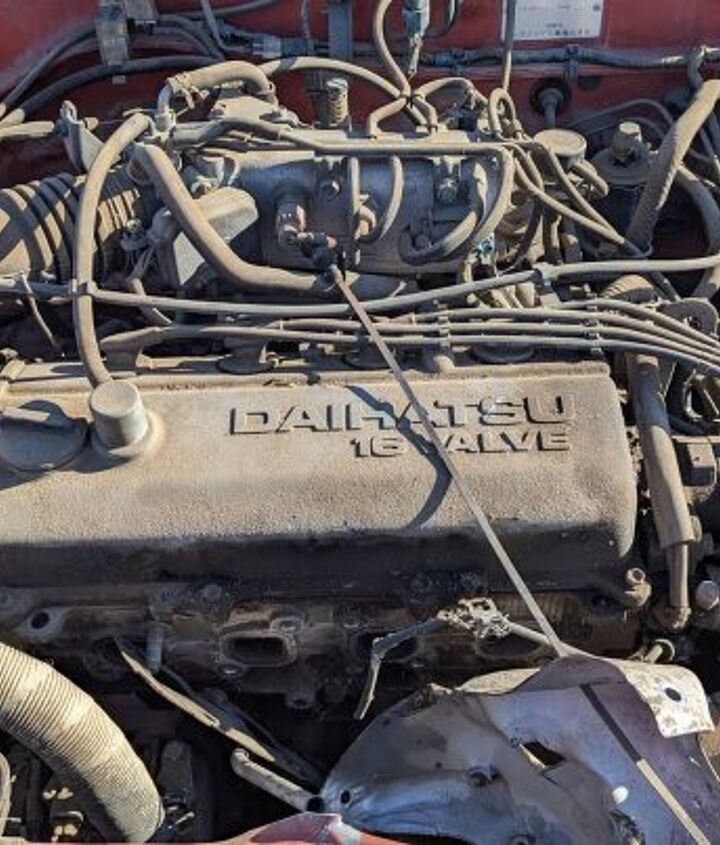
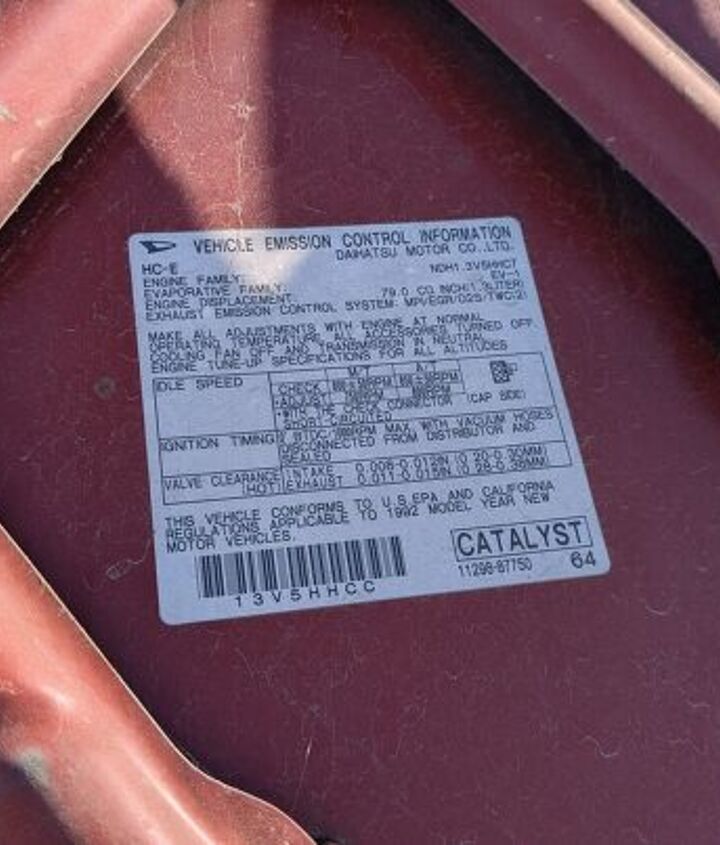
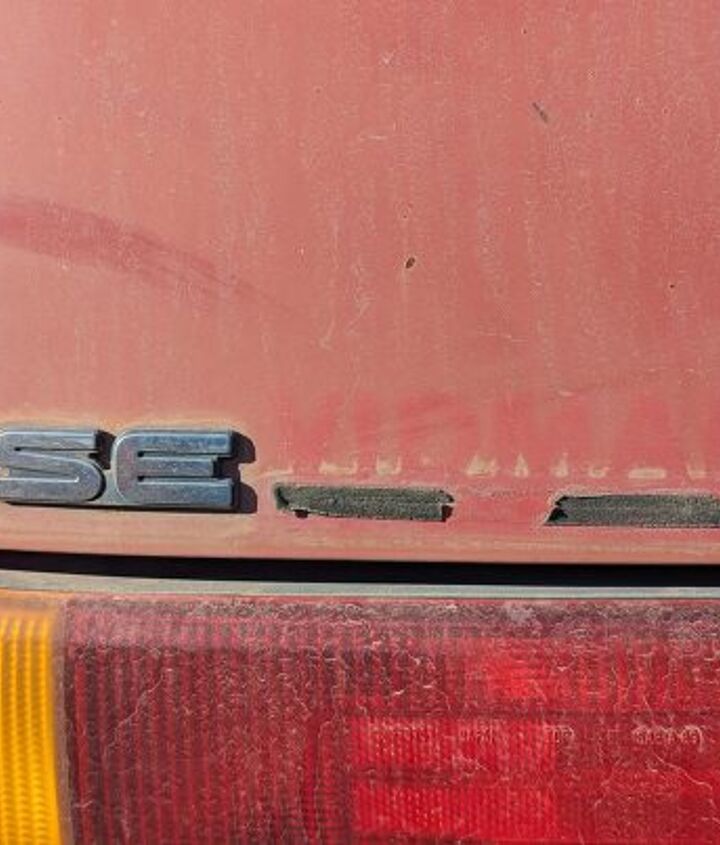
While this car has the base SE trim level, it was purchased with some major options. First of all, it has the "big-block" 1.3-liter SOHC four-banger (80 horsepower/70 pound-feet) instead of the base single-liter three-cylinder (53 horsepower/58 pound-feet).
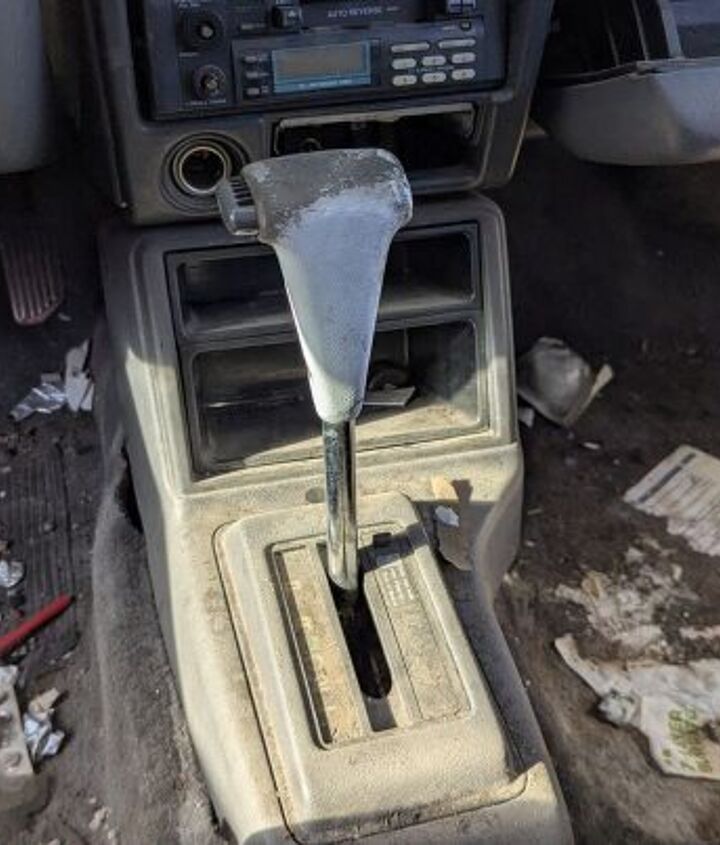
Then there's the three-speed automatic transmission, which wasn't even available on the Charade here for the first couple of years.
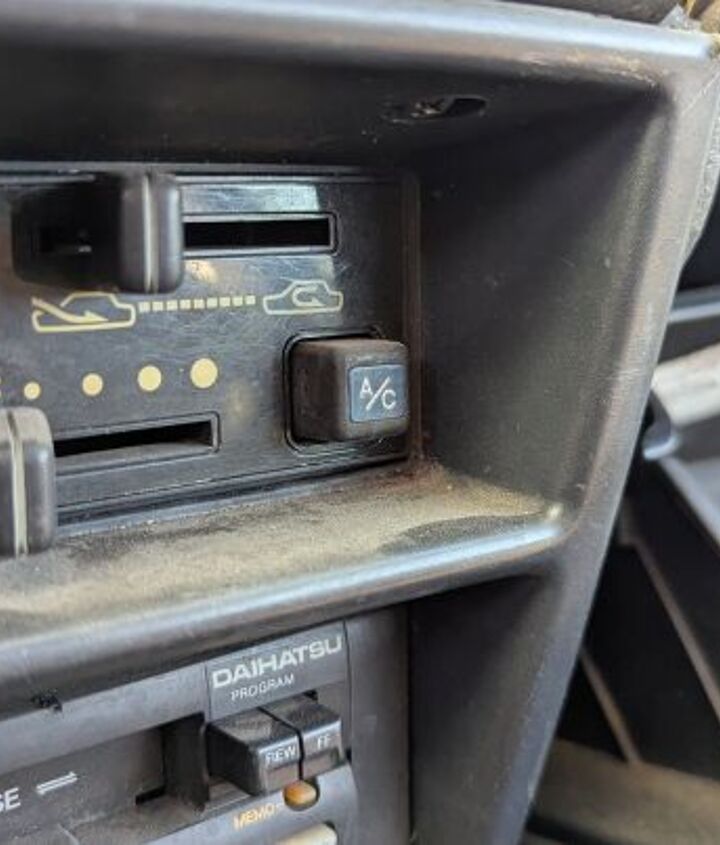
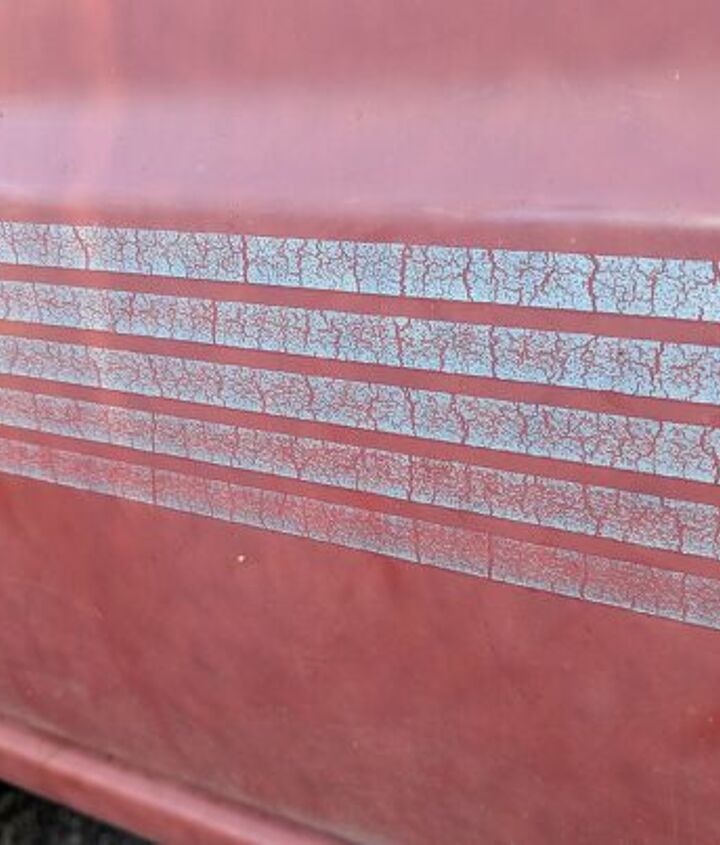
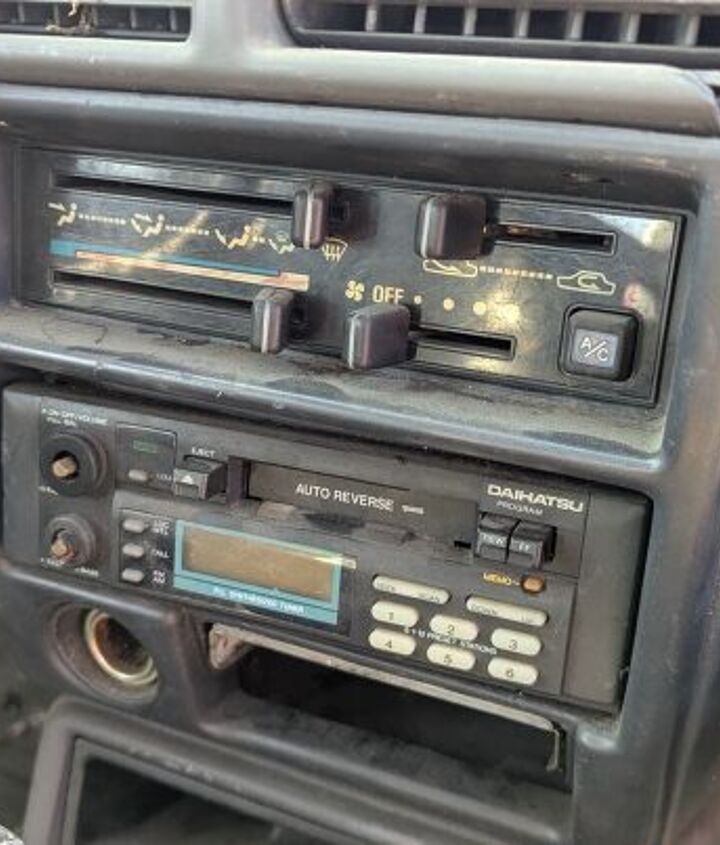
Air conditioning! Going by 1990 prices (the only trustworthy reference guides I have that include the Charade are 1989-1990 ones and online-available car prices from this era are all wrong), a new Charade SE hatchback with 1.3, automatic, air conditioning, power steering and tape stripes would have cost $8,420, or about $21,412 in today's money.
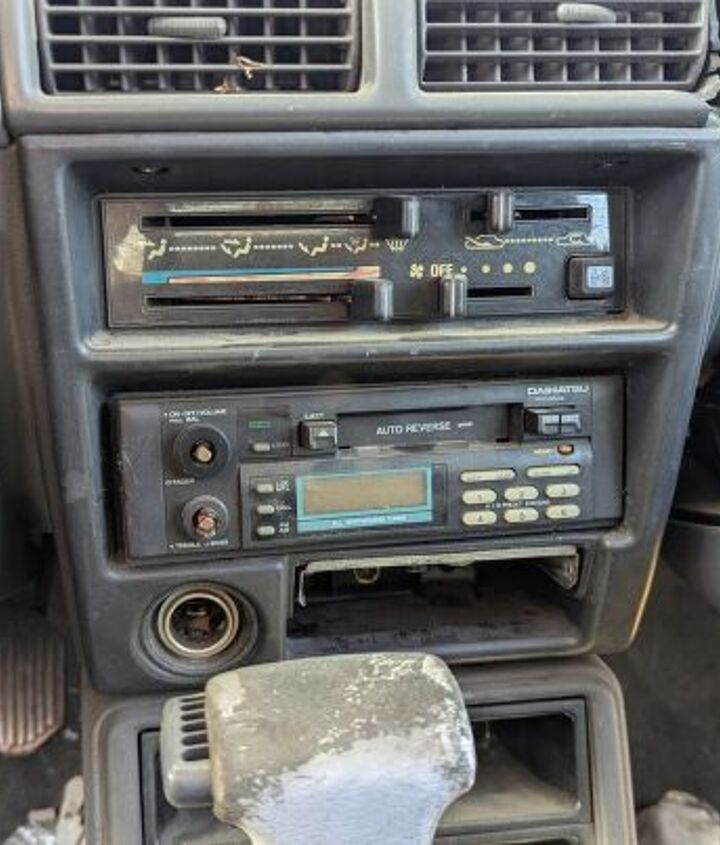
Then there's the AM/FM/cassette radio with auto-reverse and digital tuning, which listed at $375 ($654 after inflation). The passenger-side outside mirror was $88 ($224), and if this car was sold with alloy wheels they'd have been $395 ($1,004).
Let's call it about $23k in current prices, which is about what you'd pay for a new Sentra.
However, selling new Daihatsus in 1992 would have been like selling new Daewoos in 2002. The whole "doomed brand nobody's ever heard of boarding up the showroom windows" thing probably had soon-to-be-unemployed Daihatsu dealership employees desperate to move iron off the lot. We can assume that this car really was a good deal, for a buyer who didn't care about resale value.
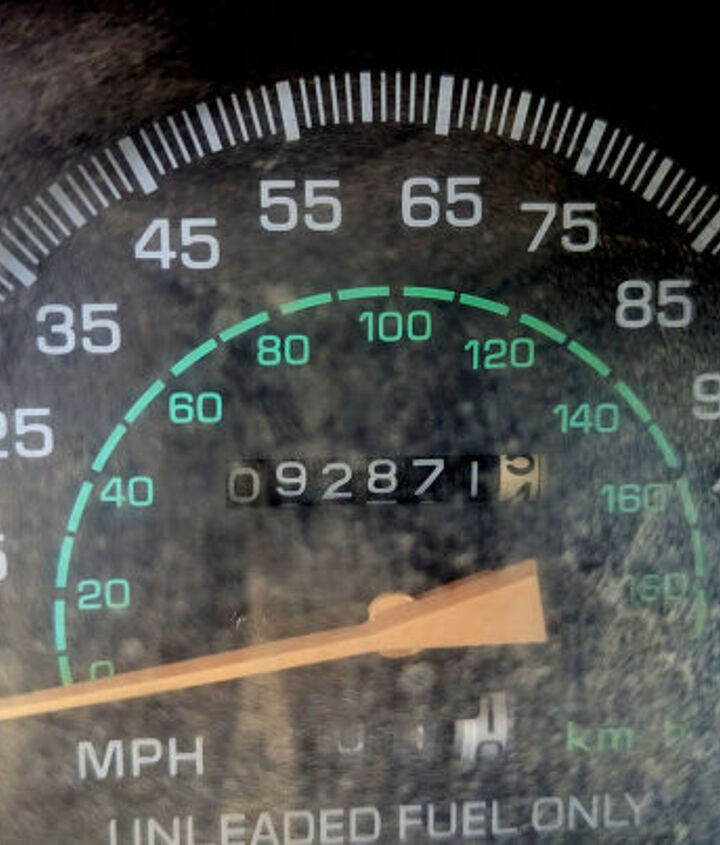
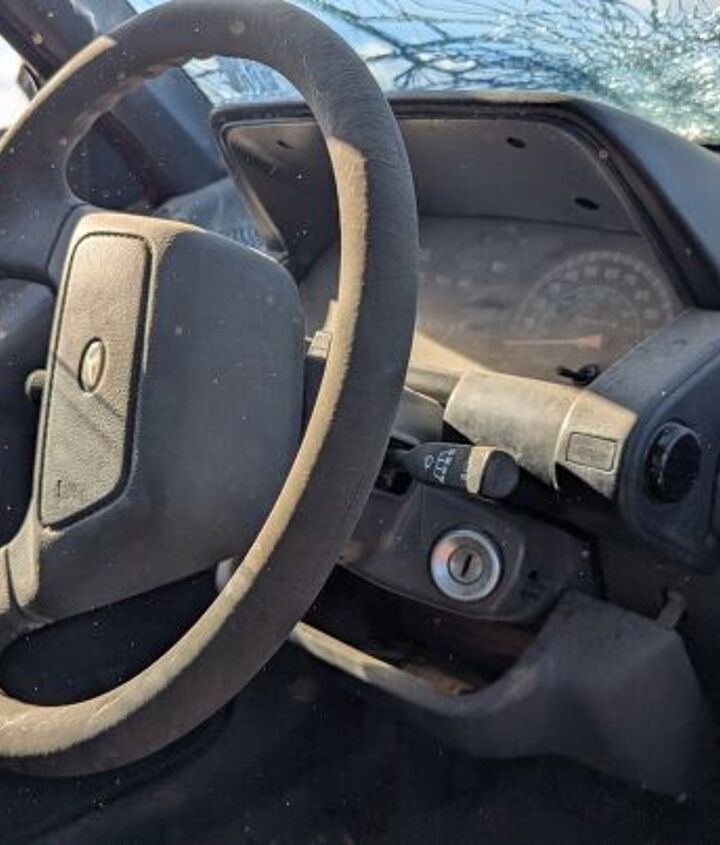
This car traveled just a bit more than 90,000 miles during its decades on the road. I've documented a junked Charade with 224,607 miles and a junked Rocky with 202,762 miles, so maybe a bit of Toyota build quality rubbed off on these cars.
One of the most respected names in Japan for over 80 years.
Don't buy your new car from Auto Inc., Colossal Cars or Mega Motors!
JDM car commercials tend to be more fun than their US-market counterparts, but this one is on the painful side.
Here's a better one for the previous generation of Charade. Yes, there were Charade Turbos in Japan.
Here's a maddeningly perky Charade ad from Australia.
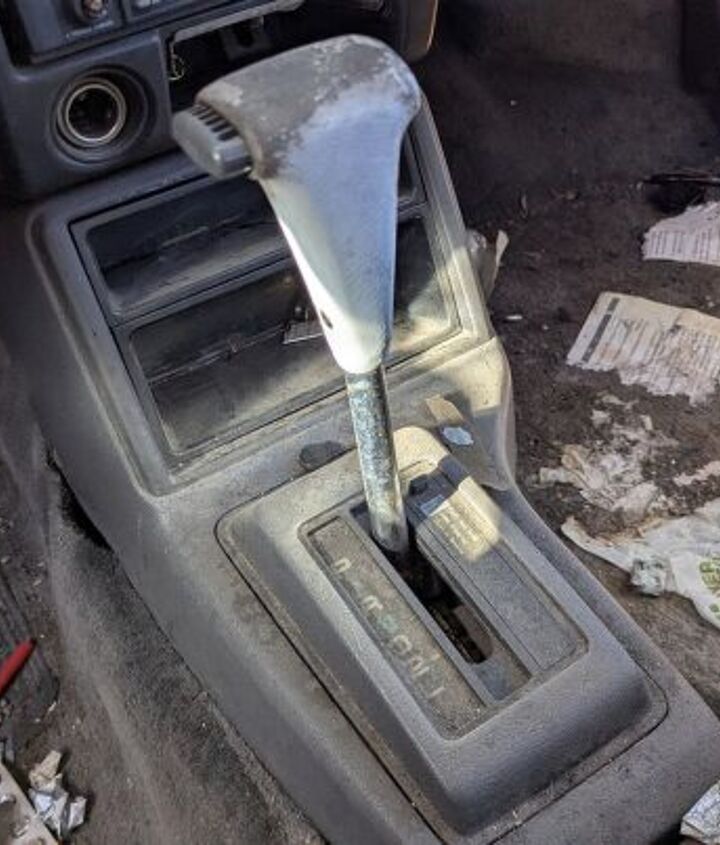
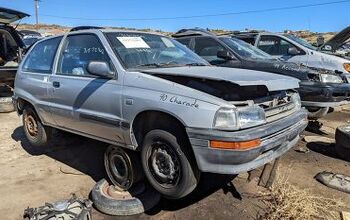
1992 Daihatsu Charade in Denver wrecking yard.
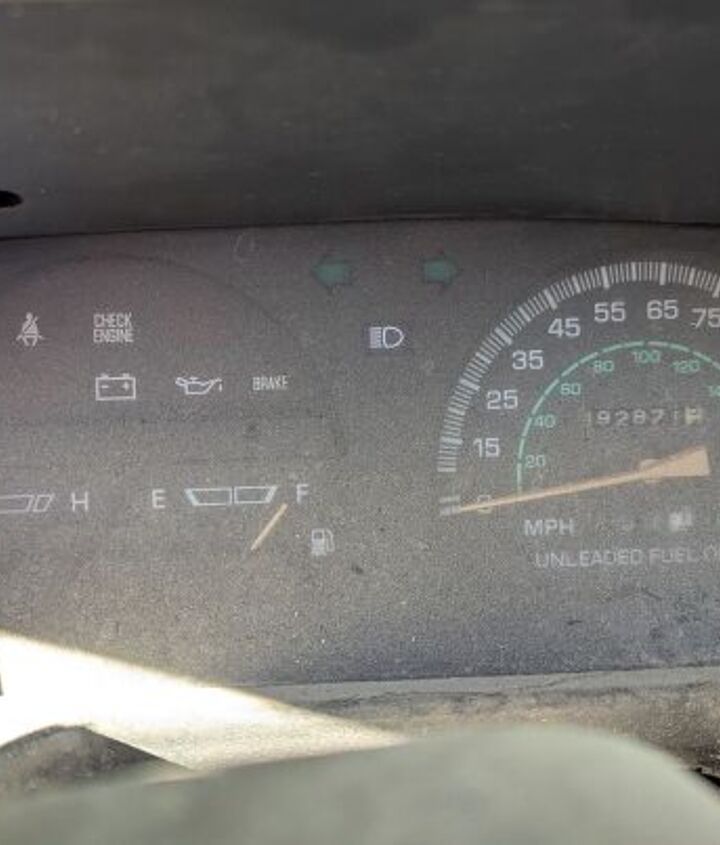
1992 Daihatsu Charade in Denver wrecking yard.
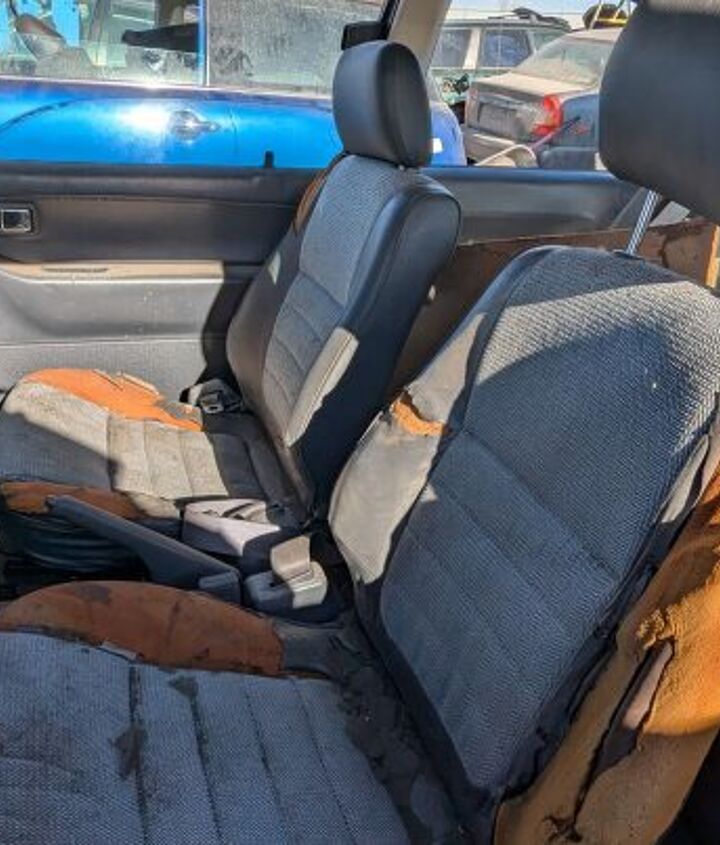
1992 Daihatsu Charade in Denver wrecking yard.
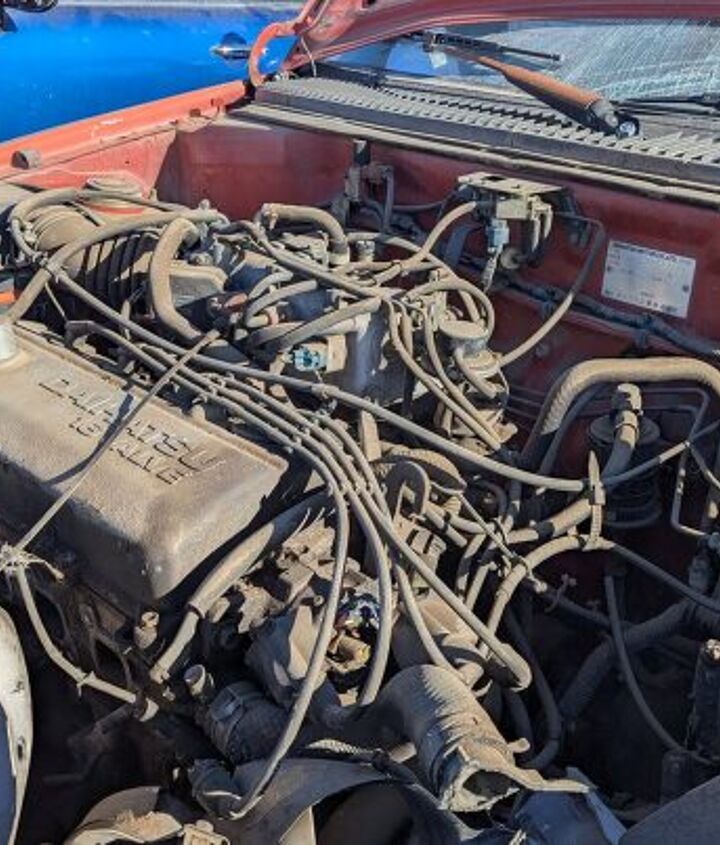
1992 Daihatsu Charade in Denver wrecking yard.
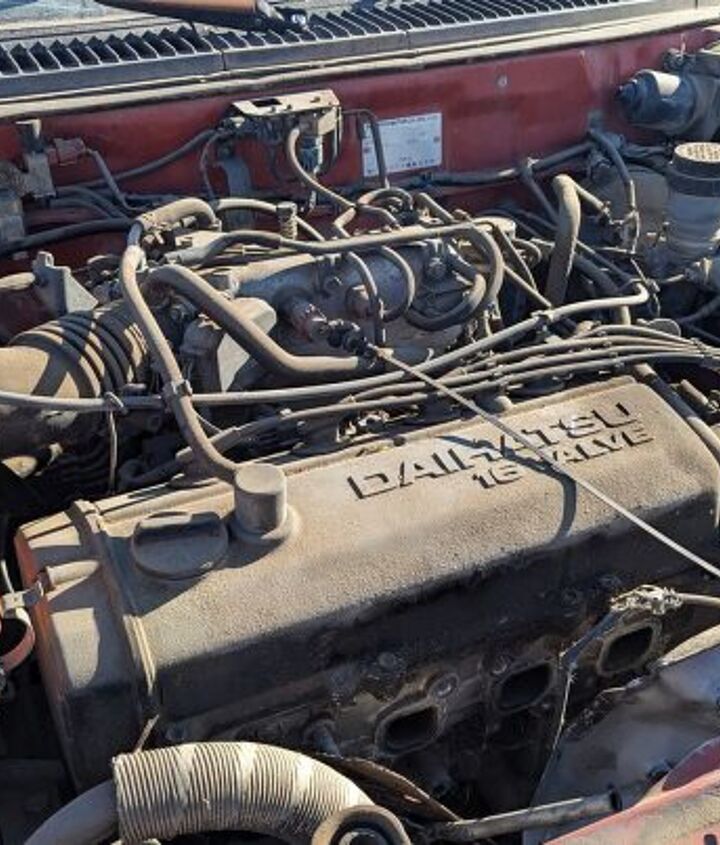
1992 Daihatsu Charade in Denver wrecking yard.
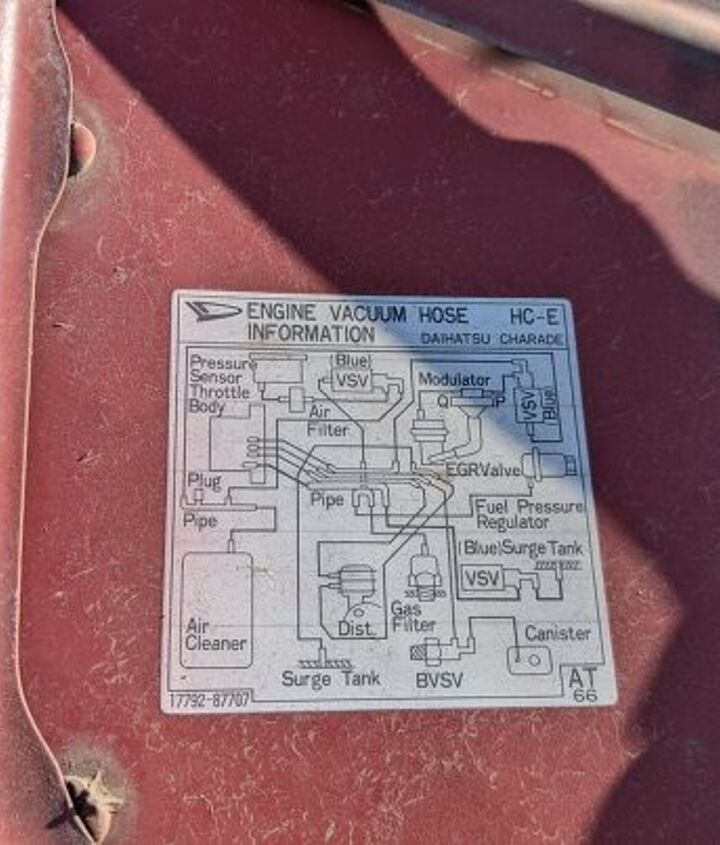
1992 Daihatsu Charade in Denver wrecking yard.
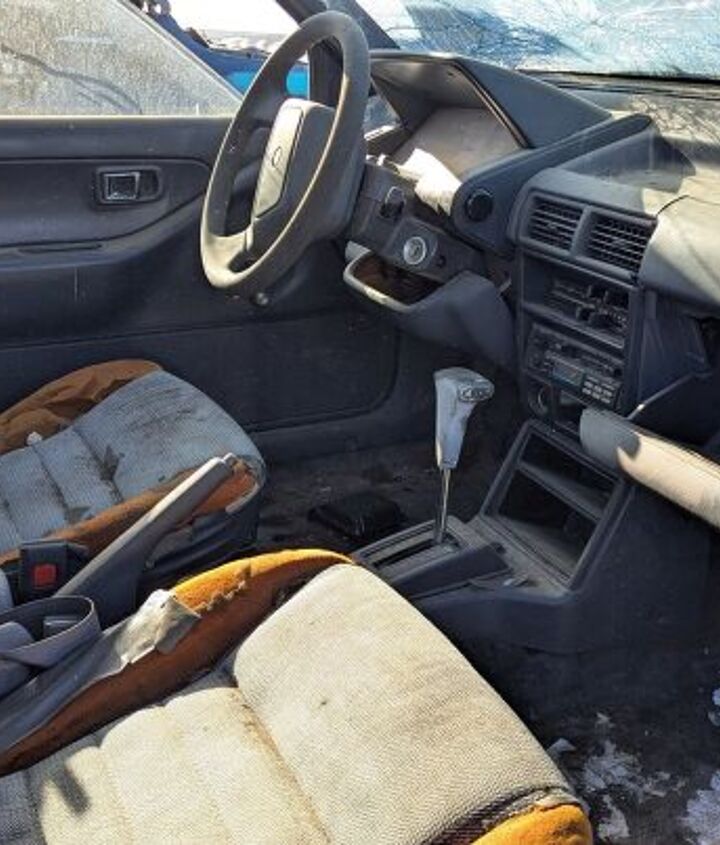
1992 Daihatsu Charade in Denver wrecking yard.
1992 Daihatsu Charade in Denver wrecking yard.
1992 Daihatsu Charade in Denver wrecking yard.
1992 Daihatsu Charade in Denver wrecking yard.
1992 Daihatsu Charade in Denver wrecking yard.
1992 Daihatsu Charade in Denver wrecking yard.
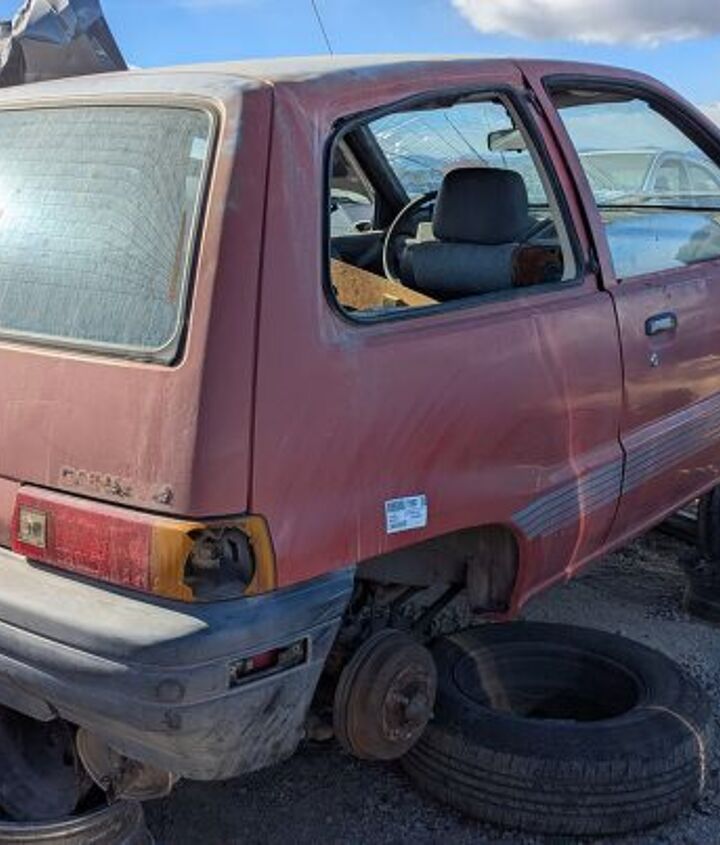
1992 Daihatsu Charade in Denver wrecking yard.
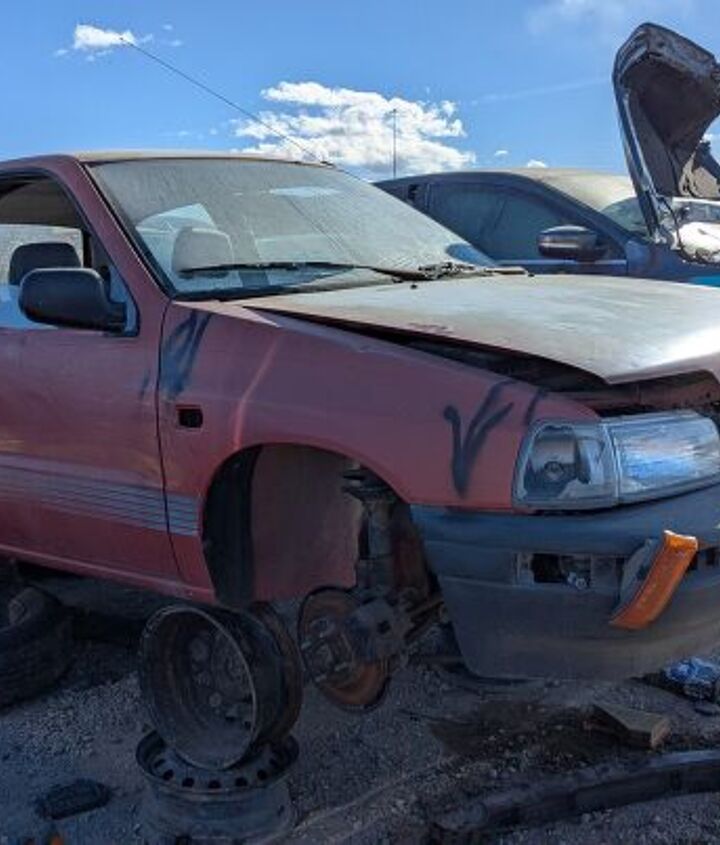
1992 Daihatsu Charade in Denver wrecking yard.
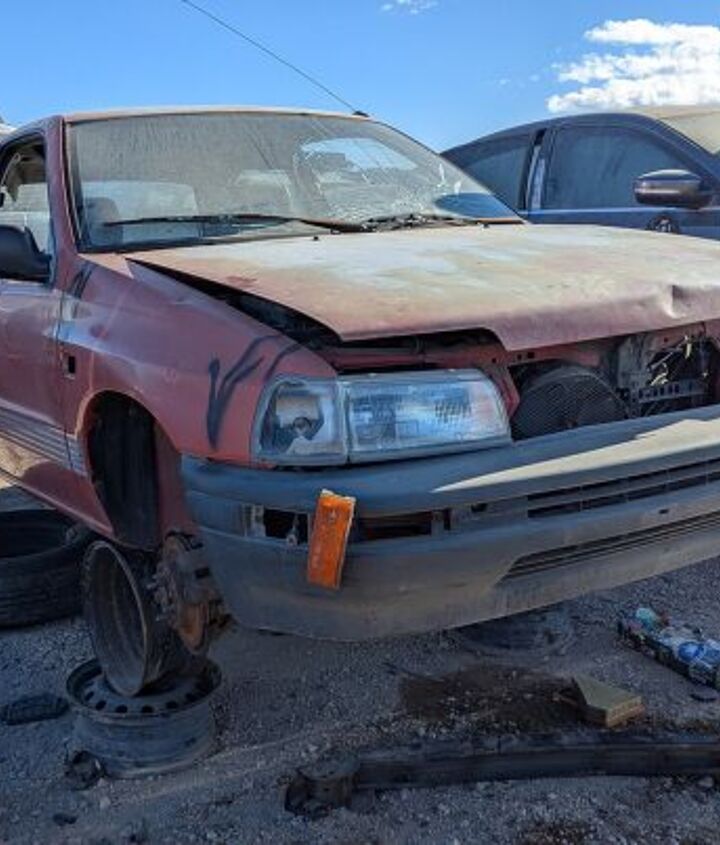
1992 Daihatsu Charade in Denver wrecking yard.
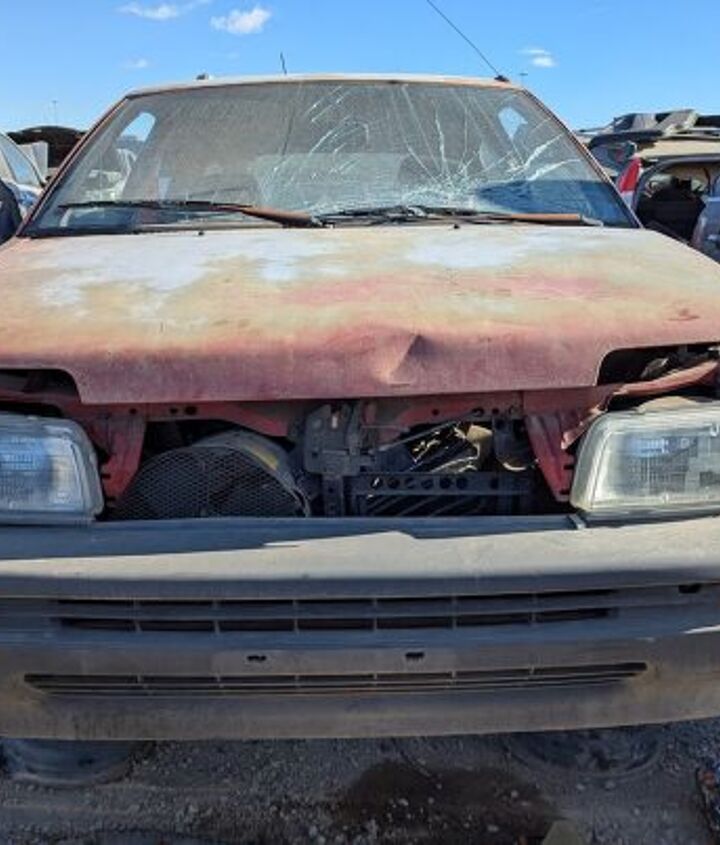
1992 Daihatsu Charade in Denver wrecking yard.
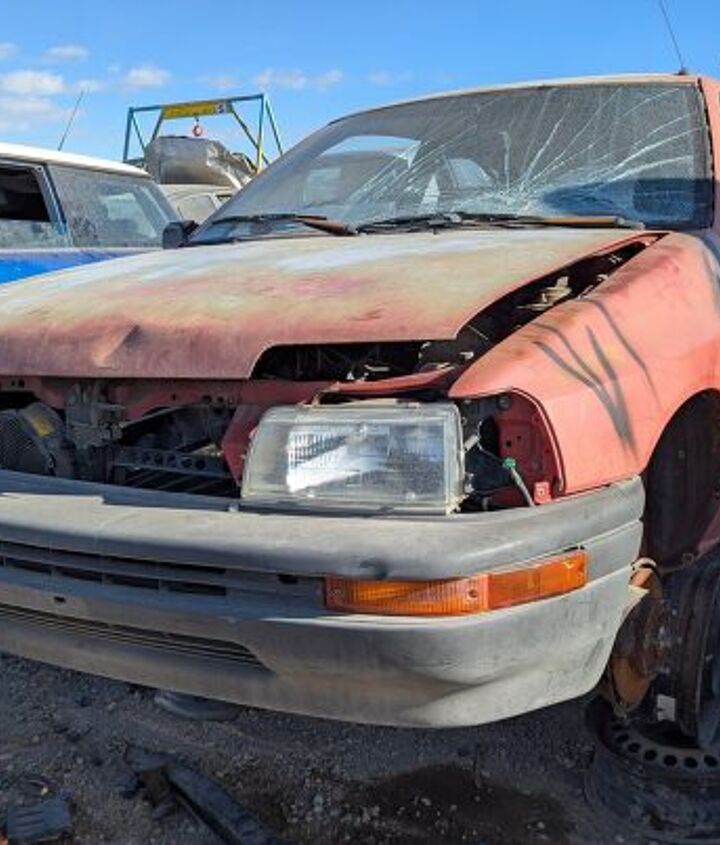
1992 Daihatsu Charade in Denver wrecking yard.
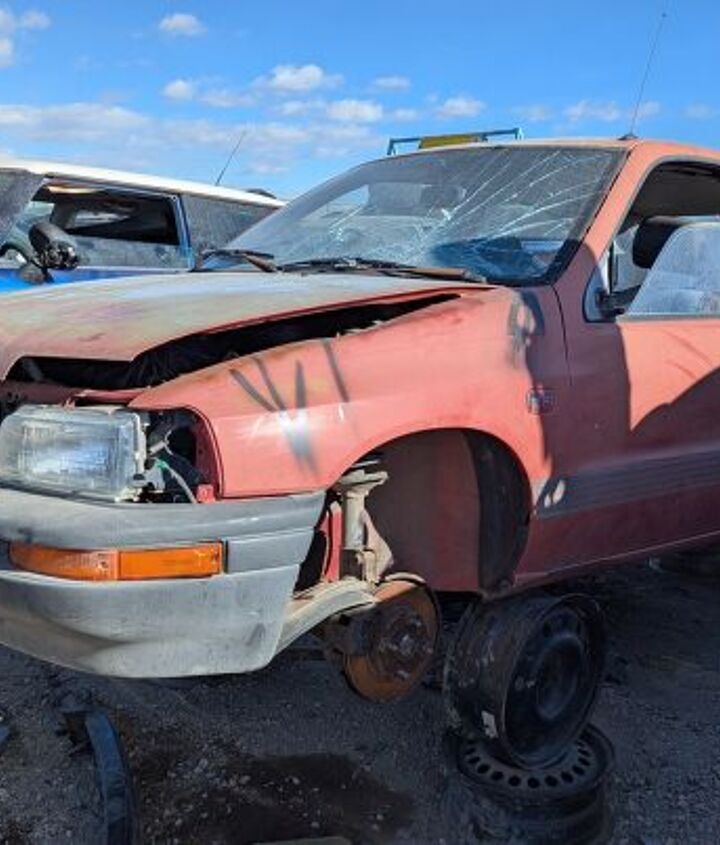
1992 Daihatsu Charade in Denver wrecking yard.
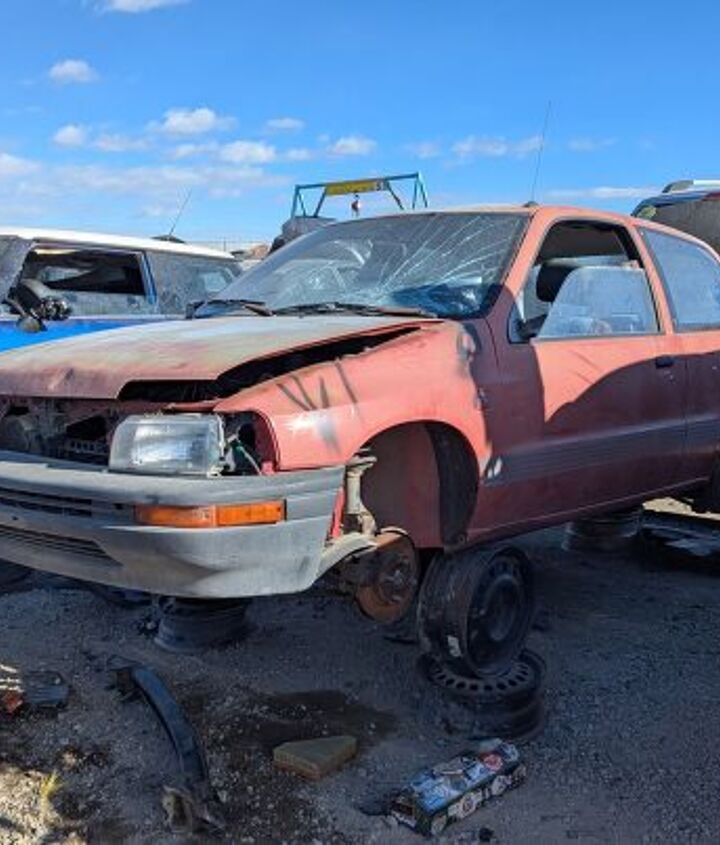
1992 Daihatsu Charade in Denver wrecking yard.
If you'd like to watch a salaryman open a Daihatsu driver's door from four different camera angles, this JDM ad is for you.
[Images: The Author]
Become a TTAC insider. Get the latest news, features, TTAC takes, and everything else that gets to the truth about cars first by subscribing to our newsletter.

Murilee Martin is the pen name of Phil Greden, a writer who has lived in Minnesota, California, Georgia and (now) Colorado. He has toiled at copywriting, technical writing, junkmail writing, fiction writing and now automotive writing. He has owned many terrible vehicles and some good ones. He spends a great deal of time in self-service junkyards. These days, he writes for publications including Autoweek, Hagerty and The Truth About Cars.
More by Murilee Martin









Comments
Join the conversation
I hadn't heard of this.
They really were not a bad car, and a ton of Tercel parts will fit. I worked at a Toyota, BMW store and our sister location sold Daihatsu and Mitsubishi. We had all 4 lines in our parts department. And, the parts number system was nearly identical to Toyota. Few people know during those times Daihatsu assembled different cars for Toyota, including the Starlet, some AE86 Corollas even the van.