

Mini Pacesetter to Debut at Formula E World Championship


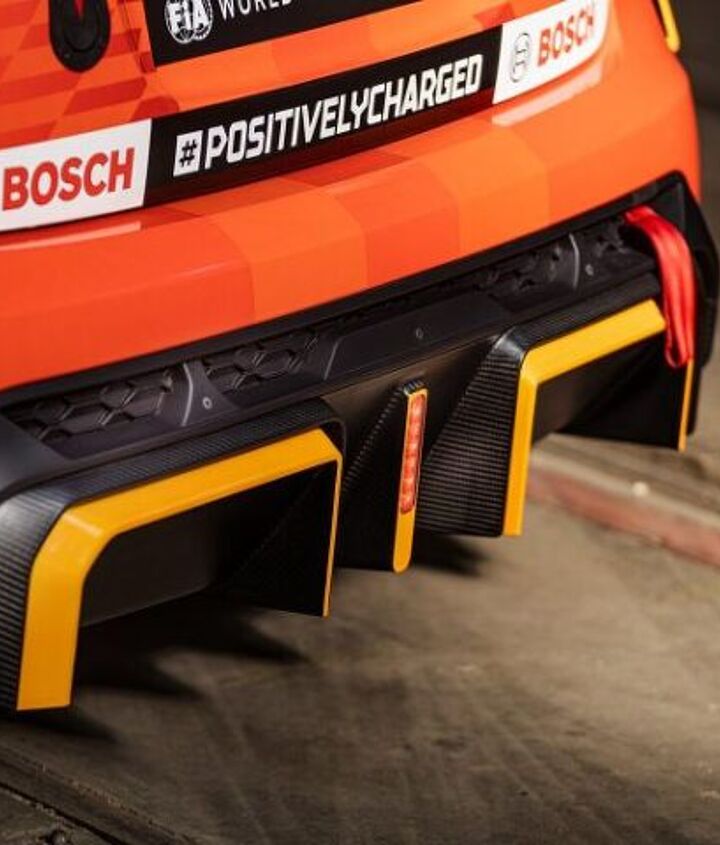
Tasked with building something to serve as the official safety car for the 2021 FIA Formula E World Championship, Mini has delivered a vehicle that bridges the gap between the raucous and rowdy John Cooper Works model and all-electric Mini Electric. While one-offs aren’t usually all that interesting to your average consumer, the Mini Pacesetter seems to be providing the automaker with a space to test some of its theories about how a JCW EV might take shape and will likely foreshadow such a product.
The manufacturer has even acknowledged this, though it’s a little early to expect an electrified version of Mini’s flagship performance model. Despite looking like it’s ready to compete in a series of its own, the Pacesetter uses an unmodified motor lifted from the Mini Electric. That means about 180 horsepower and a smidgen over 200 foot-pounds of torque, which would have been outstanding on the featherweight original. But the last few decades have forced Mini’s products to become comparatively portly, requiring the brand to shave as much weight off the Pacesetter as it could.
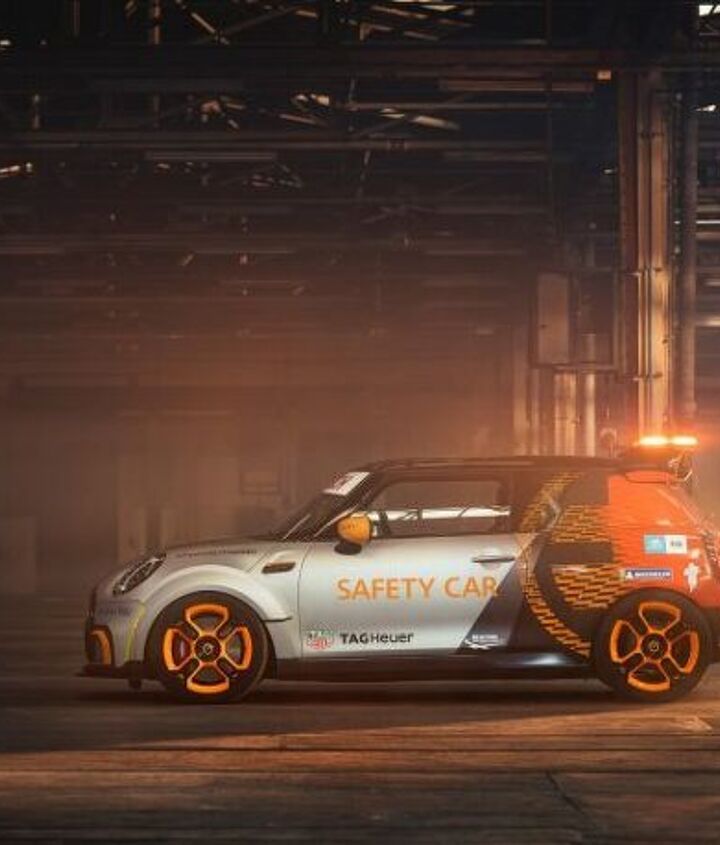
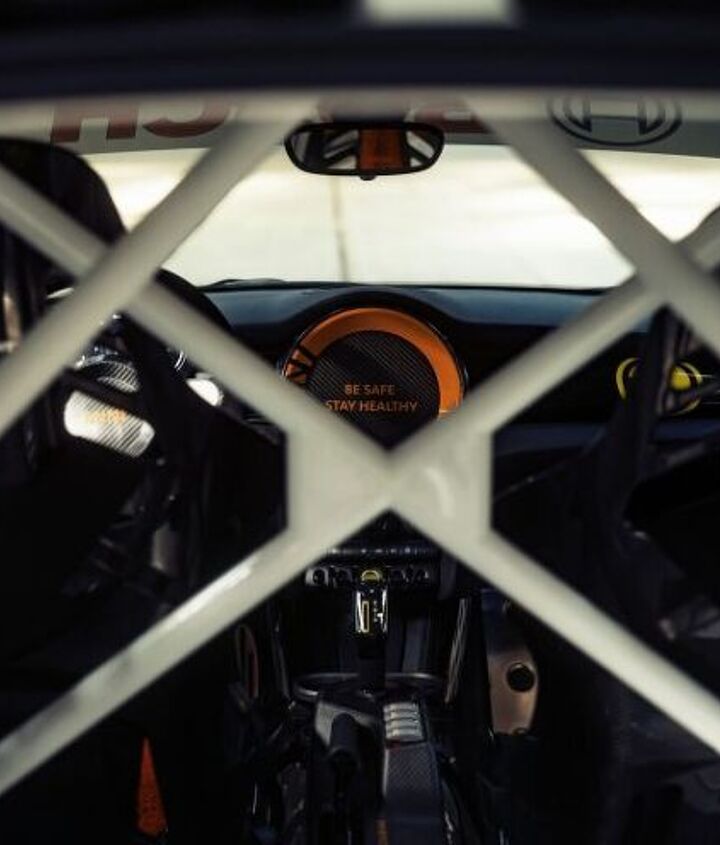
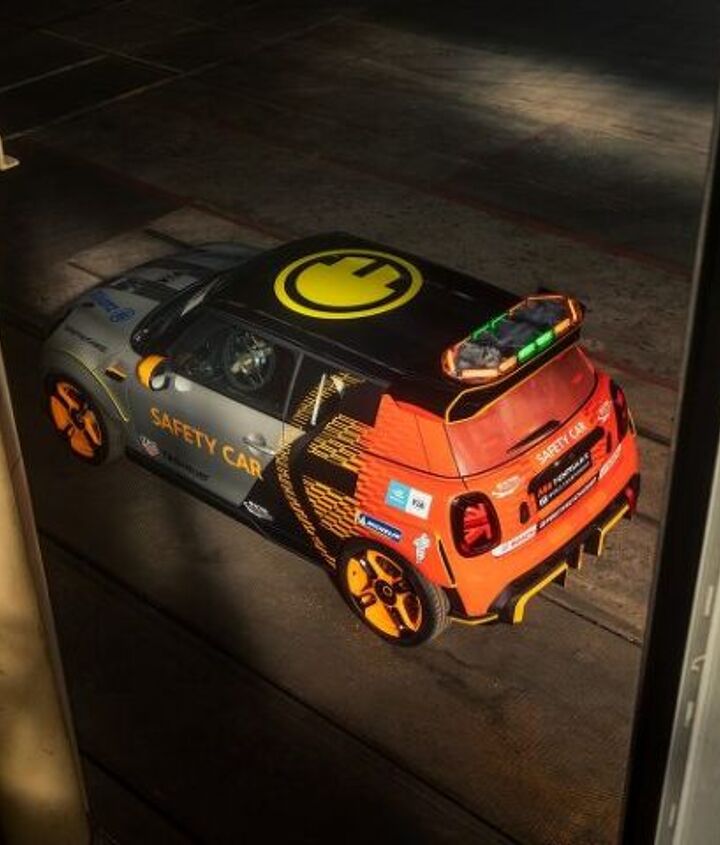
Designed exclusively for the track, the 2-door hatchback has abandoned rear seats, infotainment systems, interior door pulls, sound-deadening materials, any unnecessary trim, and swapped the standard steering wheel out for one made of carbon fiber. The components that it needed to be built were 3D printed using lightweight materials. Mini said it managed to save 130 kg (about 287 pounds) vs the roadgoing electric model, even with the addition of a full roll cage and harness system. While the changes fail to transform the car into a straight-line monster, the manufacturer estimated 62 mph would be achievable in about 6.7 seconds.
That’s noticeably better than the standard electric model but it’s the handling where Mini feels it’s doing the best work. The suspension has been heavily modified and now boasts three-way-adjustable coilovers. The track has also been widened by 10 millimeters, with Mini borrowing the wheels and brakes from the JCW GP. Those with some seat time described it as kart-like, which is usually what you want from this product line.
“We have already shown how well driving fun and electric mobility go together with the Mini Electric,” said brand head Bernd Körber. “However, the Mini Electric Pacesetter inspired by JCW goes at least a step further and blends the performance character of the John Cooper Works brand with electric mobility. This extreme version of the Mini Electric has been developed as the Safety Car for Formula E, so is clearly not intended for use on public roads. But it does reveal one of the directions we could take with the electrification of the JCW brand. For me, the message is clear: electrification and John Cooper Works are a good fit.”
When we will see that manifest into something you could walk into a showroom and buy is another matter, however. For now, Mini has only issued plans to get the Pacesetter on track when Formula E kicks off on April 10th.
[Images: BMW Group]
Consumer advocate tracking industry trends and regulations. Before joining TTAC, Matt spent a decade working for marketing and research firms in NYC. Clients included several of the world’s largest automakers, global tire brands, and aftermarket part suppliers. Since adding automotive writing to his repertoire, he has become an ardent supporter of the right-to-repair movement, discussed the status of the automotive sector on national broadcasts, participated in a few amateur rallying events, and driven more rental cars than anyone should ever have to. Handy with a wrench, Matt grew up surrounded by Detroit auto workers and learned to drive by twelve. Alleged to be contrarian, Matt claims to prefer understeer and motorcycles.
More by Matt Posky






Comments
Join the conversation