


Traffic Fatalities Drop 2.5 Percent in First Half of 2026
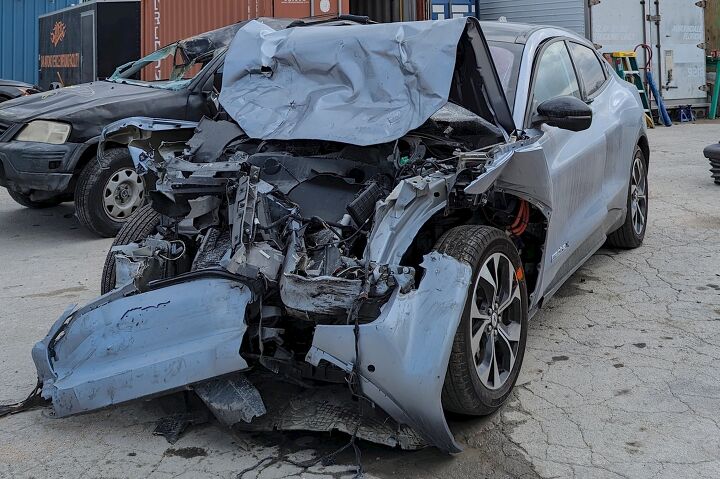
The U.S. Department of Transportation projects that traffic deaths on U.S. roads through June will drop to an estimated 16,750 from 17,175 for the same period last year. The decline came despite Americans driving slightly more.
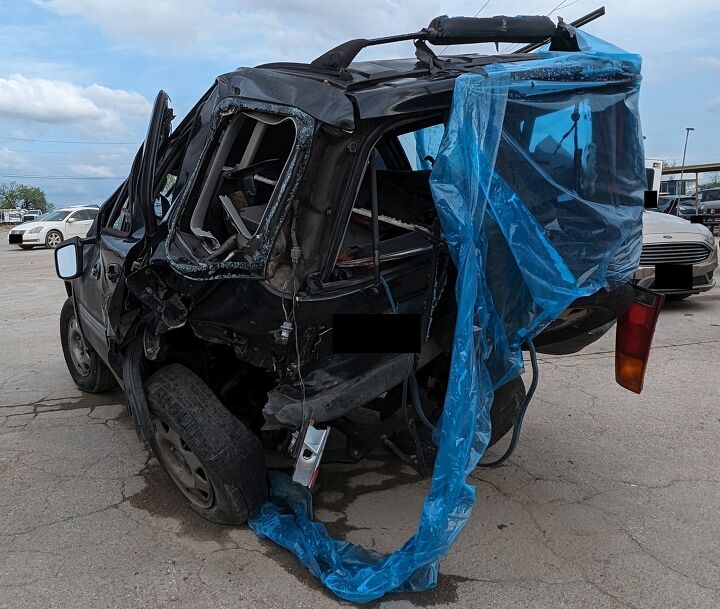
The total portends a full-year drop compared with 2025 when there was 36,640 estimated deaths for the entire year, which was a 6.7 percent decline from 2024.
“We’ve made progress on road safety, but the Trump Administration isn’t letting up,” said NHTSA Administrator Jonathan Morrison in a statement. “Even with near-record low fatality rates, we will continue to work with a sense of urgency to make sure more Americans get home safely.
“Through our Pathways to Safer Streets initiative, we are tackling the leading causes of traffic deaths — from reckless driving to impaired driving — while funding critical lifesaving measures like prehospital blood programs.”
As noted above, the number of vehicle miles traveled increased by 0.8 percent during the first half of the year. The result is the fatality rate fell to a near-record low of 1.02, down from the estimated rate of 1.05 from the same period in 2025. Fatalities in Q2 2026 decreased by 0.2 percent, officials noted.
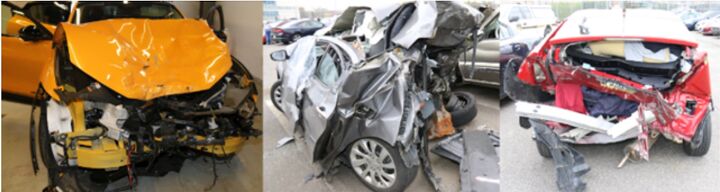
According to DOT estimates, 35 states and Puerto Rico are projected to have had fatality decreases during the first half of 2026. NHTSA officials noted the agency launched the Pathway to Safer Streets, which it called “the most extensive comprehensive traffic safety effort in agency history.” The plan calls for NHTSA to work with law enforcement agencies to “support” efforts to identify and stop dangerous drivers, such as excessive speeding, preventing impaired driving, stricter enforcement of seat belt laws.
NHTSA has also increased support for prehospital blood transfusion programs for safety partners, enabling emergency medical services units to administer blood before crash victims reach the hospital. Research shows this innovation decreases mortality for trauma patients with severe bleeding by 37 percent, the agency noted.
[Images: NHTSA]
Become a TTAC insider. Get the latest news, features, TTAC takes, and everything else that gets to the truth about cars first by subscribing to our newsletter.

Michael Strong has spent more than 25 years writing about the automotive industry. A Detroit-area native, he’s written about everything from local car shows to product reviews to financial news. Currently he writes and edits for a variety of national and local publications. He’s also a longtime member of the Automotive Press Association and the International Motor Press Association, and a graduate of Georgia Southern University. Hail Southern! Despite a love for ’70s land yachts and BMWs from the late ’80s and early ’90s, his personal vehicle is neither of those.
More by Michael Strong









Comments
Join the conversation
To be clear, this is very very bad.
I bet this is not a trend of any kind. Just a number that happened this period.