


The 14 Pivots that Turned a Data-Driven EV Marketplace into a $100M Business
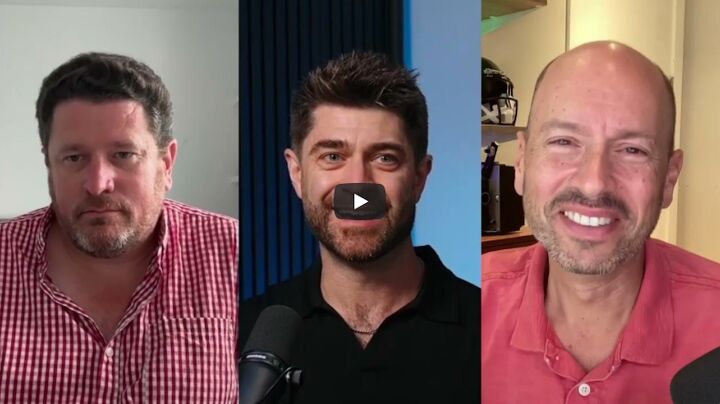
The secret to winning in the used EV market? Listening to the market itself.
When Jimmy Douglas, founder and CEO of Plug, shares how he went from slow growth to a $100 million business in just three years, one thing stands out: Stop pushing and started listening. It’s a lesson as old as sales itself: don’t get your way into a market. Let the market pull you in. Jimmy’s experience at Tesla taught him one thing: Data is king. But more than that, it’s the ability to interpret and adapt based on real feedback.
By focusing on real-world needs like reduced inventory turnaround times and comprehensive vehicle data, Plug figured out what their customers truly wanted and once they aligned their approach with market signals, growth exploded. That’s the power of speed and humility in a startup. Listen for the signals. And maybe that’s all it takes to turn a slow burn into a hockey stick.
The Urban EV Podcast is about electric vehicle ownership in a city -- and how that can be daunting when you don't have access to a plug. We explore urban charging infrastructure along with the day-to-day experience and economics of public charging your vehicle in a big city.
The TTAC Creators Series tells stories and amplifies creators from all corners of the car world, including culture, dealerships, collections, modified builds and more. Below is an AI-generated summary of the transcript — edited by a staffer — of the podcast.
[Image: YouTube screenshot]
Become a TTAC insider. Get the latest news, features, TTAC takes, and everything else that gets to the truth about cars first by subscribing to our newsletter.
Summary
This episode of the Urban EV Podcast features Jimmy Douglas, founder and CEO of Plug, an EV wholesale marketplace that helps dealerships buy and sell used electric vehicles using battery health data, VIN-level intelligence, and real-time pricing. The conversation explores the rapid growth of the used EV market, lessons from Tesla, startup challenges, and where the EV industry is headed.
The Used EV Market Is Booming
Douglas argues that reports of a used EV market collapse are inaccurate. Instead, he says the market is experiencing explosive growth:
- Plug has sold nearly $100 million worth of used EVs, with the second $50 million achieved far faster than the first.
- Dealer participation is increasing dramatically, with more dealers entering the used EV market than at any previous point.
- Competition among dealers for quality used EV inventory continues to intensify.
Douglas credits the growth to falling used EV prices, improving affordability, and a growing understanding that EVs must be evaluated differently than gasoline vehicles. Battery health, software features, charging capabilities, hardware versions, and connectivity are becoming just as important as mileage or cosmetic condition.
Separating the Used EV Market from the New EV Market
Douglas emphasizes that many observers confuse the struggling new EV market with the healthy used EV market.
According to him:
- Used EV supply is balanced with used internal combustion vehicles.
- Used EV prices have fallen close to ICE equivalents, making them much more attractive.
- New EVs remain expensive, limiting mainstream adoption despite growing interest in electrification.
He argues that range, charging infrastructure, and affordability remain the biggest barriers for new EV buyers.
Dealers Are Finally Embracing Used EVs
Historically, only about 2% of dealerships accounted for more than half of all used EV sales, while most dealers avoided the segment entirely.
Douglas says that's changing because:
- Independent EV-focused dealerships are expanding rapidly.
- More franchise dealers are stocking Teslas and other non-brand EVs.
- Lease returns are forcing traditional dealers to become more comfortable handling used electric vehicles.
However, many franchise dealers remain overloaded with new EV inventory and still hesitate to acquire used EVs.
Lessons Learned at Tesla
Douglas spent five years at Tesla during the critical Model 3 production ramp.
He describes the experience as transformational, saying Tesla taught him:
- First-principles thinking.
- Aggressive process optimization.
- Constant experimentation.
- Discovering personal limits by working alongside exceptionally talented people.
He credits Elon Musk's philosophy of eliminating waste and simplifying processes as a lasting influence on how Plug operates today.
Founding Plug
Douglas explains that entrepreneurship was always his goal, inspired by his father, who built his own business.
Plug was founded after Douglas recognized a major problem:
- Direct-to-consumer EV manufacturers lacked dealership networks to efficiently dispose of lease returns and trade-ins.
- Used EV pricing was chaotic because dealers lacked accurate battery and software data.
He realized the core issue wasn't transportation — it was information. Plug's mission became providing dealers with reliable vehicle intelligence so they could confidently price and sell used EVs.
Fourteen Product Pivots
Douglas reveals that Plug went through approximately 14 different go-to-market strategies before finding product-market fit.
Among the lessons learned:
- Startups must test ideas quickly rather than spending months building before learning.
- Small successes can become dangerous if they distract from larger opportunities.
- Listening to customers is more valuable than trying to force a business model onto the market.
The biggest breakthrough came when Plug stopped focusing solely on business-to-business transactions and began purchasing vehicles directly from consumers—a move that dramatically accelerated growth.
EV Incentives and Government Policy
Douglas supports ending subsidies for both electric vehicles and fossil fuels, believing markets function better without government intervention.
He argues that EV incentives unintentionally:
- Encouraged automakers to prioritize expensive, high-margin models.
- Distorted used vehicle values.
- Delayed development of truly affordable EVs.
Instead, manufacturers should focus on building compelling electric vehicles that can compete globally — particularly against Chinese automakers — without relying on subsidies.
The Future of Used EVs
Douglas predicts:
- Used EVs will grow from under 3% of the used car market today to roughly 10% by the end of the decade.
- Modern EVs may last 400,000 to 500,000 miles, changing hands multiple times over their lifespan.
- Battery health reporting, onboard diagnostics, AI computing power, and software capability will become central factors in determining used vehicle value.
He believes future used EV transactions will increasingly resemble buying used computers rather than traditional automobiles.
Favorite EVs
Douglas closes by discussing the electric vehicles that excite him most, including:
- Rivian R1 and upcoming R2.
- Tesla Roadster.
- GMC Sierra Denali EV.
- Maserati GranCabrio Folgore.
- Lucid's future mass-market model, which he believes could become the company's "Model 3 moment."
Key Takeaways
- The used EV market is expanding rapidly, even while new EV sales face affordability challenges.
- Accurate battery health and software data are becoming essential for valuing used electric vehicles.
- Plug has found success by combining vehicle intelligence with marketplace technology and by responding to customer demand rather than forcing its original business model.
- Douglas believes affordable EVs — not subsidies or luxury models — will determine which automakers succeed over the next decade.
- As EVs age and accumulate high mileage, software, battery condition, and onboard computing will become as important as traditional mechanical inspections.

Exploring EV charging and infrastructure with real stories and expert insights on the future of electric mobility
More by Rob Hoffman | TTAC Creator









Comments
Join the conversation
The secret to winning in any market?
Listen to your dealership's finance manager. They will steer you right!
These guys listened to customers and grew their business.
What they should have done was delete comments that they didn't like.
James Murray's career move does not suit him as well.