

Junkyard Find: 1960 Jaguar Mark IX
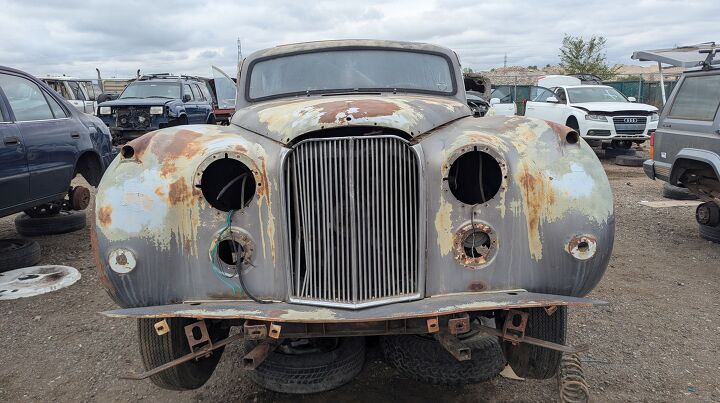
Jaguars built from the middle 1970s through about 10 years ago aren't too difficult to find in your local Ewe Pullet, but examples from the 1960s are quite rare in such places. Here we have two tons of 66-year-old English luxury saloon now residing in a boneyard near Denver, Colorado.
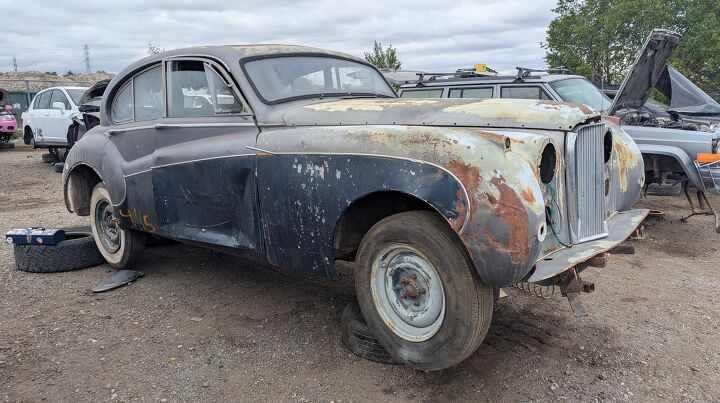
Prior to this car, I'd documented only two discarded pre-1970 Jaguars in nearly 20 years of junkyard exploring: a 1965 S-Type in Colorado and a 1969 XJ6 in California. Today's Mark IX lived much higher up on the prestige ladder than those two relatively aspirational machines.
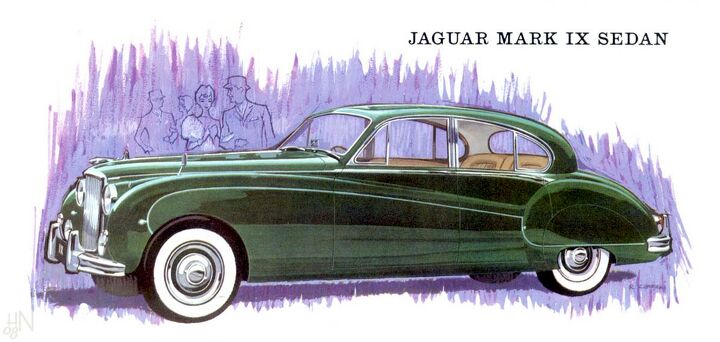
The Mark IX was the direct descendant of the 1948 Mark V, built on essentially the same chassis, and it was built for the 1958 through 1961 model years. It was the most expensive Jaguar production car during that period.
The list price of this car was $6,020, or about $67,846 in 2026 dollars.
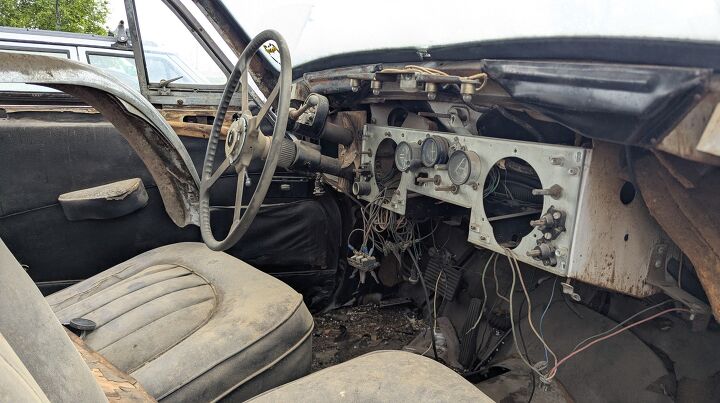
It's a left-hand-drive model, made for the North American market.
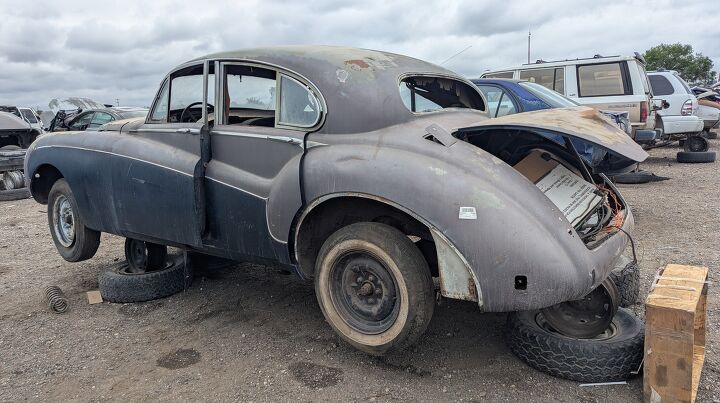
Its price tag put it in direct competition with the 1960 Cadillacs. A new Fleetwood Sixty Special Sedan listed at $6,233 ($70,246 after inflation) and was a bit bigger and a lot more powerful (325 horses for the Cad, 220 for the Jag). The Mark IX was a devilishly handsome machine, though, and it had Old World snob appeal calculated to make the neighbors grit their teeth with envy.
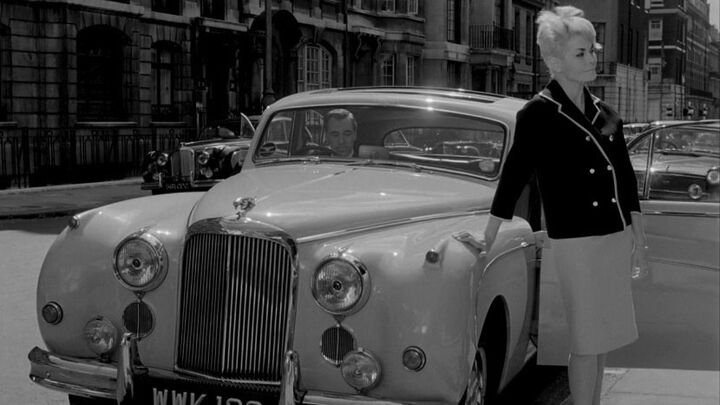
I checked the Internet Movie Cars Database for interesting Mark IX appearances, and the best one was this car in the 1960 British teensploitation film, " Beat Girl." This film was released in the United States (with American-accented dubbing) under the title " Wild for Kicks," because of course it was.
A Mark IX plays a prominent role in the 1969 Canadian film, " Où êtes-vous donc?" ("So, Where Are You?") as well.
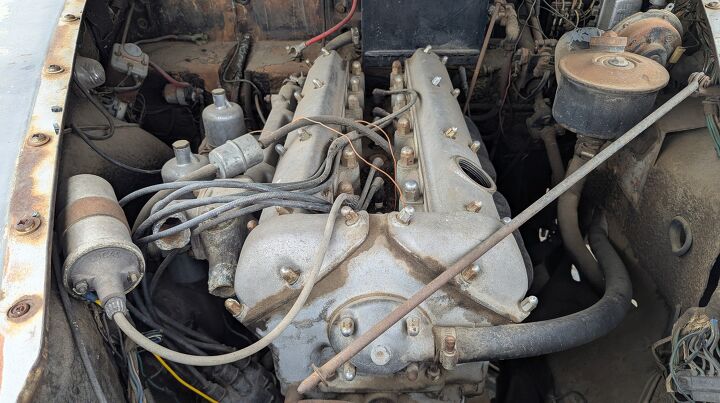
The engine is a 3.8-liter DOHC straight-six, rated at 220 horsepower and 240 pound-feet of torque. The more nervous version of this engine in the XK-150S made 265 horses.
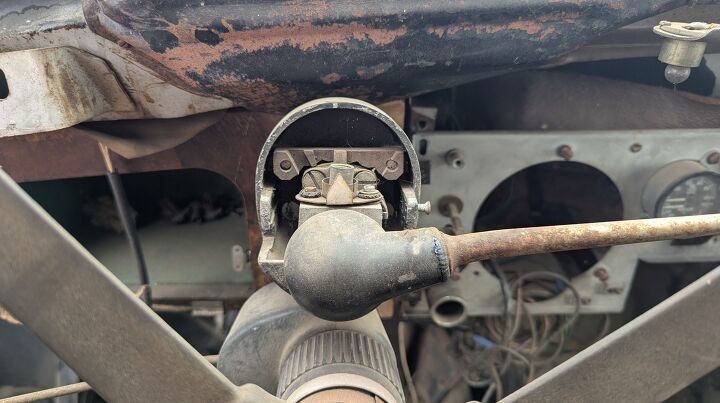
The transmission is a Borg-Warner three-speed automatic, with this cool-looking shifter. A four-speed manual with floor shift was available in 1960, but few Mark IX shoppers chose that gearbox.
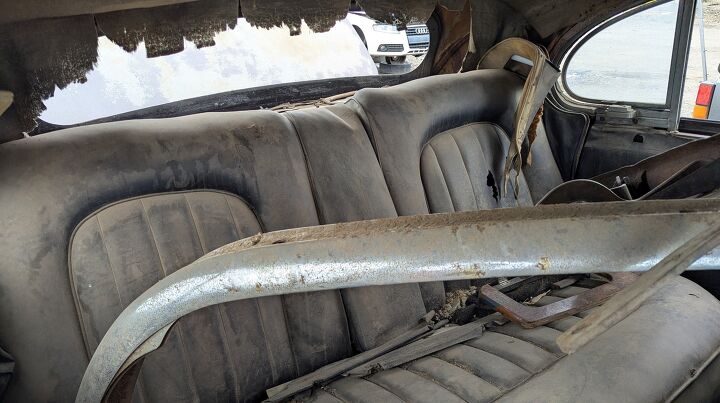
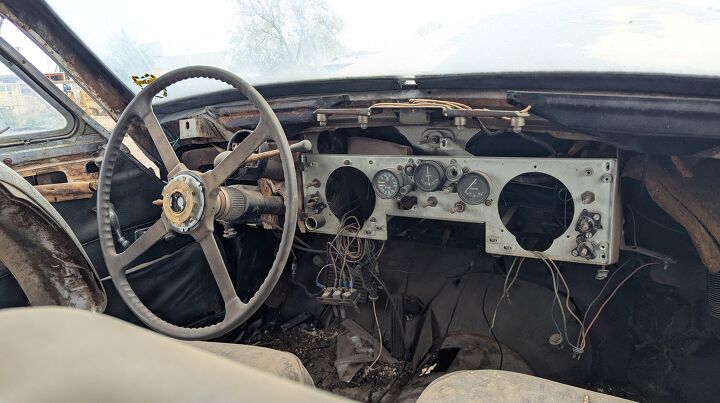
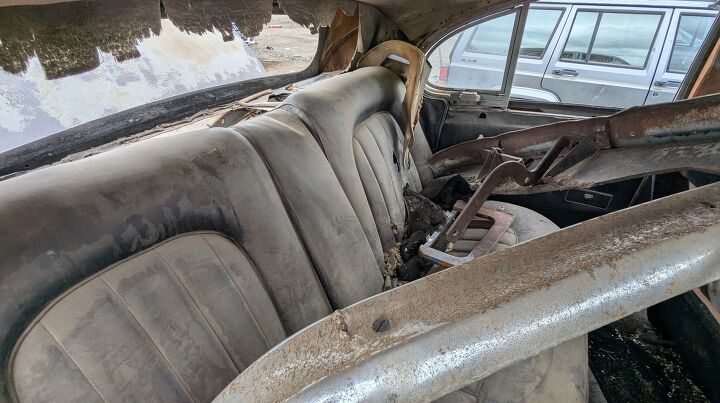
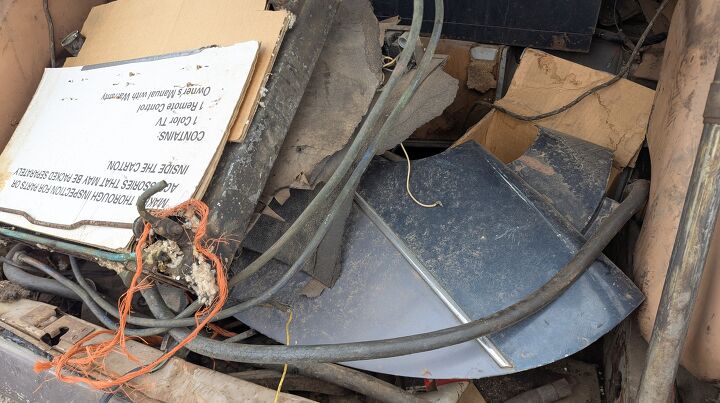
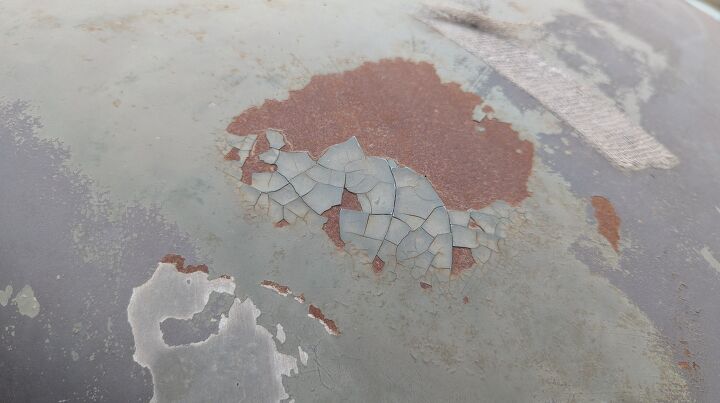
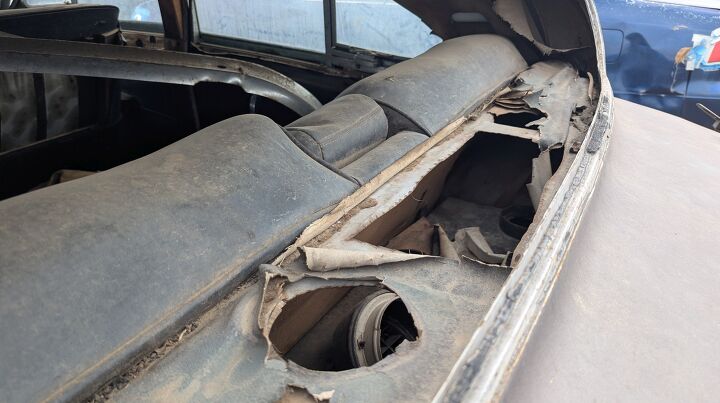
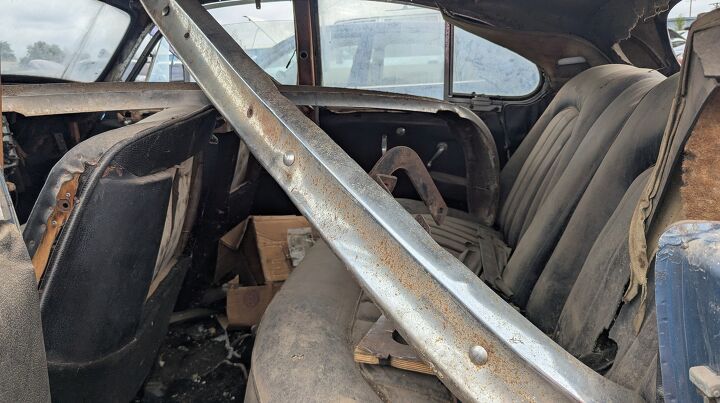
The body is solid, but the interior looks (and smells) nasty.
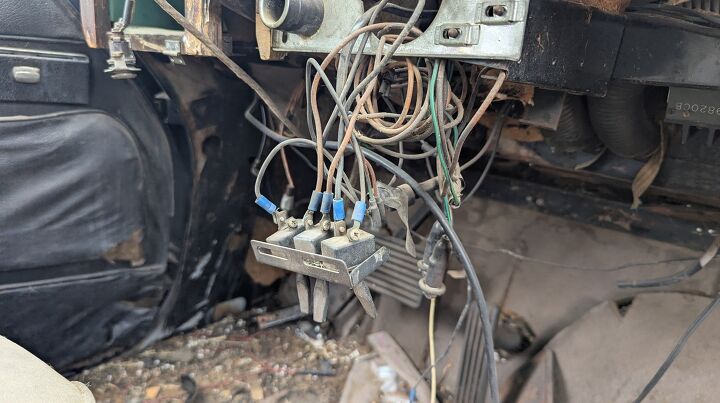
Someone took a shot at reviving the Prince of Darkness electrics, probably decades ago.
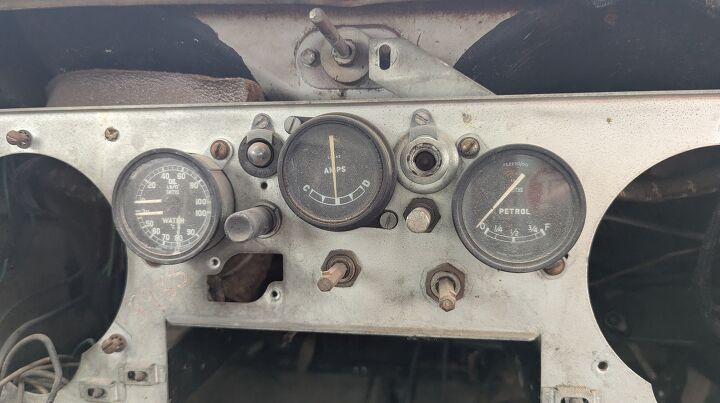
All of the electrical power used by non-starter-motor circuits in this car had to pass through this Lucas ammeter. What could go wrong?
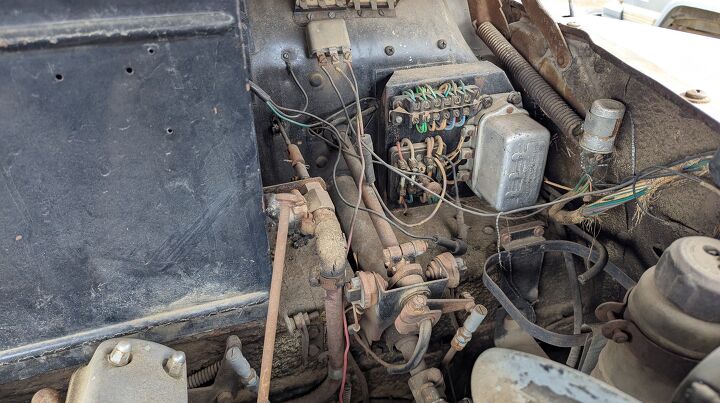
Be afraid.
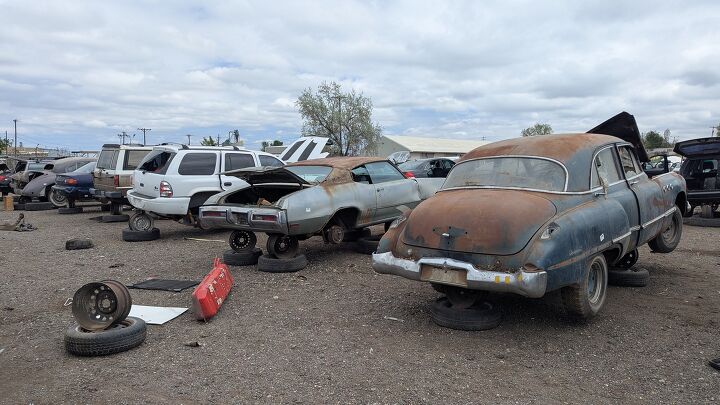
According to an employee of Colorado Auto & Parts, the Jaguar was part of a collection that included a 1971 Buick Skylark and a 1949 Buick Super (I'll write about the Buicks in the near future), and all three cars arrived together. They appear to have spent many years stored outdoors in the harsh High Plains elements.
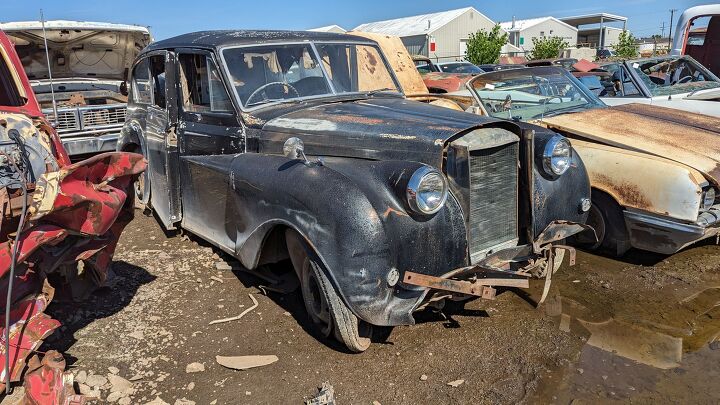
CAP often gets interesting British machinery. A few years ago, a pair of Austin Princess DM4 limousines ( a '59 and a '62) were in stock. I've shot an Austin Marina there, plus the usual MGs and Triumphs.
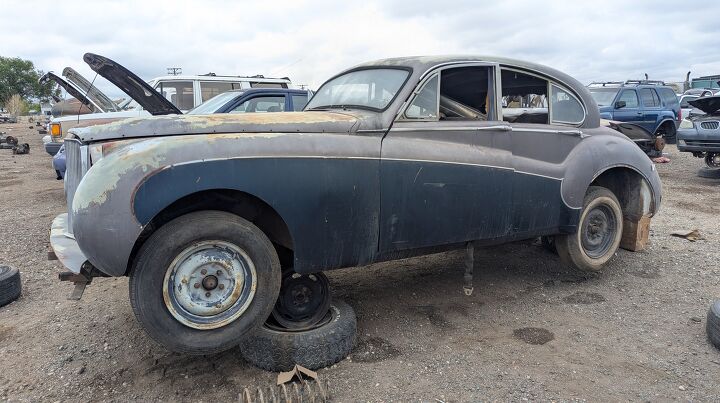
How did a non-rusty Mark IX meet this fate? This is one of those cars that is worth real money in perfect condition and under 500 bucks as a rough-but-complete project car.
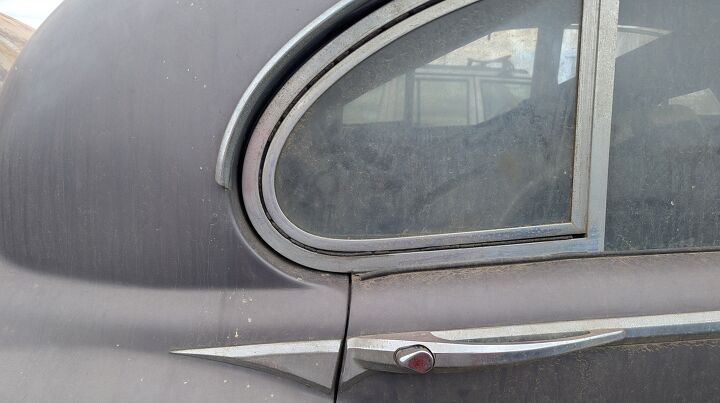
Restoration costs would be immense, though there are plenty of good parts here.
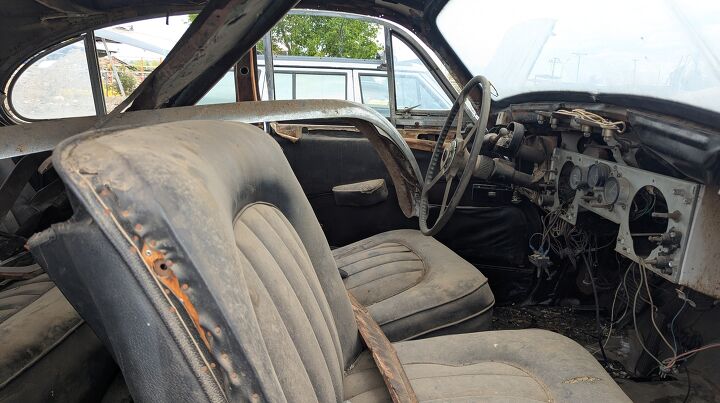
1960 Jaguar Mark IX in Colorado junkyard.
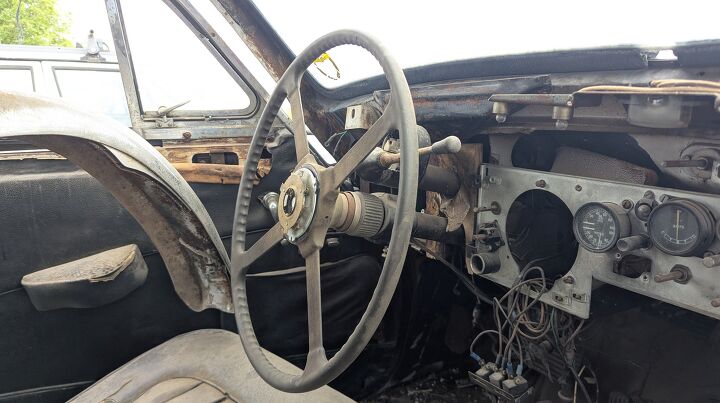
1960 Jaguar Mark IX in Colorado junkyard.
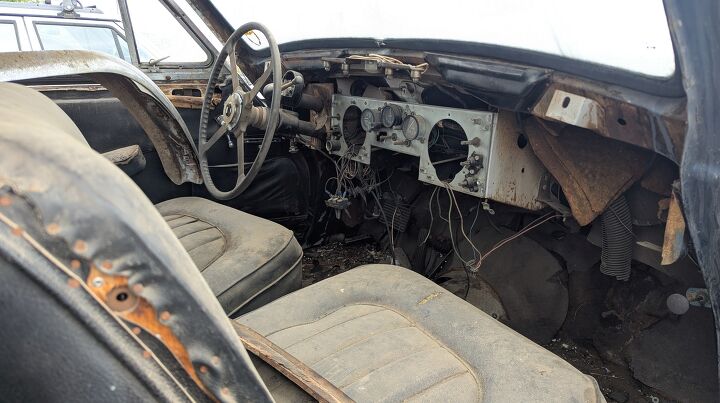
1960 Jaguar Mark IX in Colorado junkyard.
1960 Jaguar Mark IX in Colorado junkyard.
1960 Jaguar Mark IX in Colorado junkyard.
1960 Jaguar Mark IX in Colorado junkyard.
1960 Jaguar Mark IX in Colorado junkyard.
1960 Jaguar Mark IX in Colorado junkyard.
1960 Jaguar Mark IX in Colorado junkyard.
1960 Jaguar Mark IX in Colorado junkyard.
1960 Jaguar Mark IX in Colorado junkyard.
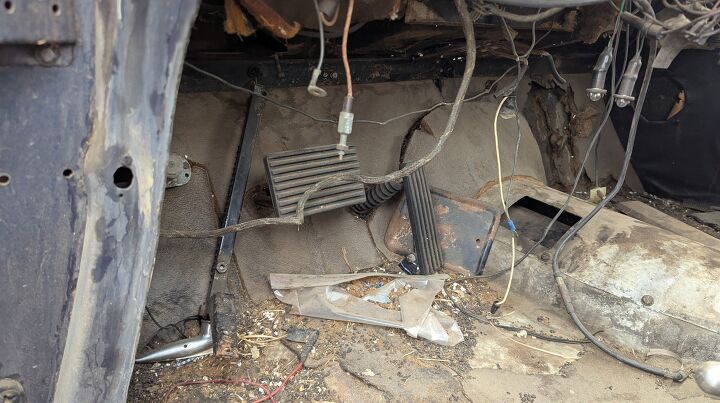
1960 Jaguar Mark IX in Colorado junkyard.
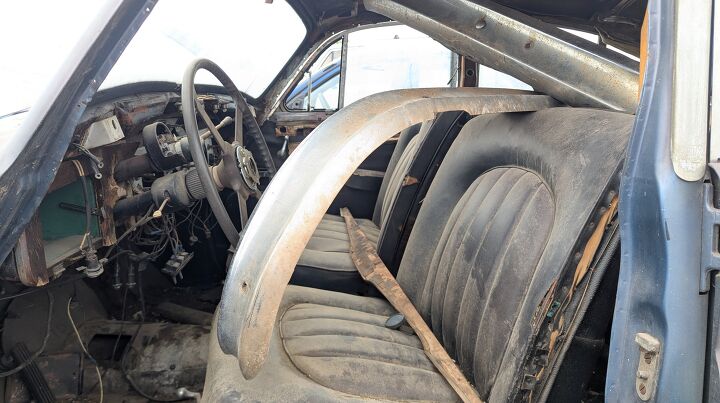
1960 Jaguar Mark IX in Colorado junkyard.
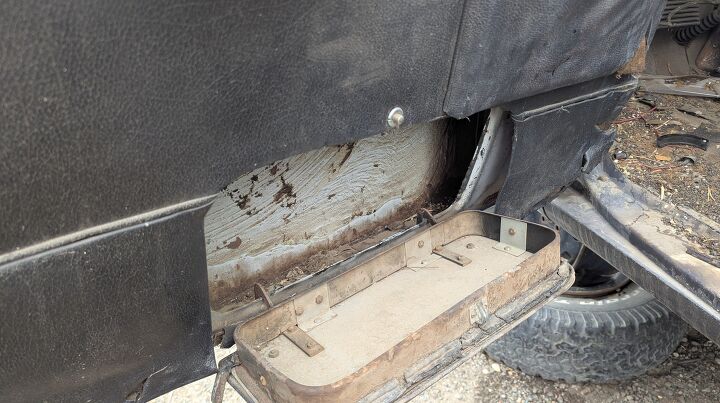
1960 Jaguar Mark IX in Colorado junkyard.
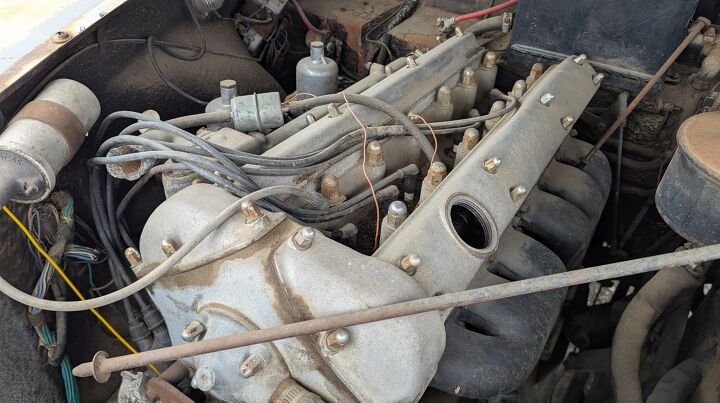
1960 Jaguar Mark IX in Colorado junkyard.
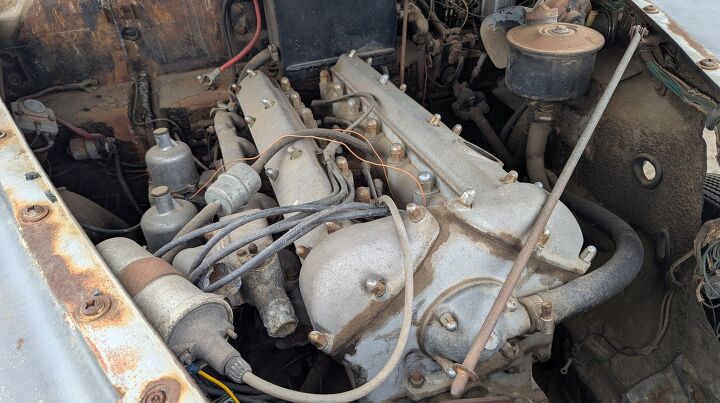
1960 Jaguar Mark IX in Colorado junkyard.
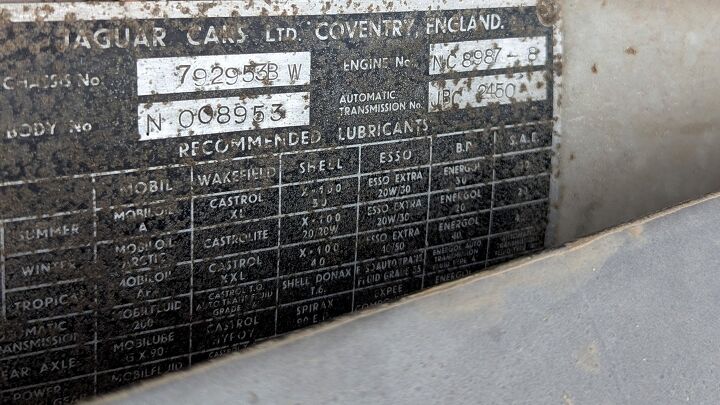
1960 Jaguar Mark IX in Colorado junkyard.
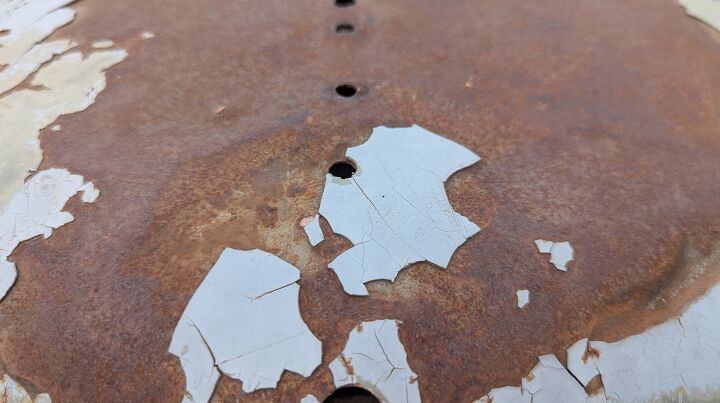
1960 Jaguar Mark IX in Colorado junkyard.
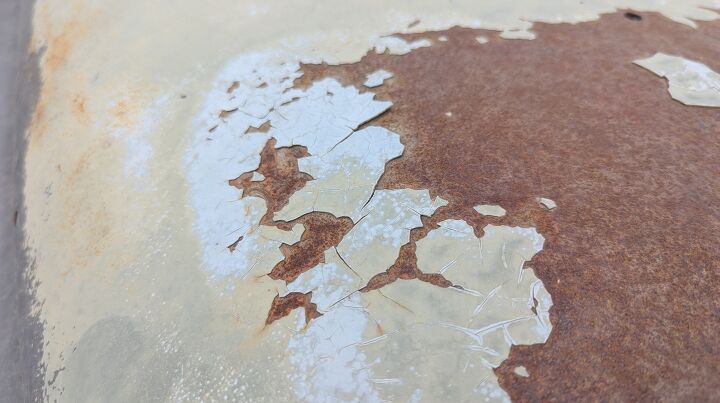
1960 Jaguar Mark IX in Colorado junkyard.
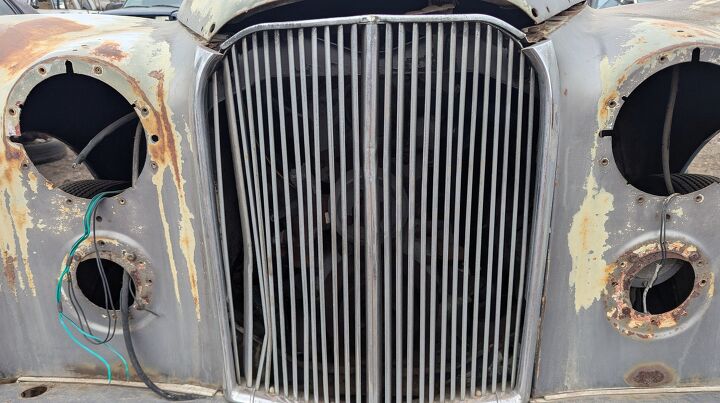
1960 Jaguar Mark IX in Colorado junkyard.
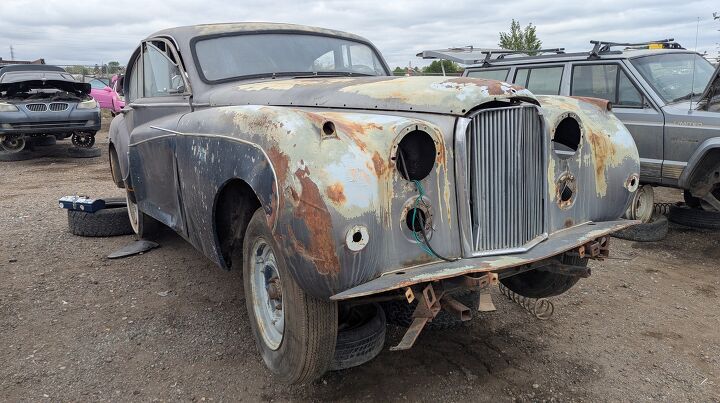
1960 Jaguar Mark IX in Colorado junkyard.
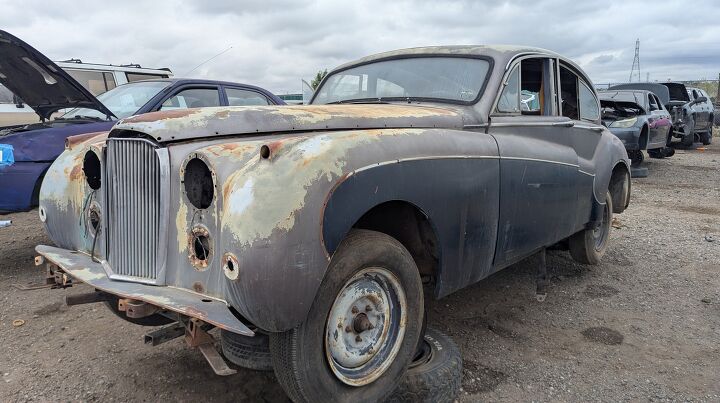
1960 Jaguar Mark IX in Colorado junkyard.
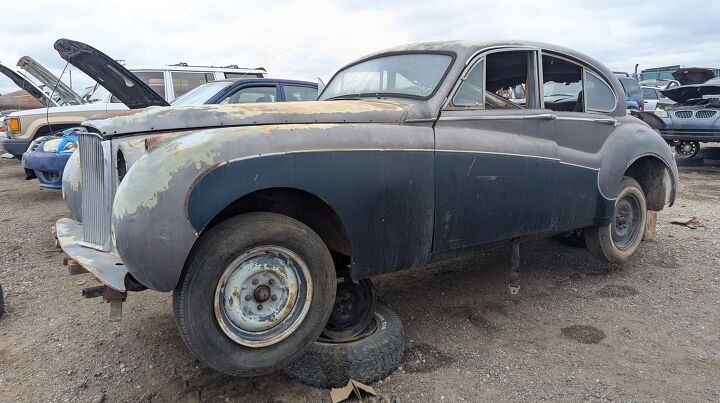
1960 Jaguar Mark IX in Colorado junkyard.
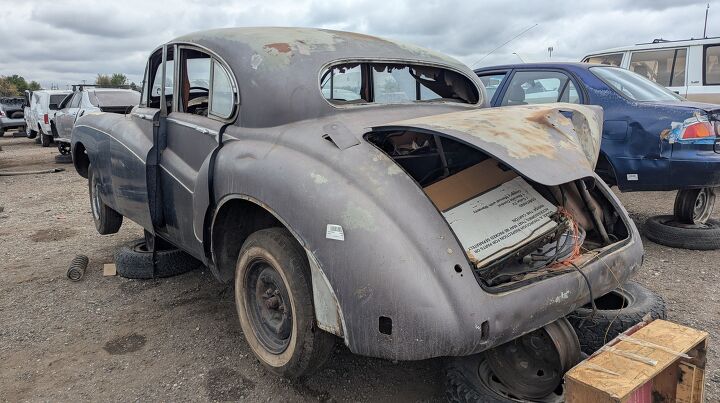
1960 Jaguar Mark IX in Colorado junkyard.
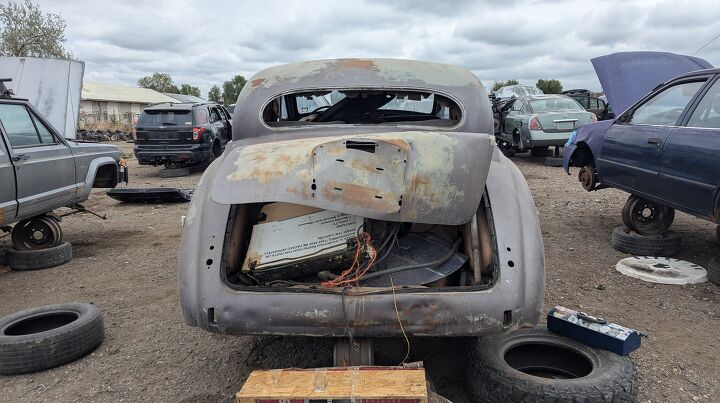
1960 Jaguar Mark IX in Colorado junkyard.
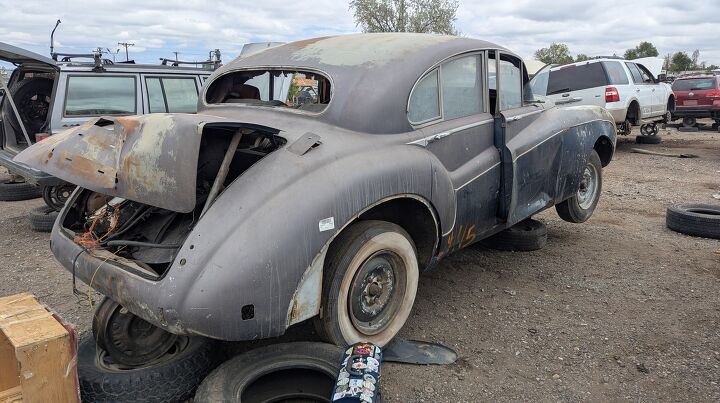
1960 Jaguar Mark IX in Colorado junkyard.

Murilee Martin is the pen name of Phil Greden, a writer who has lived in Minnesota, California, Georgia and (now) Colorado. He has toiled at copywriting, technical writing, junkmail writing, fiction writing and now automotive writing. He has owned many terrible vehicles and some good ones. He spends a great deal of time in self-service junkyards. These days, he writes for publications including Autoweek, Hagerty and The Truth About Cars.
More by Murilee Martin






Comments
Join the conversation
I dunno what this engine would fit into but someone should buy it and shove it into something else.
I was hoping that this was the Jaaaag that Richard Hammond wrecked in Grand Tour, but I just checked, that was a Mark X.