

GM Thinks Super Cruise Subscriptions Could Yield $2 Billion In Annual Revenue By 2030

Earlier this month, General Motors announced that it would be shutting down its Cruise robotaxi division responsible for autonomous vehicle testing and development. The plan was for GM to finish the last round of layoffs and leverage the resulting technologies into branded hands-free driving tech, known as Super Cruise. But the lingering question was how the automaker planned on turning that into revenue. Now we know — more subscriptions.
Cruise was estimated to cost GM roughly two billion dollars every year atop the initial investments. The assumption was that the project would advance autonomous driving technologies and set the company up to run a fleet of robotaxis. However, the latter never happened after several high profile incidents during public testing. Robotaxi services (mainly Waymo and Cruise) were likewise becoming deeply unpopular with the public, especially within the cities that were serving as pilot regions (e.g. San Francisco).
As previously reported, General Motors elected to buy out the remaining Cruise stock and remove over half its staff. The automaker went into February announcing that the goal would be to incorporate the remaining team to improve the hands-free driving system (Super Cruise) available on select passenger vehicles by making it more capable in urban areas. CEO Mary Barra likewise informed investors that the automaker was forecasting Super Cruise will bring in about $2 billion in total annual revenue within the five years — roughly what it was losing on Cruise.
However, it didn’t really get into the specifics of how that would be accomplished. We now know that the plan is to try to recoup that money via subscription fees. This isn’t new. While one typically has to pay more to get into a vehicle with the necessary hardware, GM offers a free period for Super Cruise (typically three years) before customers are charged a recurring fee. That’s presently priced at $25 per month or $250 per year.
What’s changing is the fact that General Motors wants to install Super Cruise into more vehicles. The company expects to double the number of vehicles sold with the system already installed for 2025 as it prepares to make subscription services a larger component of its revenue stream. Unverified rumors are also circulating that GM will soon raise the price of Super Cruise and shorten the free period as a result.
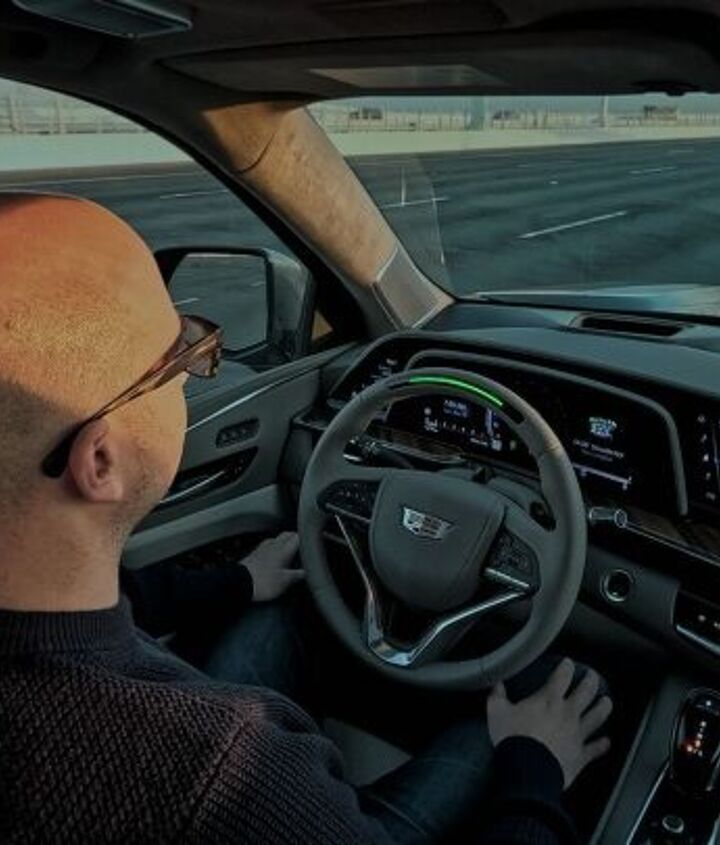
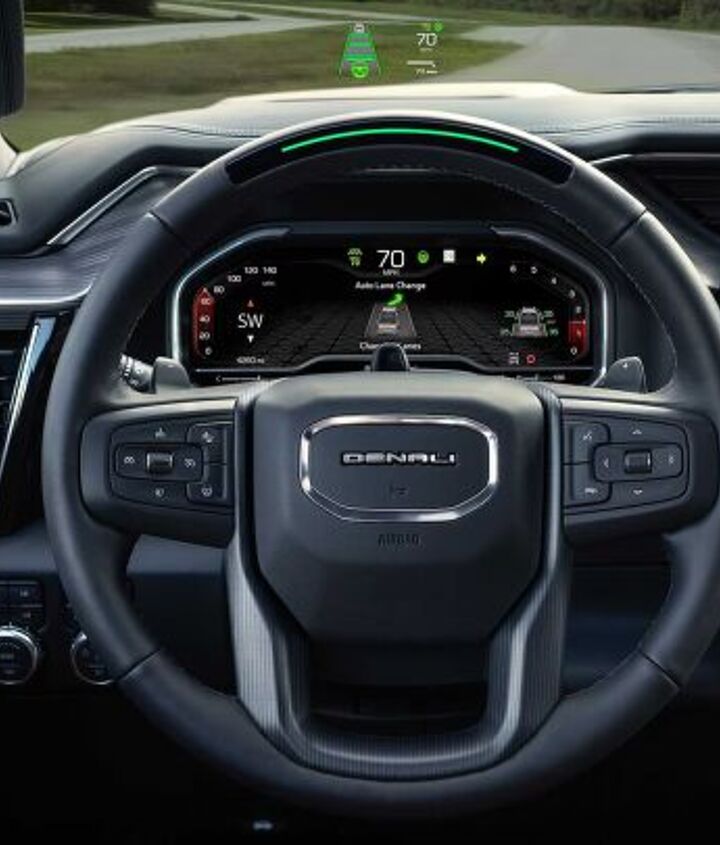
At the time of this writing, Super Cruise offers somewhere between SAE Level 2 and Level 3 driver assistance. That means its usefulness is conditional on where you’re driving and the current road conditions. It also requires drivers to maintain full attention to the road ahead and be ready to take over or it will deactivate.
To be frank, a lot of these hands-free driving systems (which used to be called “autonomous” or “self-driving”) have improved dramatically. But they have not advanced at the pace automakers originally claimed, nor have they reached a level where they offer any kind of legitimate self-driving capabilities. While modern incarnations may handle the road better than their predecessors, even the most advanced versions now come with systems that monitor your every move and will deactivate after the in-cabin camera relays to the central computer that you’re not paying enough attention. This is counterintuitive for a system that literally is supposed to make the driver passive by nature of its design.
We would argue that the entire concept is a little flawed and helps create an odd precedent to surveil drivers (something GM actually markets as a perk). However, the big concern for automakers is whether or not they can actually convince motorists to spend a few hundred dollars per year on the related services. Presently, only about 20 percent of GM customers actually bother to pay for Super Cruise after the free trial has ended. That means the vast majority of the vehicles the automaker has spent money installing drive-by-wire controls, expanded camera arrays, extra sensors, and LiDAR map data into (all of which increase vehicle MSRPs and repair bills) don’t really have much of a practical purpose. The exception are any advanced driver assistance features already being sold as standard equipment. But those systems don't require as many radar/lidar sensors or cameras as vehicles sold with something like Super Cruise.
[Images: General Motors]
Become a TTAC insider. Get the latest news, features, TTAC takes, and everything else that gets to the truth about cars first by subscribing to our newsletter.
Consumer advocate tracking industry trends and regulations. Before joining TTAC, Matt spent a decade working for marketing and research firms in NYC. Clients included several of the world’s largest automakers, global tire brands, and aftermarket part suppliers. Since adding automotive writing to his repertoire, he has become an ardent supporter of the right-to-repair movement, discussed the status of the automotive sector on national broadcasts, participated in a few amateur rallying events, and driven more rental cars than anyone should ever have to. Handy with a wrench, Matt grew up surrounded by Detroit auto workers and learned to drive by twelve. Alleged to be contrarian, Matt claims to prefer understeer and motorcycles.
More by Matt Posky







Comments
Join the conversation
"GM Thinks" - GM had a lot of thoughts over years
Big Wager for GM, Chasing the Dollars. But what happens if there is a Glitch and Lawsuits? $2 billion doesn't go far in Court.
But yes GM Thinks, and sometimes Does, just way after the Novelty has worn off and many others have beaten them to it