


Former GM Engineer Explains Industry's Pathway To Planned Obsolescence And Disposable Cars

A recent interview with an industry whistleblower has suggested that the automotive sector is intentionally designing vehicles to be less robust than their predecessors. His assertion is that lapses in quality control, expanding computer integration, and shifting priorities in terms of component materials are all in service of pushing drivers toward having to replace vehicles sooner and paying more for them over the entirety of their artificially limited lifespans.
The interview was part of a series conducted via The Car Guy Online Youtube channel and featured a former General Motors’ powertrain engineer going by the pseudonym “Chello.” A fake name was given to protect his anonymity, presumably because other industry whistleblowers have died under suspicious circumstances (e.g. Boeing engineers).
Chello went from working on updates to transmission (specifically GM’s 4L80-E) before pivoting to Delphi electronics and later becoming a field engineer. In all cases, he claimed that the surrounding corporate culture made it difficult for him to do what he considered an effective job — resulting in his going solo to reverse engineer problematic components and create new solutions as an industry consultant.
While Chello stated that cost-cutting has been something the industry has done since the very beginning, he expressed concerns that the trend had ramped up dramatically based on what he had seen during his time with General Motors. Most of the updates he was tasked with conducting on transmissions allegedly pertained to lowering manufacturing costs. Requests for improving transmissions were typically limited to specific performance applications or failures deemed so catastrophic that the public wouldn’t tolerate them.
He used the 4L60-E as an example, claiming that the “upgrades” to the transmission actually resulted in worse quality metals for the gearset. This was a cost-cutting measure, offset by GM adding an extra pinion to help distribute torque load. Chello claimed he saw a lot of examples like this while employed by the company. The 4L60-E was just the first instance of lateral engineering Chello claimed to have noticed personally, adding that he felt they became significantly worse over time.
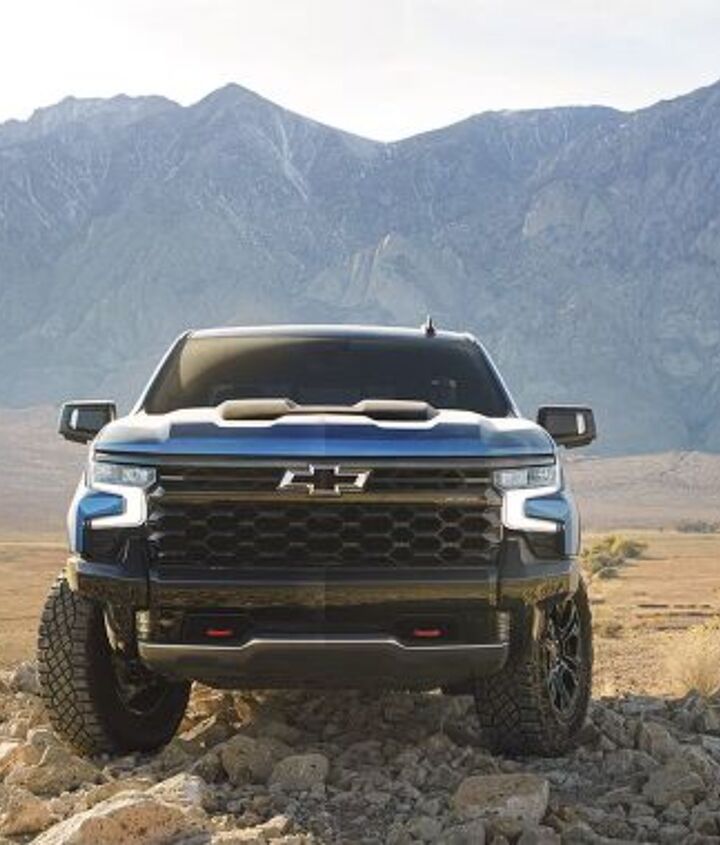
During the interview, he cites plenty of specific examples and names the relevant components. Contemporary examples included the troubled 6.2-liter L87 V8, equipped to models like the Chevrolet Silverado (pictured). But his ultimate takeaway was that automakers (not just GM) intentionally pivoted to worse-quality parts. Chello attributed this to companies ending internal component manufacturing and outsourcing labor overseas to save money — noting this created feuds between engineers and employees working in the various financial divisions.
Over time, Chello said the situation became markedly worse for the engineers and per unit profitability became the only thing automakers really cared about.
“A lot of thought goes into this and generally we would say — honestly, wholeheartedly —- what we felt was needed, what we felt should be changed and there would be a lot of back and forth over pennies because they add up substantially with the volume that General Motors produces. And we were free to really — in the early days at least — kind of propose anything,” he said. “But almost always, unless the problem was quite severe, we would be told that the cost was too high. ‘Give me a less expensive option.’ And that would go on for several tiers.”
By the end of the discussions, Chello said that the final decision was almost always unsatisfactory to the engineering team. But that usually a solution would be reached.
“As time went on, that would be something that they would cut back on. The amount of engineers coming to the table [was reduced]. If an engineer kept coming up with expensive solutions, eventually they would be kind of not welcomed to enter the discussion at all …. And we would kind of be labeled as almost a problem.”
GM Financial was allegedly holding the reins of how to address engineering issues, especially as the company approached Chapter 11 bankruptcy in 2009. Chello said he believed this accelerated following government bailouts and the company being restructured — with the only real priority being how to reduce costs and maximize profitability, even if it was at the expense of building reliable automobiles.
Government regulations have become another hurdle and have forced engineers (already hindered by the aforementioned industry cost cutting) to further cater designs to meet emissions. Chello said the worst example of this was looking at diesel engines. Formerly considered one of the most reliable engine types available, they’ve become so expensive and hamstrung by emissions tech that they offer little-to-no value to owners that aren’t willing to illegally modify them.
Emissions have become a problem for reliability across the board. But they likewise make a convenient excuse for automakers as they gradually realized there was money to be made in less-reliable vehicles.
Planned obsolescence is, according to the former GM engineer, has since become the rule for most industries. Automakers are just chasing trends they assume will be the most lucrative.
This was attributed to companies noticing that a meaningful portion of the market was willing to simply lease a new car every three-to-five years. Meanwhile, the number of adults who were willing to service an older vehicle themselves was presumed to be declining. Chello said the automakers simply leaned into that by gradually making cars harder to service and incentivizing leases wherever possible.
By 2010, he said the industry was ready to take things a step further by implementing technologies that actively prevented user maintenance and vehicle designs that effectively made major components (e.g. transmissions and engines) disposable items. Cars would become less reliable. However, manufacturers would presumably be able to sell more of them while service centers and dealerships benefited from an uptick in business.
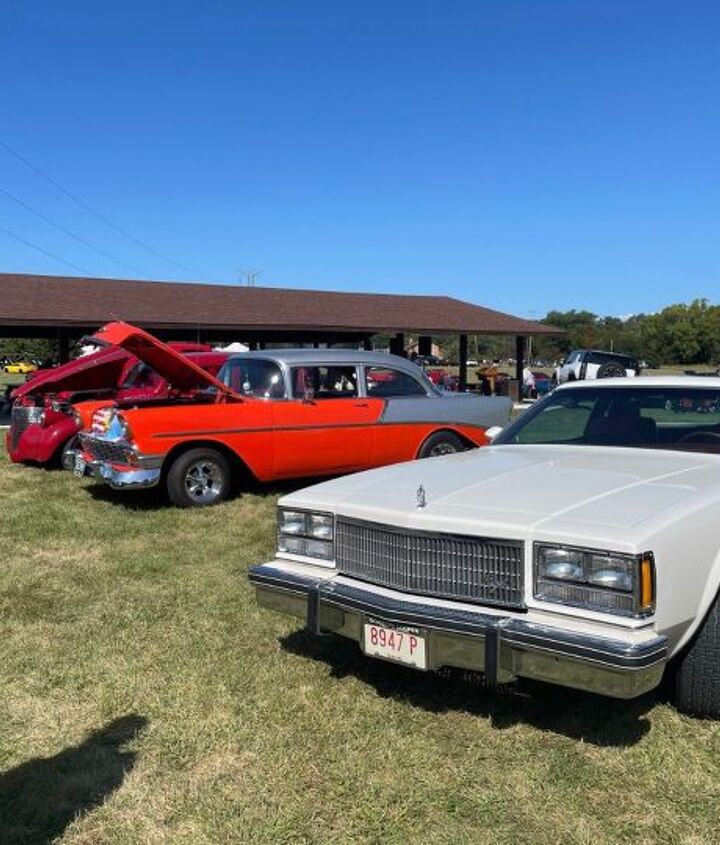
Older automobiles that could easily be serviced and repaired, exceeding 250,000 miles in the process, would be supplanted by new models that were impossible to maintain and lasted an estimated 100,000 miles before the lofty repair bills became too much to endure.
Installing new parts on a vehicle has been relatively straightforward until recently. Assuming it was sized to occupy the allotted space and designed to interface with the surrounding components, there really wasn’t anything stopping you from throwing it onto the vehicle. Now, that’s being made significantly more difficult due to the sheer number of components that have been electronically laced together on modern automobiles.
The issue is assumed to worsen over time, as more companies pivot to “software defined vehicles.” Chello used transmission replacements as an example, suggesting that the shorter lifespan of modern units would presumably require secondhand owners to have some amount of work done. But that customers will effectively be locked into going through the manufacturer and paying more for both the labor and components.
Basically, the vehicle would throw an electronic fit unless it could recognize an OEM part while also being fed data from a factory approved service center. We’ve actually seen this happen already with equipment from John Deere, leading to countless farmers being outraged over being unable to service their own tractors. This, along with Apple designing phones to be less user serviceable, is what helped launch the right-to-repair movement.
Automakers are only a few years behind cell phone manufacturers and companies like John Deere. They’re also following their playbook as closely as possible, going so far to publicly proclaim that they are transitioning into technology companies — rather than traditional automakers.

But the end result is that newer cars now come with all of the downsides of your smartphone while costing significantly more money. Automakers are likewise making routine maintenance more difficult or telling owners to forego things like replacing your transmission fluid. Oil change intervals have also stretched out to an absolutely ridiculous 10,000 miles.
Meanwhile, the technological nannies that are supposed to help keep you safe haven’t resulted in any obvious improvements in roadway safety. In actuality, roadway facilities have only increased since touchscreens and automatic braking have become commonplace. As a byproduct, the sensing equipment has made certain kinds of basic repairs astronomically expensive.
During the interview, our whistleblower stated that automakers do make some money off supplying parts to service centers. But the main goal is to make modern vehicles so short-lived that customers are forced to buy a new one more frequently or opt into perpetually leasing them. Ideally, automakers also want buyers using their financing to ensure they’re making extra money off the interest.
Even though the average car buyer showcases a surprising amount of apathy toward the above changes ( something Ford executives recently touched upon), Chello suggested that customers had effectively become victims of the industry pursuing arguably predatory trends. But he offered a few solutions.
With sufficient research, he suggested consumers could still find certain vehicles that are still user serviceable. While the requisite maintenance may be harder conduct without specialized tools, doing so could carry those models beyond 200,000 miles without issue. However, he suggested owners would need to place those vehicles on an extremely aggressive maintenance routine for that to happen and speculated the poor-quality materials used in modern powertrains could still lead to premature wear.
The only other option is to procure an older vehicle in relatively good shape, lacking a surplus of systems tied to control modules, that can be maintained or restored. Chello said that was his preferred choice and that it was also probably his best chance in terms of saving money over time. However, he admitted that’s not a realistic solution for most drivers.
The complete interview offers a surplus of direct examples of how much the automotive industry has changed since the 1990s and we’ve really just managed to scratch the surface in this admittedly lengthy article. But it’s an important topic for gear heads and something that is forcing all drivers to spend more money on lower-quality vehicles and fundamentally changing what it means to own an automobile. It’s well worth a listen for car people, as we were only able to cover a fraction of the main points here.

[Images: General Motors]
Become a TTAC insider. Get the latest news, features, TTAC takes, and everything else that gets to the truth about cars first by subscribing to our newsletter.
Consumer advocate tracking industry trends and regulations. Before joining TTAC, Matt spent a decade working for marketing and research firms based in NYC. Clients included several of the world’s largest automakers, global tire brands, and aftermarket part suppliers. Dissatisfied, he pivoted to writing about cars. Since then, he has become an ardent supporter of the right-to-repair movement, been interviewed about the automotive sector by national broadcasts, participated in a few amateur rallying events, and driven more rental cars than anyone ever should. Handy with a wrench, Matt grew up surrounded by Detroit auto workers and learned to drive by twelve. A contrarian, Matt claims to prefer understeer and motorcycles.
More by Matt Posky









Comments
Join the conversation
G.M,,,GENERIC MANUFACTURING!
Lately I´ve been buying older cars as new cars are unappealing to me. I´ve seen cars since the 60´s and definitively automobile industry have been involving with the time. New cars may have lots of technology (in most cases unnecessary), but when driving them, they transmit nothing and are boring. Refering to maintenance, there´s nothing like earlier cars. I really don´t see how a 2025 model car full of technology and astronomically expensive to maintain can become a collectible car. Yes, I use a Chevy Volt/Opel Ampera as daily transportation, but I also owe a 1979 Chevy Malibu, a 1999 Chrysler Stratus and a 1995 Ford Scorpio Cosworth which are much more enjoyable, fun to drive and easy to maintain. I´m 60 now and I will buy in the future, cars I like and enjoy even if they are not new. I´m in my second half of my life and features like technology in a car are unimportant to me. If I don´t enjoy or like the car, I will simply not buy it. For example SUV´s. There´s no human power that´s going to make me buy one for the simple reason that I don´t like them.