


Bozi Breakdown #8: Pit Lane Drama at Darlington
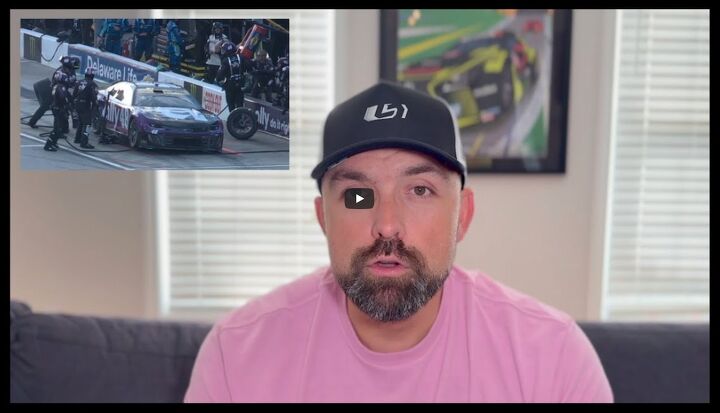
Darlington was a very eventful race on pit lane with seemingly endless actions and mistakes. We dig into the details of the day of every playoff pit crew plus mention some non-playoff notables that were chomping at record pit stop times.
TTAC Creator Bozidar “Bozi” Tatarević is a Bosnian-American racing mechanic, writer, and technical consultant born in Sarajevo in 1986. After immigrating to the U.S. in 1995, he learned English in elementary school and eventually turned his passion for cars — fostered by his father, Slav — into a full-time career.
Laid off from a tech job in 2008, Bozi began wrenching professionally, eventually launching a shop and car export business with his family. His technical message board posts led to a writing career with outlets like TTAC, Motorsport.com, Road & Track and Racecar Engineering.
In 2018, he made his pro mechanic debut at Watkins Glen and now works as a tire carrier and mechanic for Vasser Sullivan Racing in IMSA, with 10 wins and a 2023 GTD Pro title. Bozi also consults via his agency Podium Prime, with clients ranging from race teams to media production companies.
Ed. Note: this podcast initially ran several months ago and it's been moved so that those who missed it the first time get a chance to see it.
The TTAC Creators Series tells stories and amplifies creators from all corners of the car world, including culture, dealerships, collections, modified builds and more.
An AI-generated transcript summary, edited by a staffer, is below.
[Image: Bozi Breakdown #5/YouTube]
Become a TTAC insider. Get the latest news, features, TTAC takes, and everything else that gets to the truth about cars first by subscribing to our newsletter.
The transcript analyzes NASCAR pit crew performances during the Southern 500 at Darlington, focusing on how pit road execution shaped the race and playoff implications.
Key themes include:
- Mistakes under pressure: The No. 48 crew for Alex Bowman suffered a major delay due to a wheel gun and nitrogen hose issue. The speaker criticizes the crew’s lack of preparation and poor handling of backup equipment, calling it a preventable error that likely cost them the race.
- Quick thinking saving disaster: William Byron’s No. 24 crew avoided a loose-wheel penalty when tire carrier Ryan Patton physically stopped the car from leaving the pit box. The moment highlighted strong communication and preparedness.
- Denny Hamlin’s disastrous stop: The No. 11 crew experienced compounded problems after Hamlin slid into the pit box. A dropped jack, missed timing, and a lost wedge wrench turned a small driver error into a massive time loss.
- Exceptional performances: Chase Briscoe’s No. 19 crew stood out for elite consistency, repeatedly delivering pit stops in the low 8-second range and helping Briscoe maintain track position. The speaker praises the chemistry and experience of the crew.
- Strong recoveries and adaptability: Bubba Wallace’s No. 23 team handled a right-rear issue carefully to avoid disaster, while Tyler Reddick’s No. 45 crew adapted to damage from an early incident and remained competitive late in the race.
- Adjustment-heavy races: Shane van Gisbergen’s No. 88 crew logged extremely long stops, but mostly because mechanics made major handling adjustments rather than because of poor pit crew execution.
- Non-playoff teams impressing: Several non-playoff crews delivered some of the fastest and most consistent stops of the race:
- AJ Allmendinger’s No. 16 crew consistently ran in the 8-second range.
- Legacy Motor Club’s No. 42 crew recorded its fastest stop of the season.
- Chris Buescher’s No. 17 RFK crew recorded an 8.06-second stop, believed to be the second-fastest four-tire pit stop ever recorded.
- Bigger takeaway: The speaker argues that pit crews are becoming increasingly important in the NASCAR playoffs, with fractions of a second deciding track position and race outcomes. They also suggest a 7-second pit stop could realistically happen soon based on current trends and practice times.

TTAC Creator Bozidar “Bozi” Tatarević is a Bosnian-American racing mechanic, writer, and technical consultant born in Sarajevo in 1986. After immigrating to the U.S. in 1995, he learned English in elementary school and eventually turned his passion for cars—fostered by his father Slav—into a full-time career. Laid off from a tech job in 2008, Bozi began wrenching professionally, eventually launching a shop and car export business with his family. His technical message board posts led to a writing career with outlets like TTAC, Motorsport.com, Road & Track and Racecar Engineering. In 2018, he made his pro mechanic debut at Watkins Glen and now works as a tire carrier and mechanic for Vasser Sullivan Racing in IMSA, with 10 wins and a 2023 GTD Pro title. Bozi also consults via his agency Podium Prime, with clients ranging from race teams to media production companies.
More by Bozi Tatarevic, TTAC Creator







Comments
Join the conversation
This place is sh!+ now
2 stories a day, mostly from contributors...time to crash out