


Abandoned History: OBD-II and the Standardization of Our Troubles (Part II)

We began our deep dive into the history of on-board diagnostics last week. OBD began in earnest on the 1967 Volkswagen Type 3 when it launched with an engine that featured electronic fuel injection. Regulation pushed things forward over the years: Emissions standards and monitoring were required by law, and manufacturers had to implement some sort of system to provide diagnostics. What resulted was a proprietary connector that linked the car to the proprietary OEM diagnostic computer, and it provided real-time information. It would later be called the OBD-I era.
These diagnostic computers began as manual (mechanically driven), and became electronic in the Seventies. Eventually the OEMs created an electronic linkage between the proprietary diagnostic machines and the car directly. GM pioneered the idea in 1981 when it implemented Computer Command Control across all its passenger vehicles.
But diagnostic information for drivers was still limited at this time. In lower-end GM models without electronic climate control to display DTCs, drivers relied on flashes of the check engine light. Most manufacturers implemented the same sort of idea in the early Eighties. When a vehicle made between about 1982 and 1995 was put into a service or diagnostic mode, it would display error codes with flashing sequences that indicated numbers. Count the flashes and write down the digits.
Like an automotive Morse Code, the flashes continued through the list of stored codes and then would repeat. From there, it was down to the driver to find a list of codes somewhere on paper. The entire setup was a Wild West.
There was no standardized system for coding, or set of specific parameters to cause an error code. In a period eventually labeled OBD-I, each manufacturer created their own trouble codes. Flashing methodology was not the same between manufacturers, in number, digit count, or in light used. One flash of a light could count as 1 or as 10 depending on where it was in the sequence, and which manufacturer made the vehicle. Figure it out, consumer!
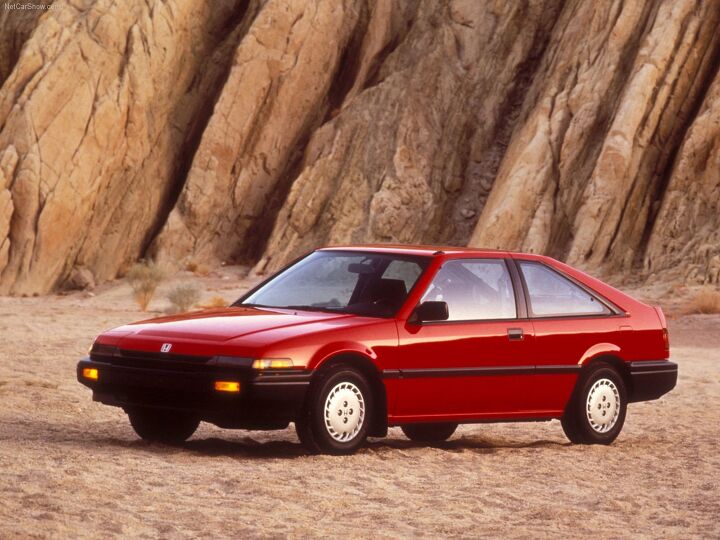
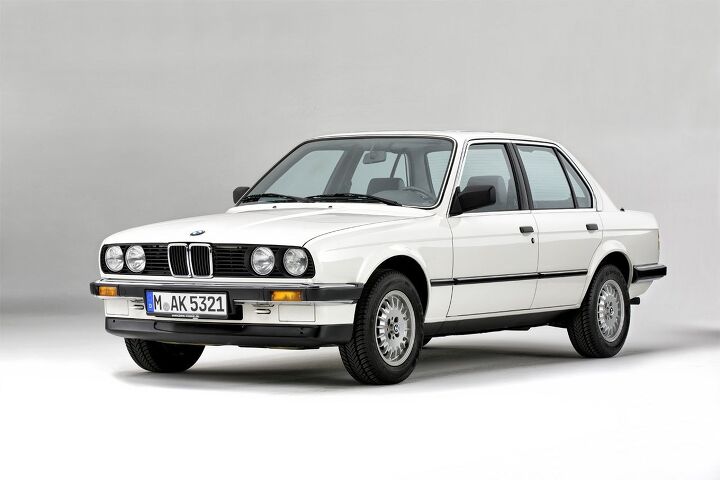
GM used additional flashing lights which varied by model, like the ABS or shift indicator light in addition to the check engine light. Nissan added red and green LEDs to the ECU case, which was located under the passenger seat, or even under the carpet. Those LEDs flashed in addition to dash indicators when the car was placed in diagnostic mode. Honda used a singular LED on the body of the ECU that flashed alongside the light on the dash. BMW resisted, and did not offer OBD in its vehicles until it phased in a large 20-pin connector between 1987 and 1989.
Once codes were obtained through their various methods, one could consult the applicable code book for that particular make and model. For example, Nissan vehicles from ‘86.5 to ‘95 used code 32 to indicate an EGR function issue. In Honda vehicles the code was 12. GM used multiple EGR fault codes: 53, 54, 55, 75, 76, 77. Audi used four-digit codes in 1987, where an EGR issue was indicated by 2411.
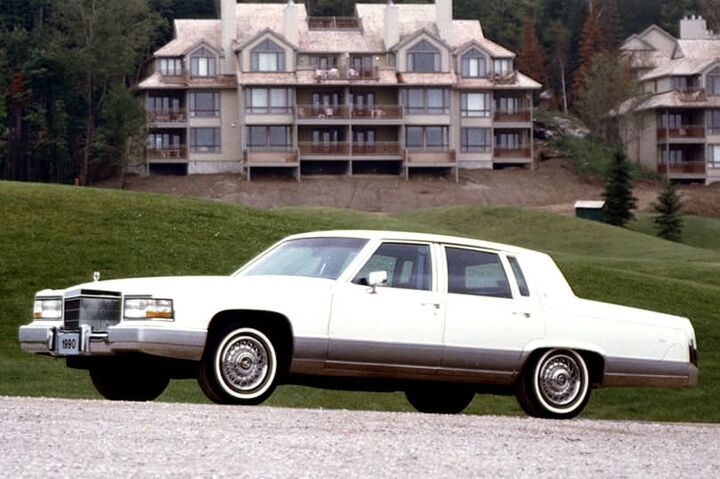
The GM diagnostic system had more codes because was more complex than other manufacturers in the Eighties, and was further upgraded in 1986 with additional computer power. Though some manufacturers were yet to implement an OBD system, that changed in 1988. CARB mandated that all new vehicles sold in California from 1988 onward had to have OBD capabilities, even if they were basic.
After the hugely complex system was in place and effectively required for all cars in the United States, the Society of Automotive Engineers (SAE) suggested there should be a standardized connector and set of codes. These would be shared across the industry, and put an end to the proprietary connector and diagnostic machine arrangement.
In 1990 there were amendments made to the federal Clean Air Act that instructed the EPA to create rules for standardized on-board diagnostics. The EPA drug its feet on the process, but California was on the ball. It took notice of the standardization suggestion from the SAE in 1988.
California wanted to implement emissions testing across the state, which would be very complicated to administer with OBD-I in place. CARB issued a new mandate in 1994: Move to a consolidated standard, or don’t sell cars in California.
Connectors and diagnostics were to be standardized, and the standardization required a singular list of codes across all vehicles. Known as OBD-II, the mandate gave a short preparation period. It was required to sell any new vehicle in California in 1996. The federal government was quick to support OBD-II, and mirrored California’s new requirements for the entire country.
To ensure the largest fleet adoption possible, OBD-II applied to all passenger vehicles and gasoline-powered light trucks with a gross vehicle weight rating (GWVR) of less than 8,500 pounds. In California, the regulation applied for all vehicles with a GWVR of up to 14,000 pounds. In 1997 CARB extended the rule to diesel-powered vehicles of up to 14,000 pounds.
Manufacturers had to prepare quickly, and did not enjoy spending new development dollars on vehicles that were at or near the end of their model cycle. Re-engineering the control unit of each vehicle and adding additional sensors and some software caused the price of a vehicle to increase about $61 ($ adj) in 1996.
New cars were standardized with a new connector, the 16-pin Data Link Connector. Identified in the SAE J1962 standard, the connector has just two layouts. One is 12-volt and is for passenger cars and light trucks (Type A), while the Type B is a 24-volt variant for commercial vehicles.
With OBD-II in place, the automotive manufacturers were all on the same page. Part of that same page was keeping OBD-II to themselves, and ensuring their franchised dealers could service new vehicles. That kept independent shops out of the mix, and left them to service older OBD-I vehicles. Independent mechanics cried foul on this setup, and sued the EPA almost immediately. We’ll pick up there next time.
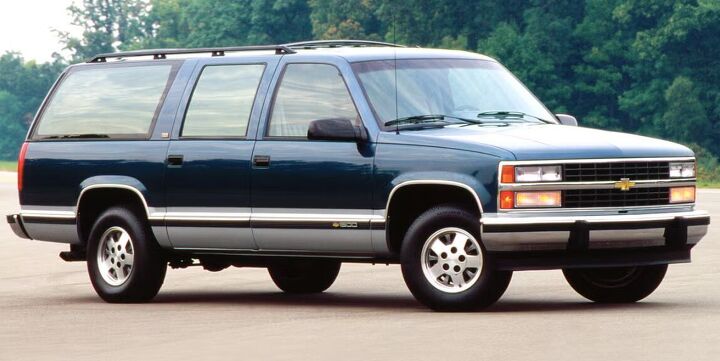
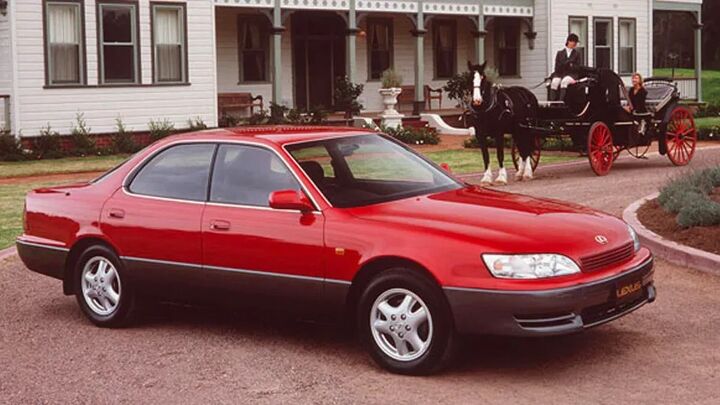
[Images: Honda, BMW, GM, Lexus]
Become a TTAC insider. Get the latest news, features, TTAC takes, and everything else that gets to the truth about cars first by subscribing to our newsletter.
Interested in lots of cars and their various historical contexts. Started writing articles for TTAC in late 2016, when my first posts were QOTDs. From there I started a few new series like Rare Rides, Buy/Drive/Burn, Abandoned History, and most recently Rare Rides Icons. Operating from a home base in Cincinnati, Ohio, a relative auto journalist dead zone. Many of my articles are prompted by something I'll see on social media that sparks my interest and causes me to research. Finding articles and information from the early days of the internet and beyond that covers the little details lost to time: trim packages, color and wheel choices, interior fabrics. Beyond those, I'm fascinated by automotive industry experiments, both failures and successes. Find me on Twitter, @CoreyLewis86.
More by Corey Lewis









Comments
Join the conversation
Back in the day both of my Park Avenues came with the Electronic Touch Climate Control modules, which were specific to the C- and H-body Buicks for 1985 through 1990. I remember there was a hidden, blank touch spot between the HI fan setting and the outside temp spot (it was a touch-sensitive membrane over what I assume was a capacative sensor, so not a hard button like on the Oldsmobiles and Cadillacs). When pressed, this hidden button for me would always display "00" in the temp display.
Corey's post put the idea back in my brain that I never really knew what this secret button was for. According to a quick internet search, on these modules it was a diagnostic mode just for the HVAC module -- and "00" meant everything was fine. Seems like a bit of a waste when GM could have expanded it to include all of the OBD functions (like Cadillac) and not just something limited to the HVAC control.
Pre-bankruptcy GM was a curious combination of both the finest engineering in the world and the most half-assed.