
Junkyard Find: 1989 Chevrolet Caprice Sedan
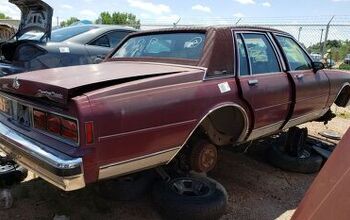
By the late 1980s, it was clear that the decades-long era of boxy, rear-wheel-drive Detroit full-size sedans was coming to a close. For The General's Chevrolet Division, the facelifted 1986-1990 version of the venerable third-generation Caprice was the last of its type, and I've found one of these cars in a Denver-area junkyard.
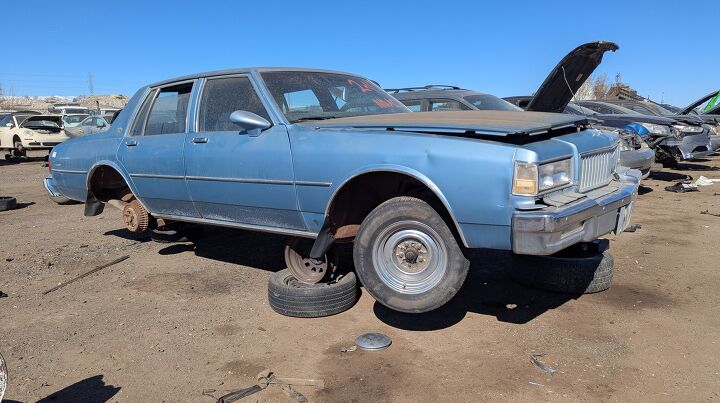
GM was still selling plenty of these cars at the end, despite increasing showroom competition from SUVs and an angular shape that hurt fuel efficiency while looking dated. For the 1989 model year, 173,255 new Caprices were sold in the United States.
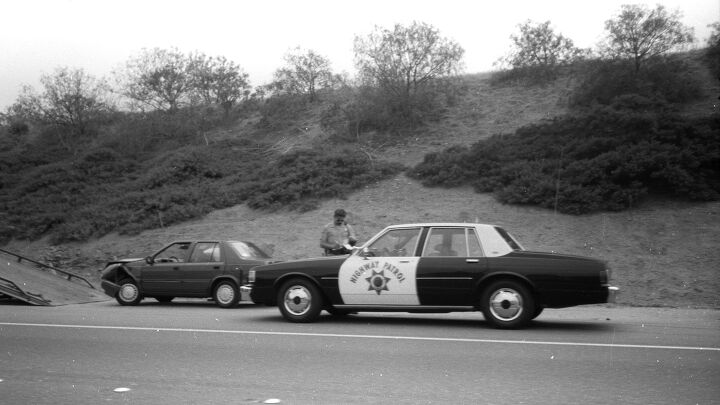
Yes, fleet sales made up a hefty fraction of that total (I took this photo of a California Highway Patrol box Caprice rescuing a crashed Jetta on Interstate 5 in 1991), but this kind of car still found plenty of civilian Chevy buyers in the late 1980s.
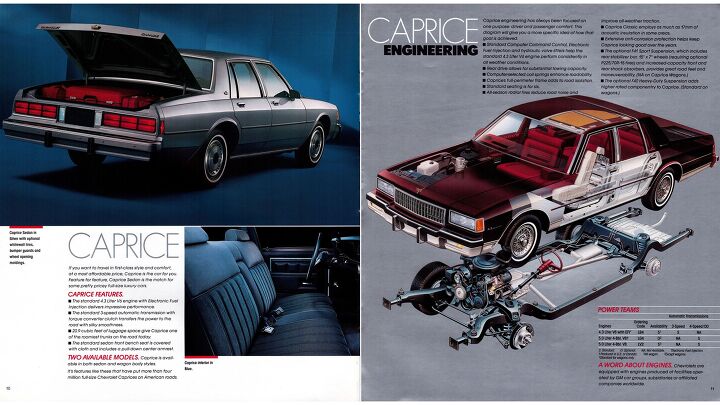
This generation of full-size Chevrolet first appeared as a 1977 model, after a ruthless downsizing. 5-½ inches were sliced out of that car's wheelbase and better than 600 pounds were shed versus its 1976 predecessor.
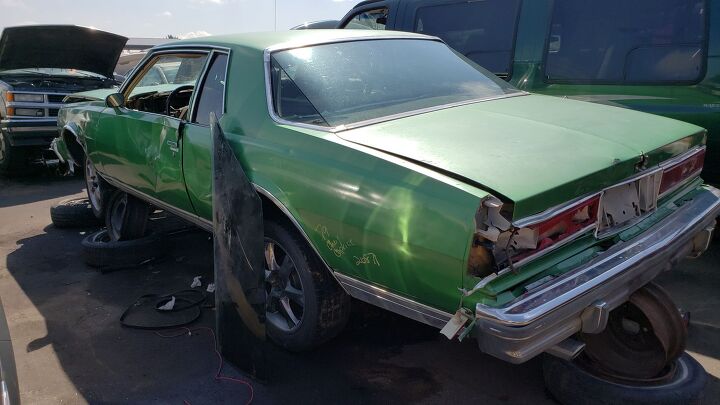
The two-door version managed to hang on through 1987 and the wagon stayed in production until the very end. The Impala name got the axe after 1985, which meant that the Caprice name had outlasted that of the Impala plus the Delray, Bel Air, Biscayne and all those goofy station Chevy station wagon designations (e.g., the Yeoman).
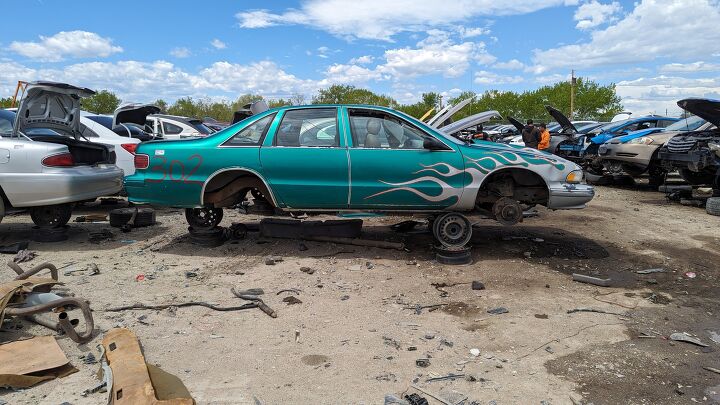
The fourth-generation 1991-1996 "whale" Caprice rode on what amounted to the 1977 chassis and its powertrain didn't change much compared to the '90, but that rounded body with its flush glass showed that The General had finally surrendered to the Audi/Taurus-ization of car design. Even bringing back the Impala name for 1994 didn't lessen the sting for boxy RWD sedan traditionalists.
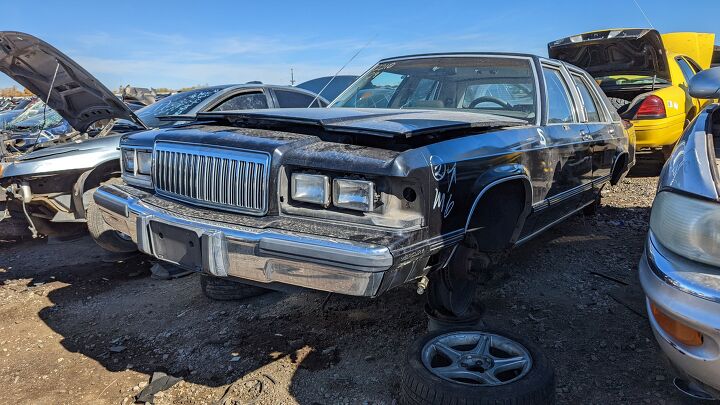
Ford sold the box LTD Crown Victoria and Grand Marquis through the 1991 model year, while Cadillac kept the squared-off RWD Brougham going through 1992. Chrysler's last gasp in the RWD box sedan game came in 1989 when the final Fifth Avenues, Diplomats and Gran Furies were made (and those M-Body machines were mid-size cars, anyway).
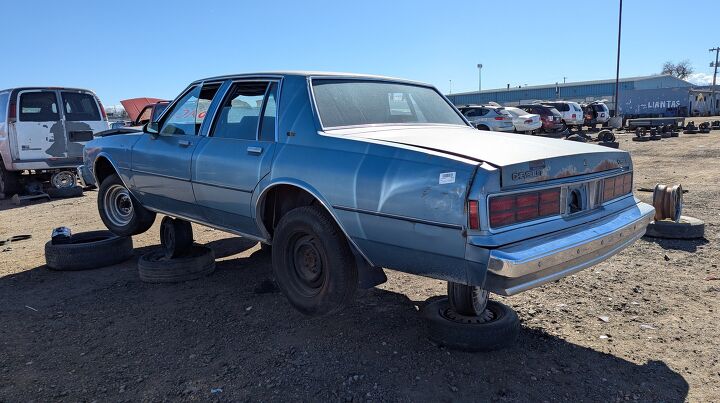
The Chevrolet Division sold well over a million 1986-1990 Caprices (including wagons), with 211,552 in 1990 alone. Of course, Chevrolet dealers also moved nearly 300,000 new Blazers and Suburbans that year.
How did the curvaceous 1991 Caprice fare on the showroom floor? 89,297 sold.
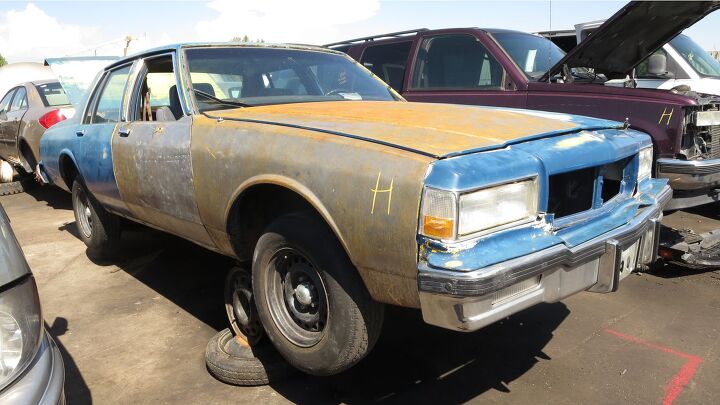
As recently as a decade ago, these cars were commonplace in self-service car graveyards.
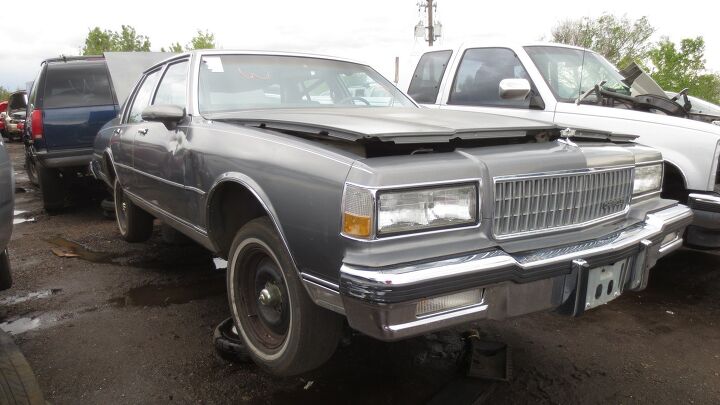
Now they're quite rare, especially non-trashed examples.
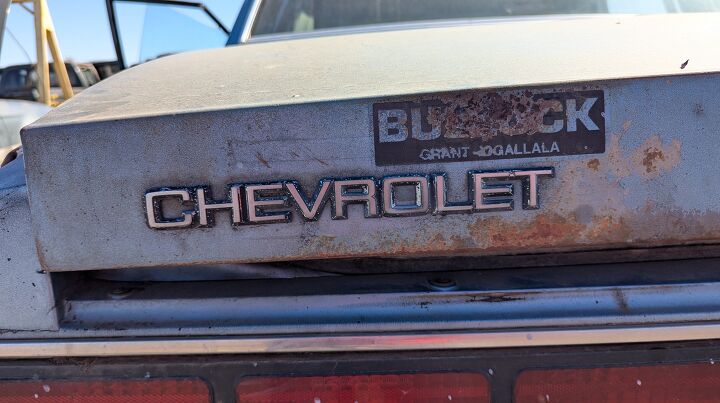
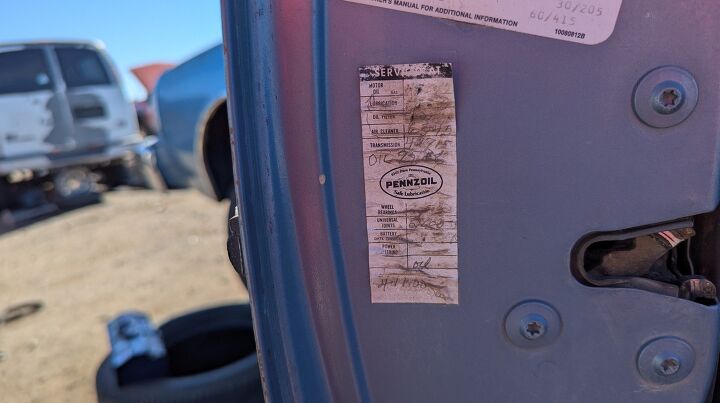
Let's take a closer look at today's Junkyard Find. It appears to have been sold new at Bullock Chevrolet in Grant, Nebraska. Grant is pretty close to the Colorado state line, about three hours' drive to the northeast from this car's current location.
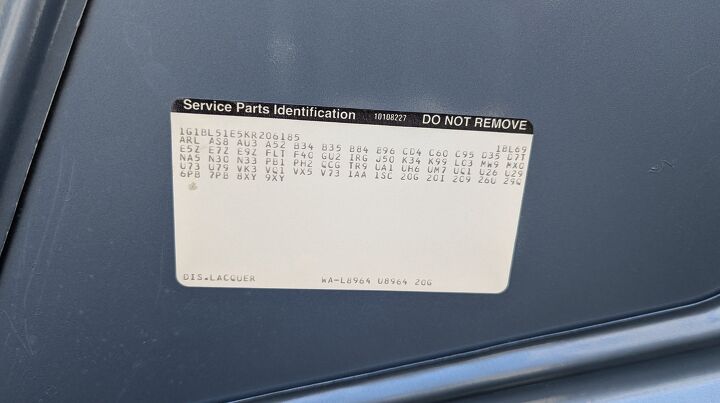
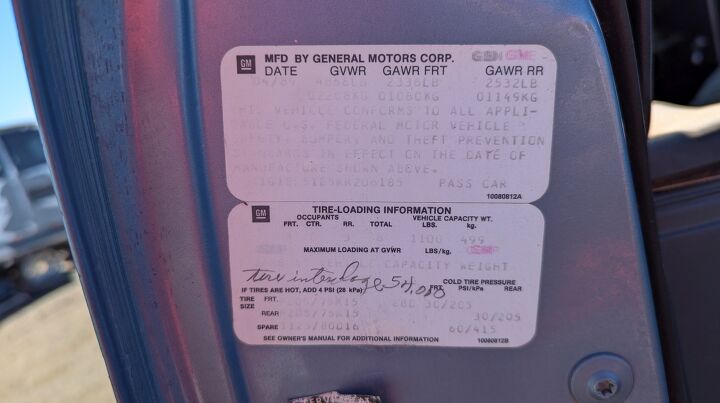
The Service Parts Identification sticker tells us that it was built at Arlington Assembly, near Dallas, and that it's a base Caprice model (not a Caprice Classic) with the fleet package. Some of the codes indicate deleted law-enforcement options, so it wasn't a police car.
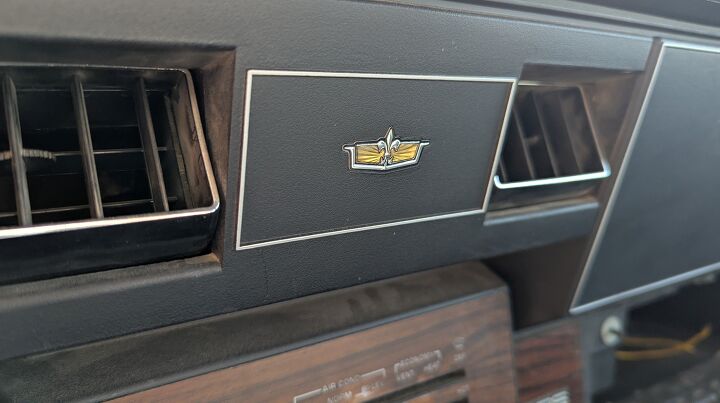
The MSRP would have started at $13,865, which comes to about $37,414 in 2026 dollars. It has a bunch of options that would have pushed that figure up quite a bit, though.
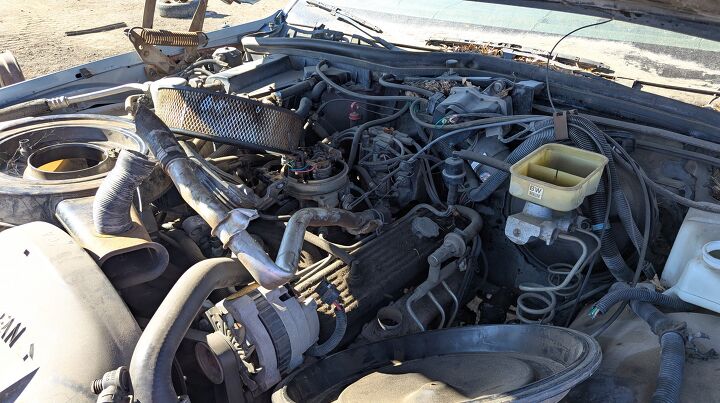
Only one engine was available on the 1989 Caprice sedan: a fuel-injected 305-cubic-inch (5.0-liter) small-block V8, rated at 170 horsepower and 255 pound-feet. The Caprice wagon for '89 had a four-barrel carburetor and five fewer pound-feet.
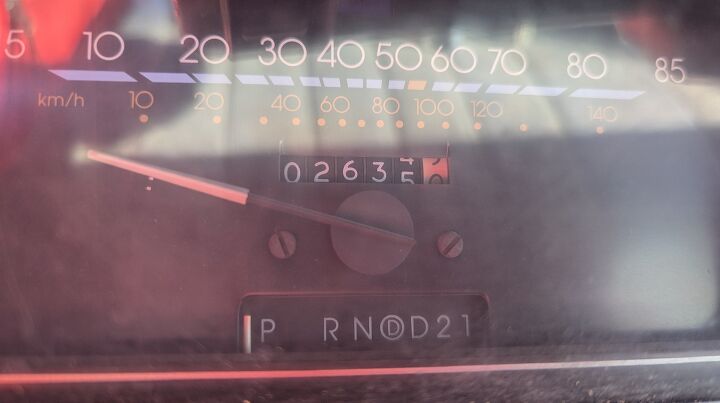
The final model year in which American Caprice buyers could get a manual transmission was 1971, so this car has the mandatory four-speed automatic. The five-digit odometer means that we can't know the true final mileage, although the nice interior plus un-worn brake pedal suggest that 102,635 is the most plausible figure.
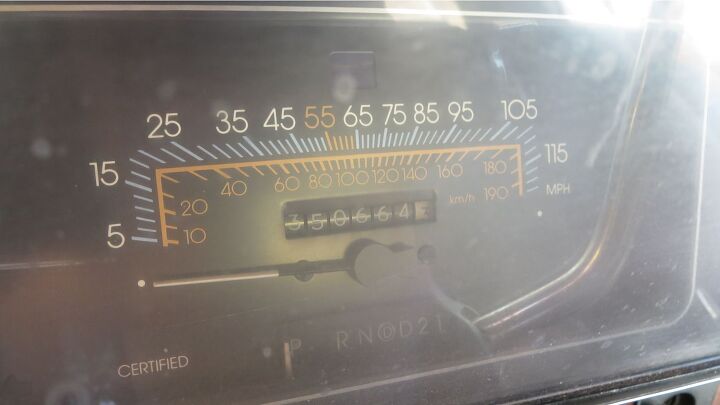
GM finally put "million-mile" odometers in Caprices for 1990, which means that a 350k-mile ex-taxi from that year currently holds the #6 spot in the Murilee Martin USA!  USA! USA! Junkyard Odometer Standings.
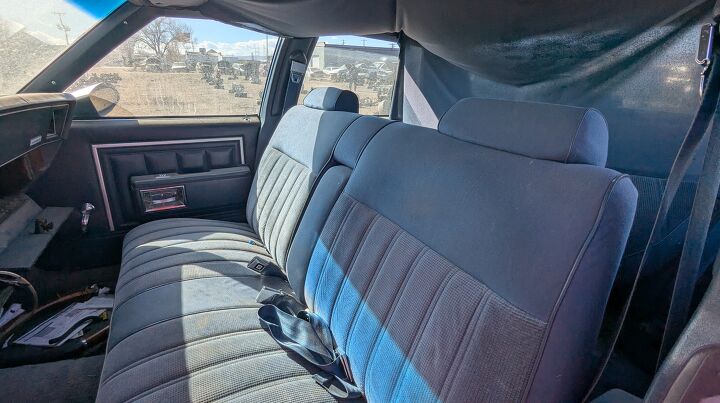
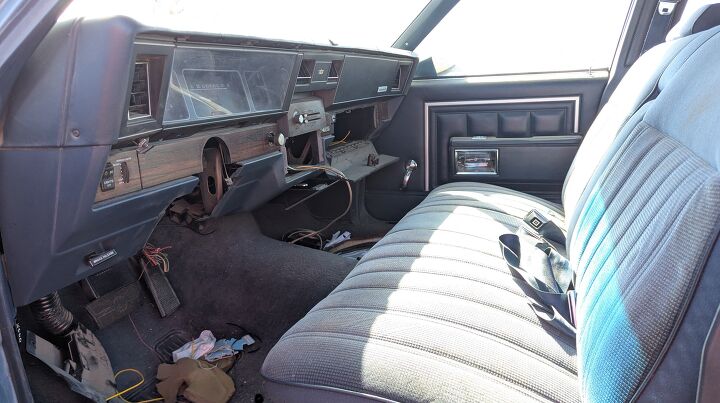
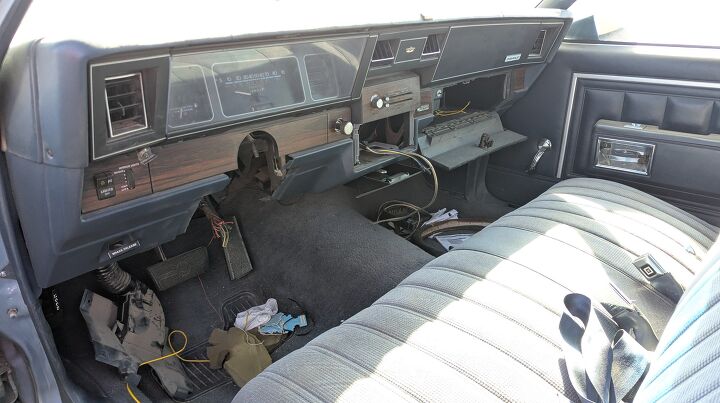
The bench seat upholstery and door panels are in great condition.
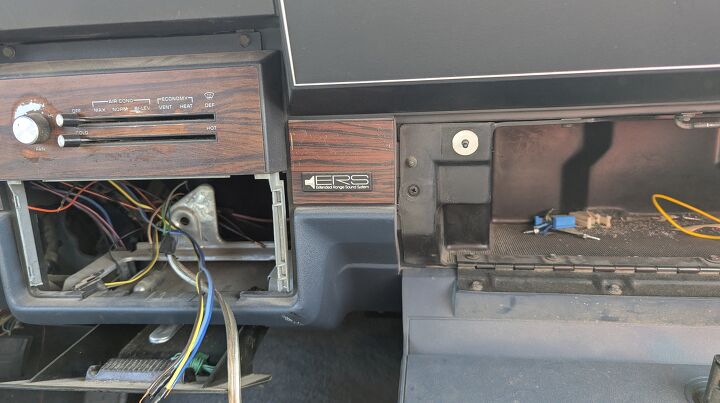
The original radio is gone, but the Extended Range Sound System badge indicates that this car was sold with the Caprice Sedan Preferred Equipment Group 2, a $232 option ($626 after inflation).
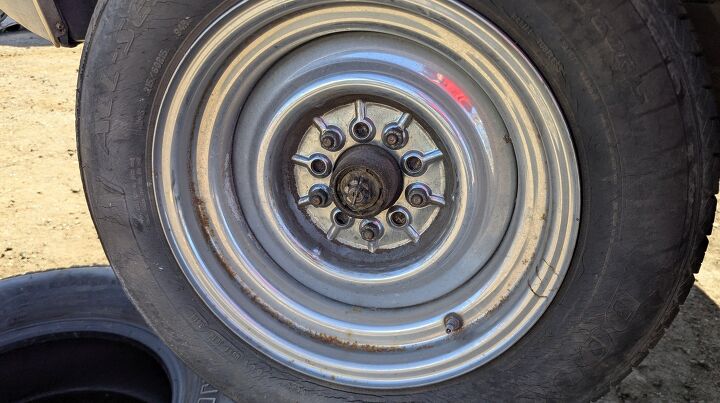
These dual-bolt-pattern wheels aren't as scary as the "universal" ones with slots for the wheel studs, but they've always made me a little nervous.
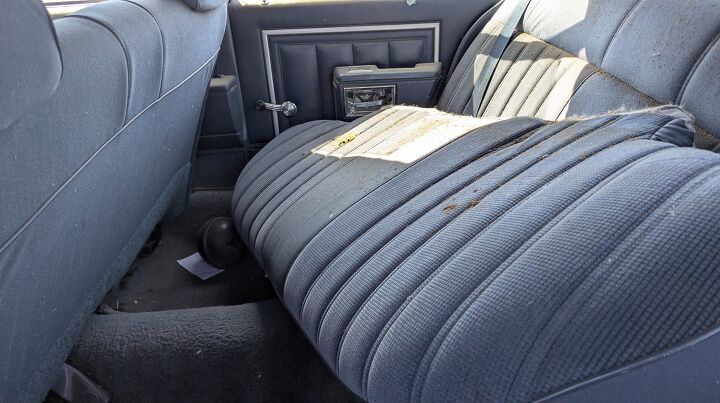
This is one of those cars that many enthusiasts say they want, but where are those guys when it comes time to rescue these cars at the trade-in and impounded-cars auctions?
"But the fact that you can still get all this room, comfort and big-hearted luxury at a Chevrolet price could be the best surprise of all."
It's telling that this high-production-value "Heartbeat of America" commercial with Aretha Franklin only shows two brief flashes of the Caprice: one taxi and one police car.
Why get an LTD Crown Victoria when you could have this?
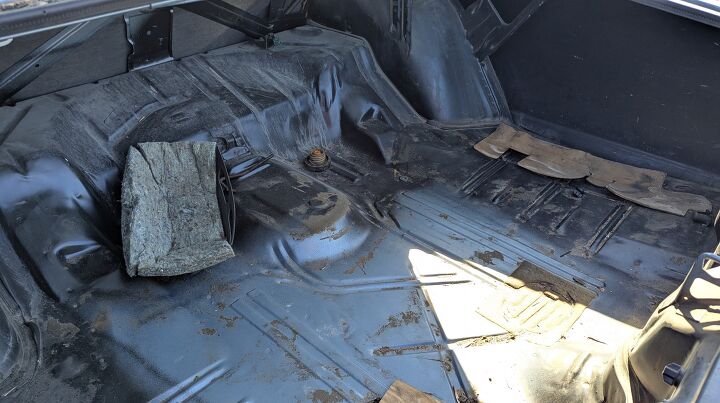
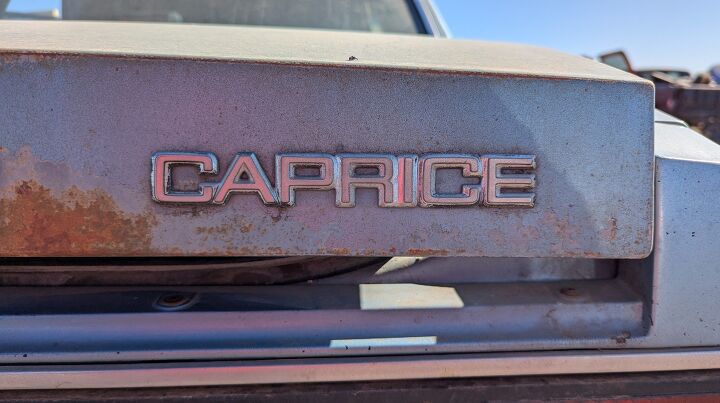
1989 Chevrolet Caprice sedan in Colorado junkyard.
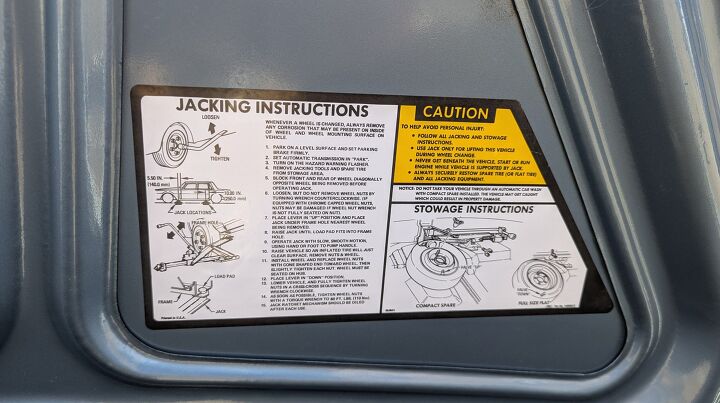
1989 Chevrolet Caprice sedan in Colorado junkyard.
1989 Chevrolet Caprice sedan in Colorado junkyard.
1989 Chevrolet Caprice sedan in Colorado junkyard.
1989 Chevrolet Caprice sedan in Colorado junkyard.
1989 Chevrolet Caprice sedan in Colorado junkyard.
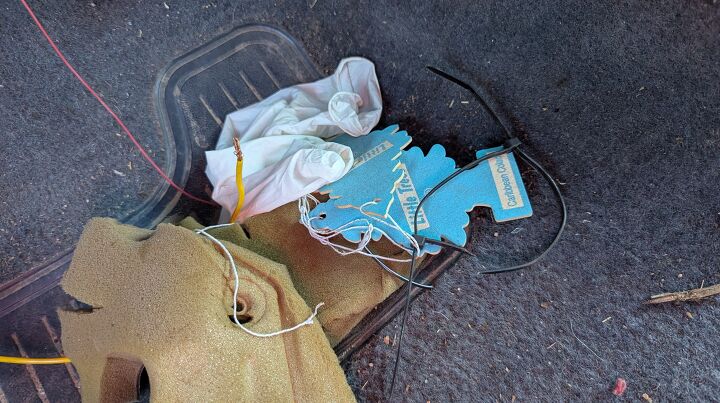
1989 Chevrolet Caprice sedan in Colorado junkyard.
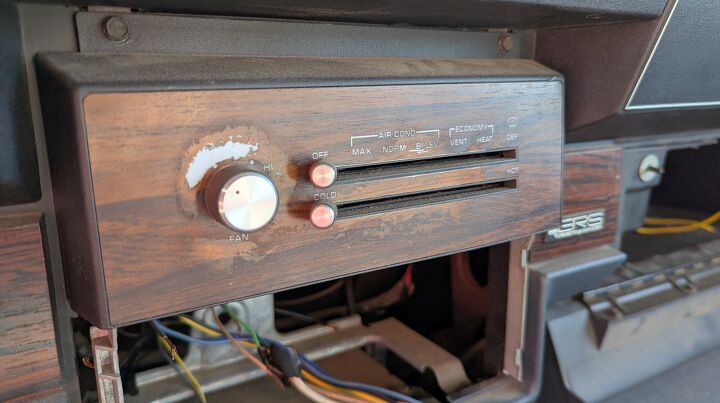
1989 Chevrolet Caprice sedan in Colorado junkyard.
1989 Chevrolet Caprice sedan in Colorado junkyard.
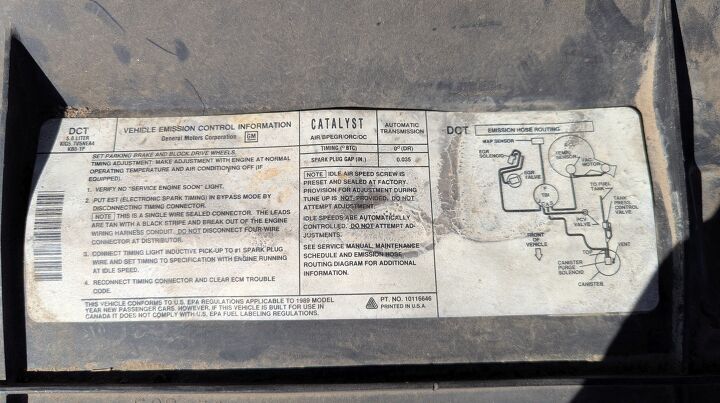
1989 Chevrolet Caprice sedan in Colorado junkyard.
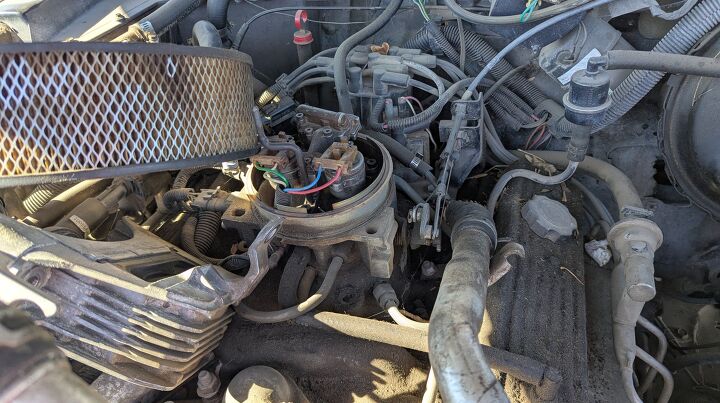
1989 Chevrolet Caprice sedan in Colorado junkyard.
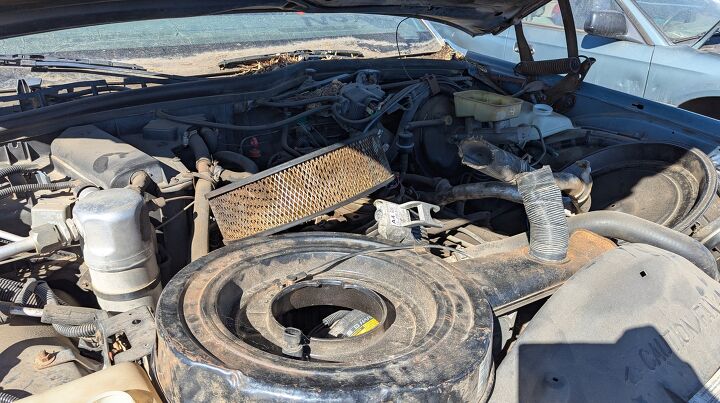
1989 Chevrolet Caprice sedan in Colorado junkyard.
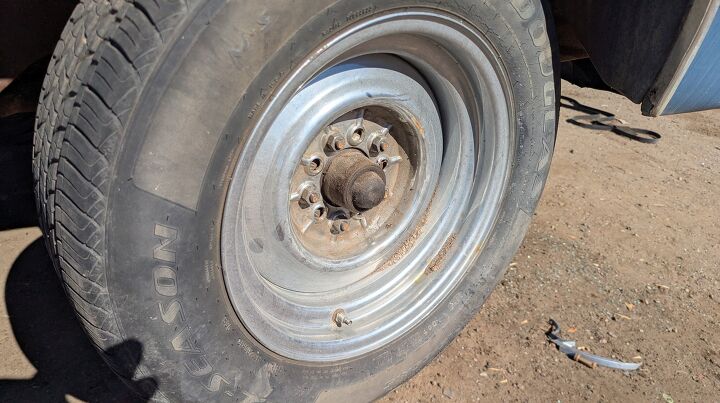
1989 Chevrolet Caprice sedan in Colorado junkyard.
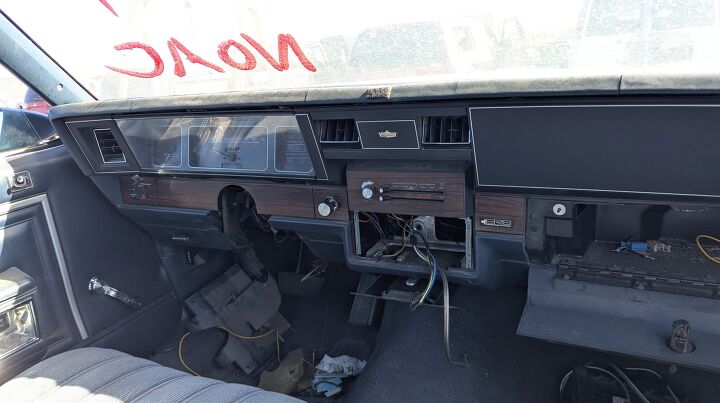
1989 Chevrolet Caprice sedan in Colorado junkyard.
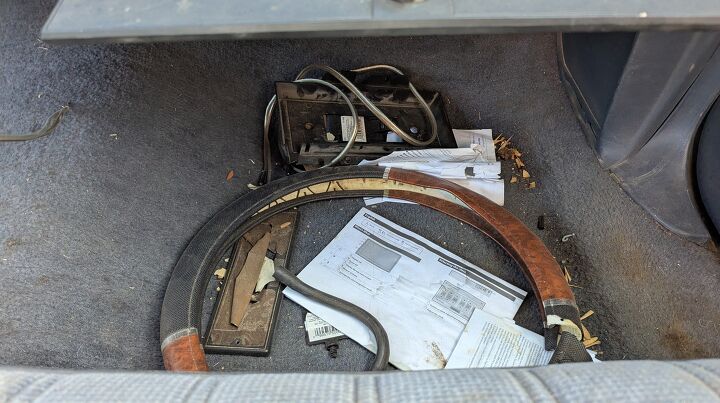
1989 Chevrolet Caprice sedan in Colorado junkyard.
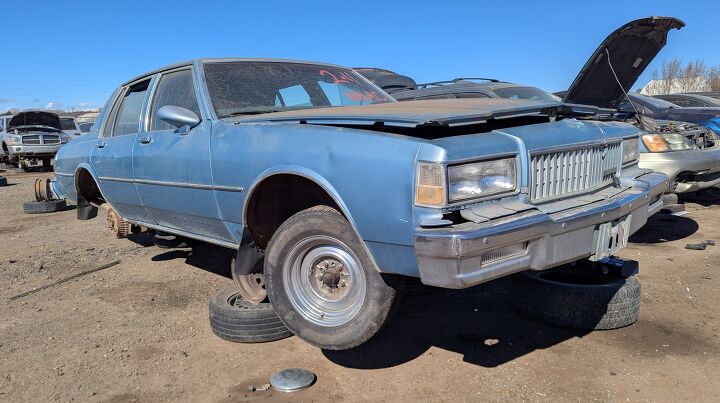
1989 Chevrolet Caprice sedan in Colorado junkyard.
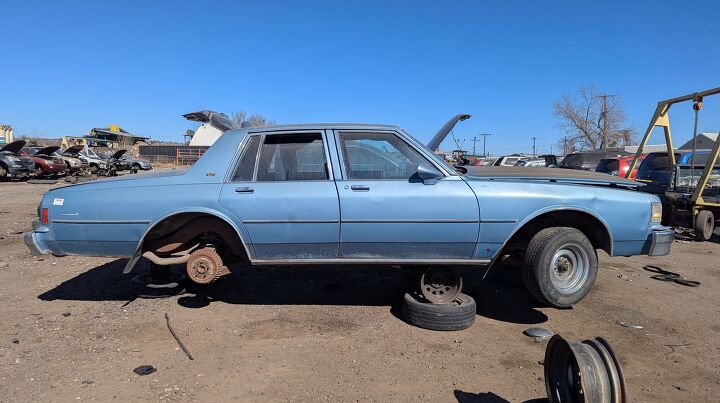
1989 Chevrolet Caprice sedan in Colorado junkyard.
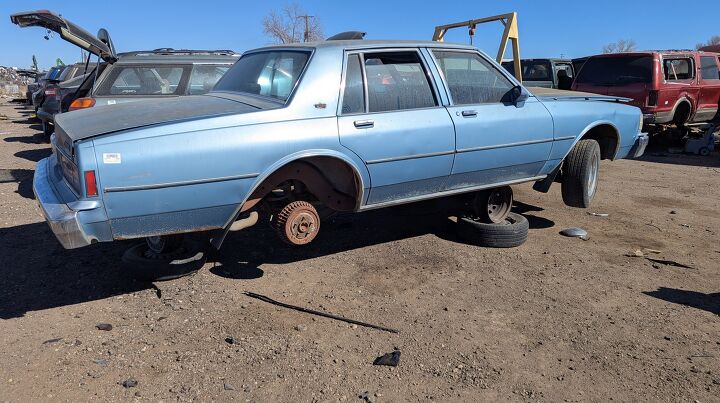
1989 Chevrolet Caprice sedan in Colorado junkyard.
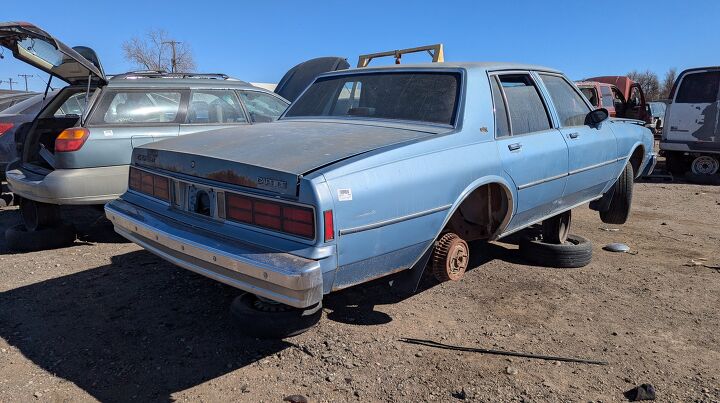
1989 Chevrolet Caprice sedan in Colorado junkyard.
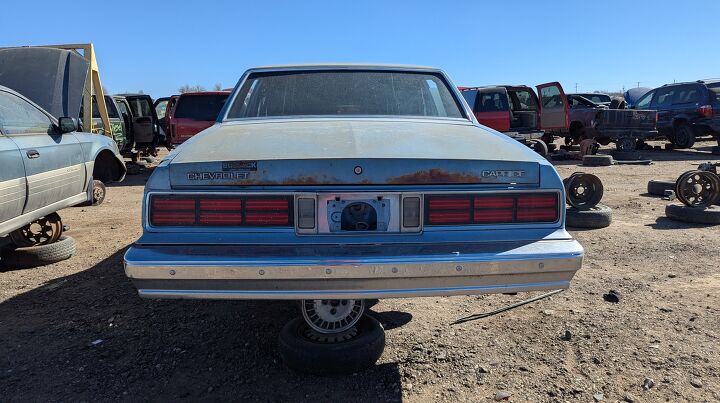
1989 Chevrolet Caprice sedan in Colorado junkyard.
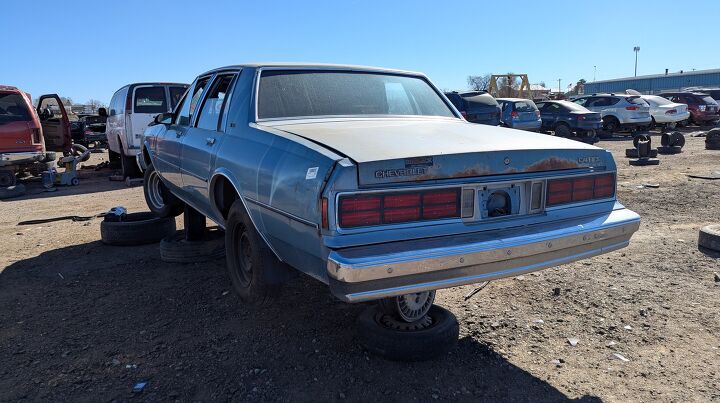
1989 Chevrolet Caprice sedan in Colorado junkyard.
[Images: The Author]
Become a TTAC insider. Get the latest news, features, TTAC takes, and everything else that gets to the truth about cars first by subscribing to our newsletter.

Murilee Martin is the pen name of Phil Greden, a writer who has lived in Minnesota, California, Georgia and (now) Colorado. He has toiled at copywriting, technical writing, junkmail writing, fiction writing and now automotive writing. He has owned many terrible vehicles and some good ones. He spends a great deal of time in self-service junkyards. These days, he writes for publications including Autoweek, Hagerty and The Truth About Cars.
More by Murilee Martin






Comments
Join the conversation
Even though I prefer this style that aqua bubble looks cool
Oshawa GM August 76 . I was part of the Pilot group for the first 77 B cars. The Chev line ran Canada and US Chev mixed in with US and Canadian Pontiac ..We ran 2 shifts 6 days a week.. The days if the Auto pact....
The last 85 model ran till the fall of 84..I know the Delaware plant picked up some production as did a Texas plant. Great Cars !