
BMW iX Discontinued For U.S. As Brand Preps Neue Klasse Models

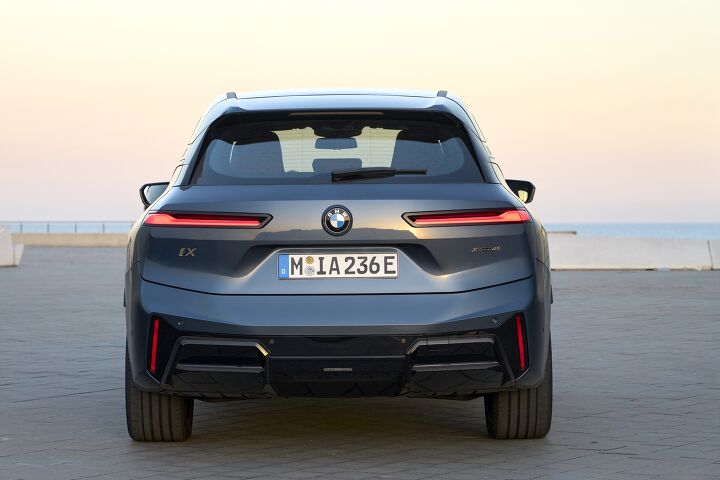
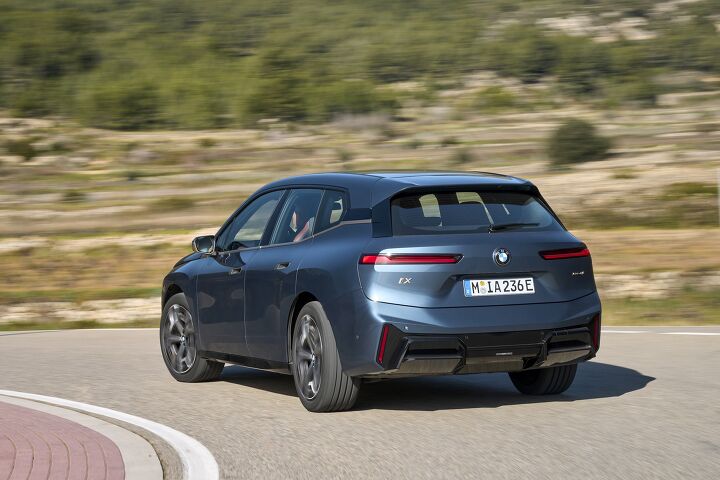
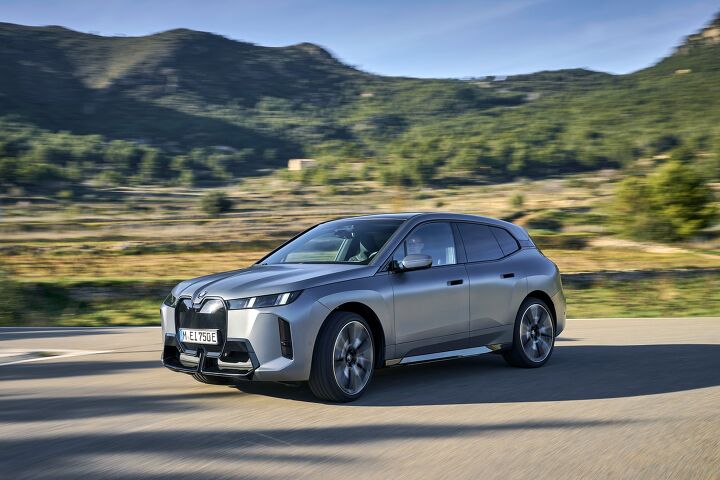
BMW has officially confirmed that it will be discontinuing the all-electric iX SUV for the United States. However, this apparently doesn’t represent the brand pulling away from EVs. The BMW iX instead looks to have paved the way for new models that will be part of the brand’s aspirations to further normalize electrified models.
With North America being the developed market showing the most hesitancy toward all-electric vehicles, the iX was never going to sell in large volumes. Arriving in 2022, the iX only managed to move about 5,000 units inside the United States during that first year. But annual volumes rose to average out to somewhere between 13,000 and 17,000 deliveries in successive years.
That changed in 2026, when BMW iX sales fell by over 50 percent in the United States. By the end of the first quarter, dealers only managed to move an estimated 1,788 units. Again, BMW never expected this to be an extremely popular model. But that kind of sales decline, which occurred months after the U.S. abandoned federal purchasing subsidies, undoubtedly played a factor in the manufacturer deciding to end its run on our market.
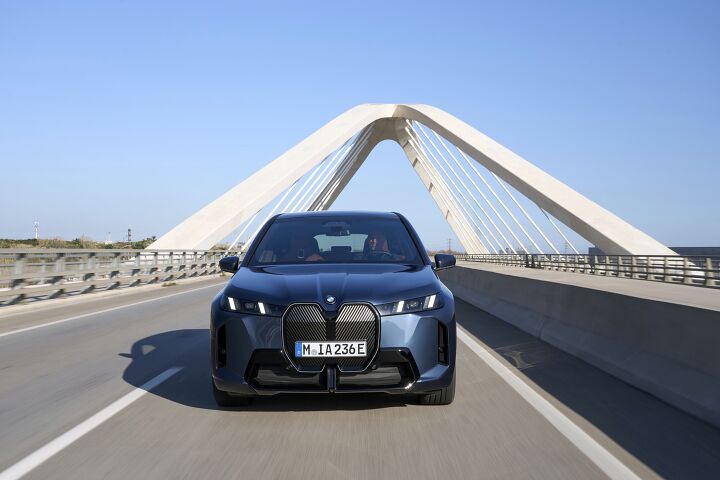
While it looks like the model may persist for a bit longer in other markets, presumably including Canada, the automaker has confirmed that there will be no 2027 BMW iX for the United States.
“We are proud of what we have accomplished with the BMW iX. Since its introduction, it has served as a technological showcase, pushing the boundaries of design, manufacturing, sustainability, and circularity. Our success in the U.S. is driven by a broad and flexible powertrain portfolio that allows us to navigate a dynamic environment while continuing to evolve our lineup. As part of this progression, we are concluding U.S. allocation of the BMW iX as we prepare for the next generation of our fully electric vehicles,” a spokesperson confirmed with BMW Blog, which was the first outlet to report the iX’s planned demise.
With EV sales declining in North America and the U.S. rolling back emission requirements, we’ve seen plenty of automakers suggest that they would begin to prioritize combustion models. However, BMW is claiming that it’s still wholly devoted to electrification.
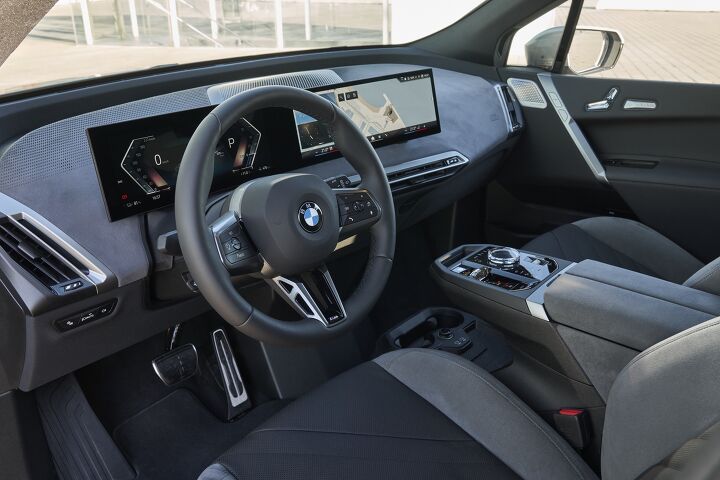
“We remain fully committed to electrification in the U.S. and are transitioning to our upcoming Neue Klasse models, beginning with the BMW iX3, powered by our latest Gen6 eDrive technology,” continued the BMW spokesperson. “This marks the beginning of the Neue Klasse era and the introduction of these technologies across our future portfolio, and we are confident these vehicles will surpass the expectations of customers when they enter the U.S. market in the coming months.”
The plan seems to be for BMW to launch updated versions of its core lineup with all-electric variants. For example, the iX will likely be supplanted by the EV version of the X5 — likely to be called the iX5.
But the X5 won’t be limited to running on either gasoline or electricity. BMW is also finalizing development on diesel models, plug-in hybrids, and is even teasing a hydrogen-powered version of the SUV. The same should be true for other models, with the company trimming down body styles as it ramps up powertrain variety.
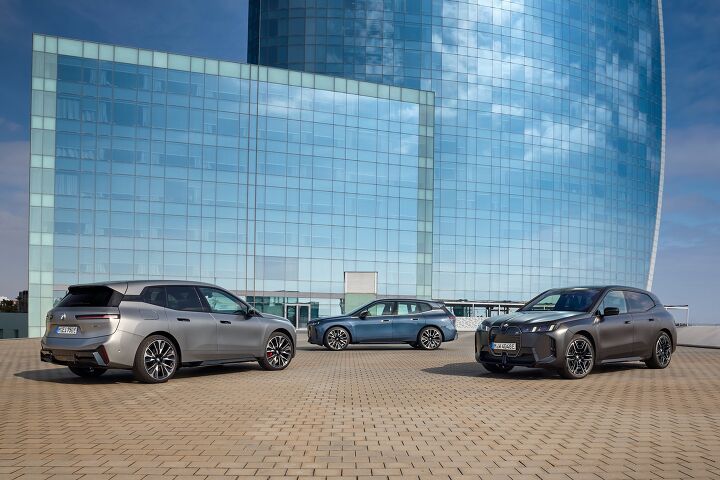
BMW is trying to promote normalcy among EVs, which is something we’ve seen from the industry in general of late. Early all-electric models were often intentionally designed to look and feel different. This was certainly the case for the iX. However, the current trend is for manufacturers to build flexible platforms that can accommodate all sorts of powertrains. The industry wants to pivot to software-defined vehicles using scalable architecture that can be manufactured quickly and cheaply.
It’s all about maximizing profits. However, one wonders about the end products. Making vehicles so heavily reliant on software are likely to exacerbate right-to-repair concerns and displease motorists who already feel frustrated by the tech installed into modern cars. BMW’s status as selling “The Ultimate Driving Machine” when many platforms will be shared between so many models — rather than being wholly optimized for specific vehicles.
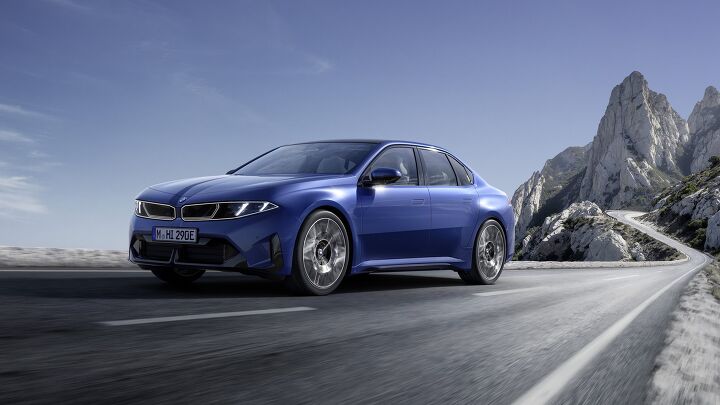
With the i4 also wrapping production this year, BMW is preparing itself to push its Neue Klasse vehicles where the EVs influence the combustion vehicles and vice versa. As previously noted, the iX3 should arrive first with the i3 sedan (above) and wagon versions following close behind near the end of 2026. Combustion versions should arrive early in 2027.
The 5 Series update should take place at roughly the same time (including the all-electric BMW i5) and in roughly the same way. Other models will follow suit until everything in the brand’s lineup has been given the Neue Klasse. If you’re wondering what that means beyond trying to integrate electric, hybrid and combustion models, BMW has offered a few hints.
We know that the company wants to run with cleaner styling cues. BMW also plans on leveraging Gen6 battery technology that’s supposed to increase battery capacity and improve high-speed charging times. The manufacturer has likewise touted the widespread use of dashboard-spanning screens, especially the “Panoramic Vision” (below) that’s supposed to supplant traditional instrument clusters.
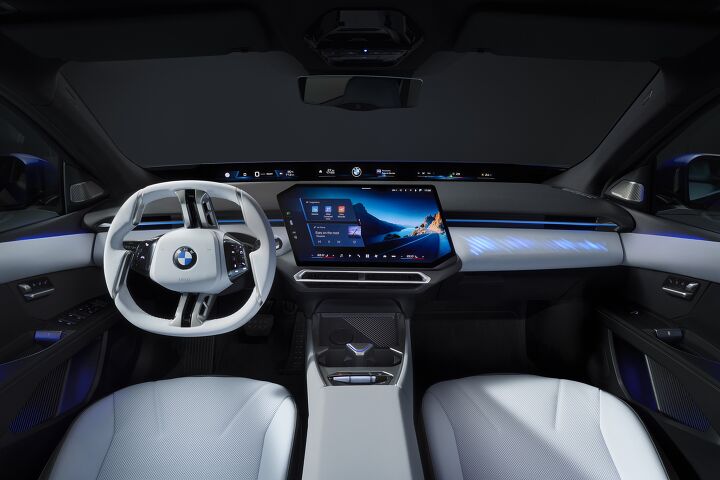
Touchscreen and haptic feedback buttons will allegedly see widespread use, too. Automakers have been trying to convince everyone that this is luxurious — and it worked for a time. But the truth of the matter is that screens are simply cheaper to implement than traditional buttons and give the automaker more ways to force drivers to interface with connectivity features.
As a bonus, a lot of screen space and clever ambient lighting is something luxury brands have been using to dazzle potential customers. It’s showy and certainly looks futuristic, even if it doesn’t really offer a better user experience than a series of switches and knobs. It’s all about first impressions that help sell the car, rather than securing any kind of meaningful long-term enjoyment or usability for the owner.
Some will say the above choices represent a major gamble for the brand. But this seems to be the general direction most manufacturers are heading. Even mainstream brands that were formerly praised for bucking modern tech trends to a point that it actually seemed to result in better vehicles boasting superior reliability (e.g. Mazda or Toyota) have gradually started to embrace electronic gatekeeping, complicated hardware, unserviceable components, touch controls, and electrification. Meanwhile, the luxury nameplates are much further along and seem to have entered into a battle to see who can install the largest screens possible inside the cabin.
BMW has already made its decision on which direction it will be heading with screen-heavy interiors and its electric-biased Neue Klasse models. But we won’t know how everything comes together until the relevant models have reached the market. They might be light years better than what’s available right now and we know that the company wants to run with more tastefully designed and traditional exteriors.
There are real reasons to be hopeful about BMW’s Neue Klasse, assuming you’re not completely jaded on the modern trends. However, if you’re someone who finds the modern industry trends repellent, we doubt the brand’s changing lineup will make you any happier than its current roster of vehicles.
[Images: BMW]
Become a TTAC insider. Get the latest news, features, TTAC takes, and everything else that gets to the truth about cars first by subscribing to our newsletter.
Consumer advocate tracking industry trends and regulations. Before joining TTAC, Matt spent a decade working for marketing and research firms based in NYC. Clients included several of the world’s largest automakers, global tire brands, and aftermarket part suppliers. Dissatisfied, he pivoted to writing about cars. Since then, he has become an ardent supporter of the right-to-repair movement, been interviewed about the automotive sector by national broadcasts, participated in a few amateur rallying events, and driven more rental cars than anyone ever should. Handy with a wrench, Matt grew up surrounded by Detroit auto workers and learned to drive by twelve. A contrarian, Matt claims to prefer understeer and motorcycles.
More by Matt Posky









Comments
Join the conversation
it wouldn't be bad if voice commands didn't have to be repeated 3 times just to turn the fan speed off. then again the worlds fasted computer sitting between your ears can touch and locate the fan speed dial and turn it off quicker than any robot c
Neue klasse is absolutely ruining the next generation of BMW vehicles. From the panoramic idrive, no idrive controller, hideous exteriors and interiors, 2 little tablets on the center console, no instrument cluster, etc..they've lost me as a customer. I've owned 16 new bmws since 2000. My 25 x5 is my last for at least 7 years until this neue klasse is gone. Stop catering to the Chinese market and millenials...most millenials are struggling to buy a house. Consumers have spoken and they dont want EVs and no physical buttons. You can make the range 600+ miles and still they don't want EVs en masse.