


Winnebago Reveals Electric Camper Concept With 125-Mile Range

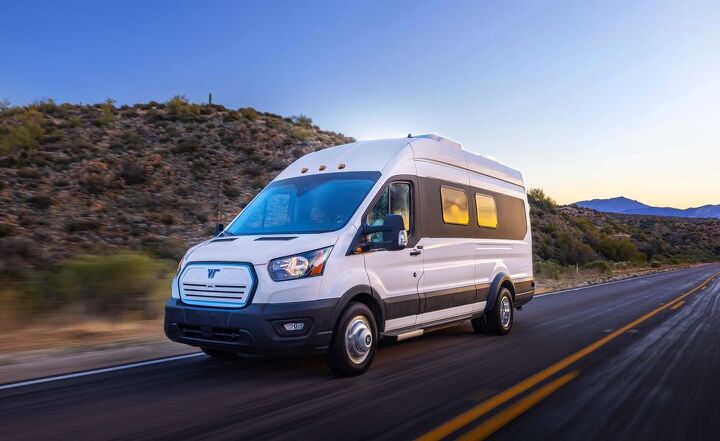
Winnebago has revealed the electric e-RV camper van concept at the Florida RV SuperShow and it looks to be right in the sweet spot for North Americans interested in partaking in van life. However, the motorhome manufacturer has said the model is only capable of driving 125 miles between charging, drastically limiting how much wiggle room is in the travel itinerary.
On the upside, the 86.0-kWh battery pack does run the cavalcade of appliances the e-RV comes without the same need for maintenance as the deep-cycle units that typically go into recreational vehicles. But that also means every time you run the modern conveniences it’s been equipped with you’re losing range.
That makes the Winnebago e-RV Concept is a testament to the benefits and shortcomings of electrification. The company took a standard Ford Transit as its canvas and ripped out the gasoline engine to install an electric motor with partner Lightning e Motors, which electrifies fleet vehicles domestically using batteries from China’s Contemporary Amperex Technology (CATL).

On the surface, it makes a lot of sense to electrify a camper van. The e-RV eliminates the need for having a dedicated battery system for appliances by using lithium-ion packs that should require more power and fewer headaches. The design is also fairly futuristic, using ambient LED lighting in a manner that’s reminiscent of neon displays. But Winnebago wants you to see the model as green, requiring mention that the Transit van uses natural and recycled materials wherever possible. For example, the walls take advantage of a woolen trim that provides sound deadening and superior installation. Rubberized cork graces the floor in a similar capacity. The kitchen and bathroom/shower also make use of repurposed materials, though the electrical appliances should probably all be new.
But it’s an early draft of the concept, so a lot of the important details are missing. Winnebago isn’t set on the layout and is disinterested in providing power estimates of the electric motor at this juncture. We also don’t know what kind of charging times to expect. That’s okay because the e-RV hasn’t yet been confirmed for duty and exists more as a way for the company to experiment with electrification as the technology matures.
To be fair, most other electric RVs have had trouble breaking the 100-mile barrier and nobody is matching what you’d find on a modern, all-electric passenger car.

Though these are things that will have to be addressed eventually and it’s a little hard to take this concept seriously as a camper in the present guise. As nice as it would be to have access to the sizable battery pack while parked, that 125-mile range seriously limits where the e-RV can go. Winnebago might be better off with a hybrid system that allows for electric or combustion-derived propulsion and still lets appliances draw from a smaller li-ion battery pack. The company also offers plenty of li-ion battery upgrades (sometimes with solar panels) to other products that are dependent upon liquid fuel to get between campsites.
Considering some of Winnebago’s newest products are adventure vehicles presenting themselves as capable of tackling the harshest, most isolated environments (e.g. the Revel). It would be nice to see a hybrid that could run on internal combustion to cover vast distances, with the ability to swap over to electric power for short periods while still having enough juice to operate the included amenities. However, as RV manufacturers do not typically make their own chassis, we may have to wait until one of the big boys decides to build something that fits the bill.

[Images: Winnebago Industries]
Consumer advocate tracking industry trends and regulations. Before joining TTAC, Matt spent a decade working for marketing and research firms in NYC. Clients included several of the world’s largest automakers, global tire brands, and aftermarket part suppliers. Since adding automotive writing to his repertoire, he has become an ardent supporter of the right-to-repair movement, discussed the status of the automotive sector on national broadcasts, participated in a few amateur rallying events, and driven more rental cars than anyone should ever have to. Handy with a wrench, Matt grew up surrounded by Detroit auto workers and learned to drive by twelve. Alleged to be contrarian, Matt claims to prefer understeer and motorcycles.
More by Matt Posky









Comments
Join the conversation
Your betters have decided that electrification of the vehicle fleet will be so. Best to just accept it and bend over.
The grille on that thing looks kinda like a bathroom exhaust vent. But the island setup in the middle is interesting, even if the fold-out seating looks a bit flimsy.