


Dealer Docs Show Ford F-150 Dropping 2.7-Liter EcoBoost, Adding V8s

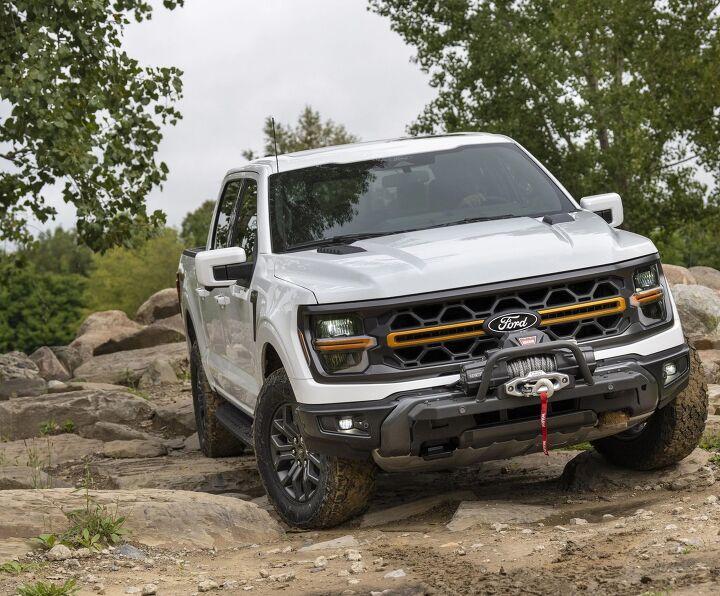
Leaked dealer order guides from Ford indicate the F-150 will no longer be offered with the current base engine starting next year. The 2.7-liter EcoBoost will be replaced with a slightly larger V6, while the Blue Oval likewise increases availability of the 5.0-liter V8.
Details are yet to be confirmed by the manufacturer. However, leaked documents shared by the F150Gen14 forum are extremely persuasive and were subsequently verified as authentic by one dealership.
The 3.0-liter EcoBoost will be supplanting the 2.7-liter as the F-Series default engine. While the new unit does offer a tad more displacement and significantly more horsepower, it may not satisfy those who wanted a naturally aspirated motor for the sake of simplicity.
While the outgoing 2.7-liter EcoBoost was known for being reasonably reliable as modern truck engines go, the 3.0-liter EcoBoost (99C/EN-YX) has received some criticism.
Truth be told, the motors are more similar than they are different. Some have even argued that the 3.0-liter is effectively just a bored and stroked 2.7-liter. Claims have also been made that the brunt of the reliability issues associated with the larger V6 stems from it being utilized on several of Ford’s performance models. The theory here is that the unit was tuned for power and likely to be subjected to more abuse due to it being equipped on vehicles like the Ranger Raptor.
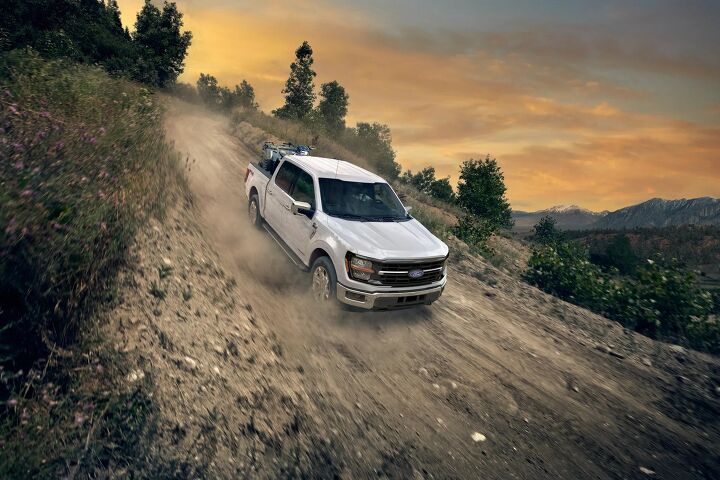
However, the 2.7-liter also uses dual injection. This has been proven to help keep valves cleaner (same as with traditional port-injected vehicles), alleviating carbon buildup issues that are widely associated with automobiles featuring direct injection. Meanwhile, the 3.0-liter EcoBoost has been designed exclusively for direct injection.
In terms of power, the smaller V6 offered a maximum of 325 horsepower and 400 lb-ft of torque. But its replacement has been issued to vehicles boasting just over 400 hp and 440 lb-ft of torque. While some of us would gladly take port injection over the increased power, others will just be happy to see the larger numbers on the spec sheet.
Based on the dealer form, the 3.0-liter EcoBoost will be made available on the base XL, STX, XLT, and Lariat trim as the standard engine. This mimics what we’ve seen from Ram with the Hurricane I6. Ford may even be trying to compete with Ram by launching its own 3.0-liter twin-turbo with improved specs.
The Blue Oval must know that Ram customers have expressed concerns about Hurricane. But most of those centered around the brand initially attempting to use it as a complete replacement for the V8 and subsequent concerns that forced induction and direct injection might be suboptimal in terms of longevity. Having debuted in 2022, the 3.0-liter Hurricane hasn’t really been around long enough for us to say anything truly definitive about its dependability. Most of the gripes pertaining to the Ram 1500 are presently focused on electrical components.
Even though Ford never officially dumped the V8 like Ram did, the automaker still plans on broadening availability of the 5.0-liter Coyote to several models that had abandoned it — including on the King Ranch and Platinum trims.
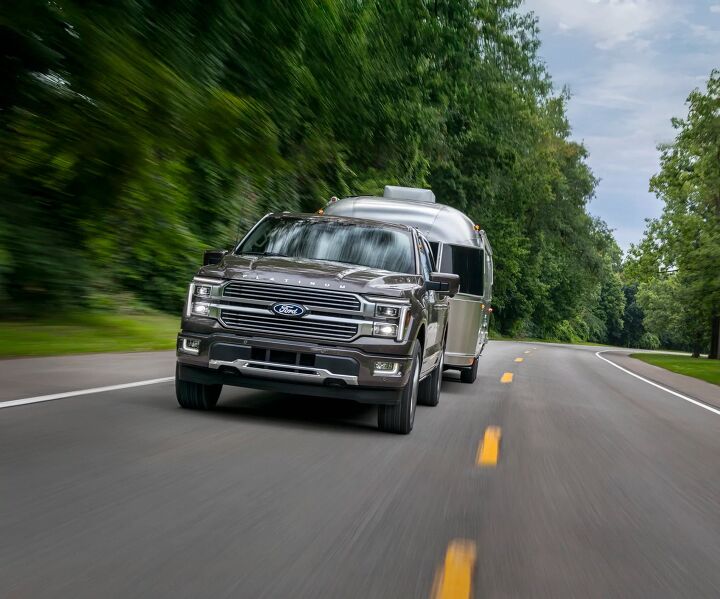
Odds are good that Ford’s V8 won’t eclipse the 3.0-liter in terms of torque or horsepower unless the automaker decides to detune the latter or upgrade the former. But there’s nothing to indicate the company plans on doing either for 2027, with the V8 likely existing as an optional upgrade for customers who just want more displacement and less turbocharging.
The 3.5-liter EcoBoost and its hybridized PowerBoost variant also look to be sticking around. While the former will persist as the default engine option on the Ford Raptor, the Blue Oval looks to be keeping the supercharged 5.2-liter V8 for customers who want to spend an extra $30,000 on what was already dangerously close to being a six-figure pickup truck.
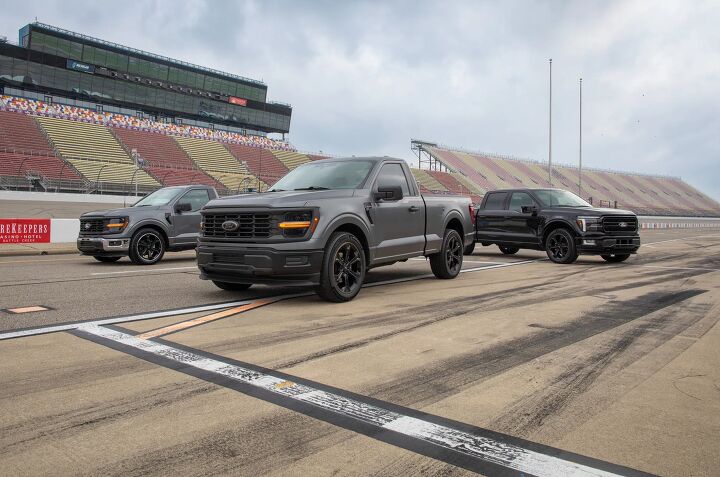
These aren't the only differences between this and next year's models. Ford will be creating new variants of both the Tremor and Raptor, tweaking paint options, updating Co-Pilot360/BlueCruise, offering a new security package and has come up with some new wheel options.
Overall these are sound changes. We imagine there are plenty of customers willing to option the V8 and the new 3.0-liter V6 will help the Ford better compete with Ram on paper. Many buyers simply compare specs and don’t bother concerning themselves with the finer details. But we have some doubts that the motor will actually provide a better ownership experience than the outgoing 2.7-liter EcoBoost.
That might not matter in terms of immediate sales or improving profit margins. The new EcoBoost motor and broader availability of the V8 will presumably draw in more customers while likewise serving as a nice excuse for Ford to further raise MSRPs. We’re just hoping Ford exercises some restraint once it confirms the changes and eventually announces pricing.
[Images: Ford]
Become a TTAC insider. Get the latest news, features, TTAC takes, and everything else that gets to the truth about cars first by subscribing to our newsletter.
Consumer advocate tracking industry trends and regulations. Before joining TTAC, Matt spent a decade working for marketing and research firms in NYC. Clients included several of the world’s largest automakers, global tire brands, and aftermarket part suppliers. Since adding automotive writing to his repertoire, he has become an ardent supporter of the right-to-repair movement, discussed the status of the automotive sector on national broadcasts, participated in a few amateur rallying events, and driven more rental cars than anyone should ever have to. Handy with a wrench, Matt grew up surrounded by Detroit auto workers and learned to drive by twelve. Alleged to be contrarian, Matt claims to prefer understeer and motorcycles.
More by Matt Posky











Comments
Join the conversation
I have the 2.7 in my pickup and while it provides good all-around performance and decent fuel economy, like every other turbocharged engine it also exhibits turbo lag upon acceleration.
Leave it to Ford, to retire one of their most reliable engines.