


GM's 6.2L V8 Fix Isn't Fixing It, and NHTSA Noticed
The whole point of a recall is that the fix fixes it. GM's remedy for its troubled L87 6.2-liter V8 didn't get that memo. The National Highway Traffic Safety Administration has opened an Engineering Analysis into hundreds of engine failures that happened after dealers performed the recall work.
How we got here
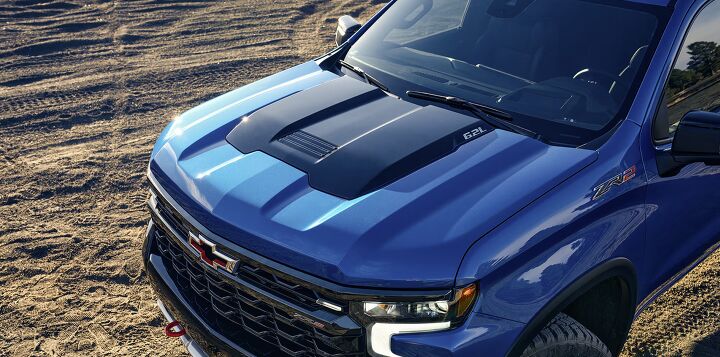
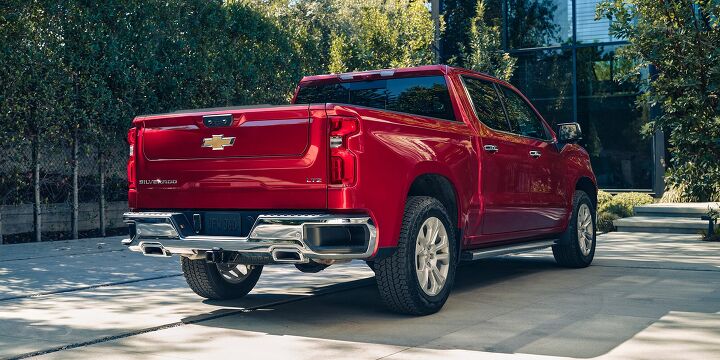
The saga began with GM recalling nearly 600,000 L87 V8 engines after 28,000 of them suffered crankshaft, connecting rod, or engine bearing failures. This is the big V8 that powers some of GM's most popular models — the Chevy Silverado 1500, Suburban, and Tahoe, the GMC Sierra 1500 and Yukon, and the Cadillac Escalade. Under the recall, engines were inspected and either repaired or replaced.
The engines that passed inspection got respecified to run 0W-40 oil instead of the original 0W-20, along with a new oil filter, a new filler cap stamped with the 0W-40 spec, and an owner's manual update to match. The theory was that thicker oil would eliminate the risk of damage from manufacturing defects in the connecting rods and crankshafts. Case closed, problem solved, everyone drives happily into the sunset.
That's not how it went.
Nearly a million trucks under the microscope
NHTSA has since received reports of 499 additional engine failures that occurred after the recall work was done. Of those, 473 had been switched to the thicker oil, and 26 were replacement engines. Separately, GM logged 6,953 reports of post-recall engine failures — well over 10 percent of the recalled fleet. Numbers like that raise an obvious question about whether pouring in heavier oil ever actually addressed a manufacturing defect.
The NHTSA Office of Defects Investigation has now opened an Engineering Analysis to determine whether the recall worked at all, and it points to more evidence that it may not have. The 26 replacement engine failures are the most damning detail. The recall covered engines built between March 1, 2021, and May 31, 2024. The replacements were manufactured after that window and should not have failed in the same way, yet they did.
On top of that, there have been 191 reported failures of engines built after the original recall's 2024 cutoff. So the Engineering Analysis isn't limiting itself to the originally recalled units. It now sweeps through the 2026 model year, expanding the probe to 997,743 engines, per NHTSA.
What comes next
GM moves to a new 6.6-liter engine for the 2027 models, which conveniently sidesteps the L87 question going forward. Even so, having nearly a million engines under investigation is a rough look — for catastrophic failure and for a recall that may not have remedied anything.
Plenty of GM owners want the thicker oil spec applied to the new V8s, on the logic that heavier oil was supposed to be the whole fix for the L87. Whether that holds up remains to be seen, given that the fix hasn't held up so far.
There's no new recall prescribing an additional remedy yet. But one may be coming: an Engineering Analysis is typically NHTSA's final step before ordering exactly that.
This article was written using AI and was then edited and optimized by our editorial team.
Become a TTAC insider. Get the latest news, features, TTAC takes, and everything else that gets to the truth about cars first bysubscribing to our newsletter.

More by TTAC News Staff












Comments
Join the conversation
Full size trucks are the cash cows for the big three. How in the world did GM let this happen? Yes, they will still sell a lot of truck but I do expect a lot of burned buyers to go elsewhere for their next vehicle.
This guy, who is from Canada, says that the problems with the 6.2L L87, to wit:
(1) rod-bearing damage from sediment on connecting rods and crankshaft-oil galleries; and
(2) out of specification crankshaft dimensions and surface finish
are tied to the St. Catharine's Propulsion Plant, which my sources say is in Ontario, which my sources say is in Canada.
The guy from Canada says that the problems are not tied to Tonawanda which is in New York which is in the America part of North America, and not tied to Spring Hill which is in the worst region of the worst country on Earth according to some Canadians.
Thank you for your attention to this matter.
As I previously stated a dozen time.. ford Chevy chasing theta-ii reliability standards ..
The Biden push for better mileage is one of the reasons for the failures. Also, if you idle a Hemi for long periods it'll break too.