
Lincoln Rumored To Build Bronco-Based G-Wagon Rival

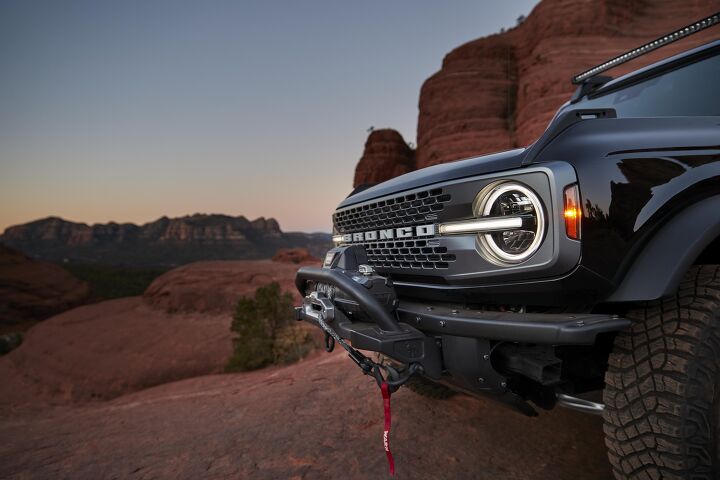
Ford is allegedly working on something for the Lincoln brand that will rival the Mercedes-Benz G-Class and other high-zoot SUVs with legitimate off-road chops. Rumored to launch right around 2030, the model is supposed to ride on the same body-on-frame platform leveraged by the Bronco.
News comes by way of Autoweek, which cited unnamed internal sources claiming that Blue Oval already has the model in development. The company is targeting something for the 2029 or 2030 model year, suggesting that the process is still in the early stages.
The T6.2 architecture that underpins the Bronco of today is likewise used by the current Volkswagen Amarok, Ford Ranger, and Ford Everest — the latter of which is unavailable in North America. However, the proposed timeline doesn’t necessarily mean that’ll be the platform this new Lincoln adopts.
From Autoweek:
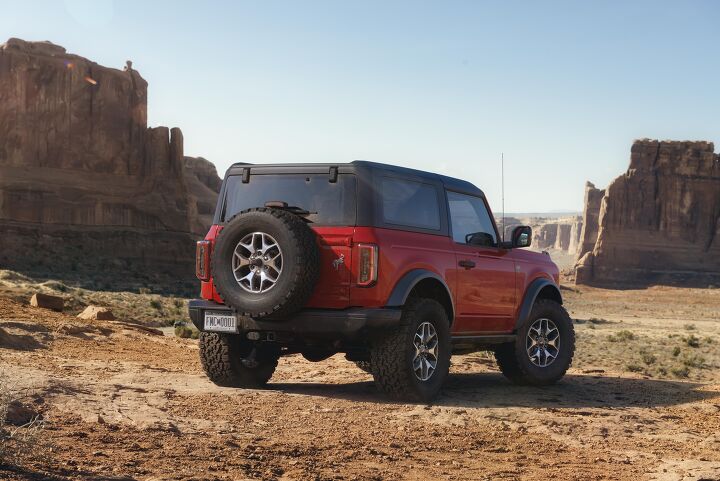
Imagine a Lincoln-style grille on a Bronco likely with softer sheetmetal edges — say, updated Navigator styling on the Bronco’s 116.1-inch wheelbase. The Ford Bronco has an overall length of 189.5 inches, so it’s closest to the Lincoln Nautilus in size, at 193.2 inches overall on a 114.2-inch wheelbase.
A next-generation Ford Bronco is expected in the 2031 model year, so it’s possible the earlier Lincoln version will share more parts and components with the new model than with the current model, which launched in the 2021 model year. There is more flexibility in tweaking and updating, and what constitutes “all-new” in body-on-frame platforms than in unibody platforms.
The Lincoln Bronco’s launch in three to four years also could affect the future of the unibody Nautilus. Ford already has cancelled the Lincoln Corsair compact unibody sport/utility and the Escape it is based on, after having produced a sufficient number of each to finish up as 2026 models. Their Louisville, Kentucky, assembly plant is being converted to production of Ford’s next-generation electric vehicles, with its first new EV model a pickup truck tipped to be roughly Maverick-size that launches in 2027. The Bronco Sport carries on as Ford’s entry in the popular compact SUV segment, competing with the Toyota RAV4 and the like.
With Ford stressing a need to push EVs downmarket by focusing on more-affordable models, Autoweek believes that any new electrics wearing a Lincoln badge are unlikely. That seems plausible. Many automakers have looked at their sales figures and decided that the market for high-end EVs has reached its limit.
About a third of Lincoln dealerships also opted out of Ford’s electric vehicle certification program at a time where the number of dealerships was also shrinking. We’ve seen this phenomenon across numerous luxury brands in recent years.
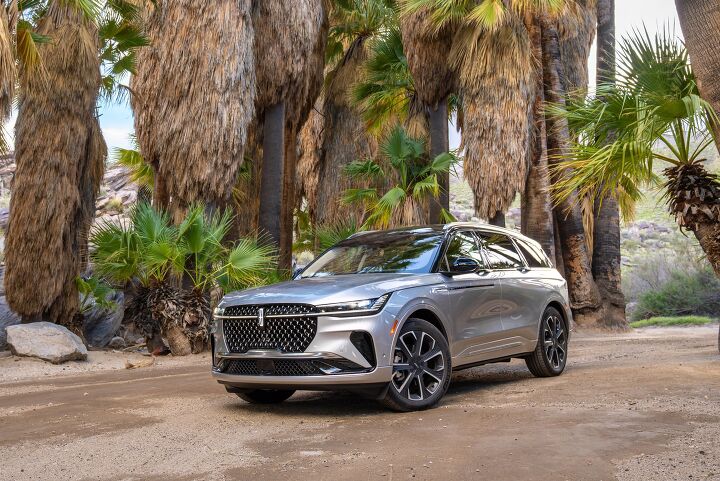
The trend has been for these companies to increase pricing as they attempt to drive vehicles further upmarket. Selling fewer cars is fine when you’re able to affix exorbitant MSRPs and juicy subscription plans. But that’s something we’ve also been seeing from mainstream brands, leaving luxury nameplates to lean heavily upon technology features to set themselves apart. But additional screens and advanced driving assistance packages have lost their novelty, with many North American drivers now snubbing them.
Globally, the issue is even worse. A lot of the changes luxury brands have made in recent years was to better cater to the massive Chinese market. Due to the fact that vehicle ownership is a relatively new concept in China, buyers have unique tastes and have gravitated toward massive screens, AI-powered vehicle operating systems, spacious interiors, and electrified powertrains.
However, domestic brands have proven capable of implementing those features for significantly less money — making foreign brands a tougher sell.
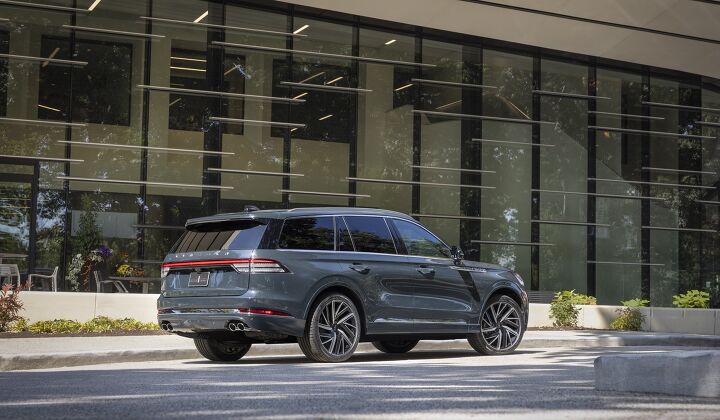
This has left Western brands with a gaggle of vehicles with luxury features aimed squarely at the Chinese that they desperately need us to purchase. But North American buyers are starting to identify touch screens as a cost-cutting measure and have begun to lose their appetite for automobiles with six-figure MSRPs.
One wonders how Lincoln’s forthcoming Bronco-based SUV will cope with the above. Vehicles boasting off-road capabilities do seem better at roping in customers willing to spend more, even if the owner never takes it off the pavement. Toyota has had great success with its pricy TRD models and Ford’s own Bronco exists in a similar space. Perhaps a luxed-out Bronco is exactly what Lincoln needs in its lineup.
Ford’s luxury division could market it as a rugged and outdoorsy premium SUV to help rationalize its price. But it would still need to undercut the Mercedes-Benz G-Wagon’s $150,000 starting MSRP to have a real chance. Meanwhile, Land Rover offers several models in a similar size range that all start between $65,000 and $116,000.
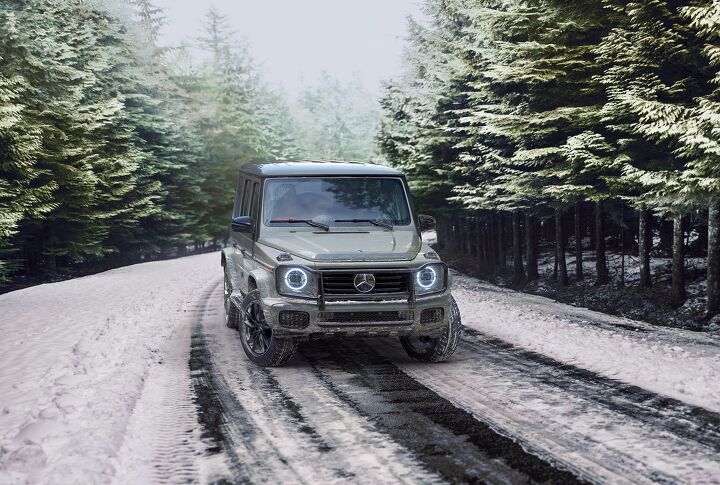
Obviously those prices will be subject to change before the Lincoln in question is launched and we don’t know where exactly the automaker sees the model fitting into the bigger picture. Considering that Ford will basically let you double the price of the current Bronco as you climb the trim ladder, Lincoln may attempt something similar.
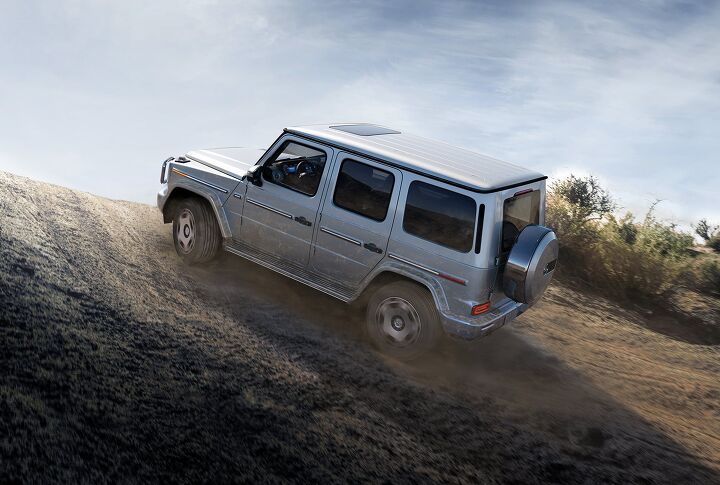
We’d recommend waiting on confirmation from Ford before making even causal assumptions about the SUV. Development programs are cancelled all the time. Plenty of other automakers are likewise targeting rivals for the Mercedes G-Class (e.g. Audi) and there are growing concerns about oversaturation. Keep in mind that only about 9,500 G-Wagons are sold inside the United States during a particularly good year. While sales have grown steadily to achieve that volume, sales declined after cresting 10,988 units in 2024. Lincoln could be diving into a luxury segment where several brands are fighting over very small pieces of pie.
We should have a better picture of the segment, and what automakers like Ford plan on doing with it, in a couple of years.
[Images: Ford Motor Co; Mercedes-Benz]
Become a TTAC insider. Get the latest news, features, TTAC takes, and everything else that gets to the truth about cars first by subscribing to our newsletter.
Consumer advocate tracking industry trends and regulations. Before joining TTAC, Matt spent a decade working for marketing and research firms in NYC. Clients included several of the world’s largest automakers, global tire brands, and aftermarket part suppliers. Since adding automotive writing to his repertoire, he has become an ardent supporter of the right-to-repair movement, discussed the status of the automotive sector on national broadcasts, participated in a few amateur rallying events, and driven more rental cars than anyone should ever have to. Handy with a wrench, Matt grew up surrounded by Detroit auto workers and learned to drive by twelve. Alleged to be contrarian, Matt claims to prefer understeer and motorcycles.
More by Matt Posky









Comments
Join the conversation
It's true that not all luxury SUVs and trucks have been successful, but a fair number of them have been (Escalade, Navigator). It shouldn't cost too much to develop a fancier Lincoln version of the Bronco for posers and people with more money than sense. Throw it on the wall and see if it sticks.
Lincoln customers are some of the most successful people on the planet.